
Asphalt driveway repair is crucial for maintaining the beauty and functionality of your property’s outdoor space. Whether you’re dealing with small cracks, unsightly potholes, or faded surfaces, addressing these issues promptly can save you from costly replacements and keep your driveway looking its best.
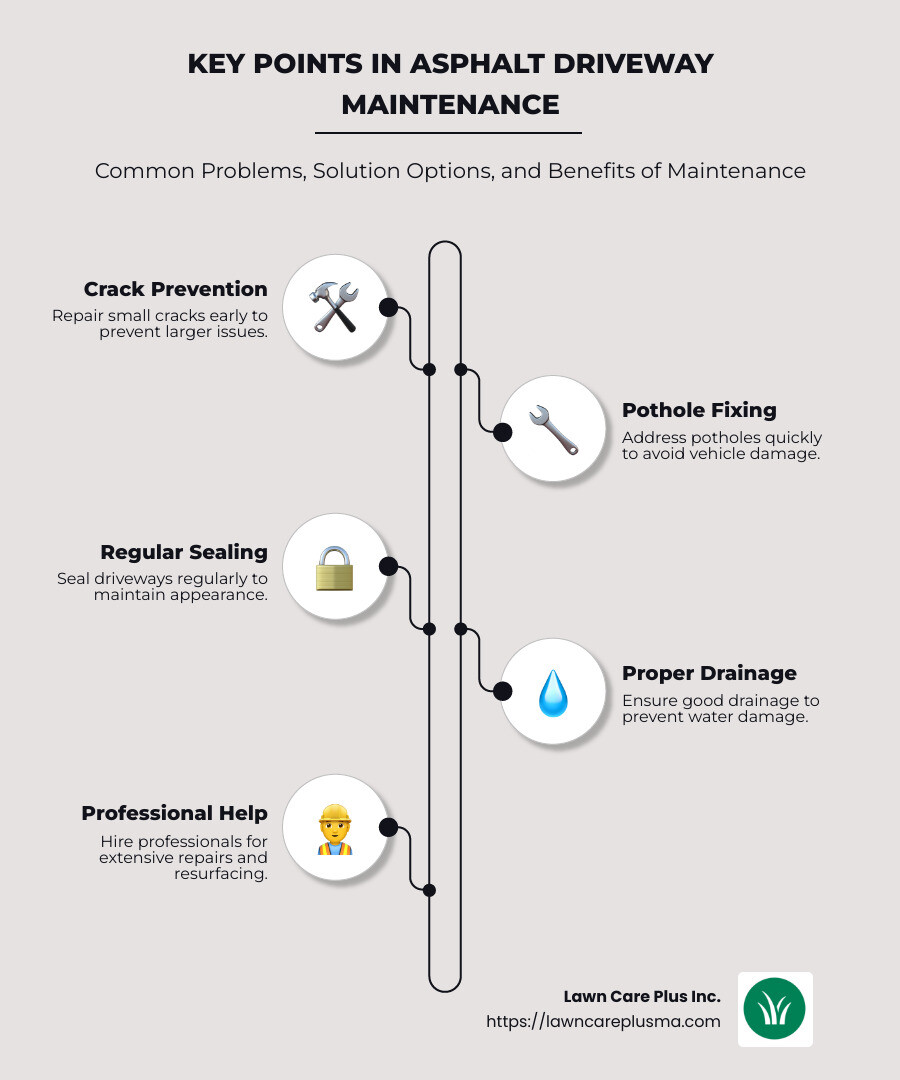
- Cracks: Early treatment helps avoid extensive repairs.
- Potholes: Quick fixes prevent further vehicle damage.
- Fading: Regular sealing maintains appearance and prolongs lifespan.
- Professional vs. DIY Repairs: Assess if the damage requires professional services or can be tackled with DIY methods.
Asphalt driveways are a popular choice due to their durability and cost-effectiveness, but like all surfaces, they require regular upkeep to stay in top shape. Knowing the right repair methods and maintenance tips means your driveway can weather the changing Boston seasons and remain an asset to your home or property for years. Keep reading to find practical tips and solutions to ensure your asphalt driveway stands the test of time.
Asphalt driveway repair terms to learn:
– asphalt driveway cost
– cost of replacing driveway
– does replacing driveway a good investment
Assessing the Damage
Understanding the extent of damage on your asphalt driveway is the first step in effective asphalt driveway repair. Whether you’re dealing with cracks or potholes, recognizing the signs early can help you decide whether a DIY approach is sufficient or if professional intervention is necessary.
Identifying Cracks
Cracks in your asphalt driveway can vary in size and severity, and addressing them promptly is crucial to prevent further damage. Here’s a quick guide to help you identify different types of cracks:
- Small Cracks: These are usually less than a quarter of an inch wide. They might seem minor, but they can expand over time if not treated. Filling these with a cold pour crack filler can be a simple DIY fix.
- Large Cracks: Cracks wider than a quarter of an inch need more attention. They allow water to seep through, potentially causing more severe damage. Hot rubberized crack filler is often recommended for these larger gaps, providing a more durable repair.
- Alligator Cracks: Named for their resemblance to alligator skin, these interconnected cracks indicate structural issues. They often require more than just surface repairs and might need professional evaluation to address underlying problems.
Evaluating Potholes
Potholes are not just a nuisance; they can also pose safety risks and damage vehicles. Understanding their causes can help in determining the best repair approach:
- Pothole Causes: Potholes typically form due to water infiltration and subsequent freezing and thawing cycles. This process weakens the asphalt, leading to the formation of holes.
- Drainage Issues: Poor drainage can exacerbate pothole formation. If water doesn’t flow away from your driveway, it will find its way into cracks and crevices, leading to potholes over time.
- Base Problems: Sometimes, potholes indicate issues with the base layer of the driveway. If the base is unstable, simply filling the pothole won’t suffice. In such cases, a more comprehensive repair involving the base layer might be necessary.
By identifying the type and cause of the damage, you can choose the appropriate repair method and materials. This knowledge ensures that your driveway remains safe, functional, and visually appealing.

Next, we’ll explore DIY methods to clean, prepare, and repair your asphalt driveway, so you can tackle minor issues before they escalate.
DIY Asphalt Driveway Repair
Tackling asphalt driveway repair on your own can be a rewarding and cost-effective way to maintain your property. Let’s explore the steps and materials you’ll need for cleaning, preparing, and repairing your driveway.
Cleaning and Preparing the Surface
Before you start repairing, it’s crucial to prepare the surface properly. A clean surface ensures better adhesion of repair materials.
- Debris Removal: Use a broom or leaf blower to clear loose debris like leaves, dirt, and stones. This step prevents interference with the repair materials.
- Weed Killer: Apply a weed killer to any plants growing through cracks. This prevents future growth, which can cause more damage.
- Pressure Washing: A thorough wash with a pressure washer removes grime and oil stains. This step ensures the repair materials bond effectively to the asphalt. Let the surface dry completely before proceeding.
Filling Cracks
Cracks, if left unattended, can expand and lead to more significant issues. Here’s how to fill them:
- Cold Pour Crack Filler: Ideal for small cracks, this filler is easy to apply using a caulking gun or pour bottle. It’s a quick fix that provides a temporary solution.
- Hot Rubberized Crack Filler: For larger cracks, hot rubberized filler offers a more durable repair. It requires heating in a melter and applying with an applicator. This filler expands and contracts with temperature changes, providing long-lasting protection.
- Asphalt Tape: A lesser-known option, asphalt tape can be used for sealing smaller cracks. It’s applied directly over the crack and pressed firmly into place, offering a straightforward DIY solution.
Patching Potholes
Potholes can be more challenging, but with the right materials, you can handle them yourself.
- Cold Patch: This is a user-friendly option for patching potholes. It’s pre-mixed and can be applied directly into the hole. Compact it using a tamper or vehicle tire to ensure a solid repair.
- Hot Patch: For a more permanent fix, hot patching involves heating the asphalt before application. This method requires specialized equipment and is best for larger potholes or those with unstable bases.
- Gravel Base: If the pothole is deep, start by filling it with a gravel base to within four inches of the surface. This provides stability and helps the patch adhere better.
By following these steps, you can effectively manage minor damages and extend the life of your driveway. However, DIY solutions are best for minor issues. For extensive damage, it’s wise to consult a professional.
Next, we’ll discuss when to consider hiring a professional for your asphalt driveway repairs and the costs involved.
Professional Asphalt Driveway Repair
When it comes to asphalt driveway repair, sometimes the damage is beyond what a DIY approach can handle. Hiring a professional can ensure that the repair is done correctly and lasts longer. Let’s explore when it’s time to bring in the experts and what costs to expect.
When to Hire a Pro
Extensive Damage: If your driveway has deep cracks, crumbling edges, or large potholes, it’s time to call in a professional. These issues often indicate underlying structural problems that require specialized knowledge and equipment to fix.
Resurfacing Needs: Resurfacing involves laying a new layer of asphalt over the existing surface. It’s a great option if your driveway is structurally sound but has surface-level damage. A professional can ensure the new layer is applied correctly for optimal durability.
Replacement: In cases where the driveway is beyond repair, replacement is the only option. This is a complex process that involves removing the old driveway and preparing the base for the new one. Professionals have the expertise to handle this efficiently.
Cost Breakdown
Understanding the costs involved in professional repairs can help you budget effectively. Here’s a breakdown of what to expect:
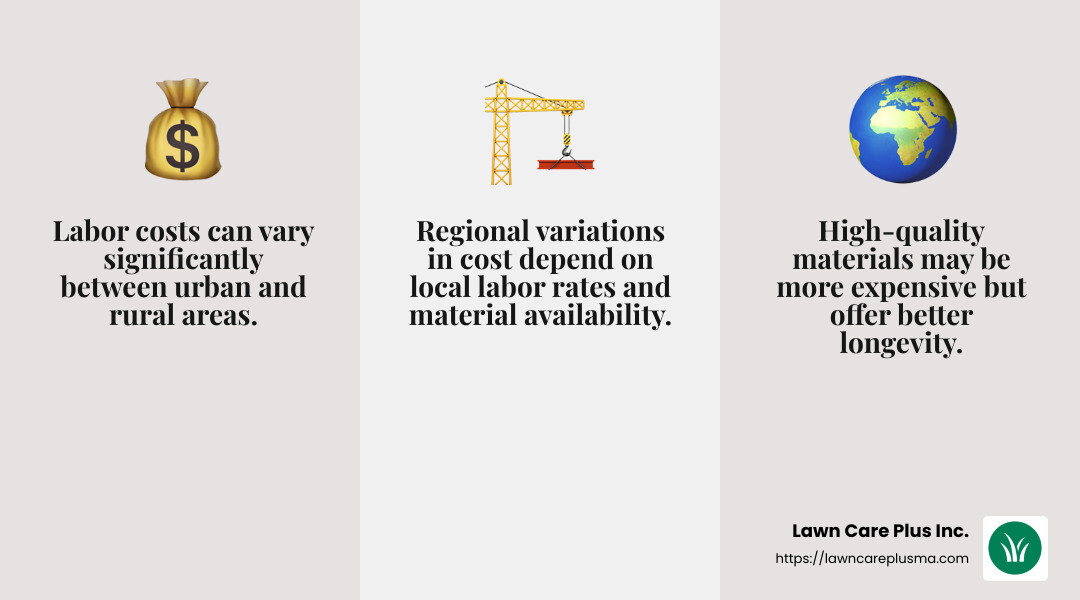
Labor Costs: Labor is a significant part of the cost. Professionals charge for their expertise, equipment, and time. Labor costs can vary depending on the complexity of the job and the region. Expect higher costs in urban areas compared to rural locations.
Material Costs: The type of asphalt used can affect the cost. High-quality materials might be more expensive upfront but offer better durability and longevity. Discuss material options with your contractor to find the best fit for your needs and budget.
Regional Variations: Costs can vary significantly based on where you live. Factors like local labor rates, material availability, and climate can all influence the price. It’s wise to get multiple quotes from contractors in your area to compare.
Hiring a professional for your asphalt driveway repair ensures that the job is done right the first time, potentially saving you money on future repairs. In the next section, we’ll dig into the specific costs associated with different types of repairs and additional considerations you should keep in mind.
Asphalt Driveway Repair Costs
Repairing an asphalt driveway is an investment, but understanding the costs involved can help you make informed decisions. In this section, we’ll break down the average repair costs, costs by repair type, and additional expenses you might encounter.
Average Repair Costs
The national average cost to repair an asphalt driveway is $1,900. However, costs can range from as low as $100 for minor repairs to as high as $4,800 for extensive work. The wide range in costs is due to several factors, including the extent of damage, the type of repair needed, and regional variations.
Cost by Repair Type
Different types of repairs come with different price tags:
- Crack Filling: Filling small cracks is one of the least expensive repairs, typically ranging from $100 to $350. It’s crucial to address cracks early to prevent them from expanding into larger issues.
- Pothole Patching: Potholes can be filled for $150 to $400. If left unchecked, potholes can lead to more significant damage, so timely repair is essential.
- Resurfacing: If your driveway has widespread surface damage but is structurally sound, resurfacing might be the best option. This process can cost between $1,000 and $3,000, depending on the size of the driveway and the materials used.
Additional Costs
Beyond the basic repair costs, there are several additional considerations:
- Permits: Depending on your local regulations, you may need a permit for certain types of repairs or replacements. Permit costs can vary widely, so check with your local authorities.
- Surface Slope: If your driveway needs regrading to improve drainage, this can add to the cost. Proper drainage is essential to prevent future damage.
- Excavation: For significant repairs or replacements, excavation might be necessary. This can add $1,000 to $2,500 to your total cost, especially if old materials need to be removed.
Understanding these costs helps you plan and budget for your asphalt driveway repair effectively. Whether you’re dealing with small cracks or considering a full resurfacing, knowing what to expect can make the process smoother.
In the next section, we’ll explore maintenance tips to help extend the lifespan of your asphalt driveway and keep it looking great for years to come.
Maintenance Tips for Asphalt Driveways
Maintaining your asphalt driveway is key to preserving its appearance and functionality. Regular upkeep not only improves curb appeal but also extends the lifespan of your driveway. Here are some essential maintenance tips:
Regular Sealing
Sealing your driveway is one of the most effective ways to protect it from the elements. Sealants guard against water penetration, UV rays, and oil spills, which can all cause damage over time.
- Sealant Types: There are various sealant options available, including coal tar, asphalt emulsion, and acrylic. Each has its pros and cons, so choose one that suits your climate and driveway needs.
- Application Frequency: Generally, it’s recommended to seal your driveway every 2-3 years. This frequency ensures the surface remains protected and looking fresh.
- Benefits: Regular sealing helps prevent cracks, reduces fading, and prolongs the life of your driveway. It also improves the overall appearance, giving it a clean and polished look.
Preventing Damage
Preventative measures are crucial in avoiding costly repairs down the line. Here are some strategies to keep your driveway in top shape:
- Proper Drainage: Ensure water drains away from your driveway. Poor drainage can lead to pooling, which weakens the asphalt and causes cracks. Consider regrading or installing drainage systems if necessary.
- Avoiding Heavy Loads: Try to limit the weight of vehicles parked on your driveway, especially if they exceed typical residential use. Heavy loads can cause the asphalt to deform or crack.
- Timely Repairs: Address any cracks or potholes as soon as they appear. Early intervention prevents small issues from becoming larger problems, saving you money and hassle in the long run.
By following these maintenance tips, you can keep your asphalt driveway in excellent condition, reduce the need for frequent repairs, and ensure it serves you well for many years.
In the next section, we’ll answer some frequently asked questions about asphalt driveway repair, providing you with even more insights and practical advice.
Frequently Asked Questions about Asphalt Driveway Repair
How to Repair a Crumbling Asphalt Driveway?
Repairing a crumbling asphalt driveway involves a few key steps: cleaning, patching, and sealing.
- Cleaning: Start by removing debris, dirt, and loose asphalt from the surface. Use a broom, blower, or pressure washer for a thorough clean. Clearing the area ensures better adhesion for patching materials.
- Patching: For minor crumbling and small cracks, use a cold pour crack filler. For larger areas, a hot rubberized crack filler or a cold patch mix can be effective. Apply the patch material according to the manufacturer’s instructions and ensure it’s level with the surrounding surface.
- Sealing: Once patched, apply a sealant to protect the repaired area. This helps prevent further crumbling and shields the driveway from weather and wear. Regular sealing every 2-3 years can significantly extend the lifespan of your driveway.
Should I Resurface or Replace My Asphalt Driveway?
Deciding between resurfacing and replacing your asphalt driveway depends on the extent of damage, cost considerations, and expected lifespan.
- Resurfacing: This involves applying a new layer of asphalt over the existing surface. It’s ideal for driveways with surface-level damage or minor cracks. Resurfacing is typically less expensive than replacement and can extend the driveway’s life by 8-15 years.
- Replacing: Opt for replacement if the driveway has extensive damage, such as deep cracks or significant base issues. While more costly, replacement offers a fresh start and can last 15-20 years with proper maintenance.
Pros and Cons:
– Resurfacing: Cost-effective, quick, and extends life. However, it doesn’t address underlying base problems.
– Replacing: Offers a long-term solution and resolves base issues. It requires more time and higher upfront costs.
Can You Put Asphalt Over Asphalt?
Yes, you can put new asphalt over old asphalt through a process called overlay. This method is suitable when the existing driveway is still structurally sound but has surface wear.
- Overlay: Involves applying a new asphalt layer, typically 1.5 to 2 inches thick, over the existing surface. A tack coat is used to ensure proper adhesion between the old and new layers.
- Base Preparation: Before overlaying, inspect the base for stability. Any major issues should be addressed to ensure the new surface lasts. Proper drainage should also be ensured to prevent water damage.
Overlaying is a cost-effective way to refresh your driveway’s appearance and extend its lifespan without the expense of a full replacement.
In the following section, we’ll dig deeper into the costs associated with asphalt driveway repair, helping you budget effectively for your project.
Conclusion
In conclusion, maintaining your asphalt driveway is vital for preserving your property’s curb appeal and value. At Lawn Care Plus Inc., we understand the importance of a well-maintained driveway and offer comprehensive services to address all your asphalt driveway repair needs.
Our experienced team provides a range of solutions, from simple crack filling to more complex resurfacing and replacement projects. We pride ourselves on delivering high-quality results custom to your specific needs, whether you require regular maintenance or extensive repairs.
By choosing Lawn Care Plus Inc., you’re not just opting for a service; you’re investing in the longevity and beauty of your driveway. Our expertise in landscaping and hardscaping, combined with our commitment to customer satisfaction, ensures that your driveway will stand the test of time.
Ready to improve your driveway? Contact us today to learn more about our hardscaping services and how we can help keep your asphalt driveway in top condition.
