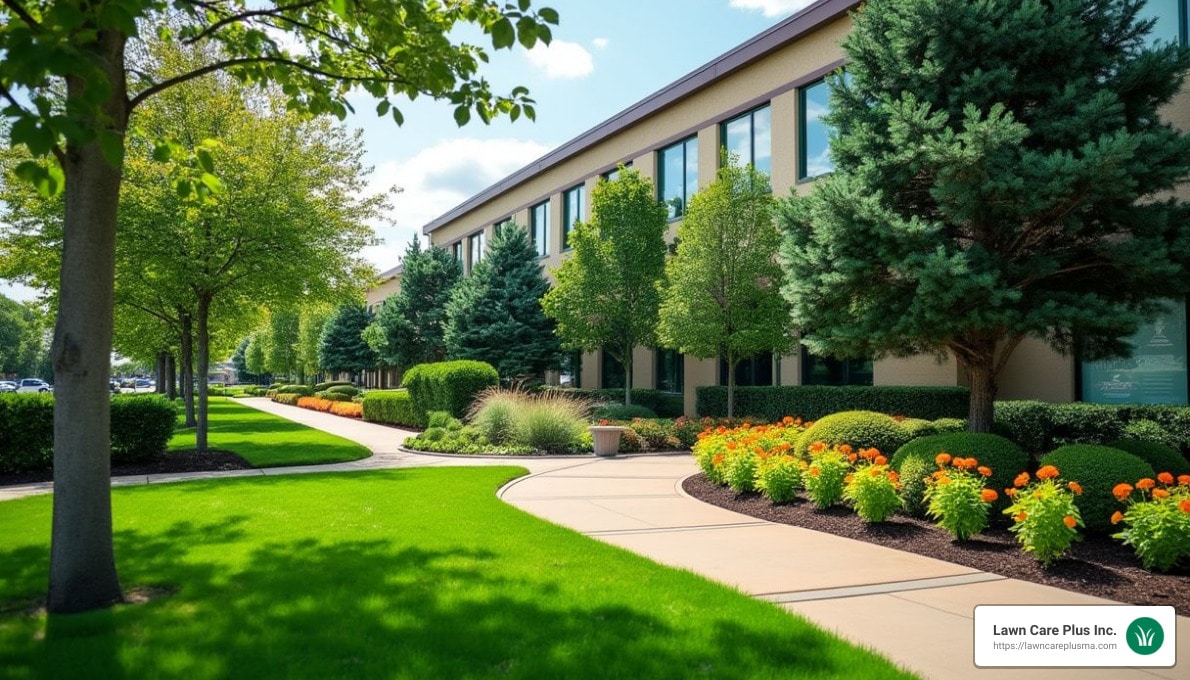
Commercial landscape design is all about changing outdoor spaces into inviting, functional, and visually appealing environments. Whether you’re a business owner or manage a commercial property, the design of your landscape sends a powerful message to your customers. It can convey your brand’s personality, make clients feel welcome, and even direct foot traffic effectively.
- What is Commercial Landscape Design?
- Creating beautiful, functional outdoor spaces.
- Enhancing business appeal and customer experience.
- Using plants, pathways, lighting, and more.
In today’s world, where first impressions matter so much, having a well-designed landscape can set your business apart and create lasting impressions. By integrating elements like Zen gardens for tranquility or vibrant flowers for energy, commercial landscape design can reflect what your business stands for.
Get ready to explore how strategic outdoor design can not only lift the look of a property but also improve its functionality and sustainability.
Commercial landscape design vocab to learn:
– commercial lawn care contracts
– commercial lawn care near me
– what is commercial landscaping
Key Elements of Commercial Landscape Design
When it comes to commercial landscape design, understanding the key elements is crucial. These elements work together to create a cohesive and attractive outdoor space. Let’s explore the essential components that make a landscape design successful.
Line
Lines guide the eye and define spaces. In commercial landscapes, lines can be straight, creating a formal and organized look, or curved, offering a more relaxed and natural feel. Walkways, hedges, and rows of trees are examples of how lines are used to direct traffic and focus attention.
Form
Form refers to the shape of plants and structures. It can range from the towering vertical form of a tree to the sprawling horizontal form of ground cover. Choosing the right forms can improve the architectural style of a building and create visual interest.
Texture
Texture adds depth and contrast. It can be smooth, like a neatly trimmed lawn, or rough, like a bark-covered tree. Combining different textures helps create a dynamic landscape. For instance, pairing soft grasses with hard stone walkways can offer a pleasing contrast.
Color
Color is one of the most noticeable elements. It can evoke emotions and set the mood of a space. Bright colors like reds and yellows can energize, while cool blues and greens can calm. Using a color palette that matches your brand can reinforce your business identity.
Scale
Scale ensures that all elements are proportionate to the space. A small garden might be overwhelmed by a large sculpture, while a vast lawn could look empty with only a few small plants. Balancing scale helps create a harmonious and inviting environment.
Balance
Balance is about distributing visual weight evenly. There are two types: symmetrical and asymmetrical. Symmetrical balance involves mirroring elements on either side of a central point, while asymmetrical balance uses different elements to create equilibrium. Both techniques can be effective in creating a pleasing landscape.
Harmony
Harmony ties everything together. It means all elements work together to create a unified look. This can be achieved by repeating similar plants, using consistent materials, or sticking to a cohesive color scheme. Harmony ensures that the landscape feels complete and intentional.
By thoughtfully incorporating these elements, you can create a landscape that not only looks great but also functions well. Whether you’re aiming for a serene oasis or a vibrant gathering space, understanding these key components is the first step toward achieving your design goals.
Benefits of Professional Commercial Landscape Design
Commercial landscape design isn’t just about aesthetics; it’s a strategic tool that can benefit your business in multiple ways. Here’s how:
Conveying the Right Message
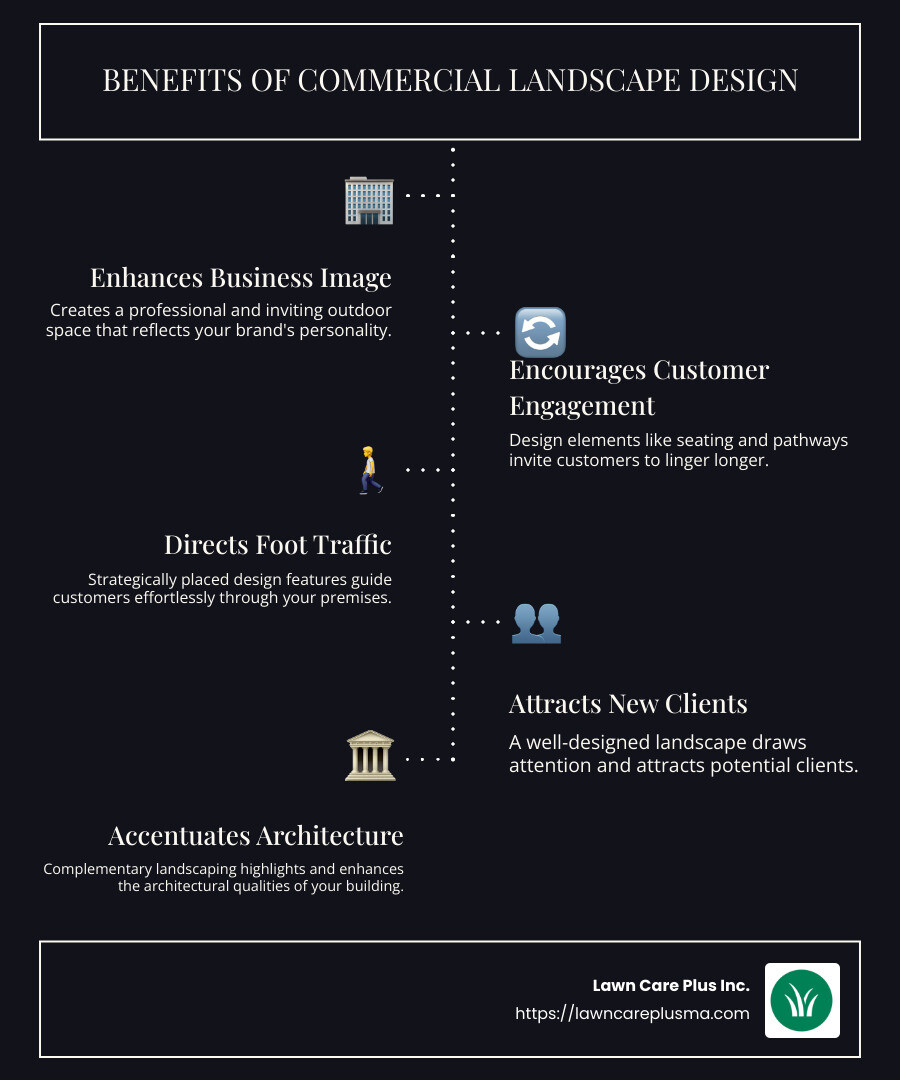
Your landscape is an extension of your brand. It can communicate who you are and what you stand for. Imagine a healthcare facility with a Zen garden, conveying peace and healing, or a tech company with minimalist, geometric plant designs, signaling innovation and forward-thinking. The right landscape elements can speak volumes about your business identity.
Engaging Customers
A well-designed landscape invites people to linger. Adding benches, shade, and trees creates comfortable spots for relaxation. During the pandemic, outdoor areas became essential for safe gatherings. Businesses with inviting outdoor spaces saw an increase in customer engagement as people sought fresh air and greenery.
Directing Traffic
Landscaping can guide visitors effortlessly to your entrance. Pathways lined with shrubs or trees not only direct traffic but also improve the visual appeal. Highlighting entry points with plants and lighting ensures that guests find their way easily, improving their overall experience.
Attracting Clients
An attractive landscape draws people in. Vibrant flowers or unique water features can catch the eye of passersby and make them curious about what lies beyond. Conversely, poorly maintained landscapes can deter potential clients, as they reflect negatively on your business’s attention to detail.
Accentuating Architecture
Landscaping can highlight the architectural features of your building. Strategic use of color and texture can add drama to entrances, while lines of trees can frame and accentuate the structure. This synergy between building and landscape creates a cohesive and impressive look.
Conserving Resources
Thoughtful landscape design can also lead to energy savings. Trees providing shade can reduce cooling costs in summer, while evergreens can block harsh winds in winter. Incorporating green roofs and drought-resistant plants can further improve sustainability, reducing water usage and energy consumption.
By leveraging these benefits, businesses can create landscapes that are not only beautiful but also functional and aligned with their goals. Whether it’s enhancing brand image, engaging customers, or conserving resources, professional landscape design is a smart investment.
10 Fantastic Commercial Landscaping Ideas
Use Planters To Highlight Your Business Entrance
First impressions matter. Planters at your business entrance can create a welcoming vibe. Imagine walking up to a building framed by vibrant flowering shrubs or sleek, modern trees. This simple touch can set your business apart and make it more inviting to both clients and employees.
Line Property Pathways
Guide your visitors with pathways lined with lush plants. This not only directs traffic but also sets a relaxed and happy mood. Whether you choose green bushes, small trees, or oversized plants in containers, pathways can transform the journey to your building into an experience.
Add Benches, Shade, And Trees
Outdoor seating areas are more than just a trend—they’re a necessity, especially post-pandemic. Adding benches, shade, and trees can make your space a go-to spot for relaxation. Tall trees provide natural shade and help with cooling costs in summer. A seating area is also a great place for customers to enjoy fresh air.
Spruce Up Your Parking Lots
Don’t overlook your parking lot. By adding flowering pots, you can transform this humble space into an inviting area. Bright colors can attract people and make a simple parking lot feel more welcoming. Plus, using outdoor planters ensures a stylish look all year round.
Add Outdoor Lighting
Lighting can dramatically improve your property’s ambiance and curb appeal. It highlights pathways, entrances, and architectural features, making your property safer and more inviting at night. Consider using LED lights for energy efficiency and a modern look.
Create A Water Feature
A water feature can be a stunning focal point. Whether it’s a small fountain or a larger installation, water elements add beauty and serenity. They can draw attention and create a peaceful atmosphere, inviting people to linger longer.
Shrub Up Your Building Windows
Planter boxes on windows offer minimal maintenance while adding a touch of greenery. They can soften the building’s look and provide a natural frame, enhancing the overall aesthetic without much effort.
Set Up An Inviting Lawn
Lawns and gardens are not just for aesthetics; they can boost employee morale too. A well-maintained lawn provides a place for employees to relax and recharge. It can also serve as a venue for outdoor events or meetings.
Use Planters To Create Hedges And Dividers
Create hedges and dividers using planters for privacy and structure. These can separate different areas of your property without the need for permanent walls. They offer flexibility and can be rearranged as needed.
Promote Your Brand
Your landscape can be a powerful branding tool. Use planters, umbrellas, and benches in your brand’s colors to reinforce your identity. This subtle branding can make a lasting impression on visitors and clients, aligning your outdoor space with your company’s image.
Principles of Effective Commercial Landscape Design
Creating a successful commercial landscape design involves more than just planting trees and shrubs. It’s a blend of art and science, requiring a balance between aesthetics, functionality, sustainability, and maintenance.
Aesthetic Appeal
The first impression of your business often comes from its exterior. A well-designed landscape should improve the beauty of your building and reflect your brand’s identity. Use colors, textures, and forms to create a visually appealing environment. For example, incorporating vibrant flowers or sleek, modern plants can convey a message of professionalism or innovation.
Functionality
Beyond beauty, your landscape must serve a purpose. Think about how people interact with your space. Do you need clear pathways to direct foot traffic? Are there areas for employees or customers to sit and relax? Adding benches, shade, and trees can turn your outdoor space into a functional extension of your business.
Sustainability
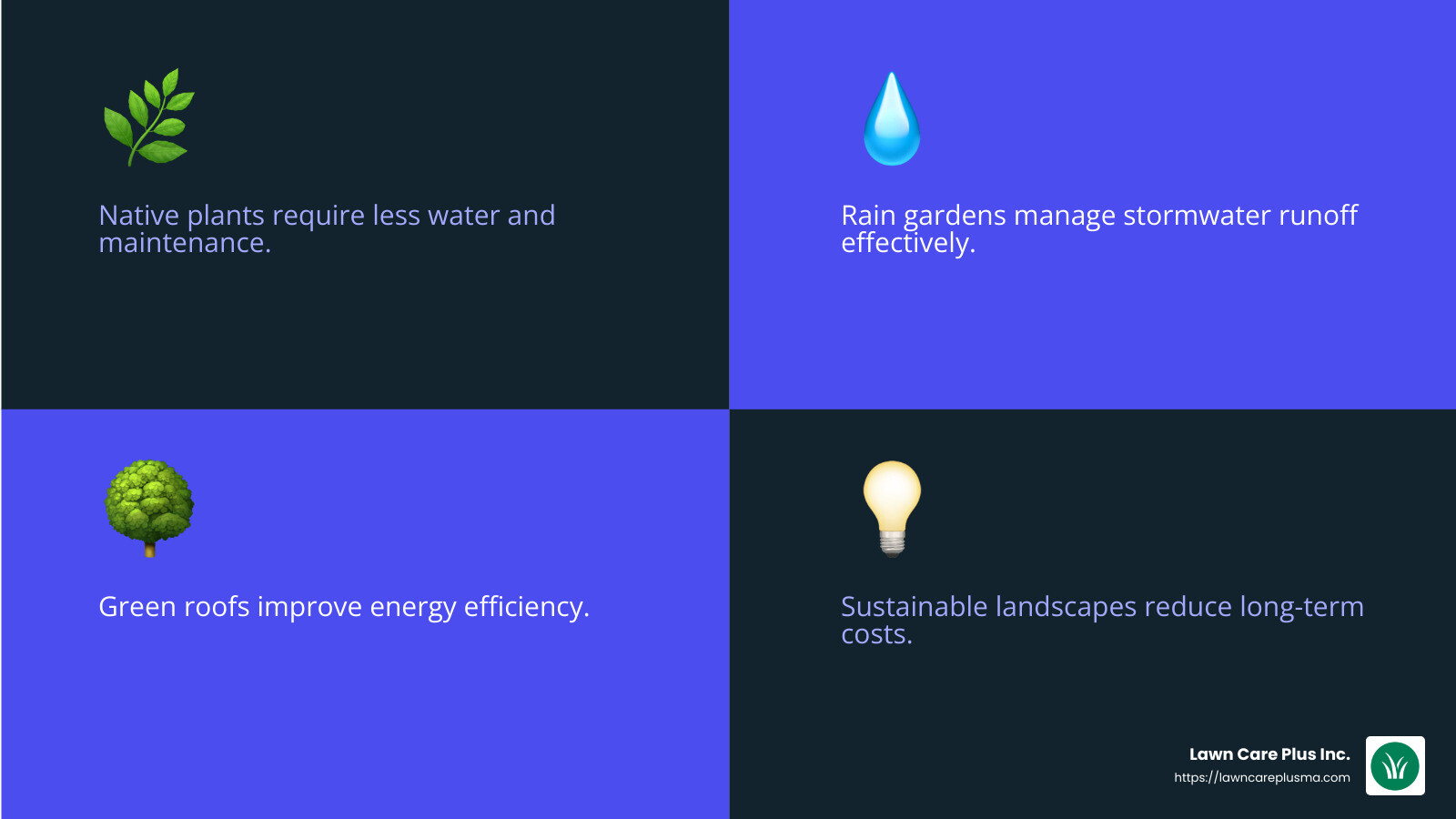
Sustainability is key in modern landscape design. Use native plants that thrive in your local climate to reduce water and maintenance needs. Consider green roofs or rain gardens to manage stormwater runoff and improve energy efficiency. These choices not only benefit the environment but can also reduce long-term costs.
Maintenance
A beautiful landscape requires regular upkeep. When planning your design, consider the level of maintenance required. Some plants need frequent care, while others are more self-sufficient. Opt for a low-maintenance design if your resources are limited, or consider hiring professionals to keep your landscape looking its best year-round.
Maturity
Finally, think about how your landscape will look as it matures. Trees and shrubs grow over time, and their placement and size should be planned accordingly. A design that looks great today should also be functional and attractive in the future. Consider the mature size of plants to ensure they don’t overcrowd or overshadow key areas of your property.
By focusing on these principles, you can create a commercial landscape design that is not only beautiful but also functional, sustainable, and easy to maintain. These elements work together to make your outdoor space a valuable asset to your business.
How to Start a Commercial Landscaping Project
Starting a commercial landscaping project can seem overwhelming, but breaking it down into key stages makes it manageable. Here’s a simple guide to help you get started.
Planning
Begin with a clear plan. Assess your needs and goals. Ask yourself: What do you want to achieve with your landscape? Do you need to improve curb appeal, provide outdoor seating, or direct foot traffic? Understanding your objectives will guide your design choices.
Consider your budget and timeline. Knowing how much you can spend and when you need the project completed will help you make informed decisions.
Design
Next, focus on the design. This is where creativity meets practicality. Use the principles of effective commercial landscape design—like balance, harmony, and scale—to create a space that is both beautiful and functional.
Incorporate elements like pathways, planters, and water features to improve the visual appeal and utility of your space. Design is not just about aesthetics; it should also serve a purpose.
Implementation
Once you have a design, it’s time to implement it. This involves sourcing materials, hiring contractors, and scheduling the work. Coordination is key. Ensure that everyone involved understands the plan and timeline.
Pro tip: Use textured materials for pathways to improve traction and safety. Add lighting along pathways for visibility at night.
Maintenance
A landscape is not a one-time project; it requires ongoing care. Consider the maintenance needs of your design. Some plants and features require more attention than others.
You might opt for a low-maintenance design or establish a maintenance schedule to keep your landscape looking its best. Hiring professionals for regular upkeep can be a wise investment.
Professional Help
Don’t hesitate to seek professional help. Landscape architects and designers bring expertise and experience to your project. They can help you steer challenges and ensure that your design is both beautiful and practical.
Working with professionals can save you time and money in the long run. They can provide valuable insights into sustainable practices and help you choose the right plants and materials for your climate and soil.
By following these steps, you can start a commercial landscaping project that improves your business’s exterior and creates a welcoming environment for clients and employees alike.
Frequently Asked Questions about Commercial Landscape Design
What are the 5 basic elements of landscape design?
Line, form, texture, color, and scale are the foundational elements of landscape design, each playing a crucial role in creating visually appealing and functional outdoor spaces.
- Line: Lines guide the eye and direct movement through a landscape. They can be straight, creating a formal look, or curved for a more relaxed feel.
- Form: This refers to the shape and structure of landscape features, such as trees, shrubs, and pathways. Different forms can evoke various emotions and set the tone for the space.
- Texture: Texture adds depth and interest to a landscape. It can be smooth, like a manicured lawn, or rough, like a stone pathway. Mixing textures creates contrast and visual excitement.
- Color: Color is used to create mood and highlight features. Warm colors like reds and oranges can make spaces feel lively, while cool colors like blues and greens evoke calmness.
- Scale: Scale ensures that all elements of the landscape are proportionate to each other and the surrounding environment. Proper scale keeps the design cohesive and balanced.
Is landscape design lucrative?
Landscape design can be a lucrative career, especially in regions like California, where the demand for outdoor spaces is high. According to industry data, landscape architects in California can earn a substantial salary, often exceeding national averages due to the state’s emphasis on outdoor living spaces and sustainable design.
The profitability of a career in landscape design also depends on factors such as experience, specialization, and market demand. Those with advanced skills and a reputation for innovative design can command higher fees and attract prestigious projects.
Why is landscape design so expensive?
The cost of landscape design can be attributed to several factors, primarily the specialized skills and customization involved in creating unique outdoor spaces.
- Specialized Skills: Landscape design requires a deep understanding of horticulture, architecture, and environmental science. Designers must balance aesthetics with functionality and sustainability, which demands expertise and experience.
- Customization: Each landscape project is custom to the client’s specific needs and site conditions. This customization involves detailed planning, sourcing unique materials, and sometimes overcoming challenging site constraints, all of which contribute to higher costs.
Investing in professional landscape design not only improves the beauty and functionality of a space but also adds value to the property, making it a worthwhile investment for many businesses.
Conclusion
At Lawn Care Plus Inc., we understand that a well-designed landscape is more than just an outdoor space; it’s an extension of your business’s identity. Our comprehensive services in the Boston Metro-West area are custom to meet the unique needs of commercial properties.
Our experienced team specializes in changing ordinary spaces into extraordinary landscapes. From lawn maintenance and landscape installations to intricate hardscaping projects like patios and walkways, we cover it all. Our expertise ensures that every element, from planters to water features, is thoughtfully integrated to improve both aesthetics and functionality.
We pride ourselves on delivering exceptional results that not only beautify but also improve the functionality and sustainability of your property. Whether you’re looking to convey a specific brand message or create inviting outdoor areas for clients and employees, our team is here to bring your vision to life.
For businesses in the Boston Metro-West area, partnering with Lawn Care Plus Inc. means investing in a landscape that reflects your values and improves your brand. Find how our commercial property maintenance services can lift your business environment today.
With our commitment to quality and sustainability, you can trust us to create landscapes that not only meet but exceed your expectations. Let us help you make a lasting impression with a landscape that speaks volumes about your business.