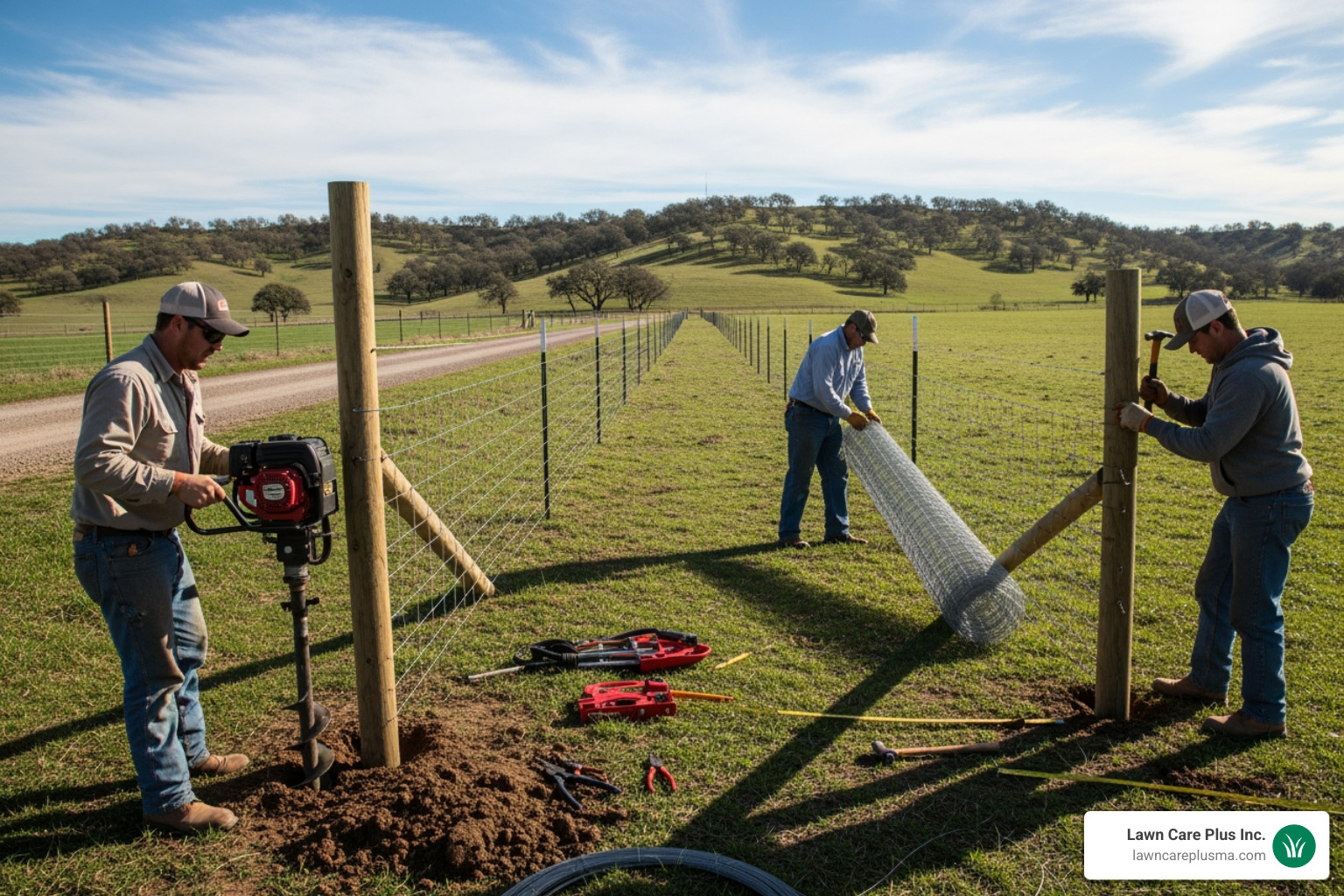
Why Finding the Right Agricultural Fence Installer Matters
Agricultural fence installers near me are professionals who specialize in building and maintaining fences designed for farms, ranches, and rural properties. Here’s how to find quality installers in your area:
Quick Guide to Finding Agricultural Fence Installers:
- Search manufacturer directories – Programs like Red Brand’s Certified Fence Installer (CFI) network pre-screen installers for experience and workmanship
- Verify credentials – Look for proper licensing, insurance, and specialized agricultural certifications
- Check experience – Seek installers with proven track records in agricultural projects, not just residential fencing
- Request detailed quotes – Get written estimates that include materials, labor, timeline, and warranty information
- Ask for references – Review past projects and speak with previous agricultural clients
Good fences truly do make good neighbors—and good farms too. Whether you’re protecting livestock, securing crops, or establishing clear property boundaries, agricultural fencing is a significant investment that requires professional expertise. The right fence, installed correctly, can last decades and provide peace of mind. The wrong installer can cost you time, money, and headaches.
The challenge lies in identifying skilled professionals who understand agricultural needs. Unlike residential fencing, agricultural installations must withstand livestock pressure, varying terrain, and the unique demands of farm operations. Finding installers who combine technical knowledge with quality materials isn’t always straightforward.
This guide will walk you through the essential steps to locate and vet top-tier agricultural fence installers in your local area. I’m Tim DiAngelis, owner of Lawn Care Plus Inc., and while our team primarily focuses on landscaping and hardscaping throughout Greater Boston and Metro-West, we understand the importance of finding specialized contractors for specific needs like agricultural fence installers near me. Through working alongside various trades and property professionals, I’ve learned what separates quality installers from the rest.
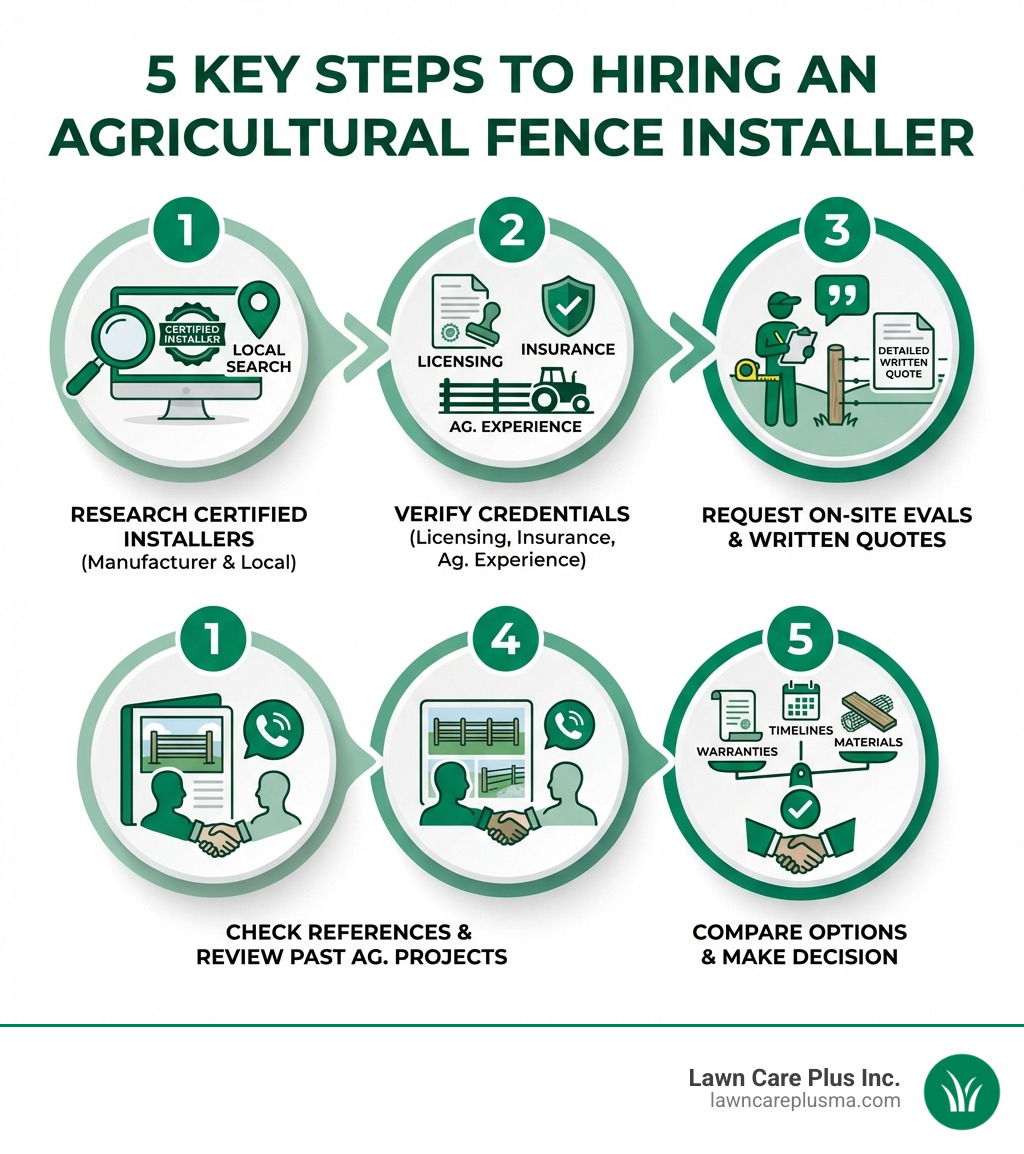
Agricultural fence installers near me vocabulary:
What to Look for in a Quality Agricultural Fence Installer
When starting on a significant project like installing an agricultural fence, the installer you choose is as crucial as the materials themselves. Here’s what we look for in top-tier agricultural fence installers near me in Massachusetts.
Professional Certifications
One of the first indicators of a qualified installer is their professional certifications. The Red Brand Certified Fence Installer (CFI) Program, for instance, is designed to connect property owners with qualified installers. Each participating CFI company undergoes a rigorous screening process, evaluating their experience, fence knowledge, and overall credibility. This ensures they meet Red Brand’s high criteria for excellence and workmanship. Choosing a certified installer means you’re selecting a professional who has demonstrated a commitment to industry standards and best practices. It’s about knowing that your investment is in capable hands, ensuring the fence works properly and lasts a long time. For an example of proper installation techniques, you can see this video.
Experience and Specialization
Experience truly matters in agricultural fencing. We recommend seeking installers with a proven track record, especially those with several years in the business focusing specifically on agricultural projects. An installer with over a decade of industry experience, for example, will have a deep understanding of various fencing needs. An installer who specializes in agricultural fencing will possess nuanced knowledge of how different fence types interact with livestock, crops, and the unique challenges presented by terrain and climate in areas like the Boston Metro-West. Their expertise extends to handling varied land conditions, ensuring the fence is not just built, but built right for its specific purpose. You can view our diverse landscaping and hardscaping projects in our project gallery.
Insurance and Licensing
Never overlook the fundamentals: proper insurance and licensing. Any reputable contractor, including agricultural fence installers near me, should provide proof of liability insurance and worker’s compensation. This protects both you and the workers on your property should any unforeseen incidents occur during the installation process. It’s a non-negotiable safeguard that speaks volumes about the professionalism and responsibility of the installer.
Materials and Suppliers
The longevity and effectiveness of your agricultural fence depend heavily on the quality of materials used. A top-notch installer will prioritize high-quality, durable materials that are appropriate for the specific agricultural application. For instance, if you’re considering wood options, understanding the benefits of different types, such as cedar, is crucial. You can learn about cedar fence options to see if it’s the right fit for your needs. Furthermore, reputable installers often work directly with manufacturers or trusted suppliers, ensuring the materials meet stringent standards and come with reliable product warranties. A robust warranty, often 10 years for materials and workmanship from some companies, provides added peace of mind for your fencing investment.
A Guide to Finding Agricultural Fence Installers Near Me
Finding the right agricultural fence installers near me in Massachusetts requires a systematic approach. It’s not just about picking the first name you find; it’s about making an informed decision that will serve your property for years to come.

Search Methods
Start your search using a combination of methods:
- Manufacturer Directories: Programs like the Red Brand Certified Fence Installer (CFI) network offer a vetted list of professionals. By entering your zip code and desired search radius, you can find installers who meet specific quality criteria.
- Online Search Engines: A simple search for “agricultural fence installers near me” will yield local results. However, remember to filter these results based on the criteria we’ve already discussed.
- Local Community Forums and Recommendations: Ask fellow farmers, ranchers, or property owners in Belmont, Brookline, Newton, or any of our service areas in Massachusetts for their recommendations. Word-of-mouth can often lead to highly reliable and experienced local professionals.
The Quoting Process
Once you have a shortlist of potential installers, the quoting process begins. This should always involve:
- Initial Consultation: A professional installer will want to discuss your needs, the purpose of the fence (livestock, crops, boundary), and any specific concerns you have.
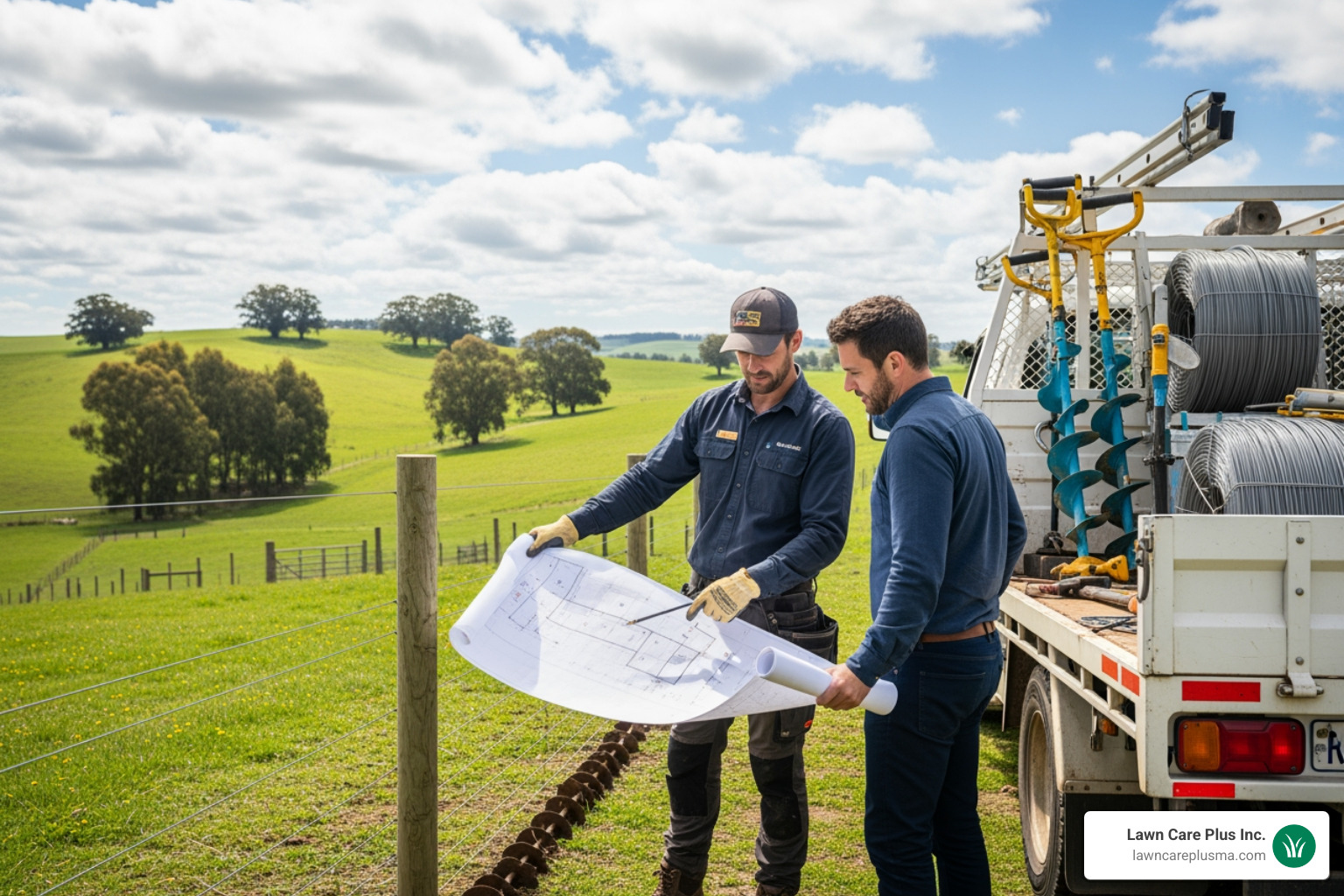
- On-site Evaluation: This is critical. The installer should visit your property to assess the terrain, soil conditions, and any potential challenges unique to your site. For instance, in our Massachusetts service areas, varying soil types and slopes can significantly impact installation.
- Detailed Written Estimates: A comprehensive quote should clearly outline all costs, including materials, labor, and any additional services. It should also specify the type of fence, its length, height, and the projected timeline for completion.
How to get a quote from agricultural fence installers near me
When reaching out for a quote, be prepared to provide a clear project scope. This includes:
- Fence Type: Specify if you’re interested in woven wire, high-tensile, board fencing, or another option.
- Length: Provide an approximate linear footage of the fence needed.
- Terrain Details: Inform the installer about any challenging terrain, such as rocky areas, steep slopes, or wetlands on your property in Massachusetts. These details help them provide a more accurate estimate. For more on our general fence installation services, visit More about our fence installation services.
When receiving quotes, don’t hesitate to ask pertinent questions:
- Timeline: How long will the installation take from start to finish?
- Payment Schedule: What are the payment terms (e.g., deposit, progress payments, final payment)?
- Cleanup Process: What is their plan for site cleanup and debris removal once the project is complete?
What to ask potential agricultural fence installers near me
To ensure you’re making the best choice, we recommend asking for:
- Portfolio Examples: Request to see photos or, if possible, visit sites where they have completed similar agricultural fencing projects. This gives you a tangible sense of their quality and style.
- Customer References: A reputable installer will gladly provide references from past clients, especially those with agricultural properties. Contact these references to inquire about their experience with the installer’s communication, professionalism, quality of work, and adherence to timelines and budgets.
- Warranty Information: Clarify what warranties are offered on both materials and labor. As mentioned, some companies offer comprehensive 10-year warranties that provide significant protection for your investment.
Finding a reliable fence company in our Massachusetts service areas means partnering with professionals who stand by their work.
Understanding Agricultural Fencing Types and Installation Quality
Choosing the right type of agricultural fence and ensuring its proper installation are paramount for the safety of your livestock, the protection of your crops, and the overall functionality of your property.
Common Fence Types
The world of agricultural fencing offers diverse options, each suited for specific needs:
- Woven Wire: Excellent for containing smaller livestock like sheep and goats, and also effective for keeping out predators. Its tightly spaced wires prevent animals from pushing through or getting tangled.
- Barbed Wire: A traditional and economical choice, primarily used for cattle containment and as a deterrent for trespassers. Its sharp barbs are effective in discouraging animals from leaning on or attempting to cross the fence line.
- High-Tensile: Known for its strength and durability, high-tensile fencing can be electrified to improve its effectiveness for various livestock, including cattle and horses. It’s also adaptable for wildlife exclusion. For horse fencing, you might find this video useful.
- Board Fencing: Often chosen for horses due to its visibility and aesthetic appeal, board fencing minimizes the risk of injury from mess. It provides a robust physical barrier and can significantly improve the appearance and value of your property. For different types of animal containment solutions, including those for pets, explore our pet containment solutions.
The Hallmarks of a Quality Installation
A quality installation is what truly transforms a collection of materials into a lasting and effective barrier. The key elements include:
- Proper Post Depth: Posts must be set deep enough to withstand pressure from livestock, weather conditions, and the tension of the wires. In areas like Massachusetts with seasonal frost, adequate depth is crucial to prevent frost heave.
- Secure Bracing: Corners and gate posts require robust bracing to counteract the immense tension applied to the fence lines. Without proper bracing, fences can sag and lose effectiveness over time.
- Correct Wire Tensioning: Wires must be pulled taut but not over-stressed. Correct tension ensures the fence remains effective and durable, preventing sagging and minimizing the risk of animals pushing through.
- Gate Functionality: Gates are often the most used part of a fence and must be installed to operate smoothly, latch securely, and withstand repeated use without sagging or misalignment.
The Synergy of Quality Products and Expert Installation
The combination of high-quality products and expert installation creates a fence that is truly built to last. When agricultural fence installers near me use superior materials and apply their expertise in installation techniques, they are maximizing the fence’s lifespan and protecting your significant investment. This synergy ensures that your fence will not only perform its intended function day in and day out but also require less maintenance and fewer repairs over its lifetime, saving you time and money in the long run.
Frequently Asked Questions About Agricultural Fencing
We often hear common questions about agricultural fencing. Here are some answers to help you steer your project.
How much does agricultural fencing cost?
The cost of agricultural fencing can vary widely based on several factors, including the type of fence, the terrain of your property, and local labor rates. These are average costs based on internet data and not actual costs for Lawn Care Plus Inc.
Based on industry data, general fence repairs can range from approximately $50 to well over $1,400, with many homeowners reporting an average of about $250. For new installations, here’s a broader look:
- Wood Fence Installation: The national average for wood fence installation is around $3,250. However, depending on the wood type (e.g., pressure-treated pine vs. cedar), height, and complexity, costs can range from $15-$17 per linear foot for a 6-foot pressure-treated pine fence, up to $18-$25 per linear foot for cedar, and potentially much higher for specialized woods or designs. Expect total project costs for a full property to be well over $10,000.
- Chain-Link Fence Installation: The national average is approximately $2,750. Galvanized chain-link typically costs around $12 per linear foot, while black powder-coated options might be closer to $15 per linear foot. For larger or industrial-grade chain-link fencing, costs can easily exceed $5,000-$8,000.
These figures illustrate that while an average might seem modest, the high end of pricing can be significantly greater, especially for extensive agricultural projects on challenging terrain.
What is the best type of fence for my livestock?
The “best” fence depends entirely on the type of livestock you need to contain and their specific behaviors.
- Cattle: Barbed wire is a traditional, economical, and effective choice for cattle. High-tensile wire, especially when electrified, is also very efficient for containing larger herds.
- Sheep and Goats: These animals are notorious for testing fences. Woven wire with smaller openings is often recommended as it prevents them from getting their heads caught or pushing through. Electrified strands can be added for extra security.
- Horses: Visibility and safety are key for horses. Board fencing is a popular and safe choice, as horses can easily see it, reducing the risk of collisions or mess. High-tensile wire with a smooth coating (like hotcote wire) is another good option, especially when electrified, as it provides a strong barrier without sharp edges.
For more on custom fencing solutions custom to your specific needs, we encourage you to explore our services.
How long will my new agricultural fence last?
The lifespan of your agricultural fence is influenced by several critical factors:
- Material Quality: High-quality, durable materials designed for outdoor exposure will naturally last longer. For instance, pressure-treated posts and galvanized or coated wires offer better resistance to rot and rust.
- Installation Expertise: A professionally installed fence with proper post depth, secure bracing, and correct tensioning will withstand stress much better than a subpar installation. This is where choosing experienced agricultural fence installers near me truly pays off.
- Maintenance: Regular inspections and timely repairs (e.g., re-tensioning wires, replacing damaged posts) can significantly extend your fence’s life.
- Climate: The harsh New England winters and humid summers in Massachusetts can take a toll on fencing. Materials chosen to withstand these specific conditions will perform better over time.
While it’s difficult to give an exact number, a well-chosen and expertly installed agricultural fence, properly maintained, can easily last 15-30 years, and sometimes even longer, providing a reliable barrier for decades.
Your Next Step to a Secure and Lasting Fence
We’ve covered a lot of ground today, from understanding what makes a quality agricultural fence installer near me to exploring various fence types and addressing common concerns about cost and longevity. A successful agricultural fencing project hinges on three key pillars: diligently vetting your installers, choosing the highest quality materials suitable for your specific needs, and ensuring the installation process is executed with precision and expertise.
A well-built fence is more than just a boundary; it’s a long-term asset that secures your property, protects your livestock and crops, and improves the overall value and functionality of your land. Don’t compromise on this vital investment.
For professional fencing and landscaping services in the Massachusetts area, trust the experts at Lawn Care Plus Inc. We are here to help you make informed decisions for your property. Contact us today to discuss your agricultural fencing needs and get a free estimate!