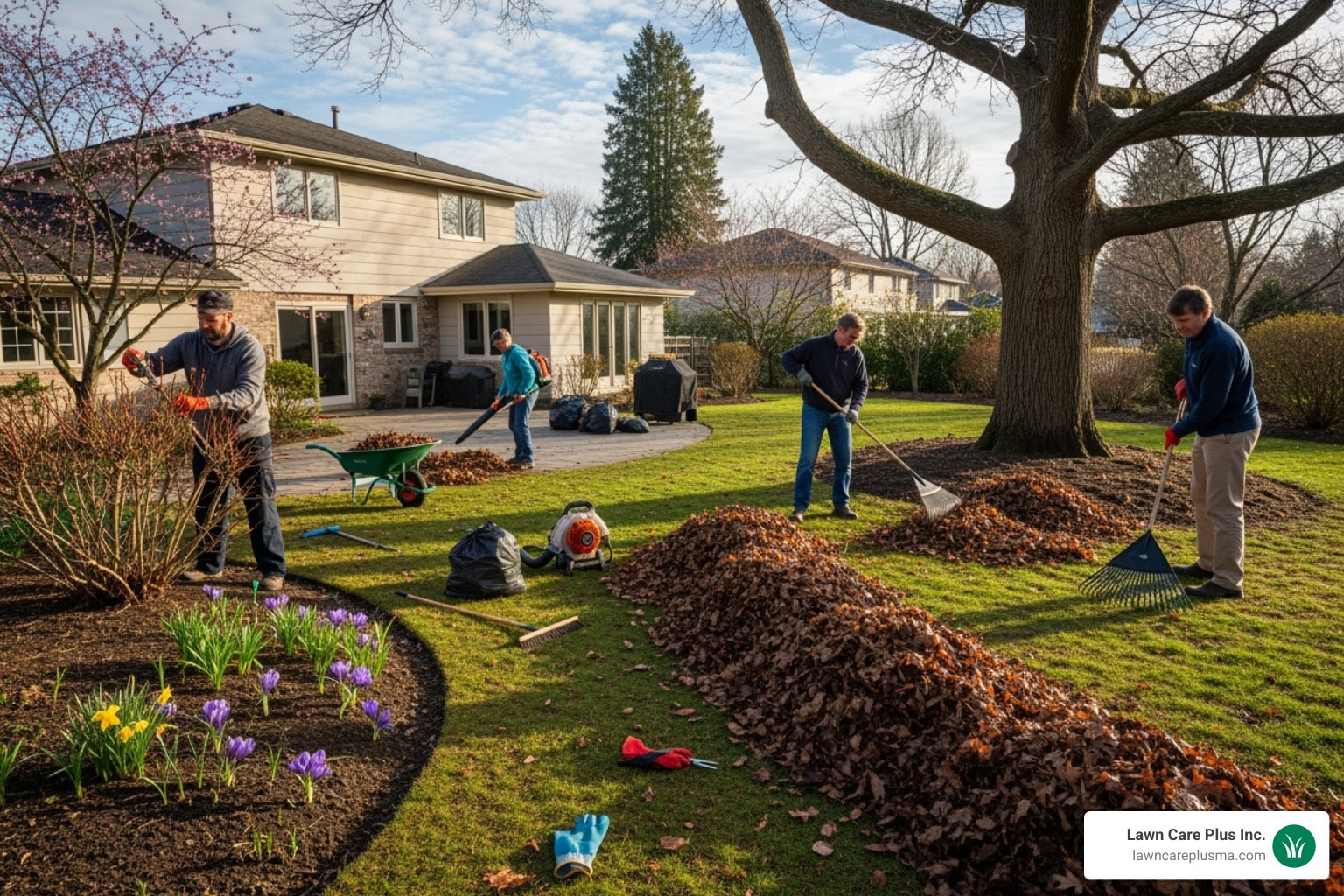
Why Spring Clean Up Landscaping Sets the Foundation for Your Best Yard Yet
Spring clean up landscaping is the essential first step that transforms your winter-weary property into a thriving outdoor space. After months of snow, ice, and dormancy, your yard needs systematic attention to remove debris, revive your lawn, and prepare plants for the growing season ahead.
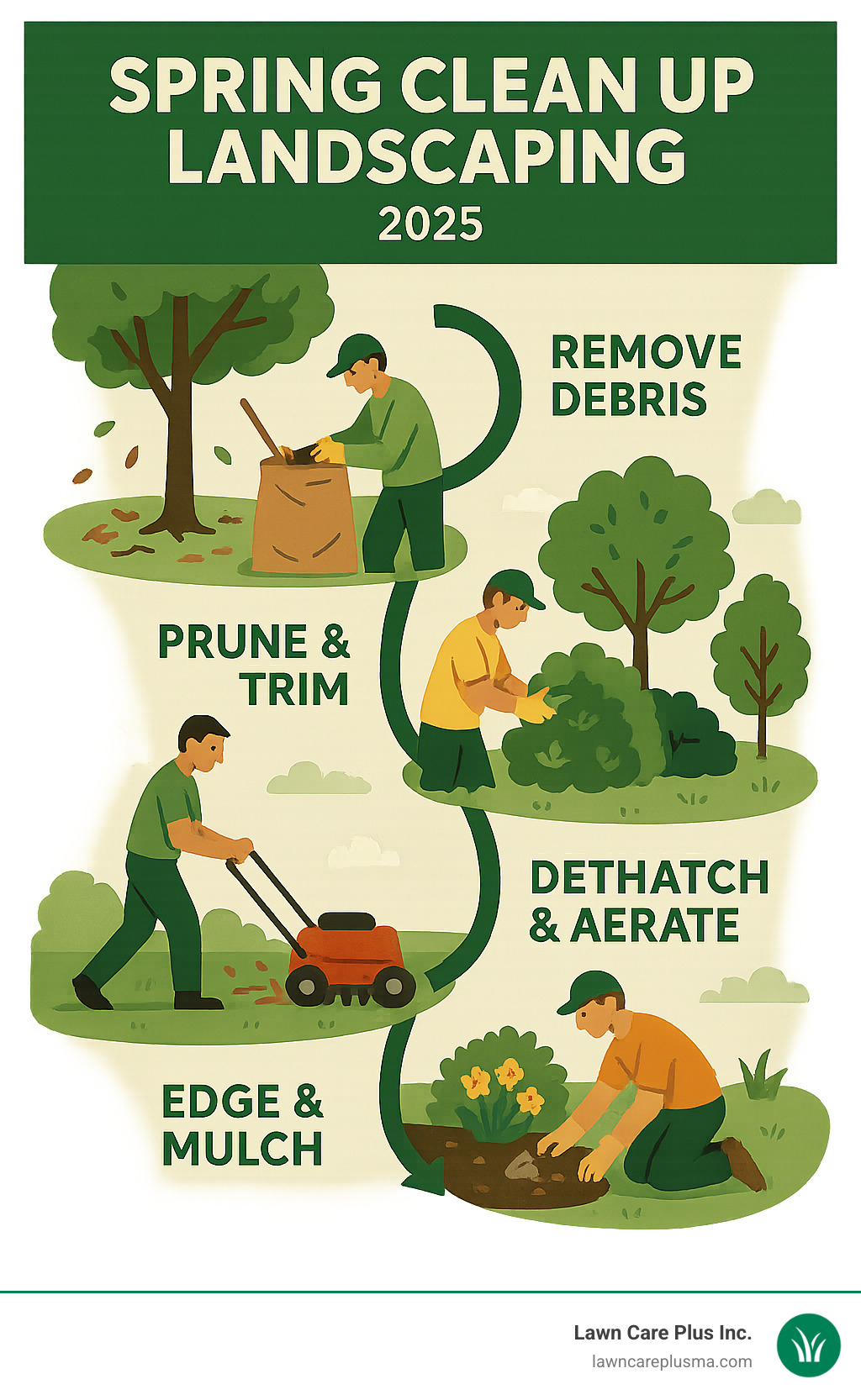
Quick Spring Clean Up Checklist:
- Remove debris – Clear fallen branches, leaves, and winter decorations
- Assess lawn damage – Look for dead patches, compaction, and thatch buildup
- Prune and trim – Cut back dead growth on shrubs and trees
- Dethatch and aerate – Improve soil oxygen and water penetration
- Apply fertilizer – Give grass and plants nutrients for spring growth
- Edge and mulch – Define beds and retain soil moisture
The timing matters more than you might think. Starting too early can damage tender new growth, while waiting too long means missing the narrow window when your yard can bounce back strongest from winter’s toll.
For busy homeowners in the Boston Metro-West area, spring cleanup often feels overwhelming after a long New England winter. The good news? Breaking it down into manageable steps makes the process straightforward – whether you tackle it yourself or bring in professional help.
The payoff is worth it. A proper spring cleanup doesn’t just make your property look better immediately. It creates the foundation for healthier grass, more vibrant flowers, and stronger plants that can better handle summer heat and next winter’s challenges.
Similar topics to spring clean up landscaping:
What is Spring Clean Up Landscaping?
Spring clean up landscaping is like giving your yard a fresh start after a long winter nap. Think of it as your property’s annual spa day – removing all the gunk that built up over the cold months and getting everything ready to look its best again.
After a typical New England winter, your yard has been through a lot. Snow has weighed down branches, ice has created damage you can’t see yet, and months of debris have piled up in corners and flower beds. Spring cleanup tackles all of this systematically, so your outdoor space can bounce back stronger than ever.
The process starts with debris removal – and there’s usually more than you’d expect. We’re talking about clearing away those stubborn leaves that somehow survived your fall cleanup, picking up branches that snapped during winter storms, and removing any holiday decorations that might still be lurking around. This isn’t just about making things look tidy; all that debris can actually smother your grass and create perfect conditions for diseases to take hold.
Next comes lawn maintenance, which is where the magic really happens. Your grass has been dormant for months, and it needs some TLC to wake up properly. This means assessing what winter damage occurred, doing some light raking to remove dead material, and preparing the lawn for more intensive treatments like dethatching and aeration that come later in the season.
Pruning rounds out the core spring cleanup process. Dead and damaged branches aren’t just unsightly – they can actually harm the overall health of your trees and shrubs. Proper pruning at the right time helps plants direct their energy into new, healthy growth instead of trying to support damaged limbs.
At Lawn Care Plus Inc., we’ve been helping homeowners in the Boston Metro-West area tackle spring cleanup for years. Every yard tells a different story after winter, and our experienced team knows how to read those stories. We focus on what your specific property needs to not just look good, but stay healthy all season long.
Essential Steps for a Successful Spring Clean Up
Getting your yard back into shape after a New England winter doesn’t have to feel overwhelming. By breaking down your spring clean up landscaping into these manageable steps, you’ll have your property looking fantastic in no time.
Remove Debris and Decorations
Think of this as giving your yard a fresh start. Winter has a way of turning even the tidiest landscape into nature’s storage unit, and clearing everything out is your first priority.
Leaves are usually the biggest culprit. Even if you did a thorough fall cleanup, winter winds have a sneaky way of blowing more onto your property. Pay special attention to garden beds and the areas under shrubs – those soggy leaf piles can smother your emerging perennials and create the perfect breeding ground for fungal diseases.
Branches and twigs are next on the list. Ice storms and heavy snow loads cause even healthy trees to drop limbs. Walk your entire property and collect everything from tiny twigs to larger branches. If you’ve got some hefty pieces, break out the pruning saw to cut them into manageable chunks for disposal.
Don’t forget about those holiday decorations that somehow got left behind. That forgotten string of lights wrapped around the mailbox or the lawn ornament that got buried under snow – now’s the time to pack them away properly.
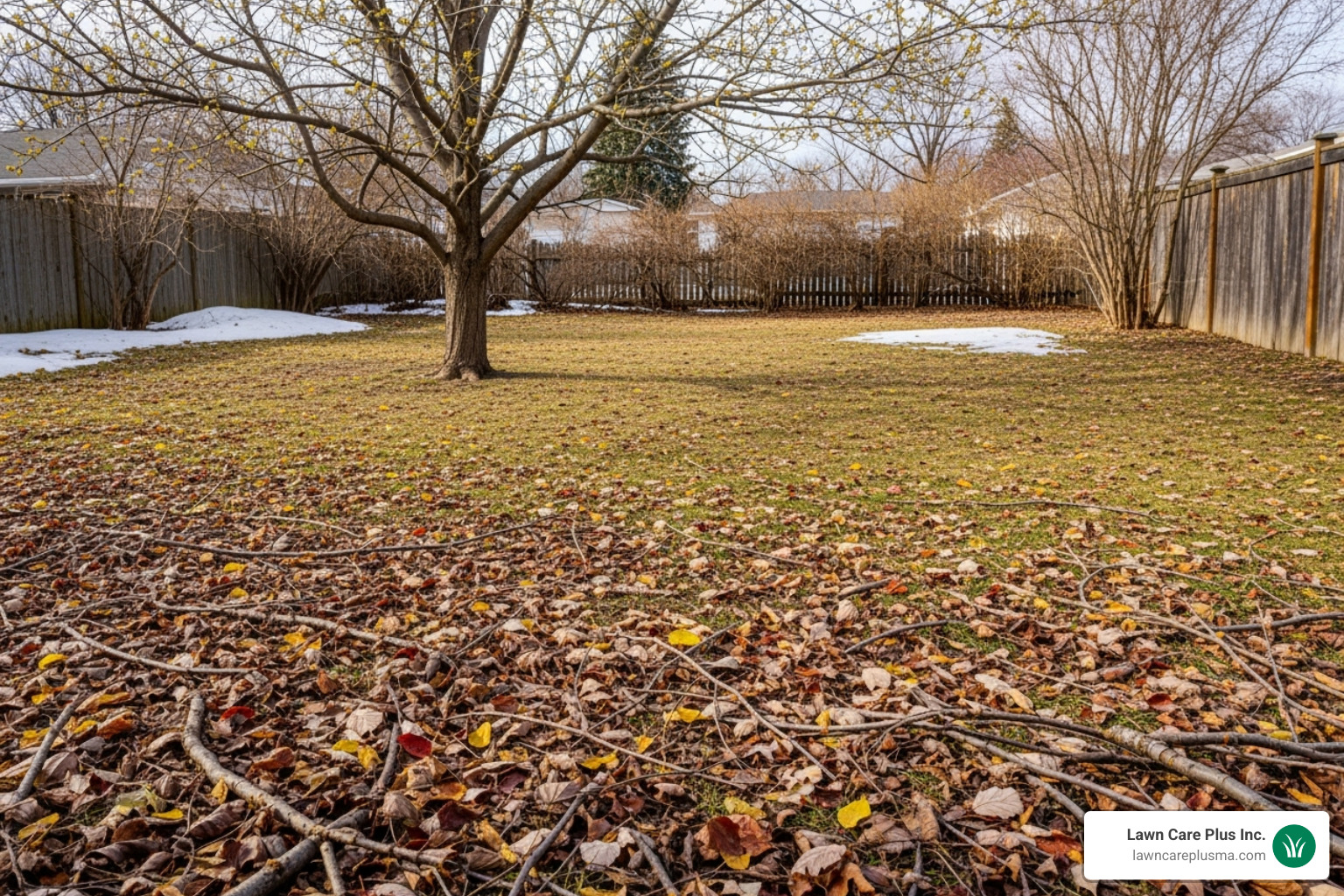
This step isn’t just about making things look neat. Clearing debris allows sunlight to reach your soil, prevents mold and disease from taking hold, and makes every other spring cleanup task much easier to tackle.
Lawn Care and Maintenance
Your lawn has been through a lot these past few months, and spring is when you can really help it bounce back. The key is addressing the hidden problems that winter created beneath the surface.
Dethatching might sound technical, but it’s actually pretty straightforward. That layer of dead grass stems and roots between your soil and green blades is called thatch. When it gets thicker than half an inch, it acts like a barrier, preventing water and nutrients from reaching where they need to go. Use a dethatching rake or power dethatcher to pull up this dead material – your lawn will thank you for it.
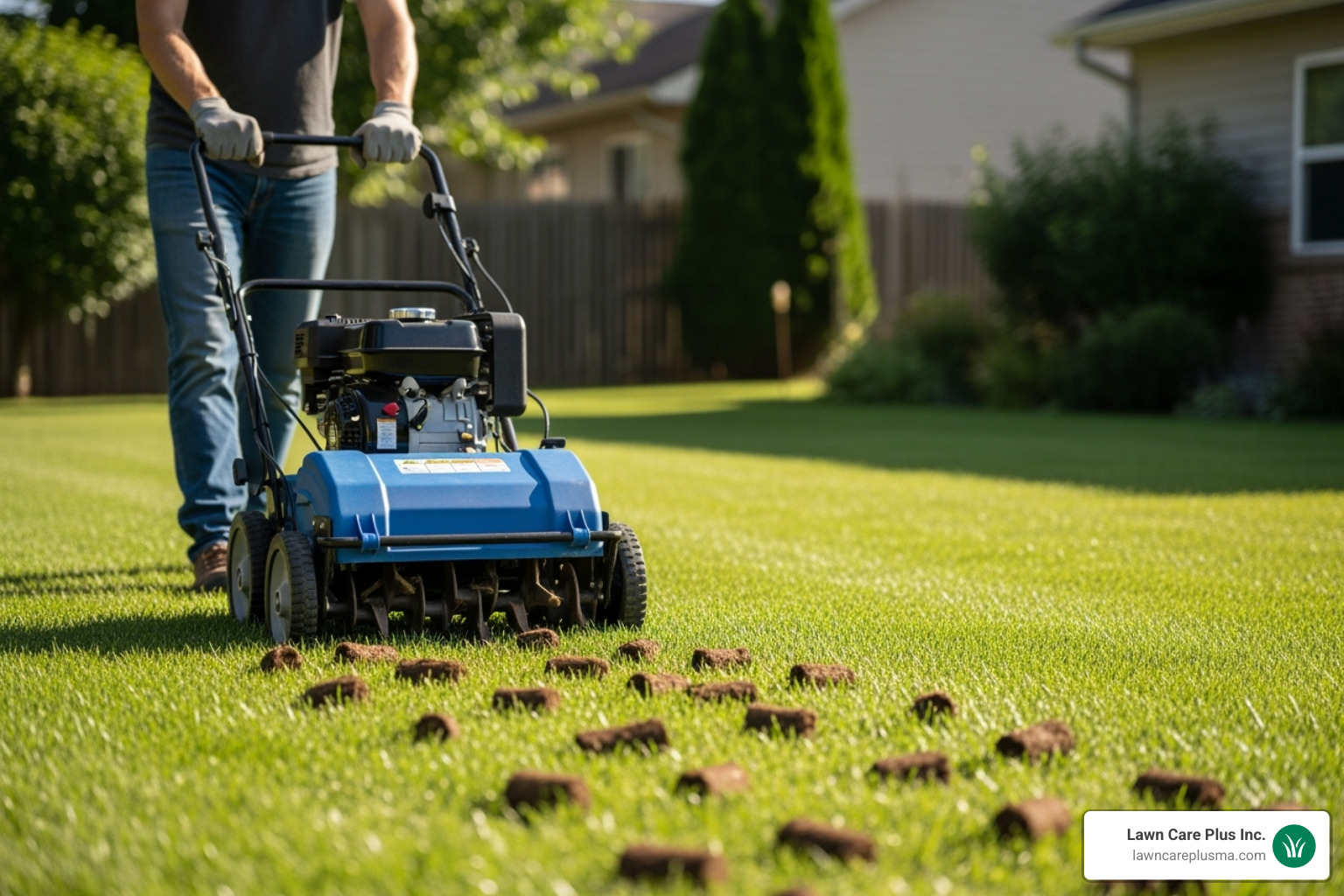
Aeration is where the magic really happens. All that foot traffic, snow weight, and freeze-thaw cycles have compressed your soil into something that resembles concrete. Core aeration creates small holes by actually removing plugs of soil, giving your grass roots room to breathe and grow deeper. Those little soil plugs scattered across your lawn might look messy at first, but they’ll break down naturally and improve your soil.
Fertilizing gives your grass the energy boost it needs for spring growth. Once you’ve cleared debris and opened up the soil, apply a slow-release granular fertilizer. Think of it as breakfast for your lawn – the right mix of nitrogen, phosphorus, and potassium gets everything growing strong and green.
Pruning and Trimming
Smart pruning in spring sets your plants up for a healthy growing season, but timing and technique make all the difference.
For trees, focus on the obvious problems first. Dead, damaged, or diseased branches should come off right away – they’re just inviting trouble. Look for branches that are rubbing against each other too, since those friction points create wounds that pests and diseases love to exploit. If you’re dealing with large branches or anything near power lines, that’s definitely a job for professionals.
Shrubs need a more thoughtful approach. Remove any winter damage and shape them up, but here’s the trick: if your shrubs bloom in spring (like lilacs or forsythia), wait until after they flower to prune them. These plants set their flower buds on last year’s growth, so early spring pruning means you’re cutting off this year’s show.
The secret to good pruning is making clean cuts with sharp tools. Dull pruners tear and crush stems, creating ragged wounds that heal slowly and invite problems. Make your cuts just outside the branch collar or above a healthy bud – this encourages proper healing and directs new growth in the right direction.
Enhancing Your Landscape with Mulch and Edging
Now that you’ve cleared debris and pruned your plants, it’s time for one of the most satisfying parts of spring clean up landscaping – giving your garden beds that polished, professional look with mulch and crisp edging.
Think of mulch installation as giving your plants a cozy blanket that works overtime. When you spread a 2-4 inch layer of quality mulch around your shrubs and in flower beds, you’re solving multiple problems at once. The moisture retention alone can cut your summer watering needs dramatically – your plants will thank you during those inevitable New England dry spells.
But mulch does so much more than just hold water. It acts like a natural weed barrier, blocking sunlight from reaching those pesky weed seeds trying to sprout in your carefully tended beds. Any weeds that do manage to push through will pull out much easier from the soft mulch layer.
Your plant roots will love the temperature regulation too. Mulch keeps soil cooler during blazing summer days and provides insulation when unexpected late frosts threaten tender new growth. Just remember to keep mulch a few inches away from tree trunks and shrub stems – plants need to breathe, and too much mulch right against the bark can cause rot problems.
Edging beds might seem like a small detail, but it’s what separates amateur landscaping from professional-looking results. Clean, defined edges create that satisfying visual boundary between your lawn and garden areas. More practically, good edging prevents grass from creeping into your flower beds and stops mulch from washing onto walkways during heavy rains.
Whether you choose simple plastic edging, neat brick borders, or even just a clean-cut trench edge, the key is consistency. A well-edged bed makes everything look intentional and cared for.
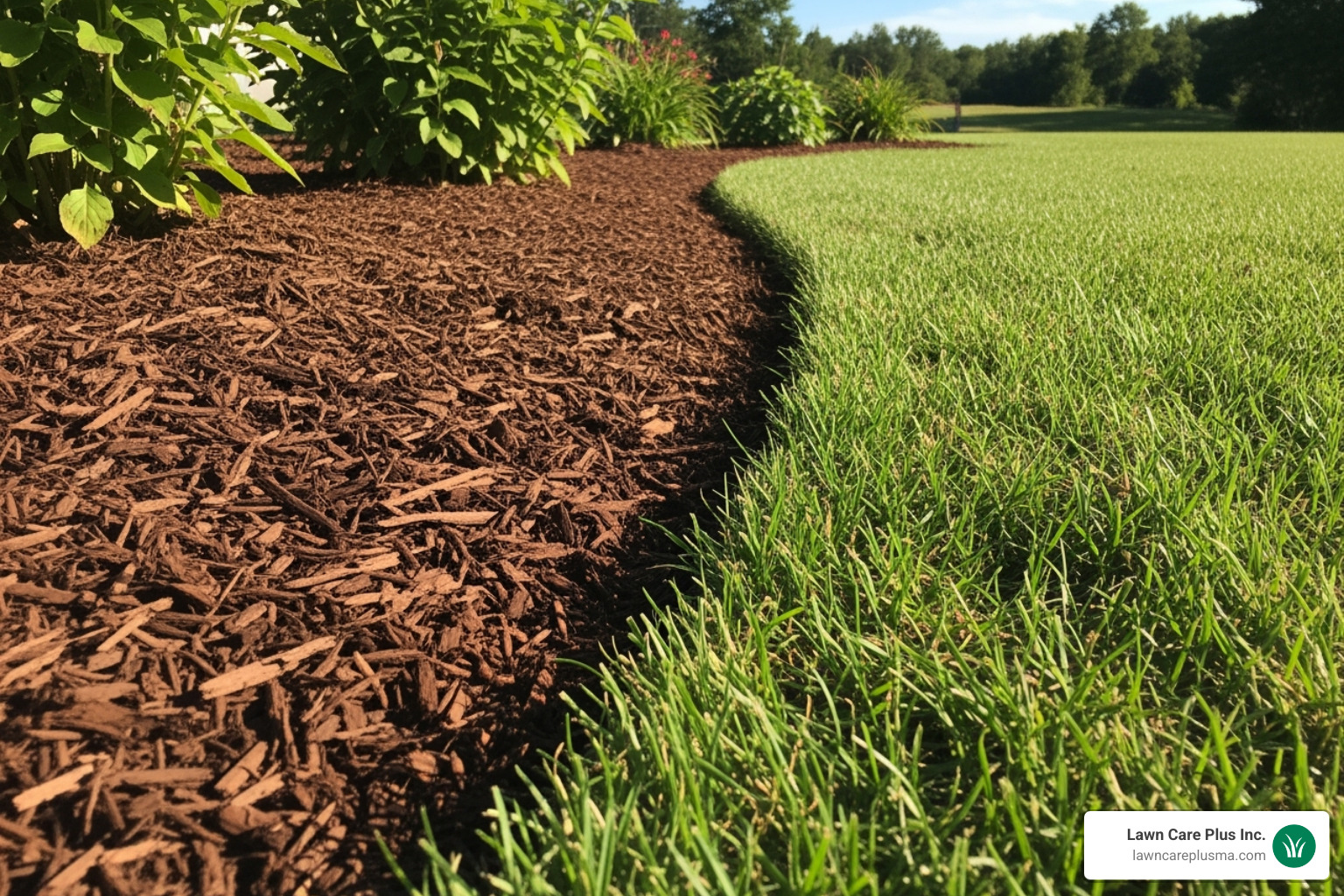
The combination of fresh mulch and sharp edging transforms tired winter beds into showcase landscaping that’ll have your neighbors asking for your secret.
Tools and Techniques for Efficient Yard Cleanup
The difference between a frustrating weekend of yard work and an efficient spring clean up landscaping project often comes down to having the right tools in your shed. Trust me, trying to clear winter debris with the wrong equipment is like trying to eat soup with a fork – technically possible, but why make life harder for yourself?
Rakes are your workhorses for spring cleanup, but not all rakes are created equal. A lightweight leaf rake with flexible tines makes quick work of clearing leaves and light debris from large areas. But you’ll also want a sturdy bow rake (sometimes called a garden rake) with straight, rigid tines for the heavier lifting – leveling soil, spreading mulch, and breaking up those stubborn clumps of matted grass.
When it comes to pruners, sharp is everything. Dull tools don’t just make your job harder; they actually harm your plants by creating ragged cuts that heal slowly and invite disease. Hand pruners handle the detail work on smaller branches and dead growth. For thicker branches up to about two inches, you’ll need loppers with their longer handles for extra leverage. Anything bigger than that calls for a pruning saw or professional help.
Core aerators might sound intimidating, but they’re game-changers for compacted lawns. These machines pull small plugs of soil right out of your grass, giving your lawn room to breathe again. Most homeowners rent them for a day or hire professionals like the team at Lawn Care Plus Inc. to handle the job. For smaller lawns, manual aerators exist, though they’ll give you quite the workout.
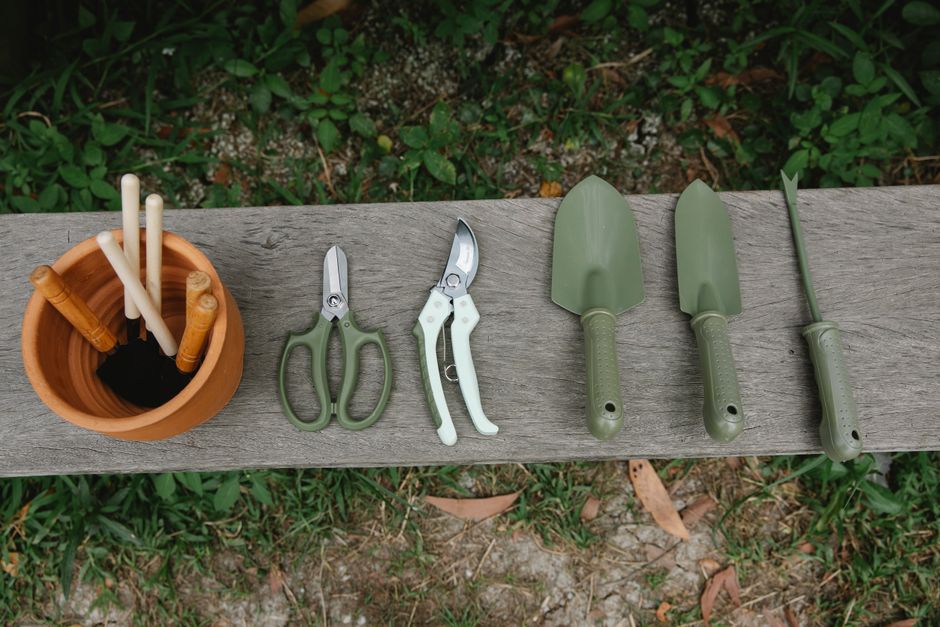
Don’t overlook the basics that make everything easier. A wheelbarrow or large tarp becomes your best friend when you’re moving piles of leaves and branches around the yard. And please, protect yourself with good work gloves and safety glasses – nothing ruins a productive day like thorns in your hands or debris in your eyes.
Technique matters just as much as tools. When raking, use long, smooth strokes rather than short choppy ones – your back will thank you later. For pruning, always cut at a slight angle just above a bud or branch collar to encourage proper healing. And remember the golden rule of heavy lifting: bend those knees, not your back. Your future self will appreciate the care you take today.
Frequently Asked Questions about Spring Clean Up Landscaping
Homeowners across the Boston Metro-West area ask us the same questions every year as winter starts loosening its grip. Here are the answers to help you time your spring clean up landscaping perfectly.
When should I start spring cleaning outside?
The million-dollar question! Getting the timing right for your spring cleanup can mean the difference between a thriving yard and one that struggles all season long.
Temperature is your best guide. Wait for consistent daytime temperatures above 40-50 degrees Fahrenheit before diving into major cleanup work. Here in Massachusetts, that usually means late March through April, depending on how stubborn winter decides to be.
The ground tells its own story too. If it’s still frozen solid or so soggy that you sink with every step, hold off a bit longer. Working on frozen or waterlogged soil can compact it badly, creating problems that’ll haunt your lawn all summer.
Here’s something many homeowners don’t know: those messy leaf piles and plant debris actually shelter beneficial insects through winter. As conservation organizations like the Xerces Society advocate, native bees, butterflies, and other pollinators often overwinter in hollow stems and under leaves. Waiting until temperatures consistently hit 50 degrees gives these helpful creatures time to emerge and start their important work in your garden.
It’s a balancing act between getting a head start and being patient enough to do it right.
How to clean up a lawn in spring?
Your lawn has been through a lot over the winter months. Snow, ice, and those inevitable muddy patches from snowmelt can leave it looking pretty rough around the edges.
Start with the obvious stuff. Rake up any remaining leaves, twigs, and debris that winter left behind. This isn’t just about looks – all that organic matter can smother grass and create perfect conditions for mold and disease.
Take a walk around your property and really look at what winter did. You’ll probably spot some dead patches, areas where the grass looks matted down, or spots that seem harder than concrete from all the foot traffic and snow weight.
Dethatching comes next if you notice a thick layer of dead grass stems between the soil and green blades. A spring-tine rake works wonders for light thatch buildup. For heavier jobs, you might need to bring in the big guns with power dethatching equipment.
Aeration is your lawn’s best friend when the soil feels like a brick. Those small plugs of soil that get pulled up during core aeration create pathways for air, water, and nutrients to reach the roots where they’re needed most.
Once your lawn can breathe again, it’s ready for a nutritional boost with slow-release fertilizer designed for spring application. Think of it as a hearty breakfast to fuel strong growth through the season.
Is spring cleaning still a thing?
You bet it is! Though you might think of spring cleaning as something your grandmother did with her feather duster, the tradition runs much deeper than indoor housekeeping.
Spring cleaning connects us to natural rhythms that humans have followed for thousands of years. It’s about shaking off winter’s heaviness and preparing for the energy and growth that spring brings. Your yard feels this seasonal shift just as much as you do.
Culturally, it’s a fresh start ritual that spans across different societies and traditions. There’s something deeply satisfying about clearing away the old to make room for the new. When you’re out there raking up winter debris and pruning dead branches, you’re participating in this ancient cycle of renewal.
For your landscape, spring clean up landscaping isn’t just tradition – it’s practical necessity. Your plants, lawn, and garden beds need this seasonal reset to perform their best. Without it, you’re essentially asking your yard to run a marathon while carrying a heavy backpack.
The payoff goes beyond just having a prettier yard. It’s about creating outdoor spaces where your family wants to spend time, where plants can thrive, and where you feel proud to call home.
Conclusion
As winter’s grip loosens and those first warm days beckon you outdoors, spring clean up landscaping becomes your gateway to changing a tired, debris-laden yard into the outdoor oasis you’ve been dreaming about all winter long.
Think of it this way: every fallen branch you clear, every dead patch of grass you address, and every shrub you carefully prune is like hitting the refresh button on your property. You’re not just making things look prettier (though that’s certainly a nice bonus). You’re creating the foundation for months of outdoor enjoyment ahead.
The beauty of a thorough spring cleanup is that it pays dividends all season long. That lawn you dethatch and fertilize now? It’ll be the envy of the neighborhood come July. Those garden beds you edge and mulch today will need far less weeding and watering when summer heat arrives.
At Lawn Care Plus Inc., we’ve seen how the right spring approach can completely transform properties across the Boston Metro-West area. Our experienced team understands that every yard tells a different story after winter – some need gentle coaxing back to life, while others require more intensive care to recover from harsh New England weather.
Whether you decide to roll up your sleeves and tackle these tasks yourself using the guidance we’ve shared, or you’d prefer to have our professional team handle the heavy lifting, the important thing is not to skip this crucial step. Spring clean up landscaping isn’t just about this year’s growing season – it’s an investment in the long-term health and beauty of your outdoor spaces.
Ready to spring forward into your best yard yet? Your future self will thank you when you’re relaxing on a perfectly manicured lawn, surrounded by thriving plants that got the head start they needed when it mattered most.