Introduction
When it comes to hardscape and landscape, knowing the difference can transform your outdoor space into a harmonious haven. Whether you want a serene backyard or a functional entertainment area, understanding these terms is crucial.
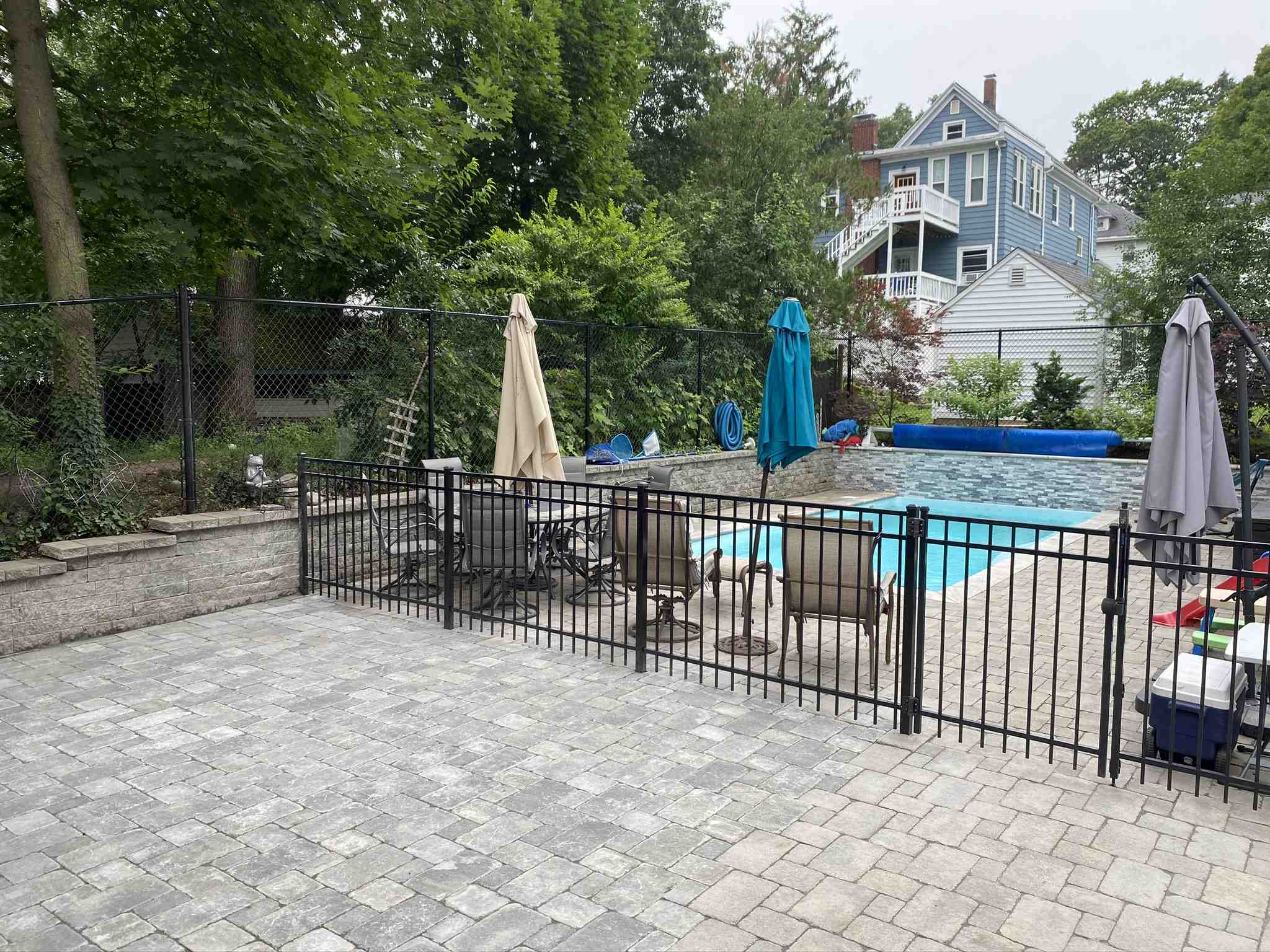
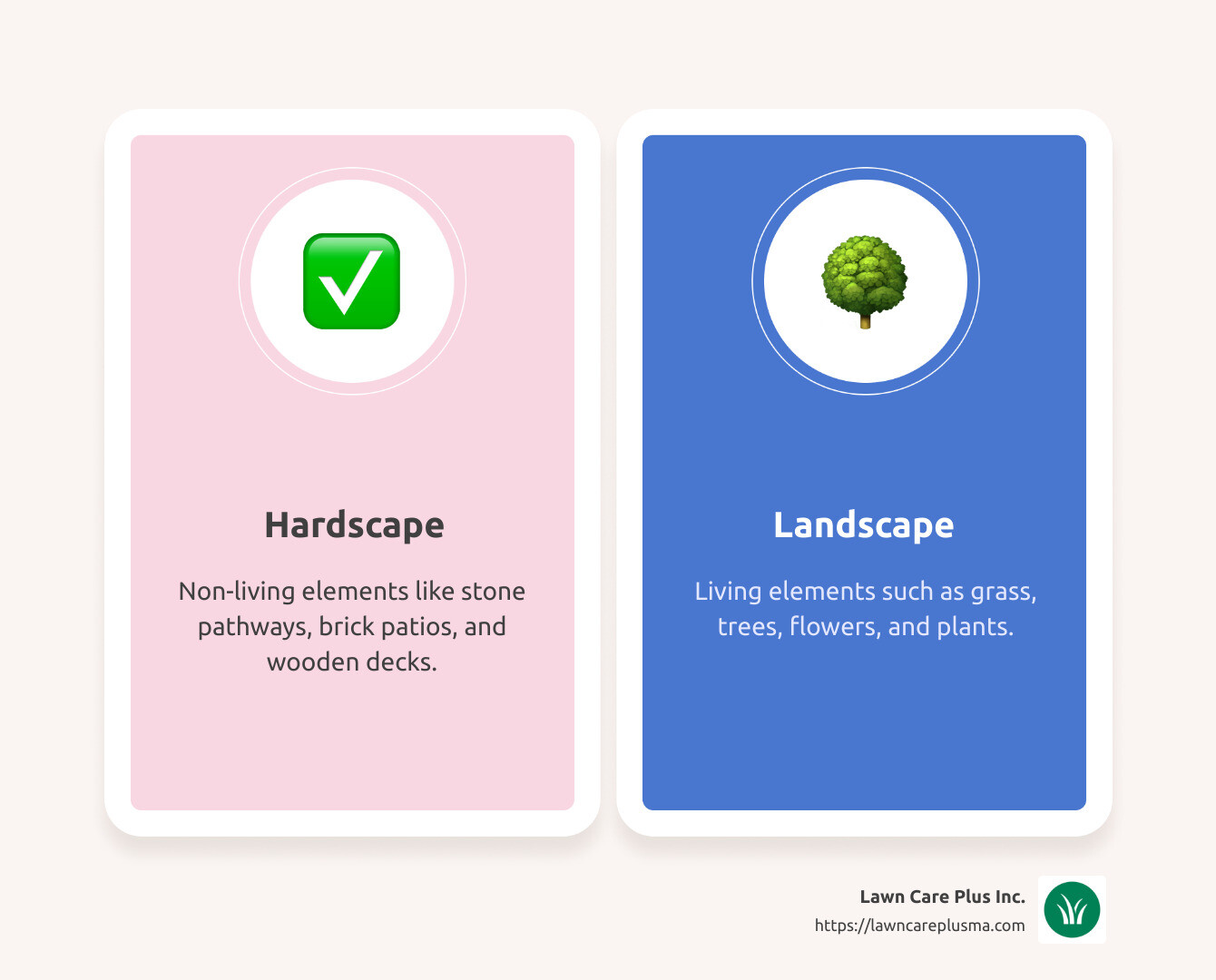
Hardscape includes all the non-living elements in your yard—think stone pathways, brick patios, and wooden decks. Landscape, on the other hand, involves the living elements like grass, trees, and flowers.
Here’s a quick summary:
- Hardscape: Non-living elements (e.g., stone, brick, wood)
- Landscape: Living elements (e.g., grass, plants, trees)
Achieving the perfect balance between hardscape and landscape can create a beautiful, functional, and inviting space.
Hardscape vs. Landscape: Knowing the Difference
What Is Hardscape?
Hardscape refers to the non-living elements in your yard. These are the “hard” materials that add structure and functionality to your outdoor space.
Common Hardscape Elements:
- Concrete: Used for patios, walkways, and driveways. It’s durable and versatile.
- Rocks: Great for decorative borders, rock gardens, and drainage solutions.
- Bricks: Often used for patios and pathways, adding a classic look.
- Pavers: These can be made from concrete, stone, or brick and are used for patios, walkways, and driveways.
- Stone: Natural stone like granite or limestone can be used for retaining walls, pathways, and steps.
- Wood: Commonly used for decks, pergolas, and fences. It adds warmth and a natural feel.
What Is Landscape?
Landscape involves all the living elements in your yard. These are the “soft” materials that bring life and color to your space.
Common Landscape Elements:
- Grass: The foundation of most yards, providing a lush, green carpet.
- Plants: Includes shrubs, bushes, and ground covers. These add texture and color.
- Trees: Provide shade, privacy, and a focal point in your yard.
- Flowers: Add vibrant color and attract pollinators like bees and butterflies.

By understanding the difference between hardscape and landscape, you can better plan and design your outdoor space. The goal is to create a harmonious balance between the two, making your yard both beautiful and functional.
Next, let’s dive into the key benefits of integrating hardscape and landscape into your design.
Key Benefits of Integrating Hardscape and Landscape
Benefits of Hardscape
Durability: Hardscaping elements like stone, concrete, and bricks are built to last. They can withstand harsh weather conditions and require less frequent maintenance compared to plants. For example, a well-constructed patio can remain functional and appealing for decades.
Practicality: Hardscaping provides practical solutions for everyday use. Think of patios, walkways, and driveways that make navigating your yard easier. Retaining walls can prevent soil erosion, while stone steps can make sloped areas accessible.
Accessibility: Hardscape features like ramps, wider paths, and level patios can make your outdoor space more accessible for everyone, including those with mobility issues. This ensures that your yard is inclusive and user-friendly.
Benefits of Landscape
Beauty: Landscaping brings natural beauty to your outdoor space. Vibrant flowers, lush trees, and well-maintained lawns create a visually pleasing environment. A mix of colors and textures can transform a plain yard into a picturesque garden.
Environmental Impact: Landscaping plays a crucial role in improving the environment. Plants absorb carbon dioxide and release oxygen, enhancing air quality. Trees can also provide shade, reducing the need for air conditioning and thus lowering energy consumption.
Air Quality: A well-landscaped yard can significantly improve air quality. Trees and plants act as natural air purifiers, filtering pollutants and providing cleaner air. According to the USDA, a single mature tree can absorb up to 48 pounds of carbon dioxide per year.
Aesthetics, Functionality, and Property Value
Aesthetics: Combining hardscape and landscape elements can create a cohesive and attractive outdoor space. For instance, a stone pathway winding through a garden filled with colorful flowers adds both beauty and structure.
Functionality: Integrating hardscape and landscape enhances the usability of your yard. A patio surrounded by greenery offers a perfect spot for relaxation or entertaining guests. Properly designed hardscape features can also improve drainage and prevent flooding.
Property Value: Both hardscaping and landscaping can increase the value of your home. A study by the National Association of Realtors found that well-landscaped homes with outdoor amenities like patios and decks can see a significant boost in property value. Attractive landscaping makes your home more appealing to potential buyers, increasing the likelihood of a sale.
Next, let’s explore some tips for using hardscape in your design.
Designing with Hardscape and Landscape
Creating a beautiful and functional outdoor space involves balancing hardscape and landscape elements. Let’s dive into some practical tips to help you design your dream yard.
Tips for Using Hardscape in Your Design
Focal Points: Establish a focal point to draw the eye. This could be a stunning stone fireplace, a water feature, or a beautiful pergola. Focal points create interest and guide visitors through your space.
Curves and Rounded Edges: Avoid too many straight lines. Curves and rounded edges make your landscape feel more natural and inviting. Think winding pathways and circular patios to break up the rigidity.
Drainage: Consider how your hardscape design will affect drainage. Use retaining walls and stone steps to manage water flow. Proper drainage prevents flooding and keeps your landscape healthy.
Expansion and Contraction: Plan for natural movement. Settle hardscape materials below the frost line to avoid damage from the earth’s expansion and contraction.
Enhancing Your Landscape
Native Plants: Choose native plants to ensure they thrive in your local climate. Native plants like the Eastern Red Columbine and Black-Eyed Susan are resilient and support local wildlife.
Low-Maintenance Options: Opt for low-maintenance plants and materials. Mulch retains moisture and suppresses weeds, while artificial turf offers a no-mow, no-water solution.
Eco-Friendly Practices: Embrace eco-friendly practices like using permeable pavers to reduce runoff. Install rain barrels to collect water for irrigation and consider composting to enrich your soil naturally.
Balance and Harmony: Achieve balance by integrating softscape elements like flowers and shrubs with hardscape features. This creates a harmonious and aesthetically pleasing environment.
Function: Design with function in mind. Paths should connect key areas, and seating should be placed where you can enjoy the view. Ensure your outdoor space meets your needs, whether for relaxation or entertaining.
By combining these tips, you can create a balanced, harmonious, and functional outdoor space that enhances both the aesthetics and usability of your yard.
Next, let’s look at how to maintain your hardscape and landscape to keep them looking their best.
Hardscape and Landscape Maintenance
Maintaining hardscape and landscape elements is crucial for keeping your outdoor space beautiful and functional. Let’s dive into the specifics of each.
Hardscape Maintenance
Less Maintenance: Hardscape elements like patios, decks, and stone walls generally require less upkeep than living plants. However, they still need attention to stay in good shape.
Weather Impact: Weather can affect hardscaping materials. Rain, snow, and extreme temperatures can cause cracks, stains, or wear over time.
Preventative Measures: Taking preventative steps can extend the life of your hardscaping. Applying a protective seal to surfaces like wood decks and stone patios helps prevent damage from the elements.
Cleaning Techniques: Regular cleaning is essential. Use gentle cleaning agents and soft brushes to avoid scratches. Pressure washing is effective for surfaces like concrete but can damage wood or composite materials.
Damage Prevention: Fill in cracks between pavers to block weeds and moisture. This prevents further damage and keeps your hardscape looking pristine.
Landscape Maintenance
Seasonal Care: Landscaping requires seasonal attention. In spring and fall, focus on planting and pruning. Summer is for watering and weeding, while winter involves protecting plants from the cold.
Pest Control: Keep an eye out for pests that can harm your plants. Use eco-friendly pest control methods to keep your landscape healthy without harming the environment.
Fertilization: Fertilizing your plants is crucial for growth. Use organic fertilizers to enrich the soil and promote healthy plant development.
By following these maintenance tips, you can ensure your hardscape and landscape remain beautiful and functional year-round.
Next, let’s explore how enhancing your hardscape and landscape can add value and curb appeal to your home.
Adding Value (and Curb Appeal) to Your Home with Hardscape and Landscape
Hardscaping Projects that Add Value
Investing in hardscaping can significantly boost your home’s value and curb appeal. Here are some key projects to consider:
- Patios: A well-designed patio can be a game-changer. It provides a dedicated space for outdoor gatherings and relaxation. Plus, it seamlessly extends your living space into the outdoors. According to experts, adding a patio can offer a return on investment (ROI) of up to 80%.
- Decks: Like patios, decks are another great addition. They offer an elevated area to enjoy the outdoors. Whether you choose wood or composite materials, a well-built deck can enhance your property’s appeal and functionality. Decks can yield an ROI of around 75%.
- Outdoor Kitchens: Imagine cooking and dining al fresco with a fully equipped outdoor kitchen. These setups can include grills, sinks, and even refrigerators. Not only do they make entertaining easier, but they also add a luxurious touch that potential buyers love.
Landscaping Enhancements for Home Value
Landscaping isn’t just about making your yard look pretty. It can also add substantial value to your home. Here are some enhancements to consider:
- Floral Displays: Planting a variety of flowers can make your yard vibrant and inviting. Choose colors that complement your home’s exterior. Seasonal flowers can keep your garden looking fresh year-round, attracting more interest from potential buyers.
- Decorative Shrubs: Shrubs add structure and depth to your landscape. They can be used to create natural borders or focal points. Opt for low-maintenance varieties to keep your yard looking great with minimal effort.
- Trees: Trees offer numerous benefits. They provide shade, improve air quality, and add a sense of maturity to your landscape. Strategically placed trees can also enhance privacy and reduce energy costs by shading your home.
By integrating these hardscape and landscape elements, you can create an outdoor space that is both beautiful and functional. This not only enhances your enjoyment of your home but also makes it more appealing to potential buyers.
Next, let’s delve into designing with hardscape and landscape to achieve a balanced and harmonious outdoor space.
Conclusion
Combining hardscape and landscape elements can transform your outdoor space into a functional and beautiful oasis. By thoughtfully integrating both, you can enjoy the best of both worlds—durability and practicality from hardscaping, and natural beauty and environmental benefits from landscaping.
Hardscaping provides the foundation and structure of your outdoor area. Think of it as the bones of your garden. Elements like patios, walkways, and retaining walls create usable spaces and define areas within your yard. They are low-maintenance and long-lasting, making them a wise investment.
Landscaping, on the other hand, brings life and color to your space. This includes everything from lush lawns and vibrant flower beds to shady trees and aromatic herbs. Landscaping not only enhances the visual appeal of your home but also contributes to the environment by improving air quality and supporting local wildlife.
When combined, hardscape and landscape elements create a harmonious and inviting outdoor environment. For example, a stone walkway bordered by blooming flowers can lead to a cozy patio area, seamlessly blending functionality with aesthetic appeal.
At Lawn Care Plus Inc., we specialize in integrating these elements to create outdoor spaces that are both beautiful and practical. Our team of experts can help you design and maintain a yard that suits your lifestyle and enhances your home’s value.
Whether you need a new patio, a garden overhaul, or a complete landscape redesign, we’re here to help.
Contact us today to learn more about our comprehensive hardscaping and landscaping services. Let’s bring your dream outdoor space to life!