
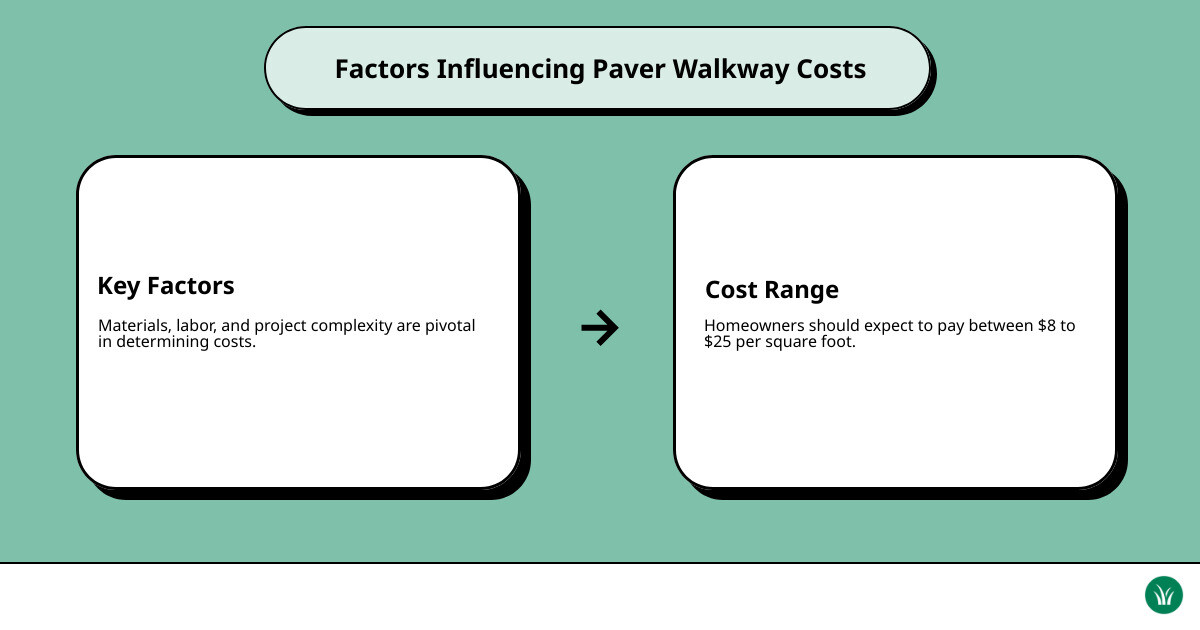
The cost to install paver walkway is a crucial consideration for homeowners and property managers looking to improve their outdoor spaces. In general, you can expect to pay anywhere from $8 to $25 per square foot for installation, varying based on factors like materials, labor, and project complexity.
Walkways serve not only as functional paths but also as design elements that significantly boost the aesthetic appeal of any property. Whether you’re leading guests to your front door or creating a serene garden path, paver walkways offer durability, elegance, and flexibility in design. From cost-effective concrete solutions to premium natural stones, the choices are vast, enabling customization to match any style or budget.
Creating a paver walkway is a long-term investment. Pavers can last up to 100 years with proper care, significantly enhancing your property’s value and reducing future maintenance costs. They’re permeable too, supporting excellent drainage and reducing water accumulation, unlike traditional concrete options.
Cost to install paver walkway word roundup:
– brick walkway installers near me
– concrete walkway installers near me
– how install pavers walkway
Cost to Install Paver Walkway: Key Factors
When planning a paver walkway, understanding the key factors affecting the cost is essential. These include the choice of materials, labor expenses, and the complexity of the design.
Types of Pavers and Their Costs
Materials are the foundation of your walkway’s cost. Here’s a breakdown of popular options:
- Concrete Pavers: Affordable and durable, costing between $8 and $15 per square foot. They come with a lifetime warranty for structural integrity and blend well with most home designs.
- Clay Brick Pavers: These offer a classic, neat look, priced from $10 to $20 per square foot. While not as durable as concrete, they can withstand average usage with proper maintenance.
- Natural Stone Pavers: A premium choice with a timeless appeal, costing $12 to $50 per square foot. Variants like flagstone and bluestone add elegance but come at a higher price.
- Slate Pavers: Stronger than natural slate, these are available in various colors, costing between $11 and $20 per square foot. They combine the aesthetic of natural slate with the durability of concrete.
Labor Costs and Considerations
Labor is a significant part of the installation cost. On average, labor costs are about $55 per hour, though this can vary based on the contractor’s experience and local rates.
- Experience Level: Hiring experienced professionals may cost more but ensures a higher quality finish. Skilled labor can efficiently handle complex designs and potential challenges during installation.
- Project Complexity: Simple, straight paths are less labor-intensive compared to intricate designs with curves, steps, or decorative features. More complex projects require additional time and skill, increasing labor costs.
Design and Complexity
Design complexity impacts both material and labor costs. Here’s how:
- Simple Paths: Straightforward designs are cost-effective, requiring less time and fewer materials.
- Decorative Features: Adding elements like borders, patterns, or steps increases both the visual appeal and the cost. These features require additional materials and expert installation.
- Custom Designs: Custom designs that integrate unique shapes or themes can significantly increase costs. They demand precise planning and skilled craftsmanship to execute effectively.
Understanding these factors can help in making informed decisions, ensuring your paver walkway not only fits your budget but also meets your aesthetic and functional needs.
Estimating Your Paver Walkway Project
When starting on the journey to install a paver walkway, having a clear estimate of the costs can help you plan effectively. This section will guide you through the necessary tools and materials, and provide a step-by-step method to calculate your project’s cost.
Tools and Materials Needed
To start, you’ll need a few essential tools and materials:
- Pavers: Choose based on your design and budget. Options range from concrete to natural stone, each with its own price point.
- Sand and Gravel: These materials form the base and help in leveling the pavers. Sand is also used to fill the joints between pavers.
- Edging: This keeps your pavers in place and adds a finished look. Options include plastic, metal, or stone edging.
With these materials, you can begin calculating the costs associated with your project.
Step-by-Step Cost Calculation
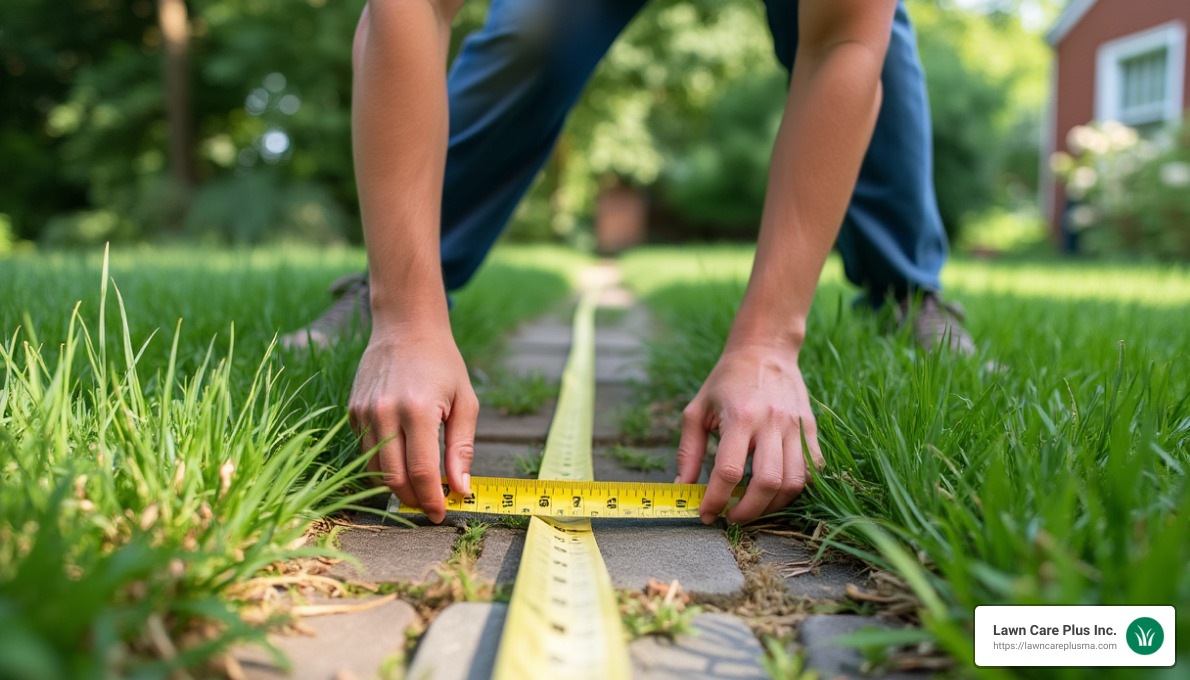
1. Measure Your Space
The first step in estimating costs is measuring the area where you plan to install the walkway. Calculate the square footage by multiplying the length by the width of the space.
2. Material Choices and Costs
Once you know the square footage, select your paver material. Here’s a quick cost reference:
- Concrete Pavers: $8 to $15 per square foot
- Clay Brick Pavers: $10 to $20 per square foot
- Natural Stone Pavers: $12 to $50 per square foot
- Slate Pavers: $11 to $20 per square foot
Multiply your square footage by the cost per square foot of your chosen material to get the total material cost.
3. Calculate Labor Costs
Labor is a crucial component of the overall cost. On average, labor costs about $55 per hour. Estimate the total hours required based on the complexity of your project. Simple designs require fewer hours, while intricate patterns or additional features like steps will need more time.
4. Add Costs for Sand, Gravel, and Edging
Calculate the cost of sand and gravel by determining how much you’ll need for your base layer. Typically, you need about 4-6 inches of base material. Edging costs will depend on the type you choose and the perimeter of your walkway.
5. Sum Up the Costs
Add up all the costs: paver materials, sand, gravel, edging, and labor. This total will give you a comprehensive estimate of the project’s cost.
By following these steps, you can create an accurate budget for your paver walkway installation. This preparation ensures that your project is financially feasible and aligns with your design vision.
Cost Comparison: Paver Walkway vs. Other Options
When considering a new walkway, weigh the cost to install paver walkway against other materials like concrete, gravel, and asphalt. Each option has its unique features, benefits, and drawbacks that can impact your decision.
Pros and Cons
Paver Walkways
Pros:
- Aesthetics: Pavers offer a wide range of colors and patterns, allowing for creative designs that improve curb appeal.
- Durability: They can last between 50 and 100 years with minimal maintenance.
- Maintenance: Easy to repair by replacing individual pavers if damaged.
Cons:
- Initial Cost: Higher upfront cost compared to some other materials.
Concrete Walkways
Pros:
- Cost: Generally more affordable initially than pavers.
- Low Maintenance: Requires less ongoing maintenance than natural stone.
Cons:
- Aesthetics: Limited design options compared to pavers.
- Durability: Prone to cracking over time, especially in freeze-thaw climates.
Gravel Walkways
Pros:
- Cost: Most cost-effective option.
- Installation: Easy to install, even as a DIY project.
Cons:
- Maintenance: Requires regular raking and topping up.
- Aesthetics: Less formal and polished appearance.
Asphalt Walkways
Pros:
- Cost: Cheaper than concrete and pavers.
- Installation: Quick to install.
Cons:
- Durability: Requires regular sealing and repairs.
- Aesthetics: Limited design options and can look industrial.
Long-Term Value
Paver Walkways
- Resale Value: Can increase property value due to their aesthetic appeal and durability.
- Longevity: With proper care, pavers can last a lifetime.
- Repair Costs: Low, as individual pavers can be replaced without disturbing the entire walkway.
Concrete Walkways
- Resale Value: Adds value, but less than pavers due to aesthetic limitations.
- Longevity: Up to 30 years with proper maintenance.
- Repair Costs: Higher, as cracks can require significant repair work.
Gravel Walkways
- Resale Value: Minimal impact on property value.
- Longevity: Needs regular maintenance to remain functional.
- Repair Costs: Low, but requires frequent attention.
Asphalt Walkways
- Resale Value: Adds some value, but not as much as pavers or concrete.
- Longevity: Typically lasts 20 years with regular maintenance.
- Repair Costs: Moderate, due to the need for regular sealing and patching.
When planning your walkway, consider not only the cost to install paver walkway but also the long-term value and maintenance needs of each material. Pavers may have a higher initial cost, but their durability and aesthetic benefits often make them a worthwhile investment.
Enhancing Your Paver Walkway
Additional Features and Their Costs
Adding extra features to your paver walkway can improve both its functionality and visual appeal. Here are some popular options:
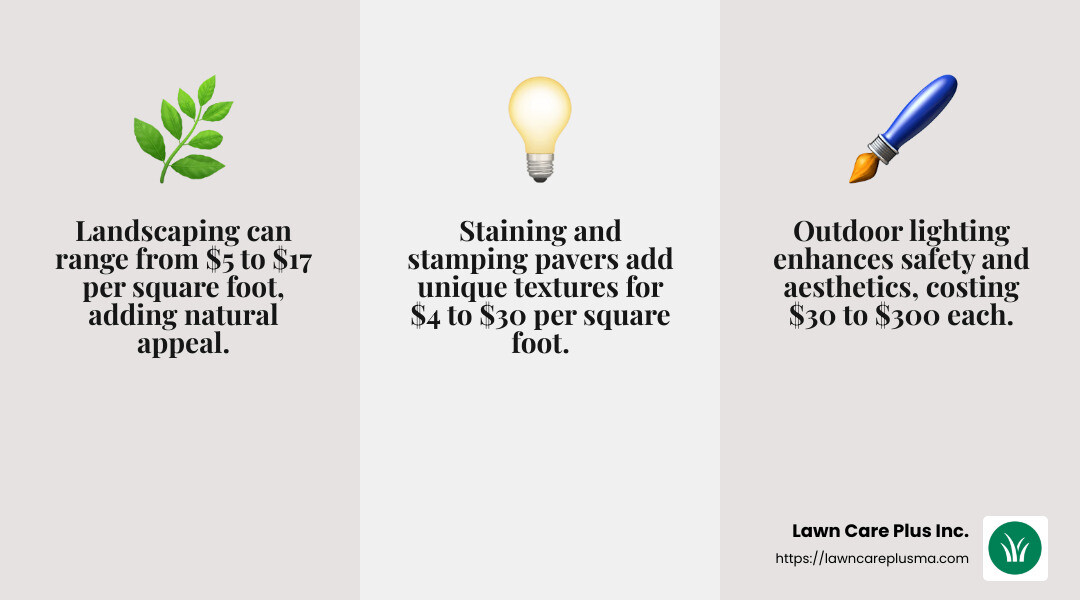
- Landscaping: Integrating plants and greenery along your walkway can create a seamless transition between your home and the surrounding landscape. Expect landscaping costs to range from $5 to $17 per square foot, depending on the complexity of the design and the types of plants selected.
- Lighting: Installing outdoor lighting not only increases safety but also highlights the beauty of your walkway at night. Lighting fixtures can cost anywhere from $30 to $300 each, depending on the style and technology used.
- Edging: Edging provides a clean border for your walkway and helps keep pavers in place. Options include plastic, metal, or stone, with costs varying based on material and length.
- Staining and Stamping: For a unique finish, consider staining or stamping your pavers. These techniques can add color and texture, with costs typically ranging from $4 to $30 per square foot.
- Covers: Adding a cover or pergola can provide shade and protection from the elements. This feature can be a significant investment, but it adds both comfort and aesthetic value.
Integrating with Overall Landscape Design
When designing your paver walkway, think about how it fits into the broader landscape of your property. Here are some key considerations:
- Theme Continuity: Ensure that the style of your walkway complements the overall theme of your outdoor space. Whether you prefer a modern, rustic, or traditional look, maintaining continuity will improve the overall appeal.
- Functional Spaces: Consider how your walkway can connect different functional areas of your yard, like patios, gardens, or seating areas. A well-planned walkway can improve the usability of your outdoor space.
- Visual Appeal: Use the design of your walkway to create focal points or guide the eye through your landscape. This can be achieved through the use of curves, patterns, or varied materials.
Adding these features not only improves the cost to install paver walkway but also increases its value and enjoyment. That each addition has its own cost implications, so plan according to your budget and preferences.
Frequently Asked Questions about Paver Walkways
How long do paver walkways last?
Paver walkways are known for their durability. They can last for decades, often between 50 and 100 years, with minimal routine maintenance. This impressive longevity is due to the fact that individual pavers can be easily replaced if damaged. This means that even if one paver cracks or breaks, you don’t need to replace the entire walkway—just swap out the damaged piece.
Can paver walkways improve property value?
Yes, paver walkways can significantly boost your property’s value. They improve curb appeal and create a welcoming entrance, which can be attractive to potential buyers. A well-designed paver walkway can be a key selling point, offering a return on investment by making your home stand out in the market. This is similar to how flagstone patios can increase home value, with a return on investment ranging from 30% to 70%.
What maintenance is required for paver walkways?
Maintaining a paver walkway is relatively simple. Here are some basic maintenance tasks:
- Regular Cleaning: Sweep away debris and power wash occasionally to keep the walkway looking fresh.
- Weed Control: Use a weed barrier or apply weed killer to prevent growth between pavers.
- Joint Sand Replenishment: Over time, sand between the pavers may wash away. Replacing it helps maintain stability and prevents weed growth.
- Sealing: Although not always necessary, sealing can protect your pavers from stains and the elements, enhancing their longevity.
By following these maintenance tips, you can keep your paver walkway looking great and functioning well for many years.
Conclusion
Installing a paver walkway is a smart investment for any property owner. Not only do paver walkways offer longevity and durability, but they also improve the beauty and value of your home. They are versatile and can be customized to fit any landscape design, making them a popular choice for homeowners looking to improve their outdoor spaces.
Throughout this article, we’ve explored the various factors that influence the cost to install paver walkway projects, including materials, labor, and design complexity. We’ve also compared pavers to other walkway options, highlighting their advantages in terms of aesthetics and long-term value.
For those considering a paver walkway, it’s important to assess your specific needs and budget. Think about the style and function you want, and how it fits into your overall landscape design. If you’re ready to take the next step, we recommend reaching out to professionals who can provide expert installation and advice.
At Lawn Care Plus Inc., we specialize in creating beautiful and durable paver walkways. Our experienced team can help you choose the right materials and design to fit your vision and budget. Contact us today to get started on enhancing your outdoor space. Visit our Stairs & Walkways Installations page for more information and to schedule a consultation.
By following this detailed outline, we aim to provide you with a comprehensive understanding of paver walkway costs, along with practical advice and insights. This guide is designed to help you make informed decisions and achieve the best results for your project. We hope this information has been helpful and look forward to assisting you in creating a stunning walkway that you’ll enjoy for years to come.
