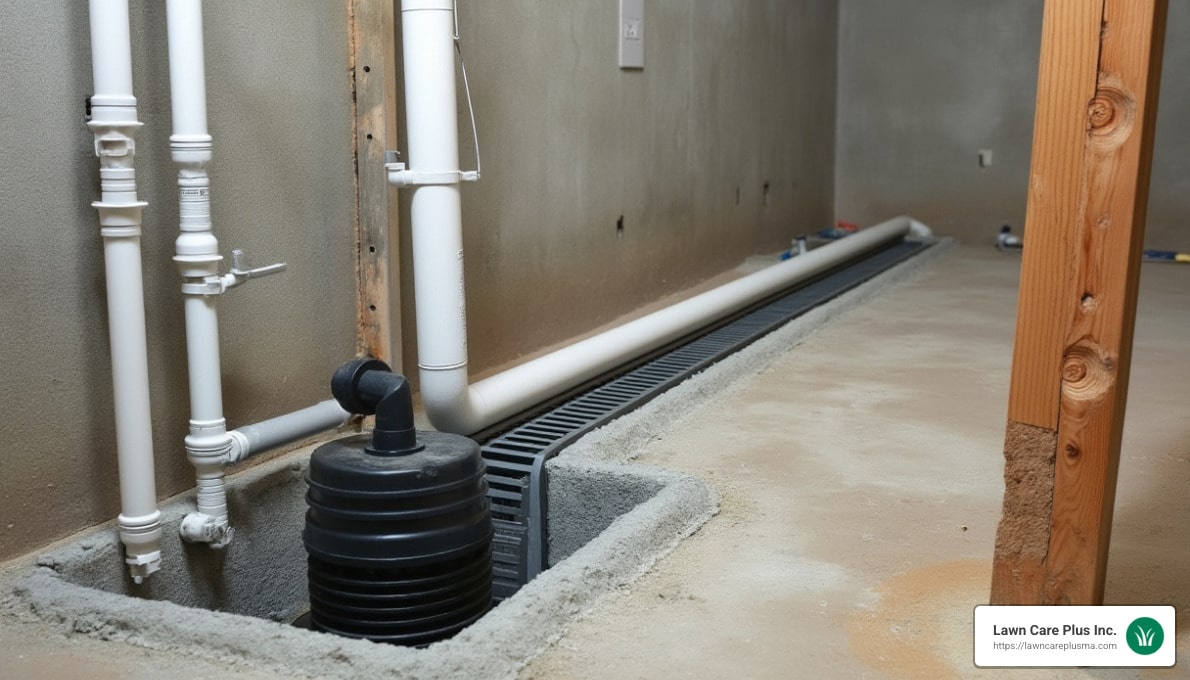
French drain inside basement systems have become a popular solution for keeping basements dry and free from water damage. These interior French drains play a critical role in basement waterproofing by effectively managing the water that threatens to seep into your foundation. Here’s a quick guide to understanding their purpose:
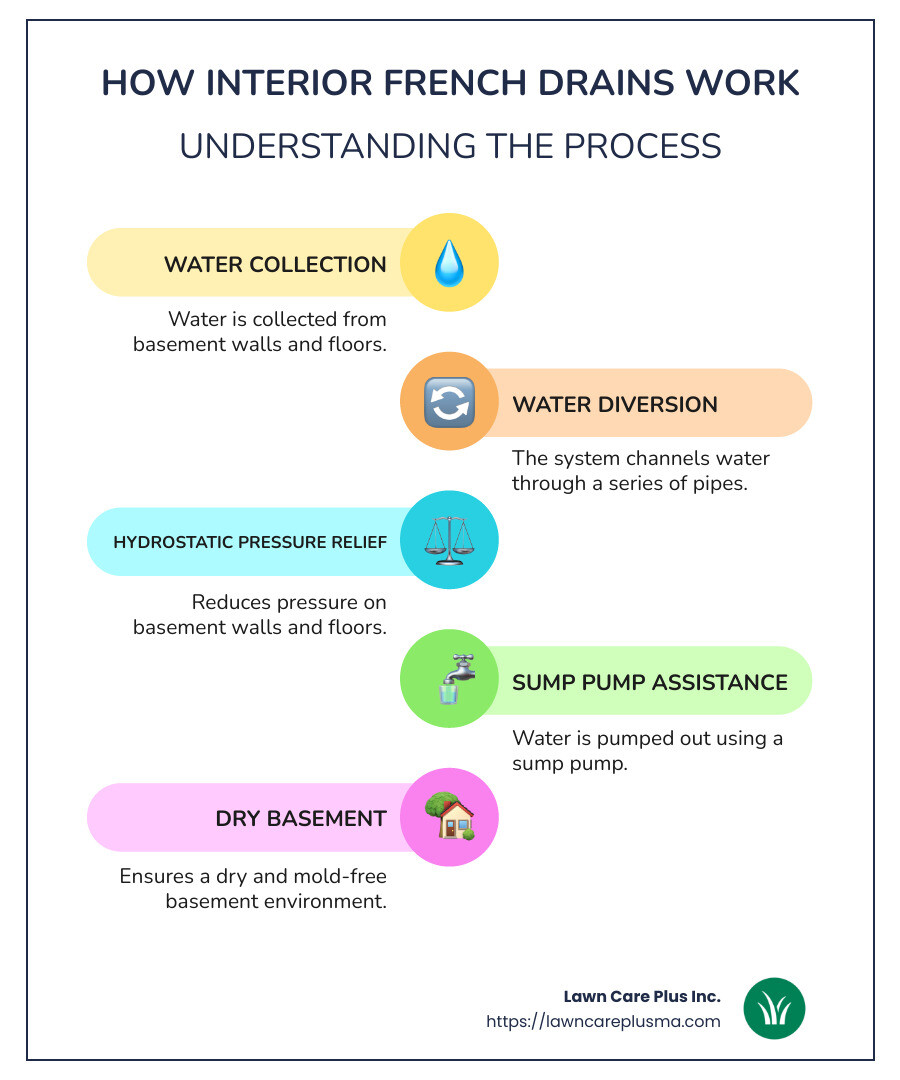
- Water Diversion: French drains channel water away from basement walls, reducing the risk of flooding.
- Hydrostatic Pressure Relief: By redirecting water, they alleviate pressure on basement floors and walls.
- Sump Pump Assistance: Often paired with a sump pump, they ensure efficient water removal.
Basement water management is crucial, especially in areas like the Boston Metro-West region, where unpredictable weather patterns can lead to increased groundwater levels. Protecting your basement from water damage not only maintains the integrity of your property but also improves its value by preventing mold and structural issues. Understanding how a French drain inside basement functions will help you make informed decisions for a drier, more secure living space.
French drain inside basement terms made easy:
– french drain through tree roots
– roots in french drain
Understanding Interior French Drains
Interior French drains are a smart choice to keep basements dry and safe from water damage. These systems are designed to manage water effectively, and here’s how they work:
Hydrostatic Pressure
Hydrostatic pressure is the force exerted by water as it builds up around your basement walls and floor. When groundwater levels rise, this pressure increases, pushing water into your basement through cracks and gaps. An interior French drain helps relieve this pressure by providing a pathway for water to escape, reducing the risk of leaks and structural damage.
Water Diversion
The primary function of a French drain is to divert water away from your basement. By installing a trench along the perimeter of your basement floor, water is collected and directed into the drain. This water is then channeled away, usually toward a sump pump. This diversion system is crucial in preventing water from accumulating around your foundation and seeping into your living space.
Sump Pump Integration
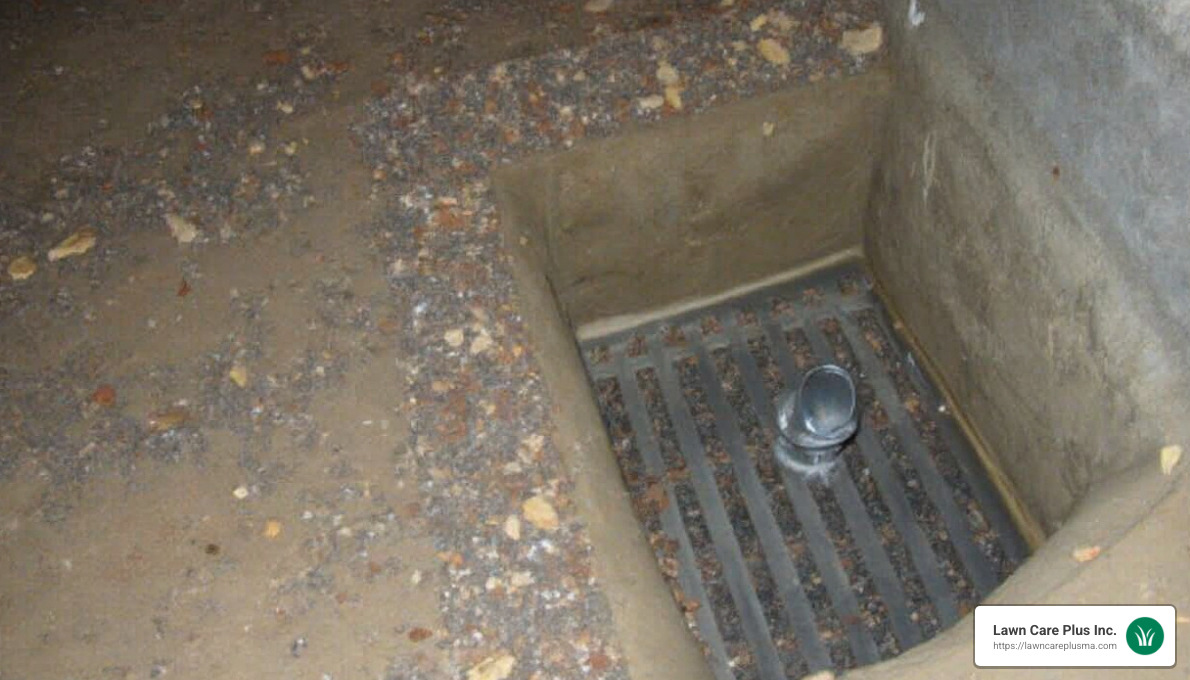
A sump pump is often integrated with an interior French drain system. Once the water is collected in the drain, the sump pump kicks in to move it out of your basement. It pumps the water to a safe distance away from your home, ensuring that it doesn’t re-enter your foundation. This combination of a French drain and sump pump is highly effective in maintaining a dry basement.
Why It Matters
For homeowners in the Boston Metro-West area, where weather can be unpredictable, managing basement water is essential. French drains not only keep your basement dry but also protect against mold growth and structural issues. By understanding how these systems work, you can make informed choices to safeguard your home.
In the next section, we’ll explore the benefits of installing a French drain inside your basement, focusing on how it prevents mold, keeps your space dry, and channels water effectively.
Benefits of Installing a French Drain Inside Basement
Installing a French drain inside your basement offers multiple benefits that can save you from costly repairs and health issues. Here’s how this system can make a big difference in your home:
Mold Prevention
A dry basement is crucial for preventing mold. Mold thrives in damp environments and can lead to health problems like allergies and respiratory issues. By channeling water away from your basement, a French drain helps keep the area dry. This reduces the moisture that mold needs to grow, creating a healthier living environment for you and your family.
Dry Basement
Keeping your basement dry is not just about comfort—it’s about protecting your investment. Water damage can weaken your home’s foundation and lead to expensive repairs. A French drain efficiently manages water by diverting it away from your basement. This system ensures that water doesn’t pool around your foundation or seep through walls, keeping your basement dry even during heavy rains.
Effective Water Channeling
The design of a French drain makes it highly effective at channeling water. It collects water from the perimeter of your basement and directs it to a sump pump or another drainage system. This process prevents water from entering your living space, safeguarding your belongings and maintaining the integrity of your home.

In areas like the Boston Metro-West, where weather conditions can lead to basement flooding, having a reliable water management system is essential. An interior French drain is a proactive solution that not only keeps your basement dry but also prevents potential mold growth and structural damage.
Next, we’ll dive into the installation process of a French drain inside your basement, including key steps like trench digging and using a perforated pipe.
How to Install a French Drain Inside Basement
Installing a French drain inside your basement can be a lifesaver in managing water issues and keeping your home dry. Here’s a simple breakdown of the installation process:
Trench Digging
The first step is to dig a trench along the perimeter of your basement. This trench is usually about a foot wide and deep enough to reach the footing of your foundation. The purpose of this trench is to collect water that seeps through the ground and direct it away from your basement.
- Location: The trench is typically dug inside the basement, right next to the walls.
- Tools: You’ll need a jackhammer or a concrete saw to cut through the floor, and a shovel to remove the debris.
Perforated Pipe
Once the trench is ready, a perforated pipe is laid at the bottom. This pipe is the key component of the French drain system and is designed to collect water efficiently.
- Material: The pipe is usually made of plastic and has small holes along its length.
- Positioning: It should be placed with the holes facing downward to allow water to enter easily.
Gravel Lining
After placing the pipe, the next step is to cover it with gravel. Gravel helps filter out debris and ensures that water flows freely into the pipe.
- Layering: A thick layer of gravel is spread on top of the pipe, filling the trench.
- Benefits: Gravel prevents soil and sediment from clogging the pipe, maintaining the system’s efficiency.
Finally, the trench is covered with a layer of concrete to restore the basement floor. This step ensures that the French drain inside your basement is discreet and doesn’t interfere with your living space.
By following these steps, you can successfully install a French drain to protect your basement from water damage. Up next, we’ll explore the costs involved and factors to consider when deciding between DIY installation and hiring professionals.
Cost and Considerations
When it comes to installing a French drain inside your basement, understanding the costs and considerations can help you make an informed decision. Let’s break it down:
Installation Cost
The cost of installing a French drain inside your basement can vary based on several factors:
- Size of Your Basement: Larger basements require more materials and labor, which increases the cost.
- Condition of Your Basement: If your basement needs extra preparation, such as removing existing flooring or dealing with obstacles, this can add to the cost.
- Material Choice: The type of pipe and gravel used can affect the price. High-quality materials might cost more upfront but can lead to better long-term results.
Maintenance
Once installed, French drains require regular maintenance to ensure they function properly:
- Check for Clogs: Over time, debris can accumulate and block the system. Regular inspections can help prevent this.
- Sump Pump Maintenance: If your system includes a sump pump, it needs to be checked periodically to ensure it’s working correctly.
DIY vs Professional
Deciding whether to tackle the installation yourself or hire a professional can impact both cost and effectiveness:
- DIY Installation: This option might save money on labor but requires time, effort, and the right tools. Mistakes can lead to costly repairs later.
- Professional Installation: Hiring experts ensures the job is done correctly the first time. Professionals bring experience and equipment, potentially saving you headaches down the road.
Choosing the right approach depends on your confidence in handling the project and your budget. If you’re unsure, consulting with a professional can provide clarity.
Now that we’ve covered the costs and considerations, let’s address some frequently asked questions about interior French drains.
Frequently Asked Questions about Interior French Drains
Can I put a French drain in my basement?
Yes, you can install a French drain inside your basement. This system is designed to manage water that seeps into your basement, especially during heavy rains. By channeling water away from your foundation, a French drain helps keep your basement dry and prevents water damage. It’s an effective solution for homes in areas with high water tables or frequent rainfall.
Are interior French drains effective for basement waterproofing?
Absolutely. Interior French drains are very effective for basement waterproofing. They work by collecting water that enters the basement and directing it to a sump pump, which then removes the water from your home. This prevents water from accumulating and reduces the risk of mold growth and structural damage. Homeowners in Massachusetts, where rainwater management is crucial, often find these systems invaluable for maintaining a dry and safe basement environment.
What is an interior French drain called?
An interior French drain is also commonly referred to as a “perimeter drain” or “drain tile system.” These terms describe the same concept—a drainage system installed along the perimeter of a basement floor to manage and divert water. This system ensures that your basement stays dry and protected from water-related issues.
With these questions answered, you’re now better equipped to consider the benefits and installation of a French drain inside your basement. Let’s move on to the conclusion, where we’ll explore how Lawn Care Plus Inc. can assist with your basement protection needs.
Conclusion
Protecting your basement from water damage is essential for maintaining a healthy and safe home environment. At Lawn Care Plus Inc., we specialize in comprehensive services that ensure your basement stays dry and protected. Our team is experienced in installing French drains inside basements, which are crucial for effective water management and prevention of mold and structural damage.
With our expertise in the Boston Metro-West area, we understand the unique challenges that Massachusetts homeowners face, from heavy rainfall to high water tables. Our solutions are custom to meet these specific needs, providing you with peace of mind and a dry basement all year round.
By choosing Lawn Care Plus Inc., you’re not just getting a service; you’re investing in a long-term solution for your home’s foundation. Our commitment to quality and customer satisfaction means we go above and beyond to deliver results that last.
Ready to protect your basement with a French drain? Contact us today to learn more about our comprehensive services and how we can help keep your home safe and dry.