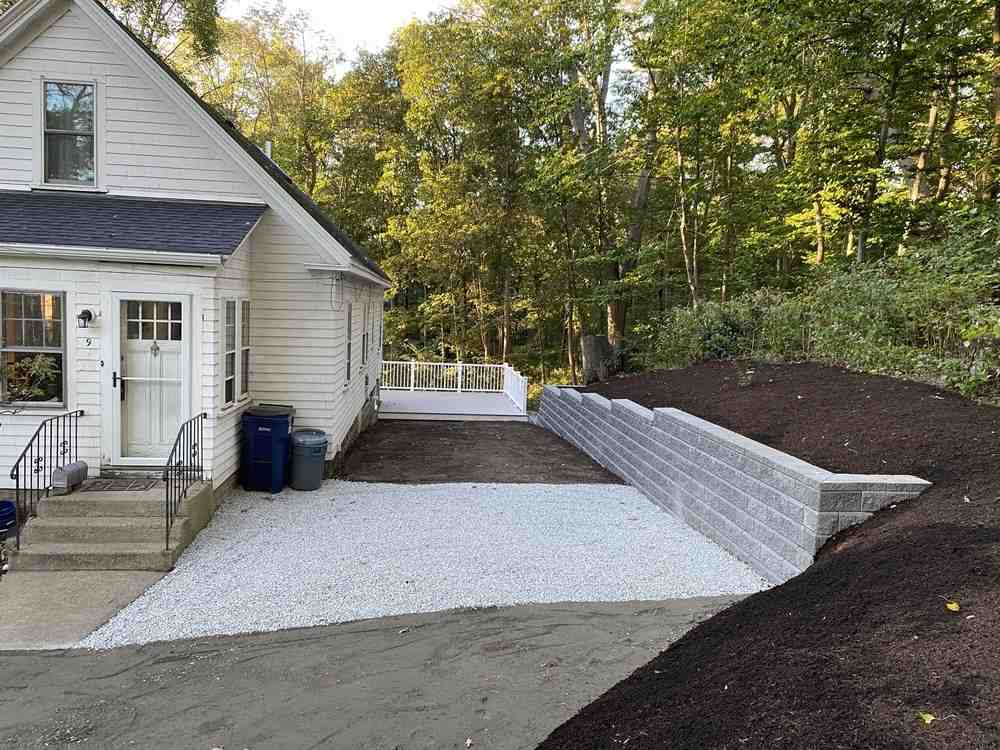
Why Your Yard’s Drainage Matters
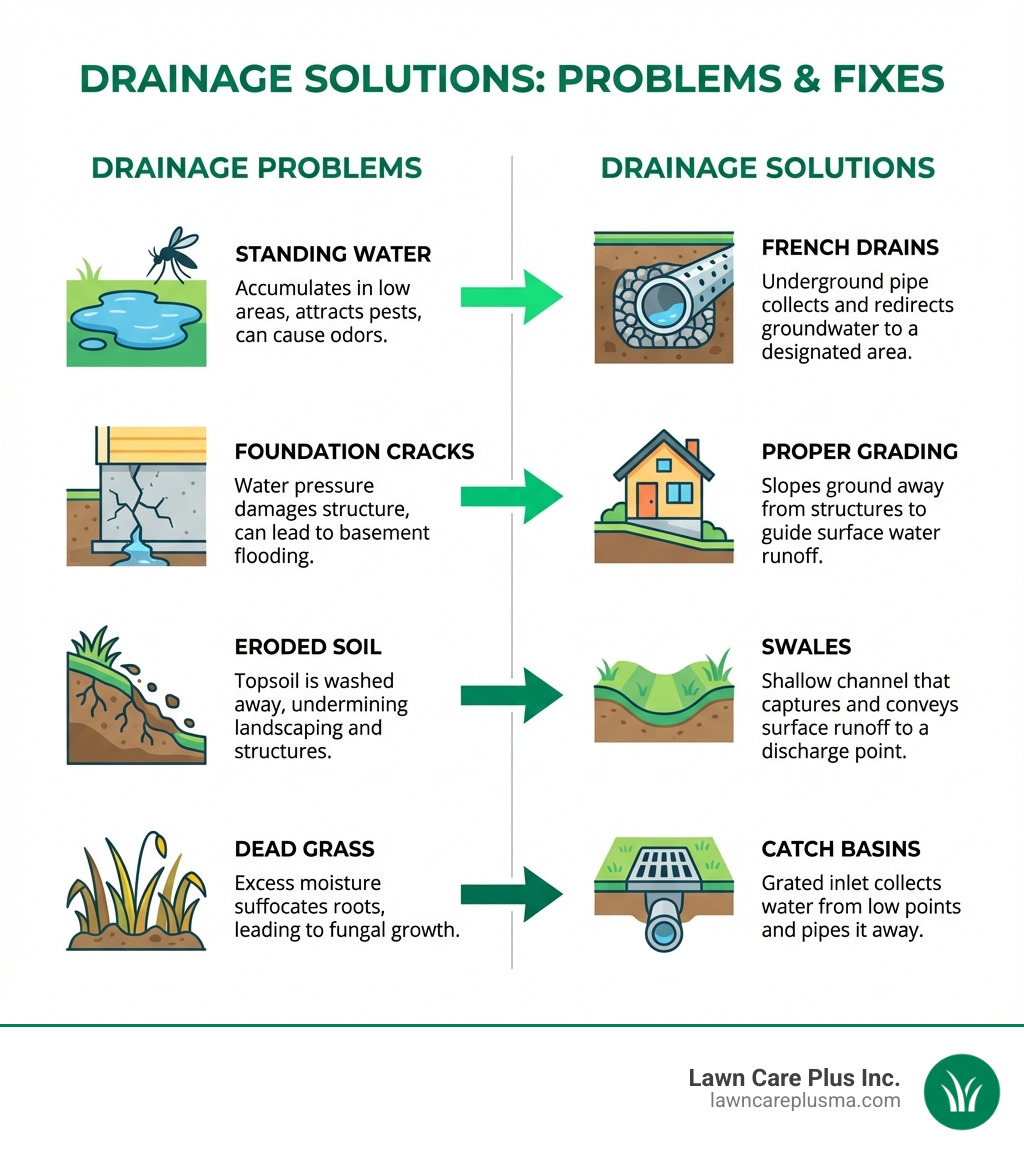
Drainage solutions are systems designed to manage excess water on your property, preventing issues like standing water, foundation damage, soil erosion, and unhealthy landscaping. Common types include:
- French Drains – Underground perforated pipes that redirect groundwater
- Grading – Sloping the ground away from structures
- Swales – Shallow, vegetated channels that guide surface water
- Catch Basins – Grated collection points for low-lying areas
- Dry Wells – Underground structures that allow water to percolate slowly
- Channel Drains – Linear grates for driveways and patios
When heavy rain falls on your Greater Boston property, where does all that water go? If your answer involves puddles that linger for days, muddy patches where grass refuses to grow, or water creeping toward your foundation, you’re dealing with a drainage problem. And you’re not alone.
Poor drainage doesn’t just create an eyesore. It damages your foundation, drowns your plants, breeds mosquitoes, and makes your outdoor space unusable. The research is clear: a few inches of rain on a typical suburban lot can produce nearly 10,000 gallons of runoff. Without proper management, that water will find the path of least resistance, often right toward your home or the lowest spot in your yard.
The good news? You have options. From simple fixes like extending downspouts to professional installations like French drains and grading, there’s a solution for every situation and budget. The key is understanding what’s causing your specific problem and choosing the right approach.
I’m Tim DiAngelis, owner of Lawn Care Plus Inc., and over the past decade, our team has designed and installed countless drainage solutions throughout the Boston Metro-West area, helping homeowners and commercial property managers protect their investments from water damage. Whether you’re dealing with minor puddling or serious foundation concerns, understanding your drainage options is the first step toward a healthier, more functional property.
Find more about Drainage Solutions:
Spotting the Signs: How to Identify a Drainage Problem
Before we dive into the myriad of drainage solutions, let’s first become detectives of our own properties. Identifying the signs of a drainage problem early can save you a world of trouble and expense down the line. Many homeowners in Massachusetts encounter these issues, often exacerbated by our seasonal weather patterns.
Here’s what to look for:
- Soggy Lawns and Lingering Puddles: After a rain shower, if you notice standing water that remains for more than 24 hours, or persistently muddy, squishy areas in your lawn, that’s a classic sign of poor drainage. These aren’t just annoying; they can lead to root rot for your plants and an unwelcome invitation for pests.
- Soil Erosion: Visible ruts, washed-out mulch, exposed plant roots, or thinning grass, especially on sloped areas, indicate that water is moving too quickly across your landscape, carrying away precious topsoil.
- Water Stains on Foundation Walls or Basement Moisture: Any dampness, discoloration, or efflorescence (white, powdery mineral deposits) on your foundation walls suggests that water is pooling around your house and seeping into the structure. This is a serious concern that can lead to significant structural damage over time. For more information on protecting your home’s integrity, we recommend reviewing resources on Moisture Management in Residential Construction Series – Building Enclosure: Foundation Overview.
- Unhealthy Grass and Plants: If your lawn has yellowing patches or your plants appear wilted despite adequate watering, it might be due to waterlogged soil, which suffocates roots. Conversely, if plants are struggling due to lack of water absorption, poor drainage might be sending water away too quickly.
- Mosquito Infestations: Standing water is a breeding ground for mosquitoes and other pests. If you find yourself constantly swatting away bugs, check for stagnant water sources in your yard.
- Shifting Hardscapes: Patios, walkways, and driveways that show signs of shifting, cracking, or unevenness can be a result of water undermining the base layers.
If you observe any of these signs on your property in Belmont, Newton, Canton, or anywhere across the Boston Metro-West region, it’s time to consider effective drainage solutions.
Common Causes of Poor Drainage
Understanding the “why” behind your drainage woes is crucial for choosing the right “how.” Many factors contribute to poor drainage, and often, it’s a combination of several:
- Improper Grading: This is perhaps the most fundamental cause. If your yard doesn’t gently slope away from your home’s foundation, water will naturally flow towards it, causing serious issues. Construction activities can inadvertently alter proper grading, or settling over time can reverse an initially good slope. Learning how to properly grade around your home is a great starting point for understanding this critical aspect.
- Compacted Soil: Our Massachusetts soil, especially if it’s clay-heavy, can become dense and compacted over time due to foot traffic, construction, or even heavy rainfall. When soil is compacted, water struggles to penetrate, leading to surface pooling and runoff.
- High Water Table: In some areas, the groundwater level is naturally close to the surface. This means the soil is often saturated, making it difficult for additional rainwater to drain away. Properties with high water tables require specialized drainage solutions.
- Hardscape Runoff: Impervious surfaces like driveways, patios, and even roofs don’t absorb water. Instead, they shed it, often directing large volumes of runoff towards vulnerable areas of your yard or foundation.
- Clogged Gutters and Downspouts: Your home’s gutter system is designed to channel rainwater safely away from your foundation. If gutters are clogged with leaves and debris, or if downspouts are too short and discharge water right next to the house, you’re essentially funneling water directly into your foundation.
- Construction and Development: Nearby construction can alter natural drainage patterns, compact soil, and even introduce new sources of runoff onto your property.
- Overwatering from Irrigation Systems: While irrigation is fantastic for maintaining a lush landscape, an improperly calibrated system can contribute to drainage issues by delivering more water than your soil can absorb.
The Benefits of Effective Drainage
Investing in effective drainage solutions for your property offers a cascade of benefits that extend far beyond simply eliminating puddles. It’s about protecting your home, enhancing your landscape, and improving your quality of life.
- Prevent Foundation Damage: This is arguably the most critical benefit. Excess water around your foundation can lead to hydrostatic pressure, causing cracks, leaks, and even structural instability. Proper drainage diverts water away, safeguarding your home’s integrity and saving you from costly repairs.
- Reduce Soil Erosion: By managing water flow, we can prevent the washing away of valuable topsoil, preserving your landscape’s fertility and preventing unsightly ruts.
- Improve Lawn and Garden Health: Plants and grass thrive on proper moisture levels, not standing water. Effective drainage ensures roots get the water they need without being suffocated, leading to healthier, more vibrant lawns and gardens. Explore our insights on Land Drainage System for a deeper understanding.
- Eliminate Pest Breeding Grounds: Say goodbye to mosquito swarms! By removing standing water, you eliminate prime breeding habitats for these and other unwelcome pests, making your outdoor spaces more enjoyable.
- Increase Property Usability and Value: A dry, functional yard is a usable yard. Whether it’s for entertaining, playing, or simply enjoying the Massachusetts seasons, good drainage makes your property more accessible and enjoyable. Furthermore, it significantly boosts your property’s curb appeal and resale value.
A Deep Dive into Professional Drainage Solutions
When DIY efforts aren’t enough, or when the drainage problem is complex and impacts your property’s structural integrity, professional drainage solutions are essential. Our team at Lawn Care Plus Inc. specializes in designing and installing comprehensive systems custom to the unique needs of properties across the Boston Metro-West area.
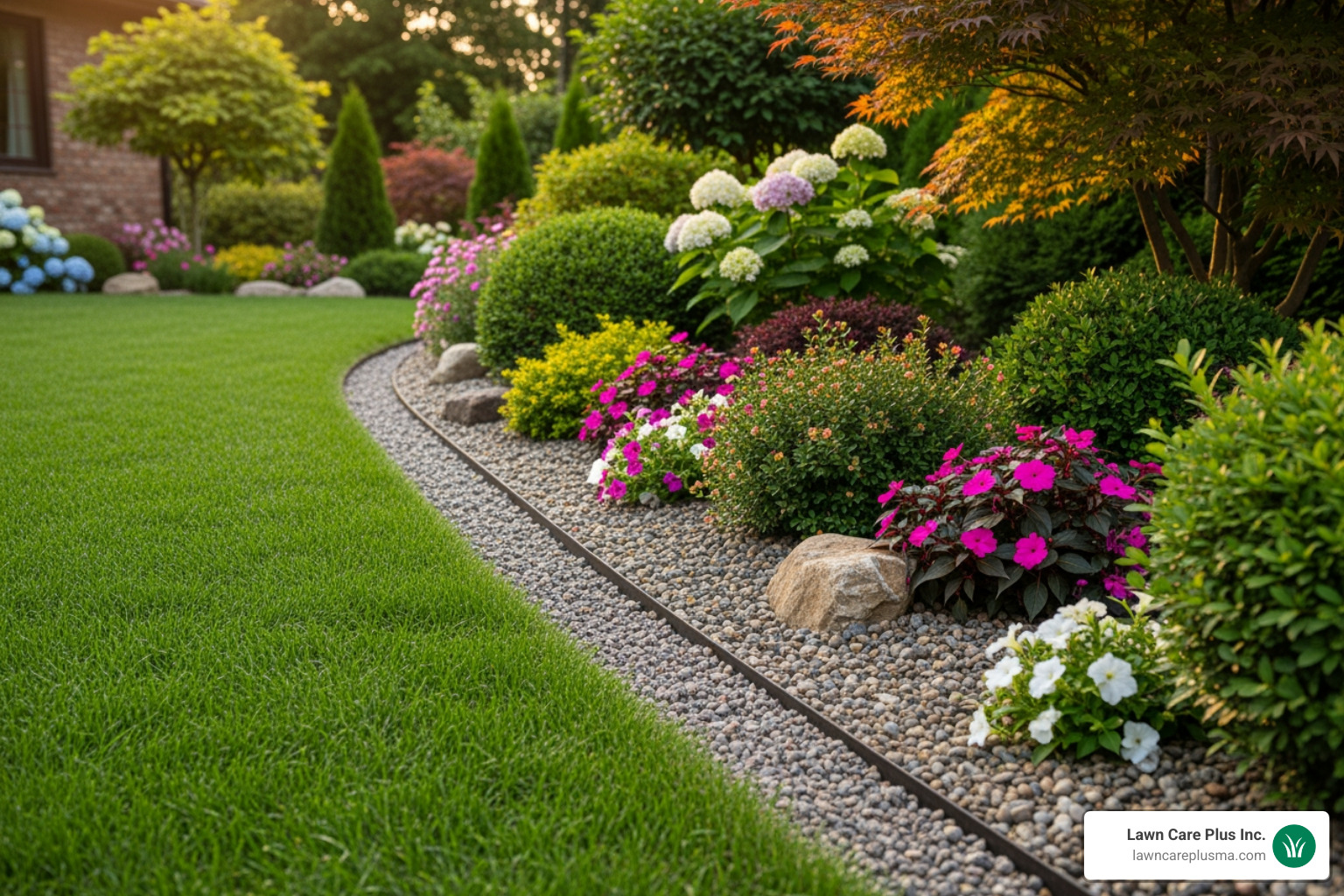
Subsurface Drainage Solutions
These systems work underground, out of sight, to collect and redirect water before it can cause problems.
- French Drains: Often hailed as the workhorse of subsurface drainage, a French drain is a trench filled with gravel, containing a perforated pipe. This pipe collects groundwater and surface water that has seeped through the gravel, channeling it away from problem areas like foundations, soggy yards, or hardscaped areas. The water then flows to a suitable discharge point, such as a dry well, storm sewer, or an appropriate downslope area. French drains are incredibly versatile and effective for intercepting groundwater flow. We often install them to protect basements, as detailed in our guide on French Drain Inside Basement.
- Dry Wells: A dry well is an underground chamber, often a large hole filled with gravel or a pre-manufactured barrel, designed to collect runoff and allow it to slowly percolate back into the surrounding soil. They are particularly useful for managing concentrated runoff from downspouts or French drains, especially when there’s no suitable downslope area for discharge. Dry wells help replenish groundwater and prevent surface pooling. Average dry well installation costs can range from $1,500 to $6,000 or more, based on internet data and not actual Lawn Care Plus pricing.
- Catch Basins: These are essentially grated collection boxes installed at low points in your yard or hardscape where water tends to collect. Water flows into the basin through the grate and is then directed away via an underground pipe system. Catch basins are excellent for quickly removing standing water from specific problem spots. They often integrate with other subsurface systems, including Inside Basement Drainage Systems to keep your property dry.
Surface Drainage Solutions
Sometimes, the best solution is to manage water right where it falls, guiding it away using carefully designed surface features.
- Grading: This is the most fundamental and often the first step in addressing surface drainage issues. Proper grading involves reshaping the land to create a gentle slope away from your home and other structures. We ensure that water flows away from vulnerable areas, preventing it from pooling or seeping into foundations. A well-graded property acts as a natural defense against water damage, and it’s something we prioritize in all our landscape projects across Massachusetts.
- Swales: A swale is a shallow, broad, and gently sloping channel, often vegetated with grass or other plants. Unlike a ditch, a swale is designed to blend naturally into the landscape, slowing down surface runoff, allowing some water to infiltrate, and guiding excess water safely to a desired discharge point. Swales can also help filter pollutants from stormwater. They are an eco-friendly and aesthetically pleasing solution for managing surface water and are often integrated into our comprehensive Surface Drainage System Ultimate Guide.
- Dry Creek Beds: These are man-made channels lined with stones and rocks, designed to mimic natural dry streams. While they primarily function during rainfall to channel water flow and prevent erosion, they also serve as attractive landscape features during dry periods. Dry creek beds are excellent for properties where water flows quickly, such as on slopes, providing both functionality and visual appeal.
- Channel Drains: These are linear drainage systems, typically long, narrow grates, installed across hard surfaces like driveways, patios, and sidewalks. They effectively intercept surface runoff across an entire path, preventing puddles and directing water into an underground pipe system. Channel drains are particularly useful in areas with large impervious surfaces where water management is critical. For more details, see our article on Channel Drainage System.
DIY Fixes vs. Calling a Professional
Knowing when to roll up your sleeves for a DIY fix and when to call in the cavalry (that’s us!) is key to effective and sustainable drainage solutions. For minor issues, a little effort can go a long way. For more complex or persistent problems, professional expertise is invaluable.
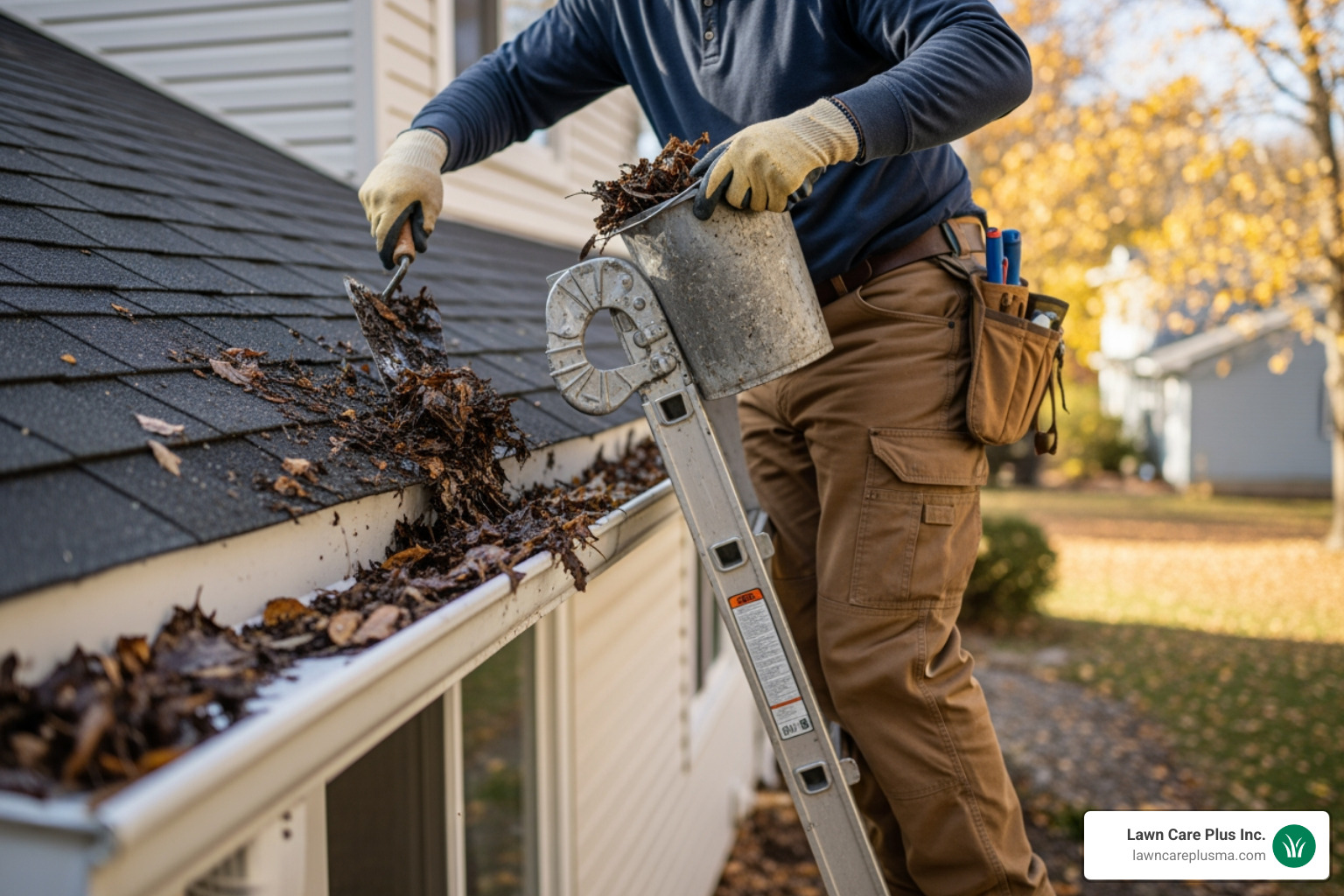
Simple DIY Drainage Solutions to Try First
Before considering more extensive projects, we always recommend starting with these accessible and often effective DIY approaches for properties in Massachusetts:
- Clean Gutters Regularly: This might seem obvious, but clogged gutters are a leading cause of foundation issues. Debris prevents water from flowing freely, causing it to spill over and pool around your house. We suggest cleaning them at least twice a year, especially before spring rains and after fall foliage.
- Extend Downspouts: Many downspouts discharge water too close to the foundation. Simple, inexpensive downspout extenders (flexible or accordion-type pipes) can direct water several feet away from your home, often preventing basement moisture. For more advanced solutions, consider Installing a French Drain for Gutters. You can also learn more about redirecting downspouts in the Disconnect or Redirect Your Downspout Brochure.
- Aerate the Lawn: If compacted soil is causing surface pooling, aerating your lawn can create small holes, allowing water and air to penetrate deeper. This improves infiltration and reduces runoff.
- Amend Soil with Organic Matter: For dense, clay-heavy soils (common in parts of Massachusetts), incorporating organic matter like compost can improve soil structure over time, making it more permeable and better able to absorb water.
- Install a Rain Barrel: Rain barrels collect rainwater from your downspouts, preventing it from saturating the ground near your foundation. Plus, you get free water for your garden!
When to Hire a Professional
While DIY fixes are great for minor issues, there are clear indicators that it’s time to call in professionals like our team at Lawn Care Plus Inc. Attempting complex drainage solutions without proper knowledge can lead to bigger problems or even property damage.
- Widespread or Persistent Water Issues: If multiple areas of your yard are constantly soggy, or if puddles persist for days after rain, the problem likely runs deeper than a simple fix.
- Signs of Foundation Damage: Any cracks in your foundation, water in your basement, or significant settling around your home are red flags. These issues require an expert assessment to prevent further structural damage.
- Major Grading Required: Reshaping your entire yard to achieve proper slopes is a labor-intensive and precise task that requires heavy equipment and a keen understanding of hydrology. Incorrect grading can exacerbate drainage problems or redirect water onto a neighbor’s property.
- Complex System Installation: Installing subsurface systems like French drains, dry wells, or extensive catch basin networks involves excavation, proper pipe sizing, and ensuring correct slopes for gravity flow. This is best left to experienced professionals.
- Navigating Local Permits: Depending on the scope of the project, especially those involving major earthwork or connections to municipal systems, permits may be required by your local municipality in Massachusetts. We have experience navigating these regulations.
- For an expert assessment of drainage solutions for sloping land: Sloped properties present unique challenges and opportunities for drainage. An expert can design solutions that work with the natural topography rather than against it.
Our team, with years of experience serving areas like Brookline, Needham, and Wellesley, is equipped to diagnose complex drainage issues and implement robust, long-lasting solutions.
The Long-Term View: Maintenance and Landscaping
Effective drainage solutions aren’t just about pipes and gravel; they’re also about smart landscaping and consistent maintenance. By integrating thoughtful design and regular upkeep, we ensure your property remains dry and beautiful for years to come.
The Role of Landscaping in Water Management
Strategic landscaping can significantly improve your property’s ability to manage water runoff, turning potential problem areas into attractive features.
- Rain Gardens: These are shallow depressions planted with water-loving native plants. Designed to collect and absorb stormwater runoff from roofs, driveways, or lawns, rain gardens allow water to slowly filter into the ground, reducing the burden on storm drains and replenishing groundwater. They are beautiful, eco-friendly, and a fantastic way to manage water in areas like Medfield and Dedham. Find more with our Garden Land Drainage Solutions.
- Permeable Pavers: Traditional hardscapes create impervious surfaces that shed water. Permeable pavers, on the other hand, allow water to seep through their surfaces and into the ground below. This reduces runoff and prevents puddles on driveways, patios, and walkways, making them a functional and aesthetic choice.
- Retaining Walls with Integrated Drainage: On sloped properties, retaining walls are crucial for preventing erosion. When properly designed, they can also incorporate drainage systems, such as weep holes or internal French drains, to manage water pressure behind the wall. This protects the wall’s integrity and prevents water from pooling at its base. Learn more about Retaining Wall Drainage.
- Strategic Plant Selection: Choosing plants that are appropriate for your soil type and moisture levels can greatly assist drainage. Deep-rooted native plants, for instance, help stabilize soil and improve its ability to absorb water.
Maintaining Your Drainage System for Longevity
Even the most robust drainage solutions require ongoing care to remain effective. Regular maintenance ensures your systems function optimally, protecting your investment for the long haul.
- Regularly Clean Grates and Basins: Catch basins and channel drains can become clogged with leaves, sediment, and debris. We recommend periodic cleaning to ensure water can enter freely.
- Inspect for Clogs and Damage: Periodically check pipes, especially French drains and downspout extensions, for any blockages or damage. A clogged pipe can render an entire system useless.
- Clear Debris from Swales and Dry Creek Beds: While swales and dry creek beds are designed to handle water, they can accumulate leaves and other debris. Keeping them clear ensures unobstructed water flow.
- Check Downspout Connections: Ensure all downspout extensions and connections to underground drainage systems are secure and free of leaks.
- Seasonal Yard Cleanups: Comprehensive Fall yard clean-ups are crucial for preventing leaves and other organic matter from clogging gutters, drains, and other drainage features. In the spring, ensure everything is clear and ready for seasonal rains.
- Monitor Grading: Over time, soil can settle. Periodically check that your property’s grading still directs water away from your home. If needed, minor regrading can prevent major issues.
Frequently Asked Questions about Drainage Solutions
We frequently hear similar questions from homeowners and commercial property managers in Massachusetts regarding their drainage concerns. Here are some of the most common, along with our expert insights.
What is the best and most affordable drainage solution?
The “best” solution is always the one that effectively addresses your specific problem. However, in terms of affordability and impact, we often find that:
- Downspout extensions are typically the most cost-effective DIY starting point, preventing a significant amount of water from collecting near your foundation.
- Proper grading is the most fundamental fix. While it can be labor-intensive, ensuring your yard slopes away from your home is often the cornerstone of any effective drainage strategy.
- For persistent wet spots or groundwater issues, a French drain can be an incredibly effective and relatively affordable professional solution, especially considering the long-term protection it offers.
How do I fix bad drainage in my yard permanently?
A permanent fix requires a thorough understanding of the root cause of the problem. There’s rarely a one-size-fits-all solution. Often, a combination of methods is needed to create a truly permanent and effective drainage system. This might include:
- Professional grading to ensure correct slopes.
- Installation of subsurface drains (like French drains or catch basins) to capture and redirect water.
- Integration of surface solutions (like swales or rain gardens) to manage runoff naturally.
Our team at Lawn Care Plus Inc. approaches permanent fixes by first conducting a detailed assessment of your property to design a system that works with your specific topography, soil conditions, and climate.
Do rocks and gravel help with yard drainage?
Absolutely! Rocks and gravel are invaluable components of many effective drainage solutions:
- Gravel is a key material in French drains and dry wells. Its porous nature allows water to percolate through it, either into a perforated pipe (French drain) or directly into the soil (dry well). This improves the rate at which water can move away from problem areas.
- In a dry creek bed, strategically placed rocks not only create an aesthetic landscape feature but also efficiently direct surface water flow, preventing erosion and guiding water to a desired discharge point. The varying sizes of rocks and gravel slow down the water, allowing some infiltration and preventing rapid runoff.
Conclusion: Protecting Your Massachusetts Property with the Right Drainage
As we’ve explored, effective drainage solutions are not just about aesthetics; they are a critical investment in the health, safety, and longevity of your property. From preventing costly foundation damage and soil erosion to fostering a healthier landscape free from pests, managing water effectively is paramount for any homeowner or commercial property manager in the Boston Metro-West area.
The right solution is always custom to the specific problem and unique characteristics of your land. Whether it’s a simple adjustment to your downspouts or the comprehensive installation of a subsurface drainage system, understanding your options is the first step toward a drier, more enjoyable outdoor space.
For a professional assessment and installation of custom drainage solutions in the Boston Metro-West area, the experienced team at Lawn Care Plus Inc. can help. We bring our decade of expertise to properties in Brighton, Watertown, Norwood, and beyond, ensuring your landscape thrives and your home remains protected from the challenges of excess water.
Explore our hardscape and landscape services today and let us help you safeguard your investment.