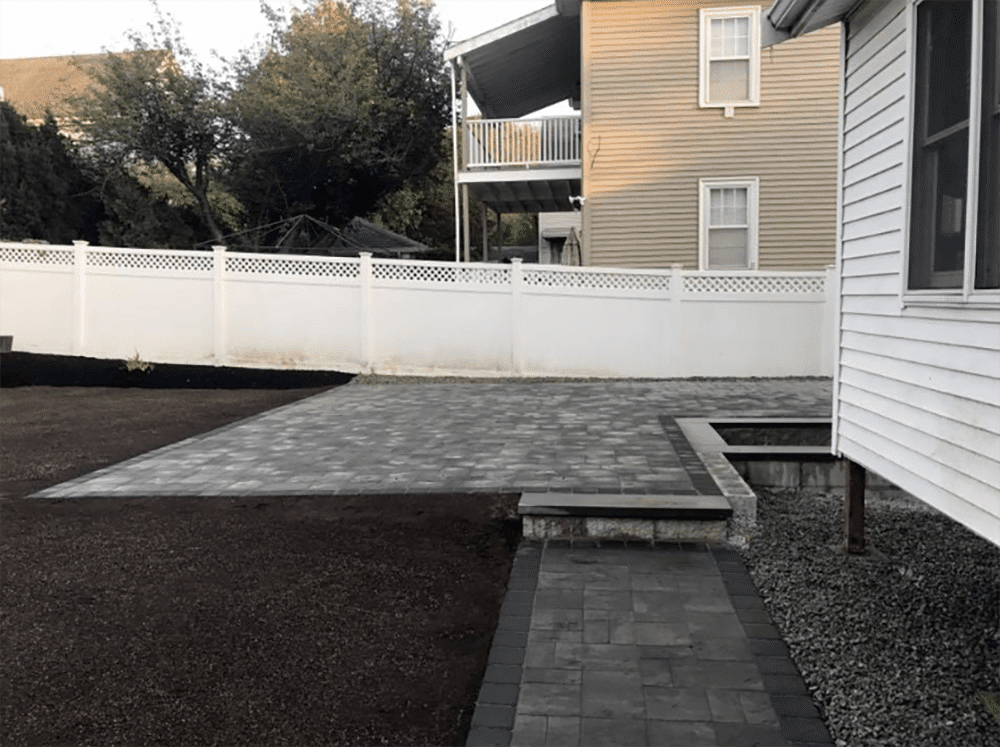
Transform Your Outdoor Space with a Stunning Paver Patio
Installing a concrete paver patio is an achievable DIY project that can dramatically improve your outdoor living space. While it requires physical work and planning, the results are well worth the effort.
Quick Overview: Installing a Concrete Paver Patio
- Plan and prepare – Mark your area, check for utilities, and calculate materials needed
- Excavate – Dig 7-9.5 inches deep to accommodate all layers
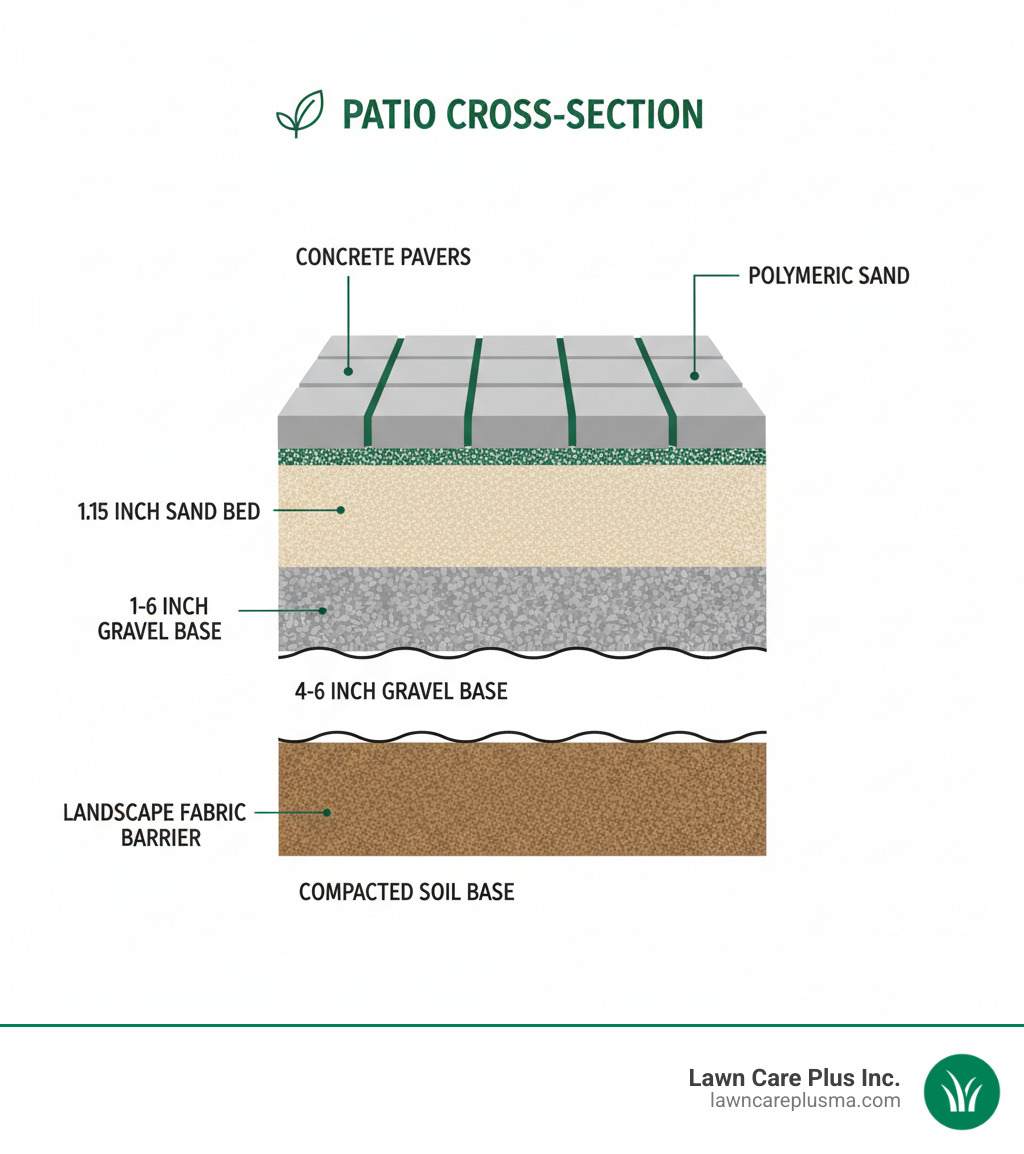
- Build the foundation – Lay landscape fabric, add 4-6 inches of compacted gravel, then 1-1.5 inches of sand
- Lay the pavers – Place pavers in your chosen pattern, starting from a corner
- Secure the edges – Install paver edging around the perimeter
- Finish – Fill joints with polymeric sand, compact, and lightly mist with water
Concrete pavers offer incredible durability, resisting cracks better than poured concrete and lasting for decades. With countless colors, shapes, and patterns available, you can create a custom look that complements your home.
Unlike a poured concrete slab, individual pavers can be easily replaced if damaged. They also provide superior drainage, preventing large puddles.
The process involves excavating soil, creating a stable base of compacted gravel and sand, and ensuring a proper drainage slope away from your house.
This project can take a weekend or two, depending on the patio size. You’ll need to rent some specialty tools like a plate compactor, but the satisfaction of creating your own outdoor space is immense.
Quick look at how to install concrete paver patio:
- average cost of concrete patio installation
- concrete patio contractors near me
- cost to have stamped concrete patio installed
Step 1: Planning, Designing, and Preparing Your Patio Area
Successful paver patio installation begins with careful planning. This initial step, where you design your layout, calculate materials, and check for underground utilities, is crucial for preventing problems later on.
Essential Tools and Materials
Gather your tools and materials before you begin. There’s nothing worse than a mid-project run to the hardware store.
Tools: You will need shovels (round-point and flat), a wheelbarrow, tape measure, a long level (4-ft+), and a rubber mallet. For a stable base, renting a plate compactor is highly recommended. You’ll also need screed rails (e.g., electrical conduit) and a straight 2×4 board for leveling the sand. For cutting pavers, a masonry saw provides the cleanest cuts, though a hammer and chisel can work for simple adjustments. Safety gear is essential: goggles, gloves, a dust mask, and hearing protection. Also have garden stakes, mason’s line, a push broom, leaf blower, and a garden hose on hand.
Materials: Your list includes concrete pavers (typically 2-3″ thick), paver base gravel (Class 2 Road Base), bedding sand, landscape fabric, paver edging with spikes, and polymeric sand.
Designing Your Patio and Ensuring Proper Drainage
Designing your patio is where your vision takes shape. Consider how you’ll use the space—will it be for dining or a fire pit? Ensure the size accommodates your furniture and activities. While square and rectangular shapes are classic, curves can add a unique flow to your landscape.
The paver pattern has a major visual impact. Running bond is simple and classic. Herringbone offers a dynamic zigzag look that’s very strong. Basket weave provides a charming, traditional feel. For color, darker pavers are often recommended as they show less fading over time.
Proper drainage is critical, especially in Massachusetts. Your patio must slope away from your house foundation. A slope of 1/8 to 1/4-inch drop per foot (or 1 inch for every 4-8 feet) is the standard to prevent pooling water.
Consider the patio’s connection to existing structures. The finished height must align with doorways and steps for safety and function. The surface should sit at or slightly above ground level to prevent tripping and water intrusion.
If you’re in Massachusetts and feeling overwhelmed by the design process, the team at Lawn Care Plus Inc. can help you plan everything from concept to completion. More info about patio and fire pit services offered by Lawn Care Plus Inc.
How to Prepare the Area for Paver Installation
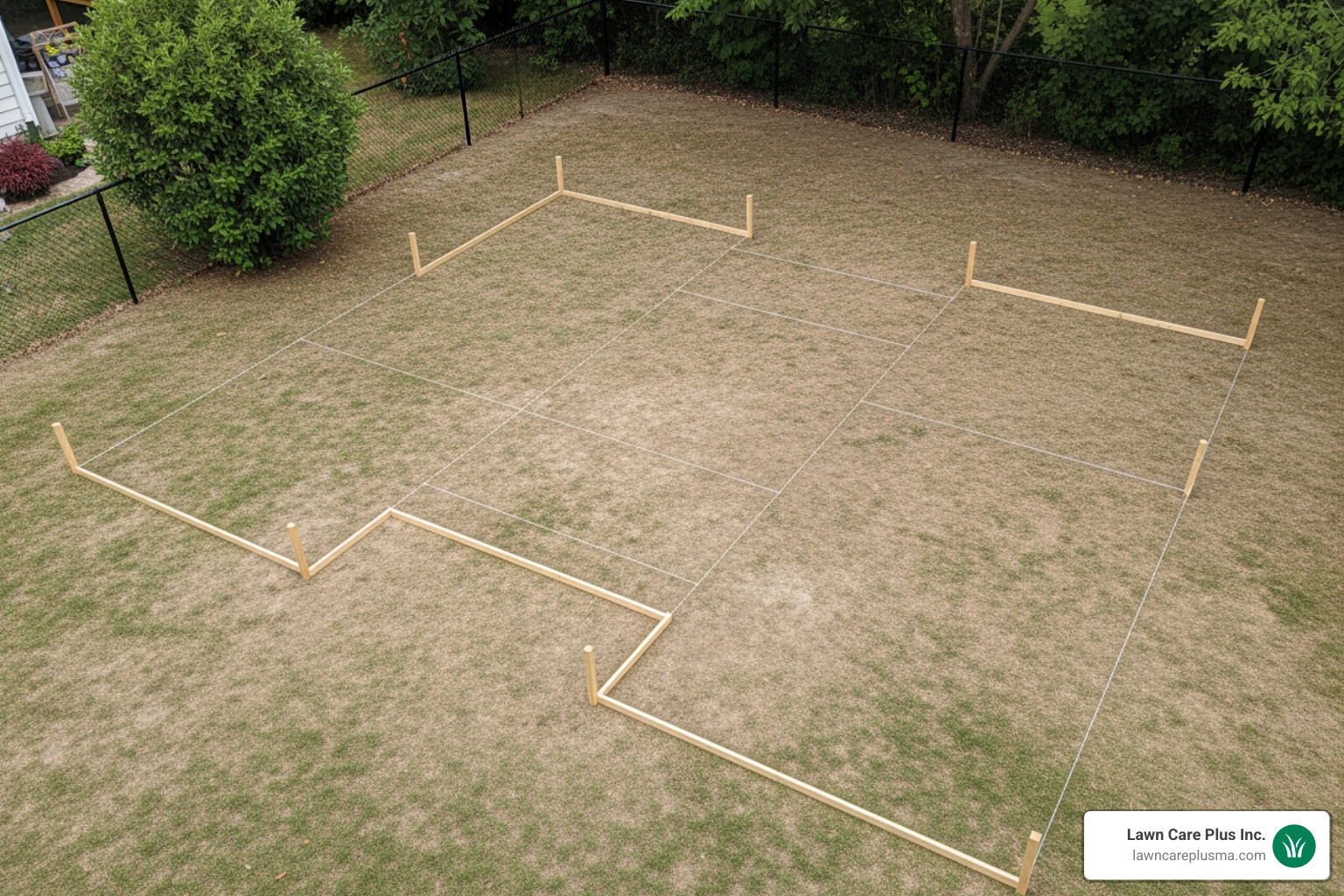
First, mark your layout with stakes and string. To ensure square corners, use the 3-4-5 triangle method: measure 3 feet along one line and 4 feet along the adjacent line; the diagonal between these points should be exactly 5 feet. Confirm the layout is square by checking that opposite diagonal measurements are equal.
Next, calculate your excavation depth by adding the thickness of your materials: pavers (2-3″), sand bed (1-1.5″), and gravel base (4-6″). This results in a total excavation depth of 7 to 9.5 inches. Dig deeper for clay soil or poor drainage areas. The finished patio surface should be about an inch above the surrounding ground to ensure proper drainage.
Before digging, call 811 or visit their website to have underground utility lines marked for free. This is a critical safety step. Also, check with your local building department for any necessary permits and review your homeowner association rules.
Step 2: How to Install a Concrete Paver Patio Foundation
A strong foundation is the most critical part of a long-lasting paver patio. A properly prepared base prevents pavers from shifting, sinking, or becoming uneven over time, ensuring stability and longevity.

Excavating and Compacting the Subgrade
With the area marked and utilities identified, begin excavating. Remove grass, topsoil, and debris to your calculated depth of 7 to 9.5 inches. As you dig, shape the subgrade to match your planned drainage slope of 1/8 to 1/4-inch drop per foot away from the house.
Once excavated, compact the exposed soil using a hand tamper or, for better results, a plate compactor. This prevents future settling. Use a level and straightedge to continuously check that the depth and slope are consistent, removing high spots and filling/compacting low spots as needed.
Building the Gravel and Sand Base
Now, build the layers that give your patio its strength and drainage.
Laying Landscape Fabric:
On the compacted and sloped subgrade, lay woven landscape fabric, extending it up the sides. Overlap seams by 12 to 18 inches. This fabric separates the gravel base from the soil, maintaining stability and drainage.
Adding the Gravel Base:
Add Class 2 Road Base gravel in 2- to 3-inch layers. Lightly moisten each layer with a hose and then compact it thoroughly with the plate compactor. Repeat this process until you have a solid, compacted base of 4 to 6 inches.
Adding and Leveling the Bedding Sand:
Spread a 1 to 1.5-inch layer of bedding sand over the gravel base. This layer provides a smooth surface for the pavers. To level it, place two screed rails (e.g., 1-inch pipes) parallel on the gravel. Pour sand between them and drag a straight 2×4 board across the rails to create a perfectly flat, smooth surface. Carefully remove the rails, fill the voids with sand, and avoid walking on the screeded area.
For homeowners in the Boston Metro-West area who’d prefer to skip the heavy lifting and let professionals handle the foundation work, the team at Lawn Care Plus Inc. has years of experience creating stable, properly drained patio bases. Learn more about our hardscaping services.
Step 3: Laying, Cutting, and Securing the Pavers
With the foundation complete, it’s time to lay the pavers. This stage brings your patio to life, but careful placement and secure edging are vital for a durable, long-lasting result that can withstand New England weather.
How to Lay Pavers for a Stable and Aesthetic Patio
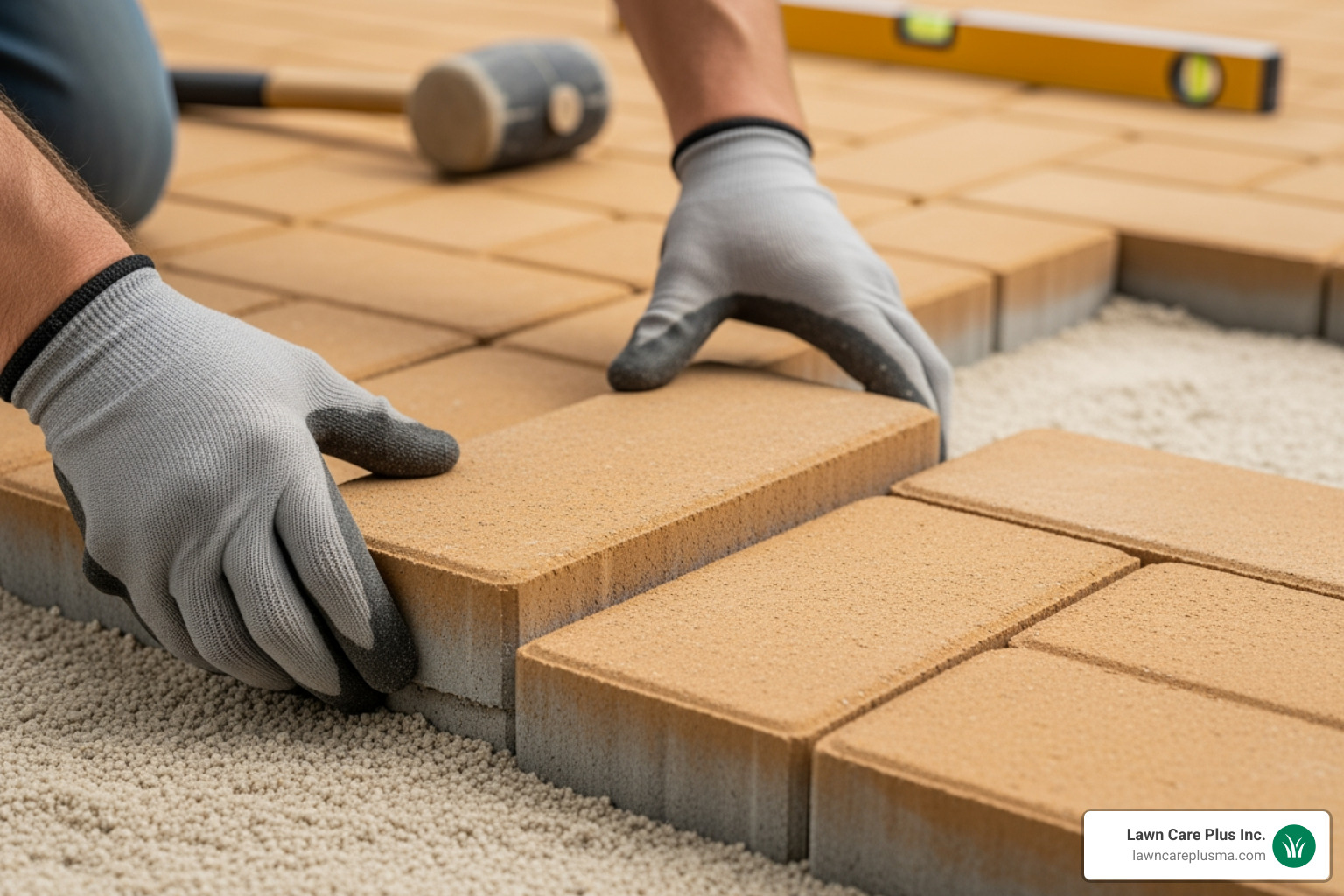
Start laying pavers from a 90-degree corner, such as against the house, and work outwards. Place pavers straight down onto the sand bed; do not slide them. Gently tap them against adjacent pavers to create small, consistent gaps for the jointing sand. Use mason’s lines to keep your rows straight.
Every few rows, check that the pavers are level and that you’re maintaining the drainage slope. Use a rubber mallet to tap down high pavers or lift a paver to add a pinch of sand underneath to correct low spots.
Best Practices for Cutting Pavers
You will inevitably need to cut pavers for edges and patterns. Mark your cut lines clearly. A rented wet saw with a diamond masonry blade provides the cleanest, most professional cuts.
When cutting, always wear proper safety gear: safety goggles, gloves, hearing protection, and a respirator or dust mask to protect against silica dust. For simpler cuts, you can score the paver with a hammer and chisel and tap it until it breaks.
If the cutting part feels daunting or if your project involves more complex masonry work, that’s exactly what we’re here for at Lawn Care Plus Inc. Our team handles intricate cuts and custom fitting as part of our comprehensive masonry services throughout the Boston Metro-West area. More info about masonry services offered by Lawn Care Plus Inc..
Installing Paver Edging to Secure the Perimeter
Paver edging is essential to prevent the perimeter pavers from shifting over time due to foot traffic and frost heave. Use rigid plastic or metal paver edging, not flimsy garden edging. Position it snugly against the outer pavers around the entire patio.
Secure the edging by driving landscape spikes through its holes into the gravel base, spacing them about every 12 inches. Once secured, backfill soil against the outside of the edging to anchor it firmly in place.
For homeowners planning larger outdoor projects that include retaining walls or multi-level patios, integrating proper edging becomes even more critical. Our team at Lawn Care Plus Inc. regularly designs and installs comprehensive hardscaping solutions that tie all these elements together beautifully. More info about retaining wall services offered by Lawn Care Plus Inc..
Step 4: Finishing Touches and Long-Term Maintenance
These final steps will lock your pavers in place and ensure your patio looks professional. With simple long-term care, your new outdoor space will last for decades.
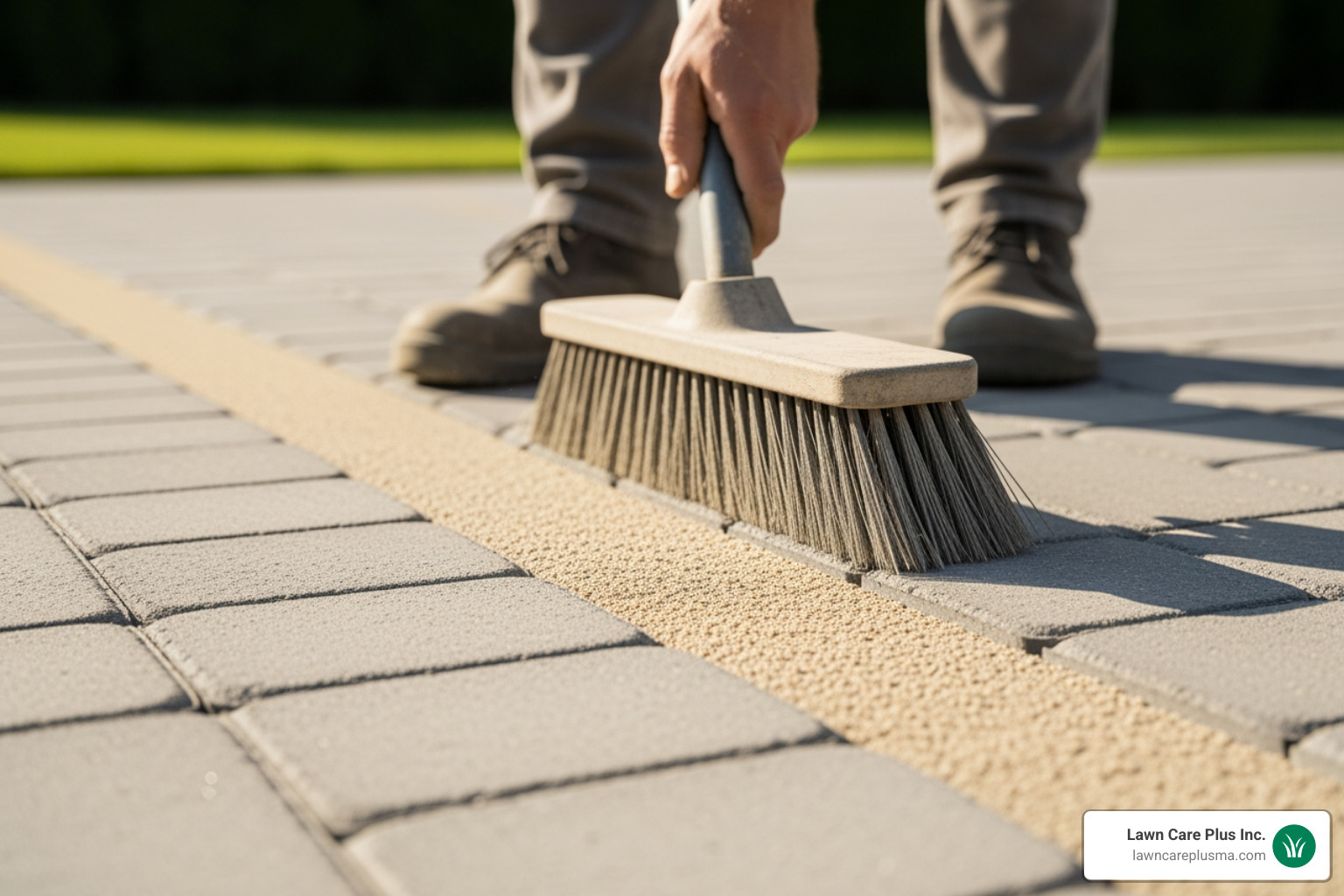
Applying Polymeric Sand to Lock Pavers in Place
Polymeric sand contains polymers that harden when wet, locking pavers together and preventing weeds.
- Ensure Pavers are Dry: The paver surface must be completely dry to prevent the sand from staining the pavers.
- Sweep Sand into Joints: Pour sand over the patio and use a push broom to sweep it into the joints from multiple angles until they are full.
- Compact the Pavers: Run a plate compactor over the patio. This vibrates the sand deep into the joints.
- Repeat: Sweep more sand into the joints and compact again. Repeat until the joints remain full after compaction.
- Clean the Surface: Use a leaf blower to remove ALL excess sand from the paver surfaces. This step is critical to prevent a permanent hazy film.
- Activate the Sand: Gently mist the patio with a garden hose on a light spray setting. Do not use high pressure, as it will wash the sand out.
- Cure: Allow the sand to cure for at least 24 hours (or as directed by the manufacturer) without foot traffic or rain.
How to Maintain a Paver Patio After Installation
Maintaining a concrete paver patio is simple.
- Regular Cleaning: Sweep debris off the patio regularly. For deeper cleaning, use a stiff brush with mild soap and water. Avoid using a pressure washer, which can damage joints and pavers.
- Weed Control: Pull any occasional weeds by hand or spot-treat with a weed killer.
- Sealing (Optional): Applying a quality paver sealer every 1-2 years can protect against stains and improve color. Ensure the patio is clean and dry before application.
- Topping Off Sand: If joint sand levels drop over time, simply sweep in fresh polymeric sand to refill the joints.
- Winter Care: In Massachusetts, use plastic-edged shovels and snow blowers to avoid scratching pavers. Salt and ice melt are generally safe, but avoid using sharp tools to chop ice.
If yard maintenance feels overwhelming, or if you’d simply prefer to spend your weekends enjoying your beautiful new patio rather than maintaining it, the team at Lawn Care Plus Inc. offers comprehensive seasonal cleanup services. More info about spring and fall cleanups offered by Lawn Care Plus Inc..
Frequently Asked Questions about Paver Installation
Here are answers to some of the most common questions about installing a paver patio.
Can I Install Pavers Over an Existing Concrete Patio?
Yes, you can install pavers over an existing concrete patio, but only if the slab is in good condition.
- The concrete must be structurally sound, with no major cracks or settling.
- It must have proper drainage slope (at least 1 inch per 8 feet) away from your house.
- Use a 1-inch sand drainage layer between the concrete and the pavers.
- Secure the perimeter pavers with concrete adhesive.
- Do not use a plate compactor on the pavers, as the rigid base can cause them to crack. Set and level each paver by hand.
What Do Concrete Pavers Cost to Install?
The cost to install a concrete paver patio depends on size, complexity, materials, and whether it’s a DIY project or a professional installation.
- DIY Costs: Material costs for a DIY project typically range from $3 to $7 per square foot. This includes pavers, base materials, and sand, but not tool rentals.
- Professional Installation: Hiring a professional can range from $8 to over $25 per square foot. The final price depends on project complexity, site access, and material choices.
Please note: These are average costs based on internet data and not actual costs for Lawn Care Plus Inc. We provide customized quotes for every project based on your specific needs.
What Are the Most Popular Paver Patterns?
The paver pattern you choose affects both the look and installation difficulty. The three most popular are:
- Running Bond: The easiest pattern for DIYers. Pavers are laid in offset rows, creating a classic, clean look.
- Herringbone: A visually striking zigzag pattern that is structurally very strong, making it great for high-traffic areas. It requires more cutting at the edges.
- Basket Weave: Alternating pairs of vertical and horizontal pavers create a charming, traditional look perfect for backyard patios.
Conclusion
Building your own paver patio is a rewarding project that requires patience and precision. By following the proper steps for how to install concrete paver patio, you create a durable, beautiful space for decades of enjoyment. Unlike poured concrete, a paver patio resists cracking, stands up to Massachusetts weather, and allows for easy replacement of individual pavers. This project boosts your home’s curb appeal and property value, extending your living space outdoors.
However, a DIY project of this scale isn’t for everyone. If you’re short on time or prefer a professional touch, the experienced team at Lawn Care Plus Inc. is here to help. We serve homeowners throughout the Boston Metro-West area, including Belmont, Boston, Brighton, Brookline, Canton, Chestnut Hill, Dedham, Hyde Park, Jamaica Plain, Mattapan, Medfield, Milton, Needham, Newton, Norwood, Randolph, Readville, Roslindale, Walpole, Watertown, Wellesley, and Westwood. We handle everything from design to final installation with expert craftsmanship.
Whether you build it yourself or hire our team, the result is a stunning patio you’ll enjoy for years to come.
Learn more about our hardscaping services.