
If you’re dreaming of changing your outdoor space into an inviting oasis, landscape walls are the perfect starting point. Whether you envision a bold retaining wall, a charming garden wall, or a modern landscape wall design, these versatile features can redefine your exterior areas with both beauty and function.
Quick Overview of Landscape Wall Ideas:
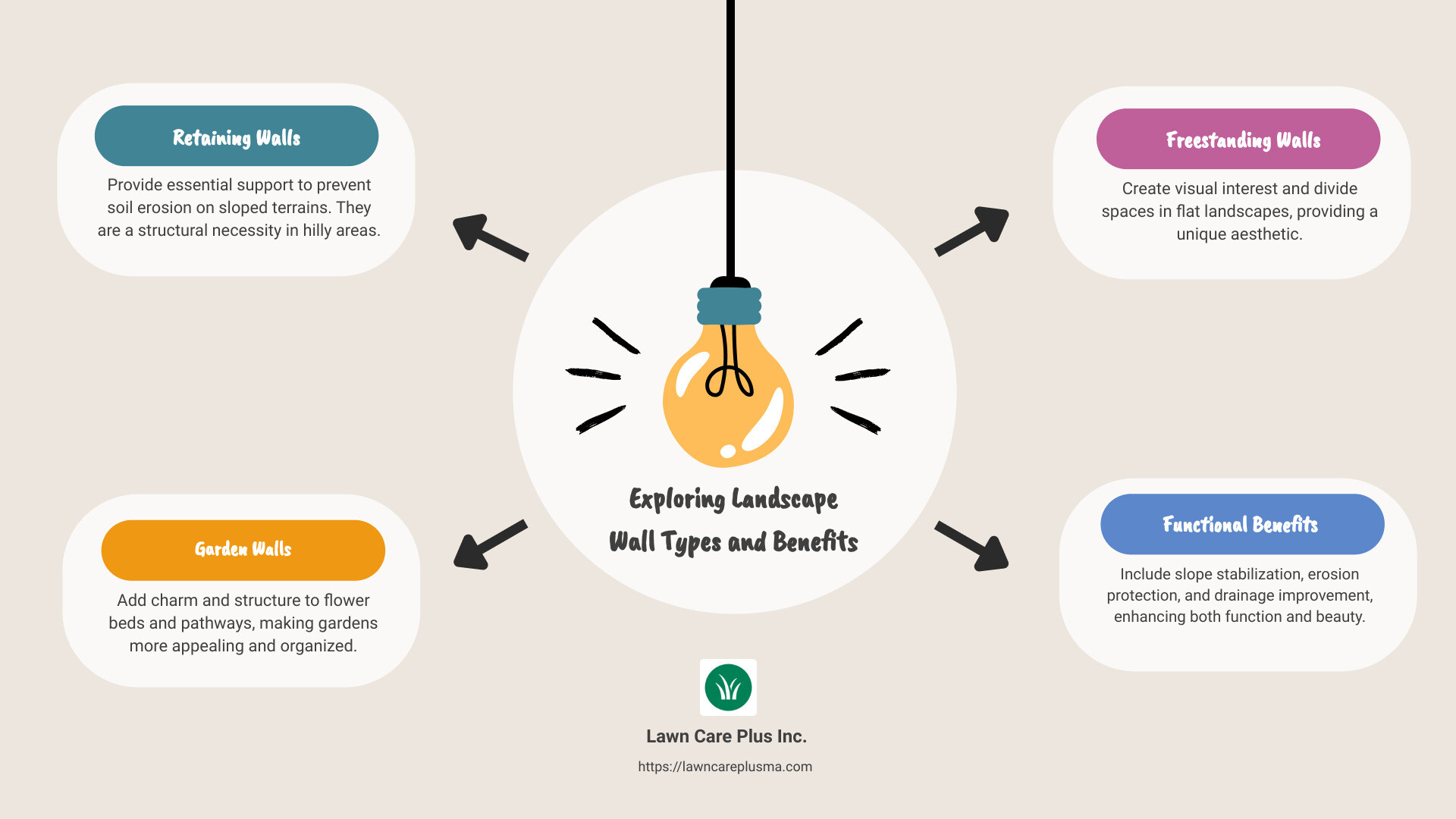
– Retaining Walls: Provide essential support to prevent soil erosion on sloped terrains.
– Garden Walls: Add charm and structure to flower beds and pathways.
– Freestanding Walls: Create visual interest and divide spaces in flat landscapes.
A well-designed landscape wall does more than hold soil. It lifts the style of your yard and can increase property value, all while making outdoor areas more practical and visually pleasing.
Want a more beautiful yard? Find how the right landscape wall can improve your outdoor environment.
Explore more about Landscape Wall:
– block wall
– concrete block retaining wall
– concrete retaining wall block
Understanding Landscape Walls
Types of Landscape Walls
Landscape walls come in various forms, each serving unique purposes and adding distinct character to outdoor spaces. Here’s a breakdown of the main types:
Retaining Walls
Retaining walls are structural elements designed to hold back soil and manage sloped landscapes. These walls are essential for preventing soil erosion and can be crafted from materials like stone, concrete, or timber. They often feature footings for added stability and can vary in height based on the needs of the landscape.
- Gravity Retaining Walls: These rely on their own weight to hold back soil.
- Cantilevered Retaining Walls: Use a lever-arm structure to provide support.
- Piled and Anchored Retaining Walls: Ideal for areas requiring deeper foundations.
Retaining walls not only stabilize slopes but also create opportunities for terraced gardens, providing both functionality and beauty.
Garden Walls
Garden walls, often referred to as small retaining walls, are typically lower in height, ranging from 18 to 24 inches. They are perfect for defining flower beds and pathways, adding a touch of elegance without the need for heavy-duty support. These walls are ideal for lighter soil and decorative purposes, enhancing the visual appeal of gardens.
Freestanding Walls
Freestanding walls are not designed to hold back soil but rather to define spaces and add visual interest. These walls are perfect for flat landscapes where division of space is desired. They can double as seating areas or decorative features. Freestanding walls are versatile and can be built using modular blocks, providing endless design possibilities.
Modular Blocks and Terraced Walls
Modular blocks are a popular choice for both retaining and freestanding walls. They offer flexibility in design and are available in various shapes and colors to match any aesthetic. Terraced walls, often created using modular blocks, are excellent for creating multi-level gardens on sloped terrain, maximizing space and enhancing the landscape’s beauty.
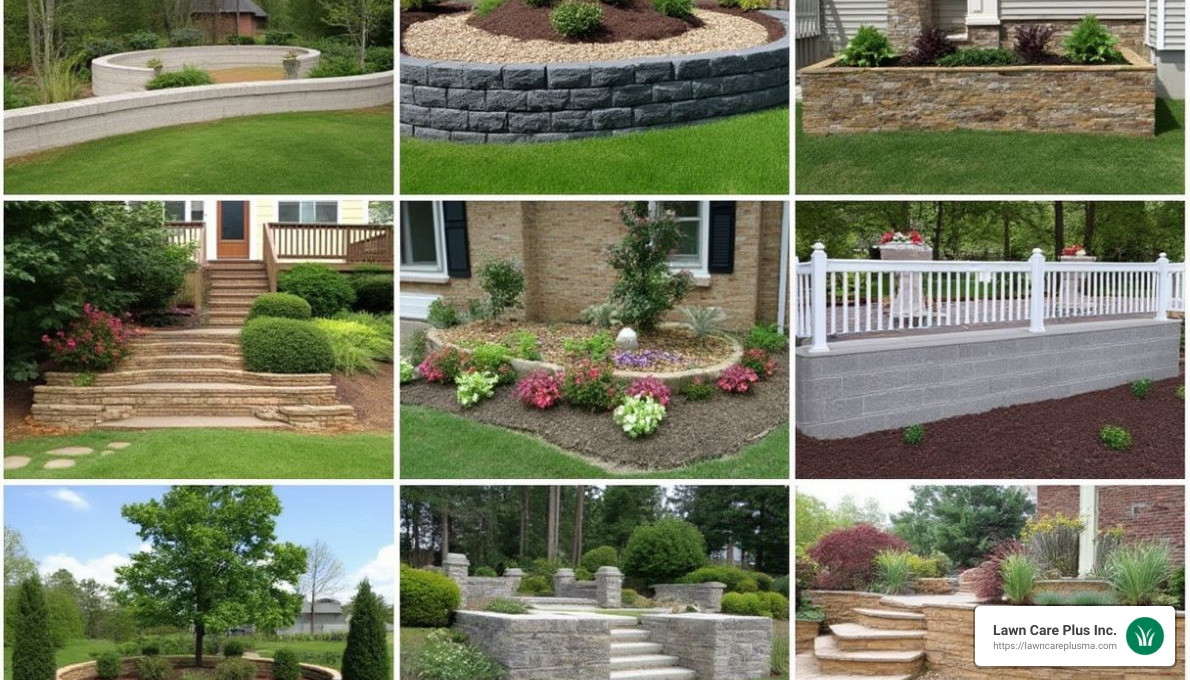
Each type of wall serves a specific purpose and can transform your outdoor space into a functional and attractive area. Whether you’re looking to manage slopes, create garden borders, or define spaces, understanding the different types of landscape walls is the first step in planning your project.
Explore how these landscape wall options can transform your outdoor living spaces.
Design Ideas for Landscape Walls
Enhancing Aesthetics
When it comes to enhancing the aesthetics of your outdoor space, landscape walls offer endless possibilities. They can transform a simple yard into a visually stunning environment. Here are some design ideas to consider:
Stone Finishes and Natural Stone
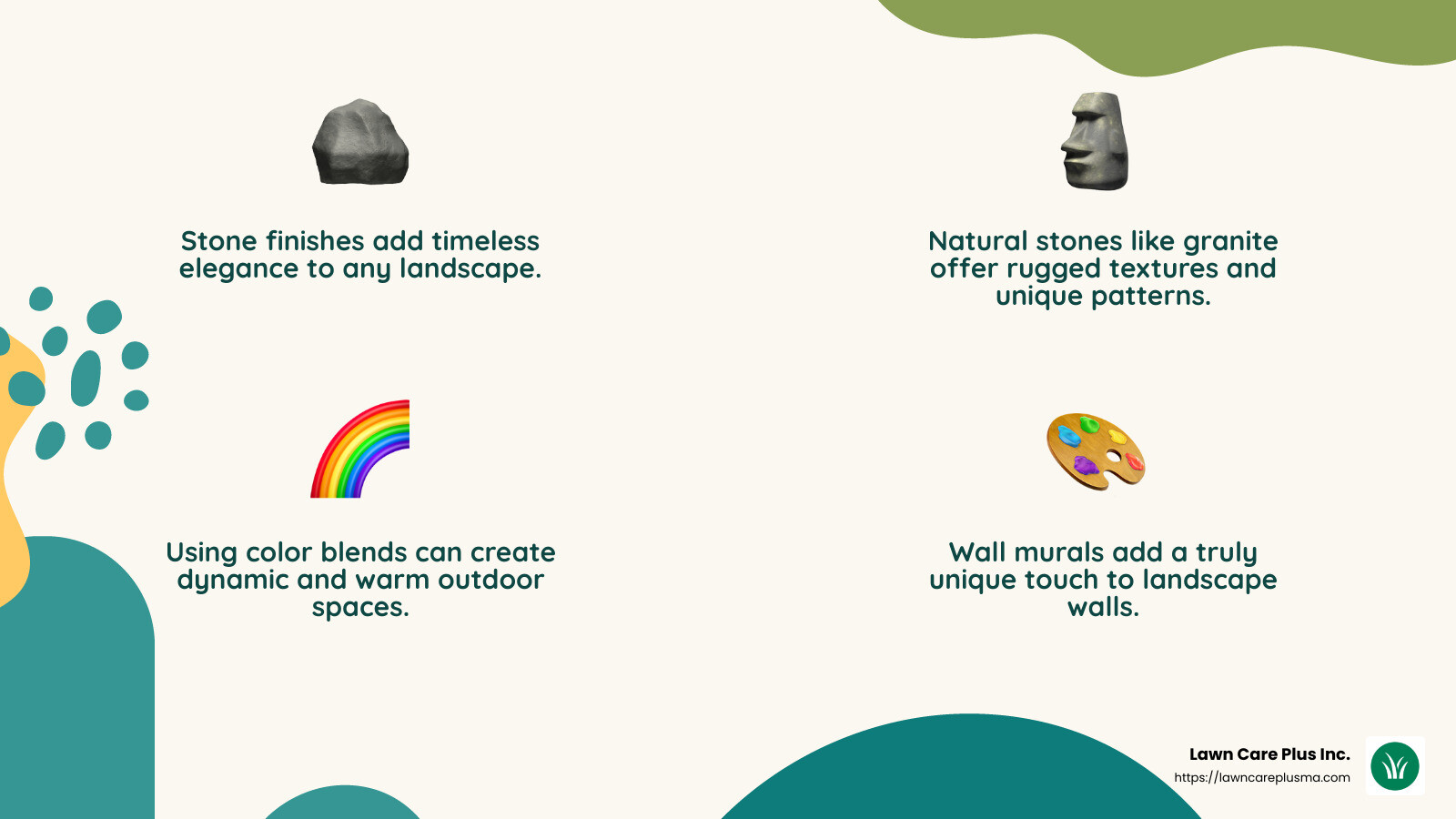
Stone finishes are timeless and bring a sense of elegance and stability to any landscape. Natural stone, such as granite or limestone, provides a classic look that complements traditional and modern homes alike. The rugged texture and unique patterns of natural stone can add depth and interest to your walls.
Stone-Like Finishes
If natural stone is not an option, consider stone-like finishes. These materials mimic the appearance of real stone but are often more cost-effective and easier to install. They can provide the same aesthetic appeal and durability without the high price tag.
Color Blends and Textures
One way to make your landscape walls stand out is by using color blends and varied textures. Mixing different shades can create a dynamic look that draws attention and adds warmth to your outdoor space. Textured surfaces, like those that emulate tumbled or chiseled stone, can further improve the visual interest and tactile appeal of your walls.
Wall Murals
For a truly unique touch, consider incorporating wall murals into your design. Murals can be painted or created using different materials to add a personal and artistic flair to your landscape walls. This approach is perfect for those looking to express creativity and make a bold statement in their outdoor space.
Using these design elements, you can lift the aesthetic appeal of your landscape walls, making them not only functional but also a captivating feature of your garden.
Functional Benefits of Landscape Walls
Practical Applications
Landscape walls do more than just improve the look of your outdoor space. They offer a range of functional benefits that can improve the usability and sustainability of your yard. Here are some practical applications:
Slope Stabilization and Erosion Protection
If your property has sloping ground, landscape walls can provide essential support. Retaining walls are especially useful for slope stabilization, helping to hold back soil and prevent erosion. This is crucial in areas prone to heavy rain or where the soil is loose. By keeping the earth in place, these walls protect your landscape and maintain its integrity.
Drainage Systems
Proper drainage is vital to avoid water accumulation, which can damage both your landscape and home. Retaining walls can be designed with built-in drainage systems to redirect water flow. This helps manage hydrostatic pressure and prevents water from pooling around the base of your walls, reducing the risk of structural damage.
Outdoor Kitchens and Built-In Seating
Landscape walls can also serve as the backbone for outdoor living spaces. You can incorporate features like outdoor kitchens or built-in seating into the design. These elements not only add functionality but also encourage social gatherings and improve the enjoyment of your outdoor area.
Planters
Integrating planters into your landscape walls is a fantastic way to add greenery and color. Built-in planters can host a variety of plants, from flowers to herbs, offering a seamless blend of hardscaping and landscaping. This feature not only beautifies your space but also supports biodiversity and can even provide fresh produce.
By leveraging these practical applications, you can maximize the utility of your landscape walls, making them a valuable addition to any outdoor space.
Frequently Asked Questions about Landscape Walls
What is the difference between a garden wall and a retaining wall?
A garden wall and a retaining wall may look similar, but they serve different purposes. A garden wall is typically a low wall, about 18-24 inches in height, designed to improve the aesthetics of your landscape. It acts as a border or divider for garden beds and landscape features, adding depth and visual interest. However, it is not built to hold back large amounts of soil.
In contrast, a retaining wall is a strong structure engineered to hold back soil, especially on sloping terrain. It can be several feet high and is designed with footings to withstand the pressure of the earth behind it. Retaining walls prevent soil erosion and manage grade changes, making them essential for stabilizing slopes.
What is the cheapest type of retaining wall?
When it comes to affordability, poured concrete and pressure-treated pine are among the cheapest options for constructing a retaining wall.
- Poured Concrete: This material is cost-effective and offers a smooth, modern look. It is durable and can be molded into various shapes, making it versatile for different design needs.
- Pressure-Treated Pine: This is a budget-friendly choice for smaller retaining walls. Pressure-treated pine is resistant to decay and insect damage, which makes it a practical option for outdoor use. However, it may not be suitable for very high walls due to its limited strength compared to concrete or stone.
When is a drainage pipe needed for a retaining wall?
A drainage pipe is essential for retaining walls when dealing with hydrostatic pressure—the pressure exerted by water in the soil. This pressure can build up behind the wall, especially in areas with heavy rainfall or poor drainage.
Without proper drainage, water can accumulate and increase the risk of wall failure. A drainage pipe helps redirect excess water away from the wall’s base, reducing hydrostatic pressure and preventing water damage. Installing a drainage pipe is crucial for the longevity and stability of your retaining wall, ensuring it remains a reliable structure in your landscape.
Conclusion
At Lawn Care Plus Inc., we understand that a well-designed landscape can transform your outdoor space into a beautiful and functional area. Our expertise in landscape installations and hardscaping services allows us to create stunning and practical solutions custom to your needs.
Whether you’re looking to add a retaining wall for slope stabilization or a garden wall for aesthetic appeal, we have the skills and experience to make your vision a reality. Our team is dedicated to providing top-notch service in the Boston Metro-West area, ensuring every project improves the value and beauty of your property.
Choosing the right type of landscape wall is crucial for achieving both the functional and aesthetic goals of your outdoor space. From stone-like finishes that blend seamlessly with your garden to durable materials that withstand the elements, we offer a wide range of options to suit any style and budget.
Let us help you bring your landscape dreams to life with our comprehensive range of services. Contact Lawn Care Plus Inc. today to discuss your project and find how we can improve your outdoor living space with expertly crafted landscape walls.
