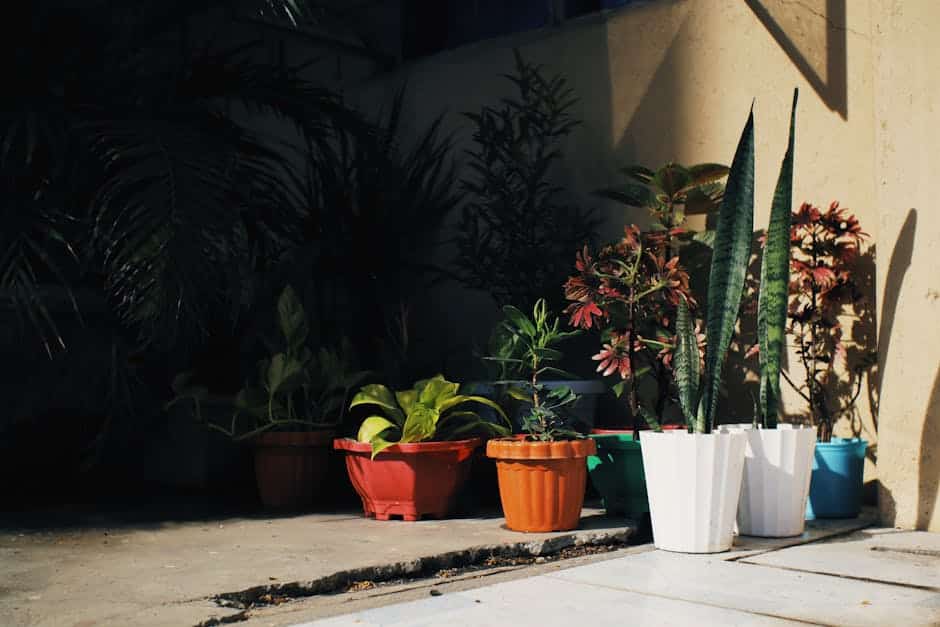
Why Low Maintenance Plants Are Perfect for Busy People
Low maintenance plants are perfect for anyone who wants to enjoy the benefits of greenery without dedicating hours to plant care. Here are the top options that require minimal attention:
- Snake Plant – Can go weeks without water, tolerates low light
- ZZ Plant – Drought-tolerant, thrives in almost any light condition
- Pothos – Fast-growing, adapts to various environments
- Spider Plant – Forgiving, produces “spiderettes” easily
- Succulents – Store water in leaves, perfect for forgetful waterers
How many times have you bought a plant on a whim only to find yourself picking dead leaves off the floor a few weeks later? You’re not alone. The good news is that plant parenthood doesn’t have to be complicated or time-consuming.
Low maintenance plants offer all the benefits of having greenery in your home or garden without the stress of constant care. These resilient varieties have adapted to survive in challenging conditions, making them perfect companions for busy lifestyles or those who consider themselves “plant killers.”
As Paris Lalicata puts it: “Low-maintenance houseplants are great because they usually thrive with minimal attention, which makes them perfect for busy plant parents, those new to gardening, or even the lazy gardener.”
Research has shown that indoor plants help reduce psychological and physiological stress – and there’s no need to counteract those benefits by stressing about taking care of them! The plants we’ll discuss can go weeks without water, adapt to various light conditions, and still look beautiful.
Whether you’re looking for indoor houseplants that purify the air or outdoor varieties that can withstand extreme heat and drought, there’s a low-maintenance option that fits your needs and your schedule.
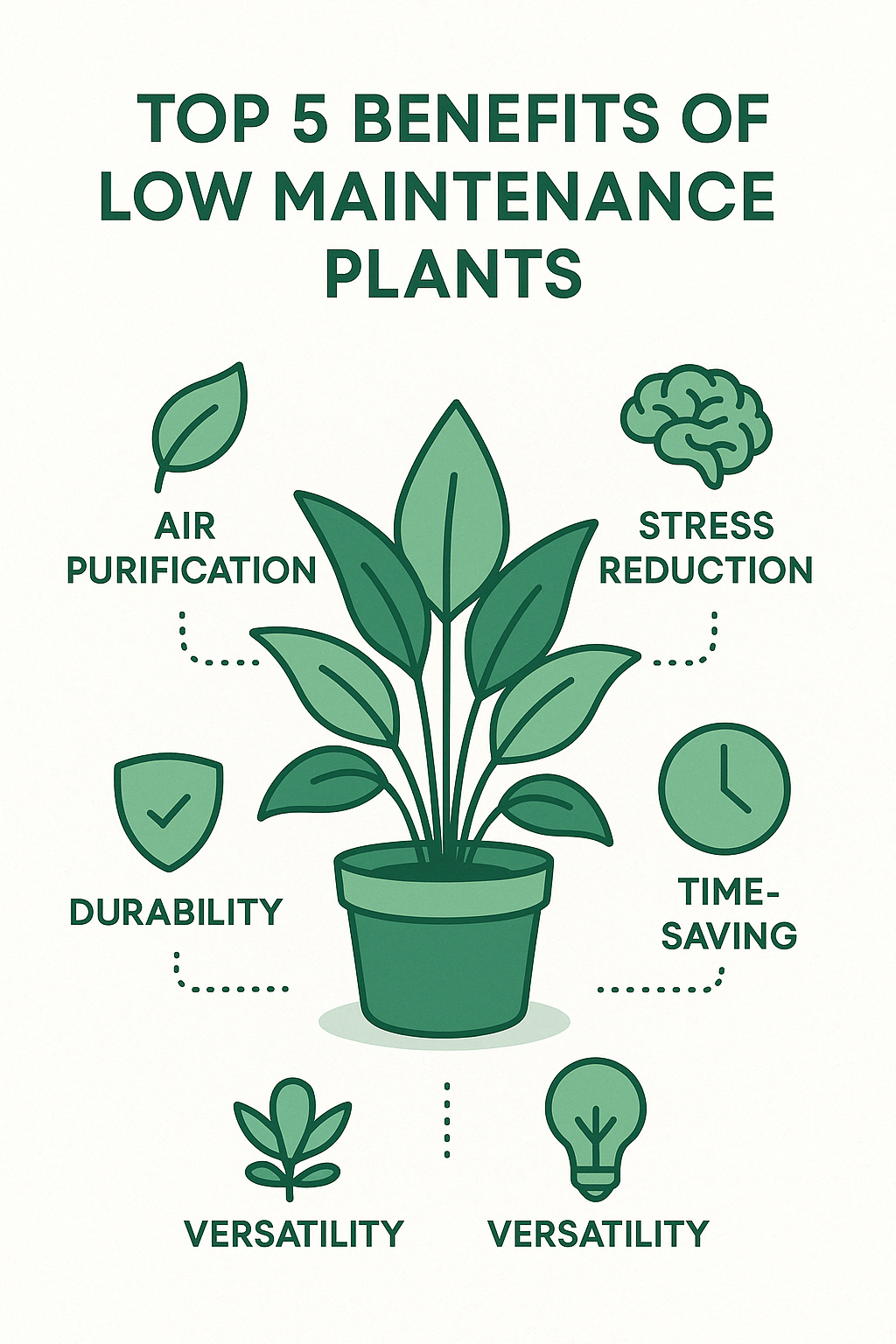
Top 15 Low Maintenance Plants You’ll Love
Welcome to your green sanctuary without the stress! As we’ve helped countless homeowners throughout the Boston Metro-West area transform their spaces, we’ve finded which plants truly stand the test of time (and occasional neglect). These resilient beauties don’t just survive—they thrive, even when life gets hectic.
Our team at Lawn Care Plus Inc. has carefully curated this list of nature’s most forgiving friends. These are the plants that continue to impress our clients in Newton, delight new plant parents in Boston, and improve landscapes in Brookline with minimal fuss.
Ready to bring some effortless greenery into your life? Here are the champions of the plant world that will reward your minimal attention with maximum beauty:
Snake Plant (Sansevieria trifasciata), the ultimate survivor that purifies your air while you sleep. ZZ Plant (Zamioculcas zamiifolia) with its glossy leaves that seem to thrive on neglect. The trailing Pothos (Epipremnum aureum) that gracefully cascades from shelves and brightens dark corners.
The playful Spider Plant (Chlorophytum comosum) produces adorable “babies” with almost no effort on your part. Aloe Vera (Aloe barbadensis miller) doubles as a living first-aid kit for minor burns and scrapes. The neat Peace Lily (Spathiphyllum) dramatically signals when it needs water by drooping, then perks right back up after a drink.
True to its name, the Cast Iron Plant (Aspidistra elatior) can withstand conditions that would make other plants wither. The diverse Philodendron family offers something for every space with their heart-shaped leaves. Trendy Succulents store water in their plump leaves, perfect for the forgetful waterer.
The colorful foliage of Chinese Evergreen (Aglaonema) brightens low-light spaces. The Jade Plant (Crassula ovata) brings good luck with minimal care requirements. Dracaena species add dramatic height and architectural interest to any room. The Rubber Plant (Ficus elastica) makes a bold statement with its large, glossy leaves.
The variegated Snake Plant ‘Laurentii’ (Sansevieria trifasciata ‘Laurentii’) adds a decorative touch to the already hardy snake plant family. And the tropical Monstera Deliciosa (Swiss Cheese Plant) brings jungle vibes with its distinctive perforated leaves.
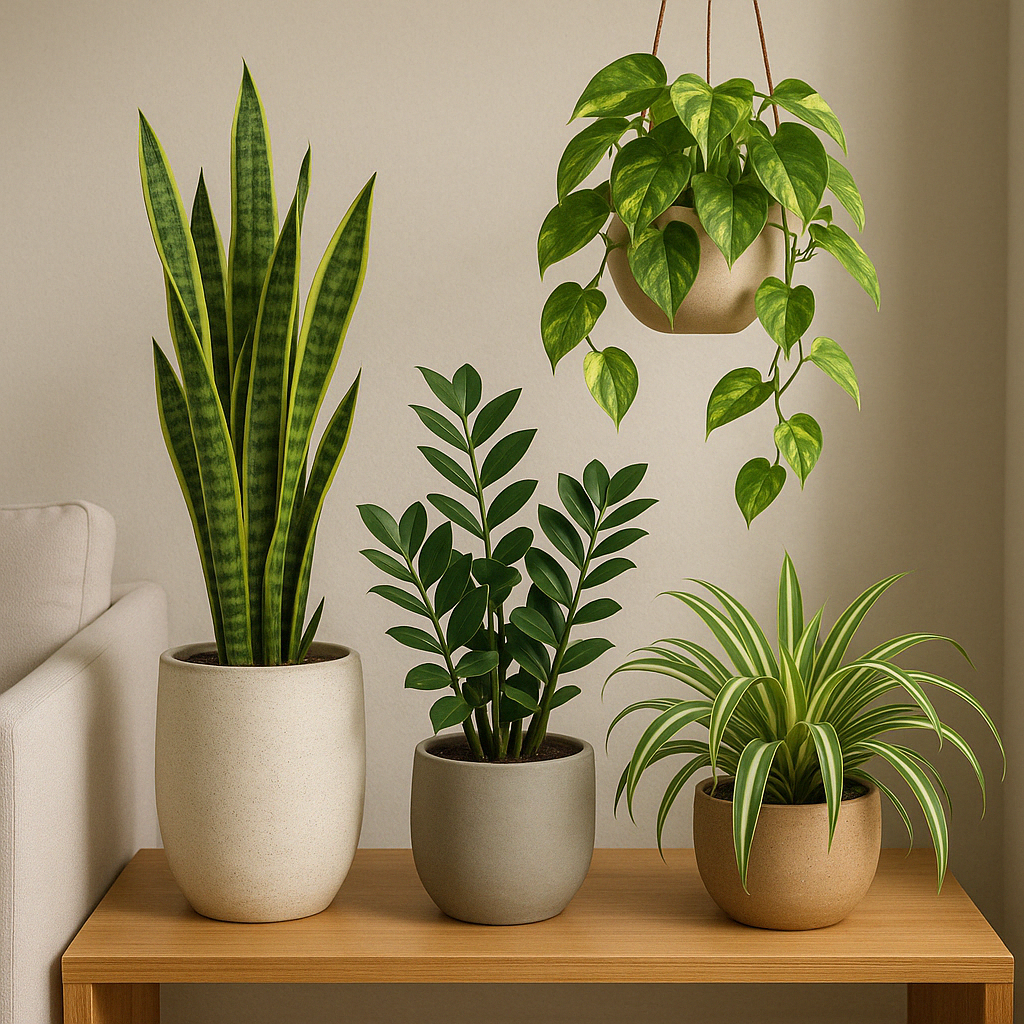
These botanical champions have earned their reputation by surviving where others fail. Whether you’re juggling a busy career, managing family life, or simply want to enjoy plants without the pressure, these varieties deliver beauty and benefits without demanding constant attention. In the following sections, we’ll explore each of these low maintenance plants in detail, sharing our professional tips for helping them not just survive, but truly thrive in your home or garden.
Low Maintenance Plant: Snake Plant (Sansevieria trifasciata)
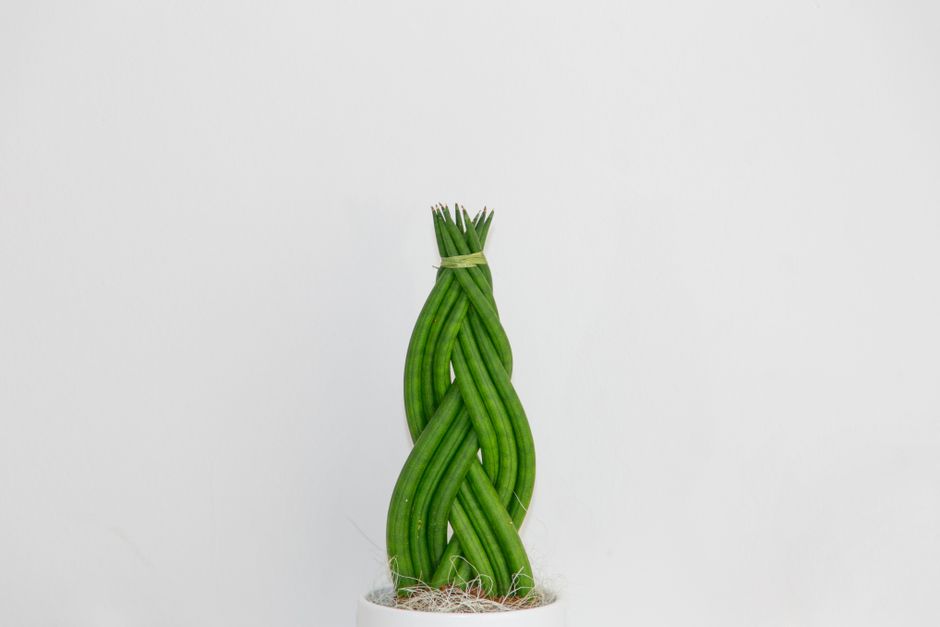
If there were a championship for surviving neglect, the Snake Plant would take home the gold medal. Often playfully called “mother-in-law’s tongue” (make of that nickname what you will!), this striking plant stands tall with its sword-like leaves and distinctive patterns that add a touch of architectural elegance to any room.
Originally from the harsh climate of West Africa, the Snake Plant has evolved to thrive where other plants surrender. This resilience makes it perfect for busy Massachusetts homeowners who might occasionally (or frequently) forget their plant-watering duties.
Why the Snake Plant is a Low Maintenance Plant
You know those friends who are always there for you, no matter how long you’ve gone without calling? That’s your Snake Plant. Its forgiving nature has earned it a special place in the hearts of plant enthusiasts and self-proclaimed “plant killers” alike.
Minimal watering is perhaps its most appealing feature. While most houseplants demand regular attention, your Snake Plant is perfectly content if you water it only when the soil is completely dry—we’re talking every 2-4 weeks, depending on your home’s conditions. Many of our Newton and Brookline clients actually report better success when they water less!
Thrives in neglect might sound like an exaggeration, but it’s genuinely true. One of our Watertown clients told us, “I accidentally left my Snake Plant without water for nearly a month during vacation, and it looked exactly the same when I returned—maybe even happier!”
The Snake Plant doesn’t just sit there looking pretty—it works for you too. According to NASA’s research on air-purifying plants, Snake Plants are exceptional at reducing indoor air pollutants like formaldehyde, benzene, and trichloroethylene. Unlike most plants, they convert CO₂ to oxygen at night, making them excellent bedroom companions.
Perhaps most impressively, these plants demonstrate remarkable tolerance for various light levels. While they prefer indirect light, Snake Plants can survive in conditions ranging from bright indirect sunlight to those dim corners of your Boston Metro-West home where other plants would simply give up.
For busy professionals or frequent travelers throughout Massachusetts, from Brighton to Dedham, the Snake Plant offers the perfect combination: striking beauty with minimal demands. It’s like having a low-maintenance roommate who also cleans the air and never complains.
Low Maintenance Plant: ZZ Plant (Zamioculcas zamiifolia)

Meet the ZZ Plant – the cool, collected cousin in the houseplant family that’s become a superstar in homes across Massachusetts. With its shiny, emerald leaves arranged in a graceful arch, this plant brings a touch of sophisticated greenery to any space without demanding your constant attention.
Originally from the dry grasslands of eastern Africa, the ZZ Plant developed an ingenious survival strategy: potato-like rhizomes beneath the soil that store water for those inevitable drought periods. It’s like the plant comes with its own built-in water reservoir!
Why the ZZ Plant is Among the Best Low Maintenance Plants
If you’ve ever jokingly called yourself a “plant killer,” the ZZ Plant might just restore your confidence. At Lawn Care Plus Inc., we often recommend this resilient beauty to our busiest clients throughout the Boston Metro-West area.
The ZZ Plant is practically indestructible, making it perfect for homes in Brookline where you might be juggling busy careers with family life. I’ve personally seen these plants bounce back from conditions that would have sent other houseplants straight to the compost bin.
What makes this plant truly special is its extreme drought tolerance. Thanks to those water-storing rhizomes, your ZZ Plant won’t throw a fit if you forget to water it for weeks (or even months, though we don’t suggest testing this theory!). This makes it ideal for frequent travelers or those of us who simply get caught up in life’s busyness.
The ZZ Plant is also remarkably adaptable to various light conditions. While it prefers bright, indirect light, I’ve seen these troopers thriving in dimly lit office corners in Cambridge with nothing but fluorescent lighting. Place it anywhere from a north-facing window to an interior hallway, and it’ll adapt without complaint.
Another reason our clients love this plant? It rarely attracts pests or diseases. The thick, waxy leaves seem to naturally deter most common houseplant invaders, saving you from dealing with those pesky infestations that plague other indoor plants.
Its slow growth rate is another bonus for the maintenance-averse. You won’t need to repot it frequently or constantly prune back enthusiastic growth. It’s content to sit pretty and grow at its own relaxed pace.
One of our commercial clients in Wellesley who incorporated ZZ Plants into their waiting room told us: “These plants have survived three office managers with varying degrees of plant care knowledge. They look as good today as they did when you installed them three years ago!”
For basic care, simply water your ZZ Plant when the soil feels completely dry (roughly every 3-4 weeks in most homes). Place it anywhere from bright indirect light to low light conditions, but keep it away from direct sunlight, which can scorch those beautiful glossy leaves. That’s it – no special fertilizers, no complicated pruning, no fuss.
Low Maintenance Plant: Pothos (Epipremnum aureum)

If plants had personalities, the Pothos would be that easygoing friend who’s up for anything and never complains. With its cascading vines and heart-shaped leaves, this cheerful plant has won the hearts of countless homeowners across Newton, Cambridge, and beyond in the Boston Metro-West area.
What makes Pothos particularly appealing is its stunning variety. Whether you’re drawn to the classic golden Pothos with its yellow-streaked leaves, the dramatically variegated marble queen, the vibrant neon, or the neat jade variety, there’s a Pothos to complement any home décor while remaining refreshingly low-maintenance.
The Easy-Going Pothos: A Perfect Low Maintenance Plant
At Lawn Care Plus Inc., we often recommend Pothos to clients who claim they “kill everything” – because this plant is determined to prove them wrong! The Pothos is truly the champion of second chances.
Air purification is one of this plant’s hidden talents. While you’re busy with your day-to-day life, your Pothos is quietly filtering common household toxins from your air. It’s like having a helpful roommate who never asks for anything in return (except maybe the occasional watering).
Speaking of watering, Pothos is remarkably forgiving when it comes to irregular care. Forgot to water for a few weeks? Your Pothos will droop slightly to remind you but will bounce back remarkably fast once hydrated. This resilience makes it perfect for busy professionals in Brookline or families in Dedham juggling packed schedules.
The versatility of Pothos is another reason we love recommending it. This adaptable plant thrives in water, soil, or climbing up a moss pole. We’ve seen clients successfully grow Pothos in bathrooms with just a shower’s worth of light, in bright kitchens, and everywhere in between.
“My Pothos has survived three apartments, two relationship breakups, and countless watering schedule disruptions,” shared one of our Winchester clients. “It’s outlasted most things in my life, and keeps growing despite my best efforts to accidentally neglect it!”
Perhaps the most rewarding aspect of Pothos ownership is how easily it propagates. Simply snip a section of vine that includes a node (those little brown bumps where roots emerge), pop it in water, and within weeks, you’ll have roots developing. It’s like getting free plants! Many of our clients throughout the Boston Metro-West area have filled their homes with Pothos propagated from a single original plant.
To keep your Pothos happy, water when the top inch of soil feels dry to the touch (typically every 7-10 days, depending on your home’s conditions), and place it anywhere from bright indirect light to low light situations. While it grows faster in brighter spots, it adapts remarkably well to dimmer conditions – perfect for those challenging north-facing windows or interior spaces in your Massachusetts home.
Spider Plant (Chlorophytum comosum)
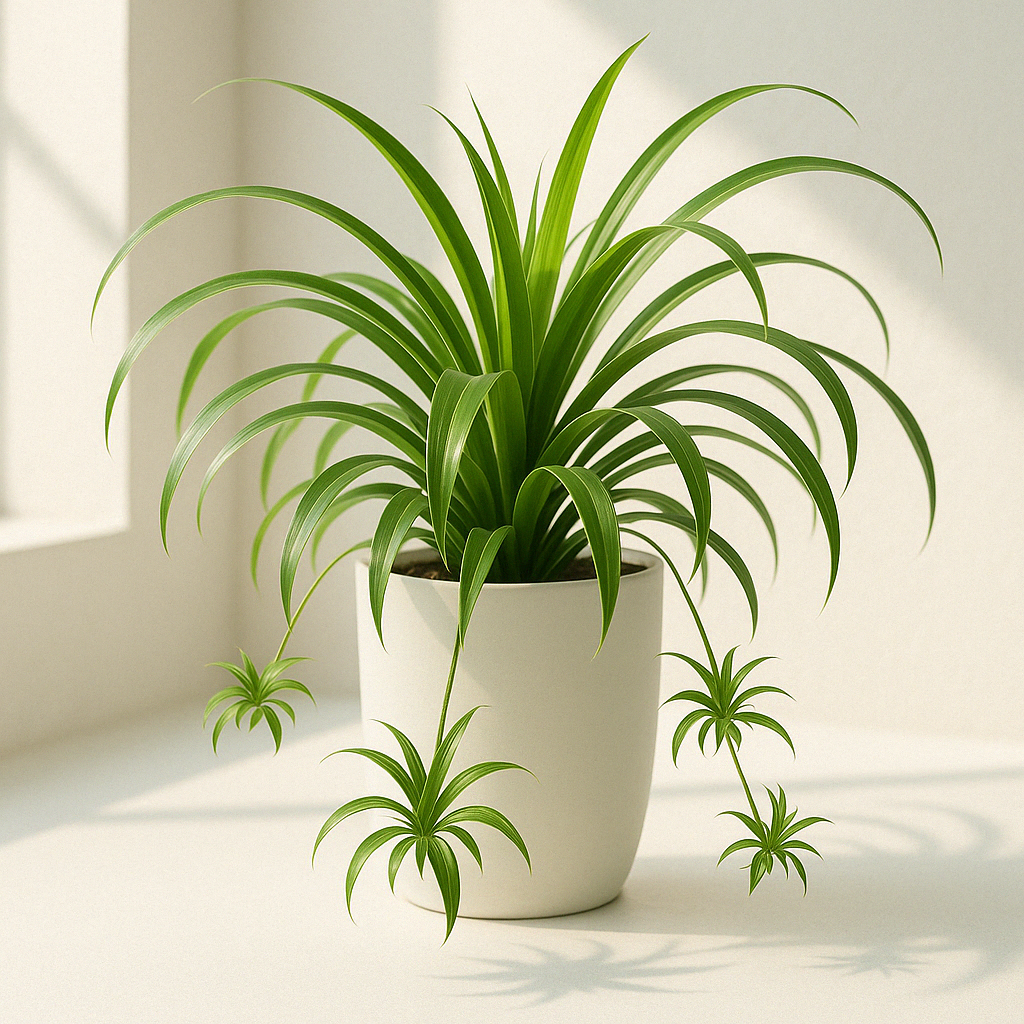
There’s something delightfully nostalgic about the Spider Plant. With its graceful, arching green and white-striped leaves and those charming little “babies” dangling from long stems, it’s like the friendly neighbor of the plant world that everyone knows and loves.
Native to tropical and southern Africa, this resilient beauty has been gracing windowsills and hanging baskets for generations. Its staying power isn’t just about good looks—it’s truly one of the most accommodating plants you’ll ever meet, perfect for homes throughout Boston Metro-West.
The Adaptable Spider Plant
If plants had personalities, the Spider Plant would be that easy-going friend who’s up for anything. Forgot to water it for a couple weeks? No problem. Your house gets a bit too cold in winter? It’ll manage. This incredible adaptability is why low maintenance plants like the Spider Plant remain so beloved.
What makes this plant truly special is how quickly it grows and multiplies. Those little “spiderettes” hanging from the mother plant aren’t just decorative—they’re baby plants ready to start new lives! Simply snip them off and place in soil, and you’ll have a new plant in no time. It’s like getting free plants as a reward for minimal care.
Pet parents rejoice! Unlike many houseplants that can be toxic to curious cats and dogs, Spider Plants are safe for your furry friends. Though your cat might find those dangling babies irresistibly toy-like, at least you won’t be rushing to the vet if they take a nibble.
Spider Plants also work overtime cleaning your air. NASA studies have shown they’re particularly effective at removing formaldehyde, xylene, and toluene from indoor environments. Imagine—better air quality with almost no effort on your part!
One of our clients in Dedham told us about her grandmother’s Spider Plant that’s been passed down through three generations: “That plant has moved houses six times, survived being knocked over by children and pets countless times, and still keeps producing babies we share at family gatherings. It’s practically a family member at this point!”
For the easiest care, place your Spider Plant in bright, indirect light, though it will tolerate lower light conditions with grace. Water when the top inch of soil feels dry to the touch, typically every 7-10 days. During winter, you can water even less frequently. While they appreciate occasional misting in dry environments, they’ll forgive you if you forget.
The Spider Plant truly embodies what makes low maintenance plants so wonderful—it gives so much while asking for so little in return.
Aloe Vera (Aloe barbadensis miller)
There’s something special about having a plant that doesn’t just look good but actually does good too. That’s Aloe Vera for you—a standout among low maintenance plants that doubles as a mini medicine cabinet right on your windowsill.
This striking succulent, with its plump, spiky leaves arranged in a rosette pattern, has been valued for thousands of years, not just for its distinctive appearance but for the soothing gel hidden inside those thick leaves. Originally from the Arabian Peninsula, Aloe has cleverly adapted to harsh desert conditions by storing water in its leaves—a trait that makes it perfect for our busy Massachusetts homeowners.
The Healing Aloe Vera: Low Maintenance and Useful
When one of our clients in Wellesley accidentally brushed against her hot oven rack, her first instinct wasn’t to reach for the medicine cabinet—it was to snap off a leaf from her kitchen Aloe plant. “I sliced it open and applied the gel directly to my burn,” she told us. “The relief was almost immediate. It’s like having nature’s first aid kit growing right on my counter!”
This medicinal value isn’t just folk wisdom—research has confirmed that Aloe gel can aid healing of minor burns and skin irritations. Beyond its healing properties, Aloe is remarkably forgiving when it comes to care. It can happily go three to four weeks without water, making it ideal for our clients in Newton and Brookline who travel frequently for work.
Drought tolerance is Aloe’s superpower. Unlike fussier houseplants that wilt dramatically when thirsty, Aloe actually prefers to dry out completely between waterings. In fact, overwatering is the quickest way to kill this otherwise resilient plant—a rare instance where neglect is actually beneficial!
Aloe also thrives in bright, indirect light, making a sunny windowsill its perfect home. While it loves brightness, direct afternoon sun can sometimes be too intense, occasionally causing sunburn on its leaves (yes, even sun-loving plants can get sunburned!).
Another charming quality of mature Aloe plants is their tendency to produce “pups”—baby plants that sprout around the base of the mother plant. These can be gently separated and potted on their own, giving you more plants to enjoy or share with friends and neighbors throughout the Boston Metro-West area.
“I started with one small Aloe five years ago,” a client in Dedham told us, “and now I have seven plants that all came from that original one. I’ve given at least a dozen more to friends. It’s the gift that keeps on giving!”
For basic care, simply plant your Aloe in well-draining cactus or succulent soil, place it where it will receive plenty of bright light, and water thoroughly but infrequently—only when the soil has completely dried out. That’s all there is to it! With minimal attention, your Aloe will thrive for years, ready to soothe a sunburn or kitchen accident whenever needed.
Peace Lily (Spathiphyllum)
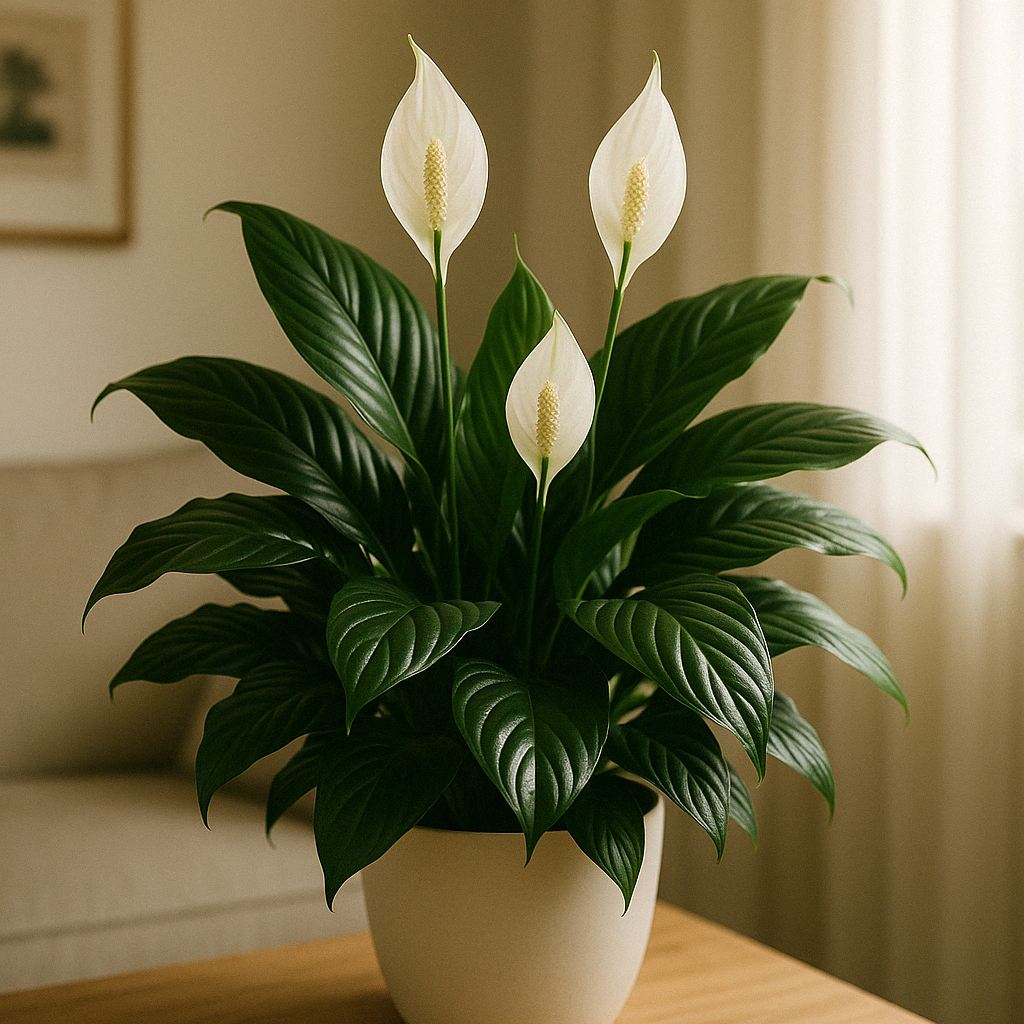
If you’re looking for a touch of elegance without the fuss, the Peace Lily might just be your perfect match. Unlike most flowering houseplants that demand constant attention, this beauty combines sophisticated looks with a surprisingly laid-back personality.
The Peace Lily stands out in the low maintenance plants world with its glossy, deep green leaves and those distinctive white “flowers” (which are actually modified leaves called spathes). It’s like having a well-dressed guest who never overstays their welcome or demands special treatment.
Native to the tropical rainforests of the Americas, Peace Lilies evolved to thrive in the dim light of the forest floor – making them ideal companions for those darker corners of your Newton, Brookline, or Boston home where other plants simply refuse to grow.
The Neat Peace Lily
What makes the Peace Lily such a delightful houseguest? For starters, it’s refreshingly honest about its needs. Unlike plants that suffer in silence, Peace Lilies aren’t afraid to speak up when thirsty – they dramatically droop their leaves as if saying, “Water, please!” Give them a drink, and they’ll perk right back up within hours, no grudges held.
This clear communication takes all the guesswork out of plant care, making them perfect for busy homeowners throughout the Boston Metro-West area. One of our clients in Brookline told us: “My Peace Lily has been with me for over seven years. It’s moved apartments three times and has always bounced back. I love how it tells me when it needs water by drooping—no guesswork required!”
Beyond their straightforward nature, Peace Lilies are exceptional air purifiers. They quietly work to remove common household toxins including benzene, formaldehyde, and trichloroethylene, improving your indoor air quality while looking good doing it.
Their reliable blooming habit is another bonus – with minimal care, these plants produce their neat white flowers several times a year. It’s like getting occasional surprise gifts from a plant that otherwise asks for very little.
The compact growth habit of most Peace Lily varieties means they stay relatively neat and contained, requiring little pruning or maintenance. They’re the perfect size for coffee tables, desks, or those awkward empty corners that need a touch of life.
For basic care, water your Peace Lily when the top inch of soil is dry or when you notice it starting to droop – typically every 1-2 weeks, depending on your home’s conditions. Place it in low to medium indirect light; it can even thrive under fluorescent lights in offices. Just keep it away from cold drafts and direct sunlight, which can damage its delicate leaves.
With a Peace Lily in your home, you’ll enjoy the rare combination of beautiful blooms and easy care – proof that sometimes you really can have the best of both worlds.
Cast Iron Plant (Aspidistra elatior)
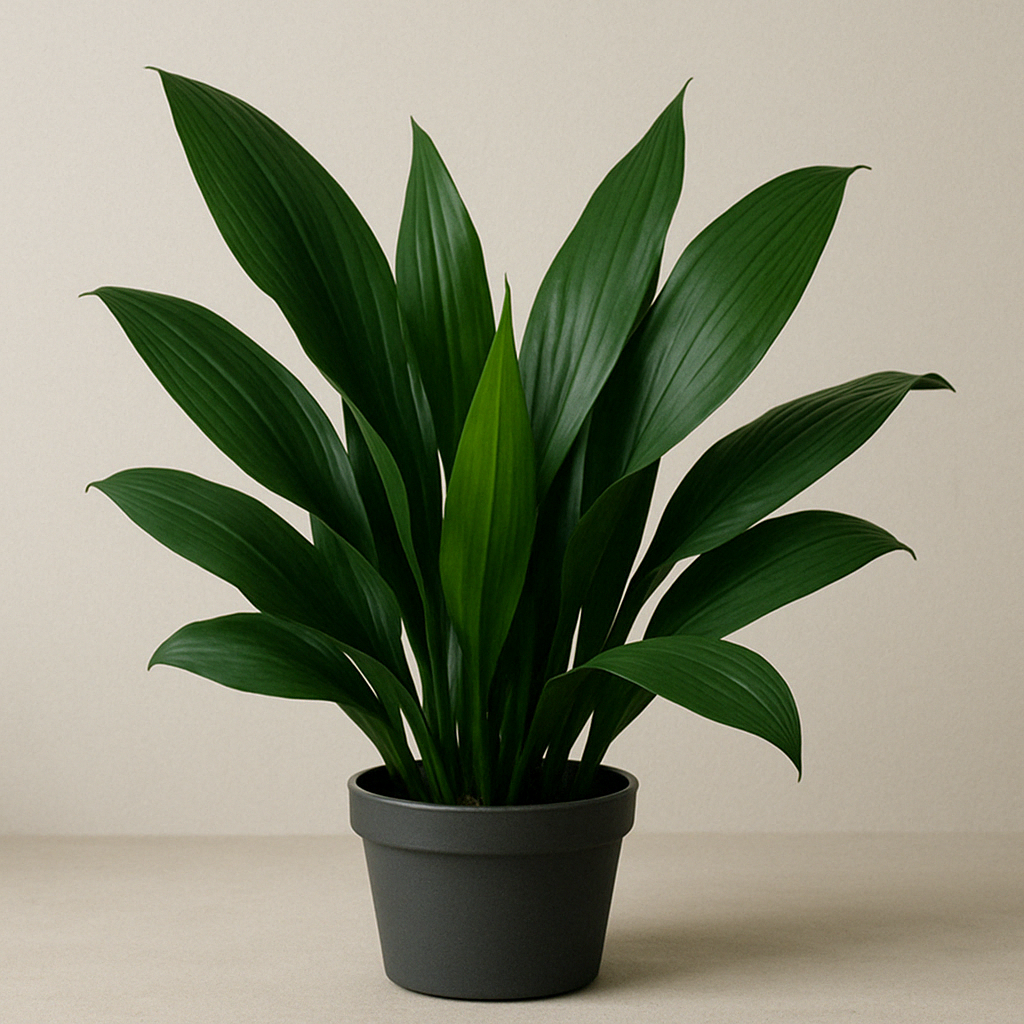
If plants had superhero identities, the Cast Iron Plant would definitely be “The Indestructible.” Living up to its no-nonsense name, this remarkably resilient plant has earned legendary status among low maintenance plants for good reason. With its broad, leathery dark green leaves that fan out gracefully, it brings a touch of lush tropical vibes to spaces where other plants wave the white flag of surrender.
Native to the forest floors of Japan and Taiwan, the Cast Iron Plant didn’t earn its nickname by accident. This plant can withstand conditions that would send most houseplants to an early compost bin, making it the perfect green companion for challenging spaces throughout homes in Newton, Brookline, and other towns across the Boston Metro-West area.
The Unstoppable Cast Iron Plant
“Virtually indestructible” might sound like an exaggeration, but spend some time with a Cast Iron Plant and you’ll become a believer. One of our clients in Medfield laughingly told us, “I inherited this Cast Iron Plant from my grandmother fifteen years ago, and despite my best efforts to neglect it completely, it refuses to die. It’s outlasted three sofas and two marriages!”
What makes this plant truly special is its extreme tolerance for neglect. Forgot to water it for a month? No problem. Is your apartment as dark as a cave? It’ll manage just fine. The Cast Iron Plant shrugs off irregular watering, poor light conditions, and temperature fluctuations that would send other plants into therapy.
Its shade tolerance is particularly impressive. While most houseplants beg for at least some bright light, the Cast Iron Plant thrives in deep shade, making it perfect for those dark corners of your home or north-facing windows that have become plant graveyards.
Another wonderful quality is its resistance to pests and disease. While you’re battling spider mites on your fiddle leaf fig or aphids on your hibiscus, your Cast Iron Plant will likely remain untouched, quietly existing without drama or maintenance headaches.
With proper (or even improper) care, a Cast Iron Plant can become a long-term companion in your home. Many of these plants have been passed down through generations, becoming living family heirlooms. They also help purify indoor air of common pollutants, silently improving your home environment while asking for almost nothing in return.
One of our commercial clients in Boston who incorporated Cast Iron Plants into their office landscape shared: “We’ve had Cast Iron Plants in our lobby for over a decade. They’ve survived heating system failures, overzealous cleaning staff, and periods of complete neglect during company transitions. They’re practically part of our corporate identity now!”
For basic care, water your Cast Iron Plant when the top few inches of soil are dry—typically every 2-3 weeks, but it won’t complain if you stretch that to a month. Place it in low to medium indirect light, and watch it… well, not do much, honestly. It grows quite slowly, which is actually part of its low-maintenance charm—you won’t need to repot it frequently or worry about it taking over your space.
If you’re looking for a plant that combines striking good looks with a nearly supernatural ability to survive whatever life throws at it, the Cast Iron Plant deserves a prime spot in your home or office. It’s the perfect green companion for busy homeowners throughout the Boston Metro-West area who want the benefits of houseplants without the worries.
Philodendron

If you’re looking for a plant that feels like an old friend rather than a demanding houseguest, the philodendron might just be your perfect match. With hundreds of species ranging from cascading vines to upright statement pieces, these tropical beauties have won the hearts of plant enthusiasts across Massachusetts and beyond.
Native to the lush rainforests of the Americas, philodendrons have naturally adapted to thrive in various conditions – from dappled light on the forest floor to climbing up trees in search of sunshine. This versatility makes them ideal companions for homes throughout the Boston Metro-West area, whether you’re in a sun-drenched apartment in Newton or a shadier space in Brookline.
The Versatile Philodendron
What makes philodendrons stand out in the crowd of low maintenance plants is their remarkable ability to communicate their needs while forgiving your occasional neglect.
When I visit clients’ homes in Dedham or Watertown, I often spot philodendrons that have become beloved family members. One homeowner in Jamaica Plain told me with a laugh, “My heartleaf philodendron has outlasted two relationships and three apartments. It’s the most stable thing in my life!”
These plants are particularly chatty about their care needs. Notice pale leaves? Your philodendron is telling you it’s getting too much direct sunlight. Seeing leggy, stretched-out growth? That’s its way of saying “I could use a bit more light, please.” This clear communication takes the guesswork out of plant parenthood.
Drought tolerance is another philodendron superpower. While they appreciate regular watering when the top inch of soil dries out, they’re remarkably forgiving if you occasionally forget. I’ve seen philodendrons bounce back from two weeks of neglect during a client’s vacation with barely a drooping leaf in protest.
For new plant parents, philodendrons offer a rewarding introduction to propagation. Many varieties, especially the trailing types like the heart-leaf philodendron, root readily in water. Simply snip a section with a node, pop it in a glass of water, and watch the magic happen as new roots emerge. Within weeks, you’ll have a new plant to keep or share with a friend.
Perhaps most impressively, philodendrons typically experience fewer pest problems than many other houseplants. Their glossy leaves seem less appealing to common houseplant pests, saving you the headache of dealing with infestations.
For basic care, water your philodendron when the top inch of soil feels dry (typically every 1-2 weeks) and place it in medium to bright indirect light, although many varieties tolerate lower light conditions beautifully. Just keep them away from direct sunlight, which can scorch their lush foliage.
At Lawn Care Plus Inc., we often recommend philodendrons to our clients throughout the Boston Metro-West area who want to bring the lush feeling of our professional landscaping indoors – without the professional maintenance schedule. These adaptable beauties deliver tropical charm with minimal demands, making them perfect partners for busy lifestyles.
Succulents (Various Species)
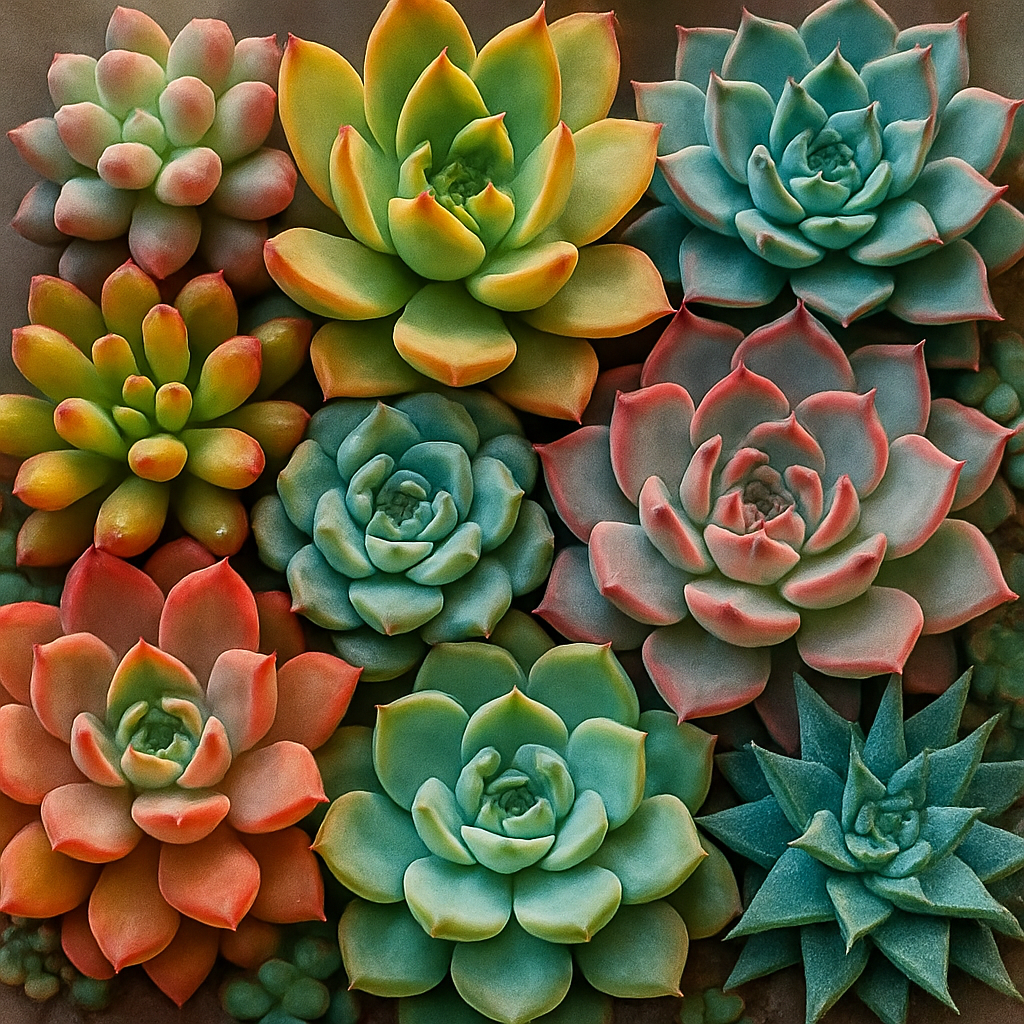
If you’ve scrolled through Instagram or visited a trendy café lately, you’ve undoubtedly noticed the succulent revolution taking place. These charming, sculptural plants have captured hearts everywhere—and for good reason! As quintessential low maintenance plants, succulents offer incredible variety while asking very little in return.
Native to arid regions across the globe, succulents have developed a clever survival strategy: they store water in their plump leaves, stems, or roots. This natural adaptation makes them exceptionally forgiving when you forget to water them (we’ve all been there!).
The Trendy Succulent: A Modern Low Maintenance Plant
What makes succulents the darlings of the plant world? For starters, they’re practically designed for our busy Massachusetts lifestyles. Working with homeowners from Wellesley to Waltham, we’ve found succulents to be perfect companions for even the most forgetful plant parents.
Their drought tolerance is legendary—most varieties can happily go weeks without water, making them ideal if you travel frequently or simply have a busy schedule. When we install succulent arrangements for our clients in Newton or Brookline, we often joke that the biggest threat isn’t underwatering but overwatering!
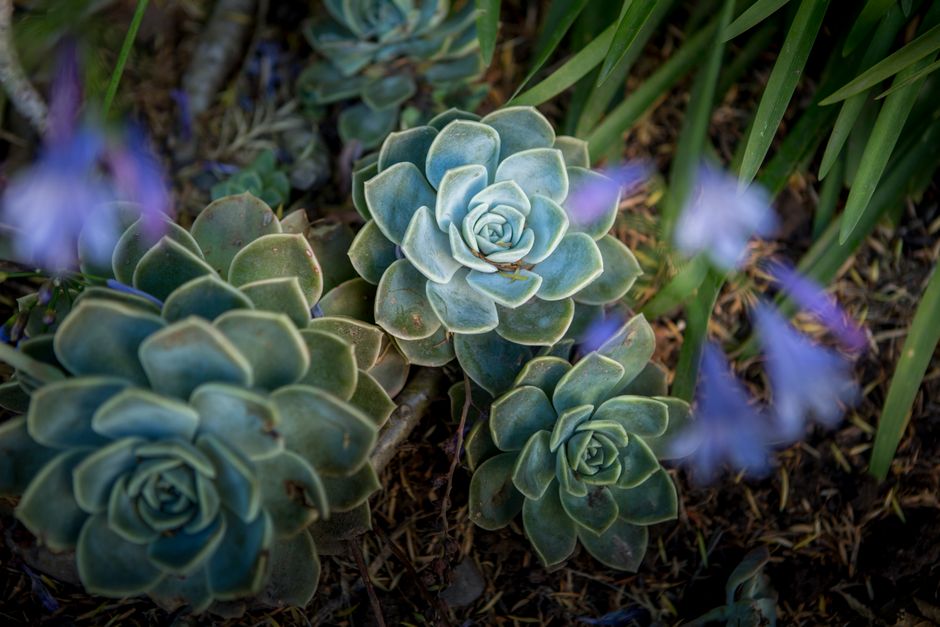
Decorative appeal is another major selling point. From the symmetrical rosettes of Echeveria to the trailing pearls of Senecio rowleyanus (String of Pearls), succulents offer extraordinary visual interest. Their compact size makes them perfect for brightening up a sunny windowsill, office desk, or kitchen counter without taking up too much space.
We’ve helped many clients throughout the Boston Metro-West area create stunning “succulent stations” where these architectural plants serve as living art. Their varied textures, colors, and forms create natural focal points that evolve over time—much more interesting than static decorations!
Many of our clients are surprised to learn how easy it is to propagate most succulents. A fallen leaf from an Echeveria or a trimmed stem from a Jade Plant can grow roots when placed on soil, essentially giving you free plants. One client in Medfield started with three small succulents and now has an entire collection that began from those original plants!
“I killed every houseplant I owned until I finded succulents,” shared a client from Jamaica Plain. “Now I have a thriving collection that only needs attention once every few weeks. They’ve survived vacations, forgetfulness, and even a winter when my heating was inconsistent. Plus, they make my apartment look like it belongs in a design magazine!”
For basic care, remember this golden rule: when in doubt, don’t water. Only water your succulents when the soil is completely dry (typically every 2-4 weeks), and make sure they receive plenty of bright light. Most varieties appreciate some direct sunlight, though they may need protection from intense afternoon rays during peak summer.
According to The Spruce, the key to succulent success is well-draining soil. Standard potting mix often retains too much moisture, so consider a specialized cactus/succulent mix or add perlite to regular potting soil to improve drainage.
With minimal care requirements and maximum visual impact, it’s no wonder succulents have become the must-have plants for modern homes throughout Massachusetts. They’re living proof that sometimes the most beautiful things in life require the least maintenance!
Chinese Evergreen (Aglaonema)
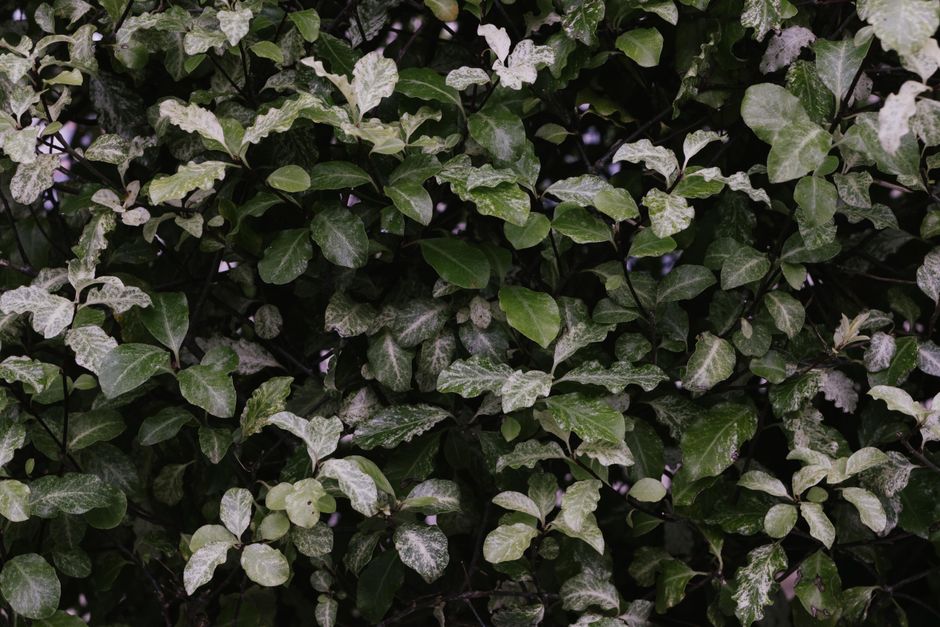
If you’re looking for a plant that combines stunning beauty with practically zero maintenance, let me introduce you to the Chinese Evergreen. This remarkable member of the low maintenance plants family has been winning hearts across homes in Boston Metro-West for good reason – it’s practically impossible to kill while still looking like you’ve got a green thumb!
Native to the dappled forest floors of tropical and subtropical Asia, Chinese Evergreens have naturally adapted to thrive in conditions that would make other plants throw in the towel. Their gorgeous foliage comes in an impressive variety of patterns with stunning combinations of green, silver, red, and pink – bringing a designer touch to even the darkest corners of your home.
The Stylish Chinese Evergreen
What makes Chinese Evergreens so special is their perfect balance of beauty and resilience. During our years of landscaping experience throughout Massachusetts, we’ve found these plants thriving in conditions that would make most decorative plants wither away.
Their exceptional tolerance for low light makes them perfect for those darker spots in your Watertown apartment or that north-facing office in Newton. While other colorful plants demand bright light, Chinese Evergreens keep their vibrant patterns even in dimmer conditions.
I remember visiting a client in Brookline who had nearly given up on having plants in her basement apartment. After recommending a Chinese Evergreen, she called me six months later amazed that not only was it still alive, but it had actually grown and produced new, beautifully patterned leaves.
The drought resistance of these plants is another game-changer for busy households. Forgot to water it for a couple of weeks while on vacation in the Cape? No problem! Your Chinese Evergreen will forgive you and bounce back quickly once you remember it exists.
Unlike many plants that offer only variations of green in low-light settings, Chinese Evergreens bring vibrant colors and patterns to spaces where most plants would simply fade away. Their slow growth rate means less repotting and maintenance over time – perfect for those of us who want the benefits of houseplants without the weekend chores.
What’s more, these beauties are natural air purifiers, quietly removing toxins from your indoor environment while asking for almost nothing in return. It’s like having an air filter that waters itself (almost)!
A client in Milton recently told us: “My Chinese Evergreen has been the perfect plant for my north-facing bedroom. It’s added a pop of color to a space where most plants wouldn’t survive, and it’s been growing steadily for years with minimal attention.”
For basic care, simply water your Chinese Evergreen when the top inch of soil feels dry (typically every 1-2 weeks) and place it in low to medium indirect light. While they appreciate higher humidity, they’ll adapt just fine to normal household conditions – no special humidifiers or misting routines required.
Whether you’re a first-time plant parent in Dedham or a busy professional in Boston, the Chinese Evergreen offers the perfect combination of style and simplicity – proving that low maintenance doesn’t have to mean boring.
Jade Plant (Crassula ovata)
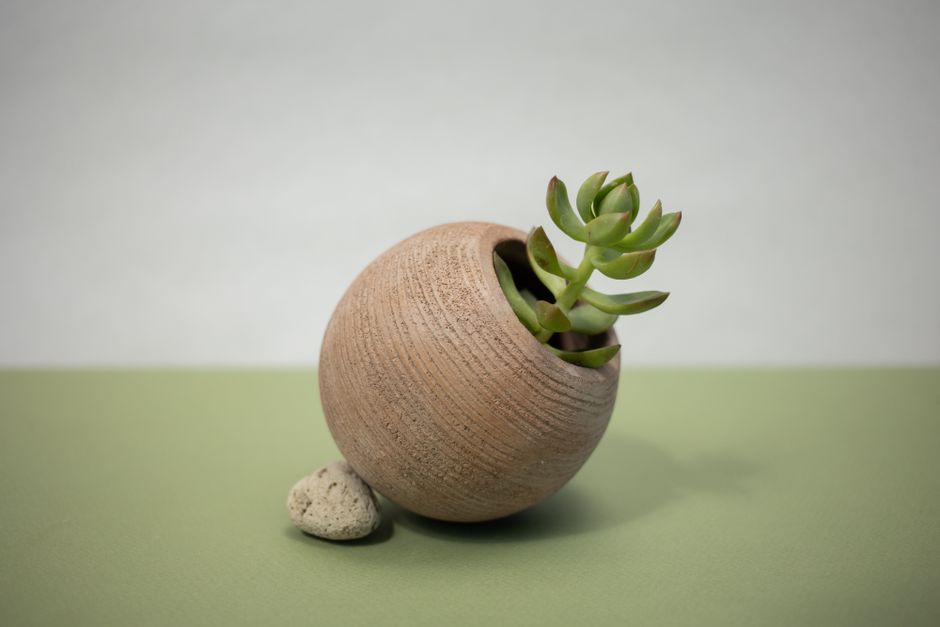
The Jade Plant has earned its place in homes across the Boston Metro-West area not just for its striking appearance, but also for its remarkable resilience. With plump, glossy leaves and a woody stem that develops over time, this succulent gradually takes on the appearance of a miniature tree, bringing a touch of sculptural beauty to any windowsill.
Native to the arid landscapes of South Africa, the Jade Plant has mastered the art of water conservation by storing moisture in its fleshy leaves. This evolutionary advantage translates perfectly to modern homes where watering schedules might be, well, less than consistent.
The Lucky Jade Plant
There’s something special about having a low maintenance plant that’s also considered a symbol of prosperity and good fortune. In many Asian cultures, Jade Plants represent wealth and success—placing one near the entrance of your home or business is thought to welcome good energy and financial abundance.
What makes the Jade Plant truly remarkable is its impressive lifespan. Unlike many houseplants that come and go, these resilient succulents can become family treasures. We’ve worked with several clients in Needham whose Jade Plants have been passed down through three generations! One client showed us a plant that her grandmother started in the 1960s, now thriving in her modern apartment.
The drought tolerance of Jade Plants is nothing short of impressive. Those thick, juicy leaves aren’t just attractive—they’re survival mechanisms that allow the plant to go weeks without water. This makes them perfect companions for busy professionals in Newton or frequent travelers from Brookline who can’t always stick to regular watering schedules.
While Jade Plants love bright light, they’re surprisingly adaptable. A sunny windowsill is ideal, but they’ll adjust to medium light conditions too. Just be aware that their growth might slow a bit in less bright spots. This flexibility makes them suitable for various rooms throughout homes across Walpole, Milton, and beyond.
One of our favorite aspects of Jade Plants is how easily they propagate. A single leaf placed on dry soil can develop roots and grow into an entirely new plant. This makes them wonderful gifts that truly keep on giving. A client in Belmont shared a heartwarming tradition with us: “My grandmother gave me a cutting from her Jade Plant when I bought my first home fifteen years ago. It’s now a substantial plant itself, and I’ve given cuttings to my children when they moved into their own places. It’s become a family tradition.”
Caring for your Jade Plant couldn’t be simpler. Water it thoroughly only when the soil is completely dry—typically every 3-4 weeks, even less frequently during winter months. Place it where it will receive bright, indirect light, with some gentle morning sun if possible. The most common mistake is overwatering, especially during winter when growth naturally slows. When in doubt, it’s better to underwater than overwater these resilient beauties.
With minimal attention, your Jade Plant will reward you with decades of lush, glossy foliage and perhaps even dainty star-shaped flowers when mature. It’s no wonder these plants have remained popular throughout changing gardening trends—they truly exemplify what makes a low maintenance plant worth having.
Dracaena Species
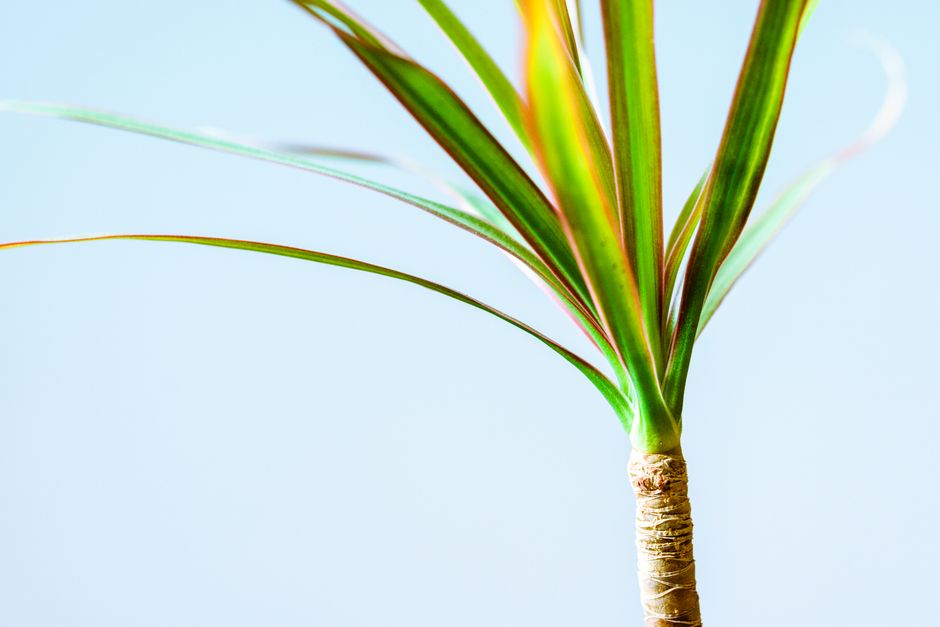
If you’re looking to add some dramatic height and tropical flair to your home, low maintenance plants in the Dracaena family offer the perfect solution. These striking plants have become favorites among our clients in the Boston Metro-West area, from busy professionals in Newton to first-time plant parents in Brookline.
What makes Dracaenas special is their stunning architectural presence. With their sword-like leaves sprouting from woody stems, varieties like the spiky Dragon Tree (Dracaena marginata) or the fuller Corn Plant (Dracaena fragrans) create instant visual impact in any room. Yet beneath their exotic appearance lies a surprisingly tough plant that forgives even the most neglectful owners.
The Graceful Dracaena
I’ll never forget when one of our clients in Watertown called us in a panic after returning from a three-week vacation. She’d completely forgotten to arrange for plant watering while she was gone. To her amazement, most of her plants had suffered, but her Dracaena marginata stood tall and proud, barely showing any signs of stress.
This resilience is no accident. Native to tropical regions of Africa, Madagascar, and southern Asia, Dracaenas have evolved to withstand periods of drought and varying light conditions. This natural adaptability makes them ideal companions for homes throughout Massachusetts.
Vertical growth is one of the Dracaena’s most practical features. Unlike sprawling plants that take up valuable table or floor space, many Dracaena varieties grow upward with a relatively small footprint. This makes them perfect for tight corners, narrow spaces between furniture, or as neat room dividers in open-concept homes from Jamaica Plain to Dedham.
Beyond their good looks, Dracaenas are hard workers when it comes to air purification. NASA studies have shown these plants excel at removing common household toxins like formaldehyde, benzene, and trichloroethylene from indoor air. One client in Roslindale told us she noticed fewer headaches after placing Dracaenas throughout her newly renovated home.
What truly makes Dracaenas standout low maintenance plants is their adaptability to light conditions. While they prefer bright, indirect light, many varieties can tolerate lower light levels. They might grow a bit slower in dimmer conditions, but they’ll continue to thrive where other plants would fail. This flexibility makes them perfect for Boston-area homes, where winter sunlight can be limited.
A commercial client who manages several office buildings in Boston shared: “We’ve incorporated Dracaenas into our lobby designs for years. They create that upscale, tropical feel our tenants love, but they’re practically indestructible. Even with irregular maintenance and the challenging light conditions of our north-facing entrance, they continue to look spectacular year after year.”
For basic care, water your Dracaena when the top inch of soil feels dry to the touch, typically every 1-2 weeks. One tip we share with our Massachusetts clients: these plants can be sensitive to fluoride in tap water, which may cause brown leaf tips. If you notice this issue, consider using filtered water or letting tap water sit out overnight before watering.
With minimal attention, your Dracaena will reward you with years of neat, vertical greenery – proving that sometimes the most impressive plants require the least amount of work.
Rubber Plant (Ficus elastica)

When you want to make a bold statement without signing up for high-maintenance plant care, the Rubber Plant delivers in spades. This stunning low maintenance plant commands attention with its large, glossy leaves that seem almost too perfect to be real. Standing tall with an upright growth habit, it transforms ordinary spaces into lush, tropical retreats.
Native to the diverse rainforests of Southeast Asia, the Rubber Plant evolved to thrive beneath the forest canopy, developing those impressive leaves to capture whatever filtered light breaks through. This adaptive nature makes it remarkably resilient in homes throughout Boston Metro-West, from cozy apartments in Jamaica Plain to spacious homes in Brookline.
The Bold Rubber Plant
There’s something undeniably dramatic about a healthy Rubber Plant. One of our clients in Newton shared, “My Rubber Plant started as a modest tabletop accent three years ago. Now it’s a stunning floor specimen that’s completely transformed my living room. The best part? I barely do anything beyond occasional watering and rotation!”
What makes the Rubber Plant such a standout among low maintenance plants is its perfect balance of visual impact and forgiving nature. Its impressive size potential means it can fill those awkward empty corners or serve as a focal point in larger rooms. While it can grow quite tall indoors, regular pruning easily keeps it at your preferred height.
Beyond its stunning appearance, the Rubber Plant quietly improves your home environment by filtering indoor air pollutants. The broad, glossy leaves efficiently capture dust and convert carbon dioxide to oxygen, creating a healthier living space with minimal effort on your part.
For those who appreciate color variety, this plant offers options beyond the classic deep green. Look for burgundy varieties with rich, wine-colored leaves, or variegated types that add striking patterns to your space. The ‘Tineke’ variety, with its cream and green marbling, brings an artistic touch to any room.
Caring for your Rubber Plant is refreshingly straightforward. Water it when the top inch of soil feels dry to the touch (typically every 1-2 weeks) and place it in bright, indirect light. While it can adapt to medium light conditions, you’ll see more robust growth with better lighting. The occasional leaf-cleaning with a damp cloth keeps those magnificent leaves dust-free and maximizes their glossy appeal.
One tip we share with our Waltham and Dedham clients: Rubber Plants appreciate consistency. Find a good spot with stable temperature and lighting conditions, and your plant will reward you with steady, impressive growth. Unlike fussier houseplants, it won’t throw a fit if you forget a watering or two – it simply waits patiently for your return.
Snake Plant ‘Laurentii’ (Sansevieria trifasciata ‘Laurentii’)
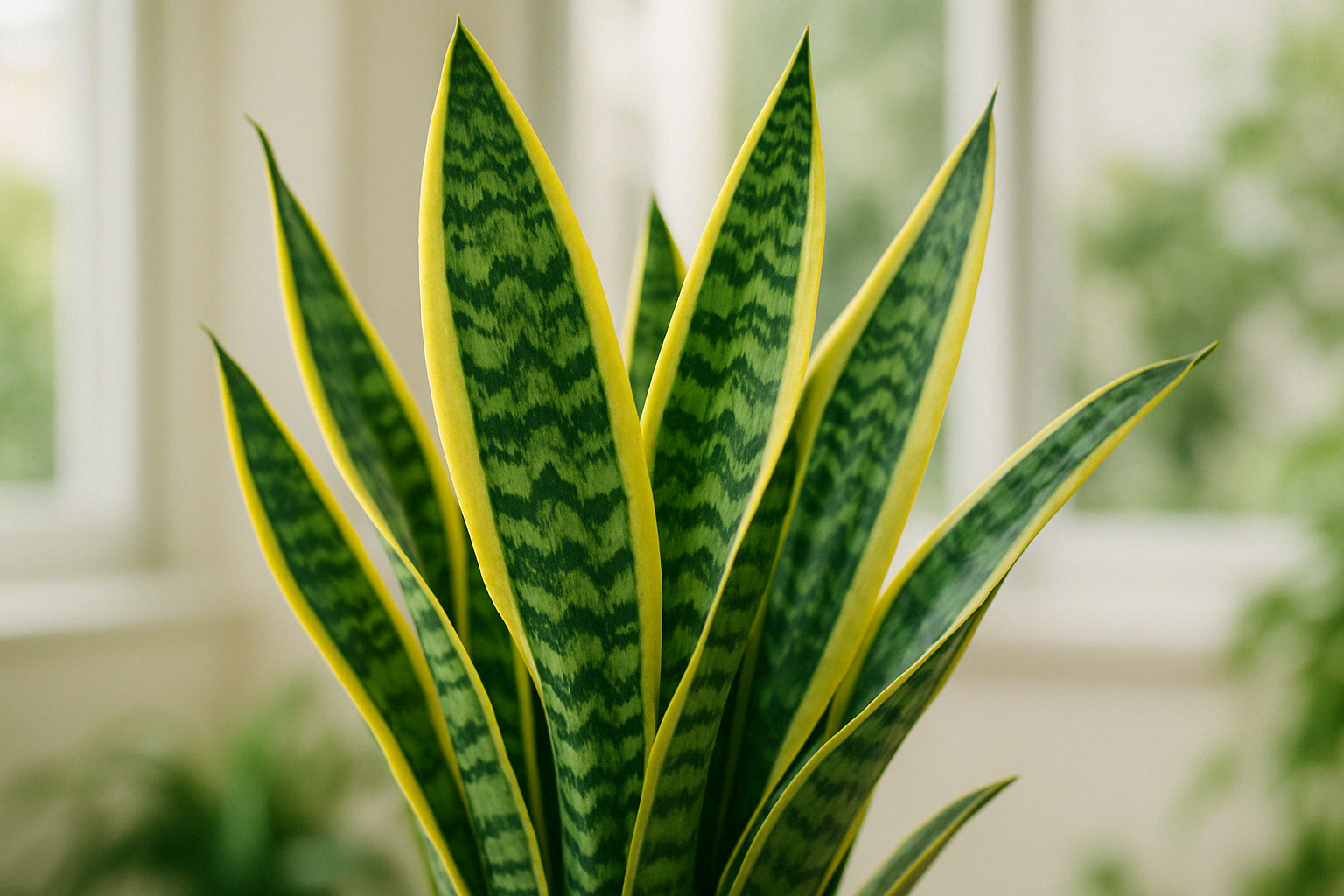
If you’ve fallen in love with the classic Snake Plant but crave a bit more visual flair, the Snake Plant ‘Laurentii’ might just be your perfect match. This stunning variety deserves its own spotlight in our low maintenance plants collection because it brings all the legendary toughness of the standard Snake Plant, but with a decorative twist – gorgeous yellow leaf margins that add a sunny pop of color to any space.
During our landscaping projects throughout the Boston Metro-West area, we’ve found that this variegated beauty quickly becomes a client favorite. It combines striking good looks with an almost supernatural ability to thrive on neglect – a rare combination in the plant world!
The Striking Snake Plant ‘Laurentii’
What makes the ‘Laurentii’ variety so special is that golden touch. Those bright yellow leaf margins create a beautiful frame around each upright leaf, adding dimension and visual interest that the standard variety simply doesn’t offer. Yet remarkably, this plant doesn’t demand any extra attention for its improved good looks.
Distinctive variegation is this plant’s calling card. The bright golden-yellow edges create a stunning contrast against the deep green centers, brightening corners from Walpole apartments to Boston office spaces. I’ve personally seen these plants transform even the drabbest spaces with their architectural presence.
The ‘Laurentii’ maintains all the resilience of regular Snake Plants, which is saying something! Just last month, a client in Dedham confessed she’d forgotten to water hers for nearly six weeks during an extended business trip. When she returned, the plant looked just as perky as when she left. This variety can handle drought conditions that would send most houseplants to an early grave.
Its air-purifying capabilities are equally impressive. NASA research has confirmed that Snake Plants, including the ‘Laurentii’, excel at removing toxins like formaldehyde and benzene from indoor air. They’re also among the few plants that convert CO2 to oxygen at night, making them perfect bedroom companions.
The vertical growth habit of this plant is another practical advantage. Those sword-like leaves grow straight up rather than out, taking minimal floor space while adding significant height and visual impact. This makes it perfect for tight corners, narrow hallways, or anywhere space is at a premium.
Perhaps most impressive is the long lifespan of these plants. With minimal care, a Snake Plant ‘Laurentii’ can thrive for decades, becoming a long-term companion in your home. We’ve had clients in Brookline whose ‘Laurentii’ plants have been passed down through generations, becoming living family heirlooms.
One of our residential clients in Mattapan shared her experience: “My Snake Plant ‘Laurentii’ has been the perfect addition to my bathroom, which has only a small window. The yellow edges brighten the space, and the plant thrives despite the inconsistent light and occasional steam from showers.”
For basic care, water your Snake Plant ‘Laurentii’ when the soil is completely dry – typically every 2-4 weeks, though you might go longer in winter. Place it in indirect light for best results. While it can tolerate low light conditions, you’ll notice the variegation becomes more pronounced with moderate light exposure.
One important tip for plant enthusiasts: when propagating this variety, division is preferred over leaf cuttings. If you take a cutting, the new plant will typically revert to the all-green form, losing those beautiful yellow margins. Instead, wait until your plant produces offshoots, then gently separate them when repotting.
At Lawn Care Plus Inc., we often incorporate these striking plants into interior landscaping projects because they deliver maximum impact with minimum maintenance – exactly what busy homeowners throughout the Boston Metro-West area are looking for in their greenery.
Monstera Deliciosa (Swiss Cheese Plant)
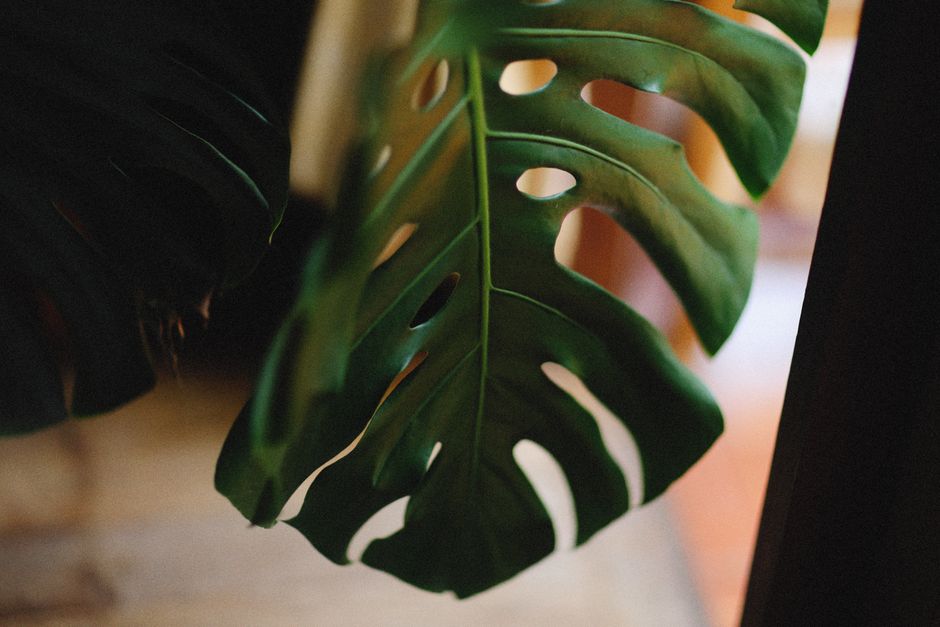
If you’ve scrolled through interior design accounts on social media in the last few years, you’ve almost certainly spotted the Monstera Deliciosa. With its dramatic, hole-punched leaves, this low maintenance plant has become the unofficial mascot of the houseplant renaissance. But don’t let its celebrity status fool you—behind those Instagram-worthy leaves is a surprisingly undemanding plant.
Native to the tropical rainforests of Mexico and Central America, the Monstera has a fascinating evolutionary story. Those distinctive leaf holes (called fenestrations) actually developed to allow sunlight to reach lower leaves as the plant climbs up trees, and to help rainwater pass through rather than weighing down the foliage during heavy tropical storms. It’s a plant that’s literally designed to thrive through challenging conditions!
The Tropical Monstera
What makes the Monstera so special among low maintenance plants is its perfect balance of drama and forgiveness. It’s the plant equivalent of a friend who always looks put-together but never makes you feel bad about showing up in sweatpants.
Working with clients throughout the Boston Metro-West area, we’ve found that Monsteras make particularly striking additions to homes in neighborhoods like Hyde Park and Watertown, where their tropical vibe creates a welcome contrast to New England architecture. One of our Brookline clients shared: “My Monstera started as a small plant with just a few leaves three years ago. Now it’s a stunning specimen with huge, split leaves that everyone comments on when they visit. What surprises people most is when I tell them how little care it actually requires.”
The visual impact of a mature Monstera is hard to beat. Those large, glossy, fenestrated leaves create an instant focal point in any room. They grow relatively quickly too—not so fast that they become overwhelming, but enough that you’ll notice satisfying progress from season to season. As they mature, the leaf perforations become more dramatic, almost like living art that evolves over time.
Despite their exotic appearance, Monsteras adapt remarkably well to average home conditions. They’re surprisingly tolerant of occasional neglect, bouncing back even if you forget a watering or two. Like many tropical plants, they also help purify indoor air by filtering out common household pollutants—beauty and function in one package!
With basic care, a Monstera can become a long-term companion in your home. Water yours when the top 1-2 inches of soil feel dry to the touch (typically every 1-2 weeks) and position it in medium to bright indirect light. While they do appreciate higher humidity, they adapt well to normal household conditions—no need for special humidifiers or misting routines.
As your Monstera grows, you might want to provide a moss pole or trellis for support. In the wild, these plants are climbers, and they’ll often grow more vigorously and develop more spectacular leaves if given something to climb on. That said, they’ll still thrive without one—it’s just an optional upgrade for plant parents who want to take things to the next level.
One of the things we love about recommending Monsteras to our Massachusetts clients is their adaptability to our region’s seasonal light changes. They can handle the shorter, darker days of winter without dramatically suffering, then put on impressive growth during our brighter spring and summer months.
Whether you’re a seasoned plant collector or just dipping your toe into plant parenthood, the Monstera Deliciosa offers that rare combination of low-maintenance care requirements and high-impact visual presence. It’s a tropical statement piece that won’t punish you for being less than perfect in your plant care routine.
Frequently Asked Questions about Low Maintenance Plants
What Makes a Plant Low Maintenance?
Ever wondered why some plants seem to thrive on neglect while others wilt if you look at them wrong? Low maintenance plants have evolved some pretty clever survival strategies that make them perfect for busy people (or those of us who aren’t naturally blessed with a green thumb).
The superstars of the low-maintenance world typically share a few key traits. They’re drought-tolerant champions, like succulents and snake plants, that can go weeks without a drink while still looking fabulous. Many have adapted to varying light conditions in their natural habitats, which means they won’t throw a fit if they don’t get perfect lighting in your home.
“The most forgiving plants have evolved to handle stress,” explains one of our landscapers at Lawn Care Plus Inc. “They’re like the marathon runners of the plant world—they pace themselves and can weather tough conditions.”
These easygoing plants also tend to grow at a reasonable pace (no constant pruning needed) and have built-in resistance to common pests and diseases. Many even give you clear signals when they need attention—like peace lilies dramatically flopping over when thirsty, then perking right back up after watering.
For absolute beginners throughout the Boston Metro-West area, we typically recommend starting with nearly indestructible options like snake plants or ZZ plants. They’ll forgive even significant neglect while still adding beautiful greenery to your space.
How Often Should I Water Low Maintenance Plants?
The million-dollar question! While there’s no one-size-fits-all answer, the beauty of low maintenance plants is that most are remarkably forgiving if you miss their ideal watering window.
Instead of sticking to a rigid schedule, get to know your plant’s specific needs by checking the soil moisture before watering. Different plant types have different thirst levels:
Desert dwellers like snake plants, ZZ plants, and cacti have evolved to store water and survive long dry spells. They only need watering when their soil is completely dry—typically every 3-4 weeks, or even less frequently during winter months when growth naturally slows.
Tropical plants with thicker leaves such as pothos, philodendrons, and rubber plants appreciate a drink when the top 1-2 inches of soil feel dry to the touch, usually every 1-2 weeks depending on your home’s conditions.
More water-loving tropicals like peace lilies will let you know when they’re thirsty by dramatically drooping their leaves—usually every 7-10 days, but they’ll bounce right back after a good soak.
“We always tell our clients in places like Newton and Brookline that when in doubt, it’s better to underwater than overwater,” shares our head gardener. “Most low-maintenance plants can recover from drought, but wet roots often lead to rot—which is much harder to fix.”
All plants typically need less water during winter’s dormant period and more during summer’s active growth phase. Your plant’s location matters too—those in bright, warm spots will need more frequent watering than those in cooler, shadier areas.
Can Low Maintenance Plants Thrive Indoors and Outdoors?
Absolutely! Many low maintenance plants are adaptable enough to flourish both inside your Watertown condo and out on your Dedham patio—with a little strategic planning.
When transitioning houseplants outdoors for a summer vacation, think of it like helping a person adjust to bright sunlight after being in a movie theater. Start by placing them in shaded spots to prevent the plant equivalent of a sunburn, then gradually introduce them to more light over 1-2 weeks. That outdoor plants typically need more frequent watering due to wind and higher temperatures.
Before bringing outdoor plants in for winter, give them a thorough pest check—nobody wants to invite aphids into their living room! Expect some leaf drop as plants adjust to lower indoor light levels, and reduce watering once they’re inside.
For year-round outdoor beauty in Massachusetts’ challenging climate, we’ve had great success installing native and adaptive low-maintenance options throughout the Boston Metro-West area:
Sedum (stonecrop) varieties are practically indestructible, withstanding both summer drought and winter freeze with minimal complaint. Their fleshy leaves and colorful blooms add interest to gardens from Milton to Needham.
Native ornamental grasses like switchgrass and little bluestem provide year-round texture and movement, requiring just one annual cutback. They’re stunning in Brookline landscapes, especially when backlit by morning or evening sun.
Coneflowers (Echinacea) are Massachusetts natives that bloom for months, attract beneficial wildlife, and stand up to summer heat. “Even after the flowers fade, their distinctive seedheads add winter interest,” notes our landscape designer.
Hydrangeas, particularly the native smooth hydrangea, offer dramatic blooms with minimal intervention. They’ve become favorites for clients from Newton to Jamaica Plain looking for big impact with little effort.
Through our years of landscaping experience across Metro-West communities, we’ve found the secret to truly low-maintenance plants in any setting: matching the right plant to the right place. When plants are growing in conditions similar to their natural habitat, they need far less help from us to thrive.
Conclusion
“Low-maintenance houseplants are great because they usually thrive with minimal attention, which makes them perfect for busy plant parents.” – Paris Lalicata
There’s something truly magical about bringing nature into your home without the stress of constant care. Throughout our years of service at Lawn Care Plus Inc., we’ve witnessed countless smiles as clients throughout the Boston Metro-West area find the joy of low maintenance plants that fit seamlessly into their hectic lives.
These resilient green companions don’t just survive in our homes—they thrive, changing spaces with their presence while asking very little in return. The air feels fresher, rooms feel more alive, and there’s a subtle sense of accomplishment in nurturing something living, even when that nurturing might occasionally mean weeks of benign neglect!
Whether you’re a young professional in Watertown with barely enough time to water yourself, let alone a plant, or a busy family in Newton juggling soccer practice and dinner prep, there’s a perfect low maintenance plant waiting to brighten your space. From the virtually indestructible Snake Plant to the striking Monstera that makes every amateur photographer reach for their phone, our list of 15 resilient beauties offers something for every home, light condition, and level of forgetfulness.
What we’ve learned through years of helping clients create beautiful, sustainable landscapes is that even the most forgiving plants have their sweet spots. The secret isn’t finding plants that need no care at all—it’s understanding the minimal conditions where these plants can thrive with little intervention. A Snake Plant placed in a bathroom with occasional light might survive for months without attention, but give it a slightly brighter spot and a drink of water every few weeks, and it will reward you with vigorous growth and improved air quality.
The beauty of embracing low maintenance plants extends beyond your windowsill. Our team at Lawn Care Plus Inc. has helped countless homeowners throughout Brookline, Needham, and surrounding communities apply these same principles to their outdoor spaces. Imagine stepping into your backyard to find a mix of drought-tolerant natives, ornamental grasses that dance in the breeze, and flowering perennials that attract beneficial wildlife—all while requiring a fraction of the care of traditional landscapes.
From selecting plants perfectly suited to Massachusetts’ sometimes challenging climate to incorporating hardscaping elements that reduce maintenance areas, we specialize in creating outdoor environments that give you more time to enjoy your garden rather than constantly working in it. The same principles that make a ZZ Plant thrive on your desk—resilience, adaptability, and efficiency—can transform your entire property into a low-maintenance oasis.
Interested in enhancing your space with low maintenance plants? Learn more about our landscaping services
Glossary for low maintenance plants:
– low growing flowering perennials
– native plants massachusetts
– perennial flowers for massachusetts