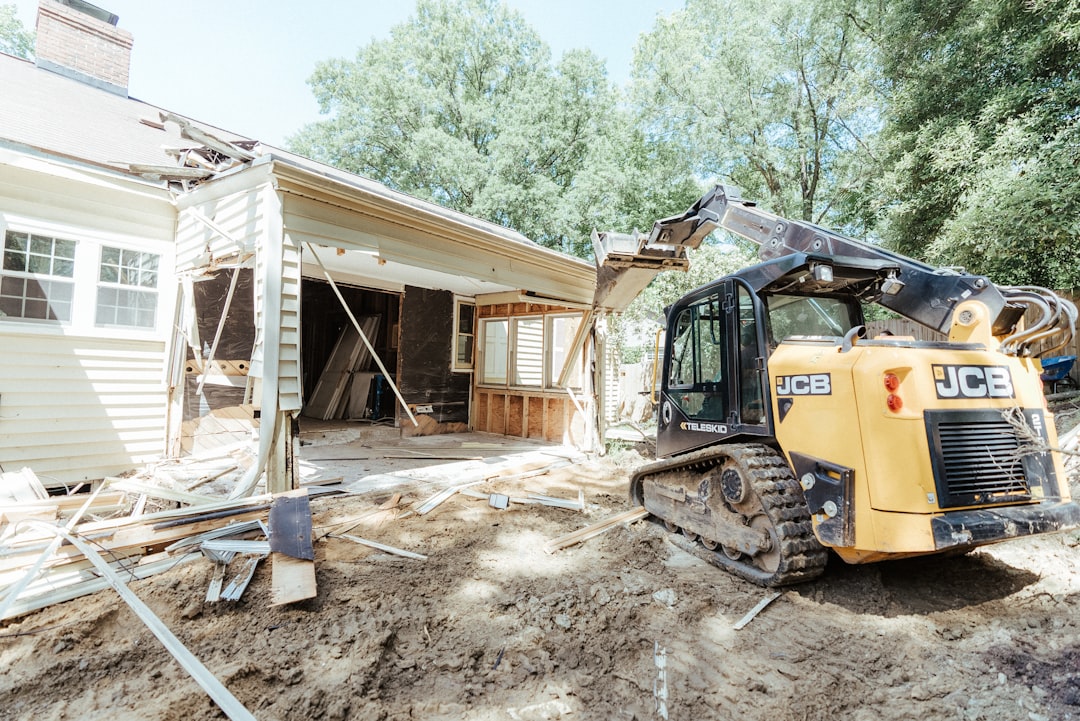
The “New Build” Battlefield: Why Your Yard Starts as a Challenge
New construction lawn installation is different from regular lawn care because your yard isn’t just empty—it’s damaged. The soil left behind by builders is often a hostile environment for growing grass.
Quick Solutions for New Construction Lawn Problems:
- Compacted soil – Till or aerate deeply to loosen packed earth from heavy equipment.
- Missing topsoil – Add 4-6 inches of quality topsoil before planting.
- Poor drainage – Grade the yard with a 2-10% slope away from the foundation.
- Buried debris – Remove rocks, wood, and construction waste that block root growth.
- Wrong pH levels – Test soil and amend with lime (for acidic soil) or sulfur (for alkaline soil).
- Timing issues – Plant cool-season grass in early fall for the best results in Massachusetts.
Moving into a new home is exciting, but the yard is often a challenge. Builders typically leave behind compacted subsoil, construction debris, and poor drainage after stripping away the nutrient-rich topsoil. The weight of heavy machinery creates severe soil compaction, while buried debris blocks root growth and causes drainage issues. This lifeless subsoil lacks the organic matter needed to hold moisture and nutrients.
Simply throwing seed on this “builder’s dirt” will fail because the underlying problems haven’t been addressed. A successful new construction lawn requires fixing the soil first. I’m Tim DiAngelis, owner of Lawn Care Plus Inc., and my team has helped hundreds of homeowners in Greater Boston transform bare construction sites into thriving lawns. The process isn’t quick, but when done right, it creates a lawn that will last for years.
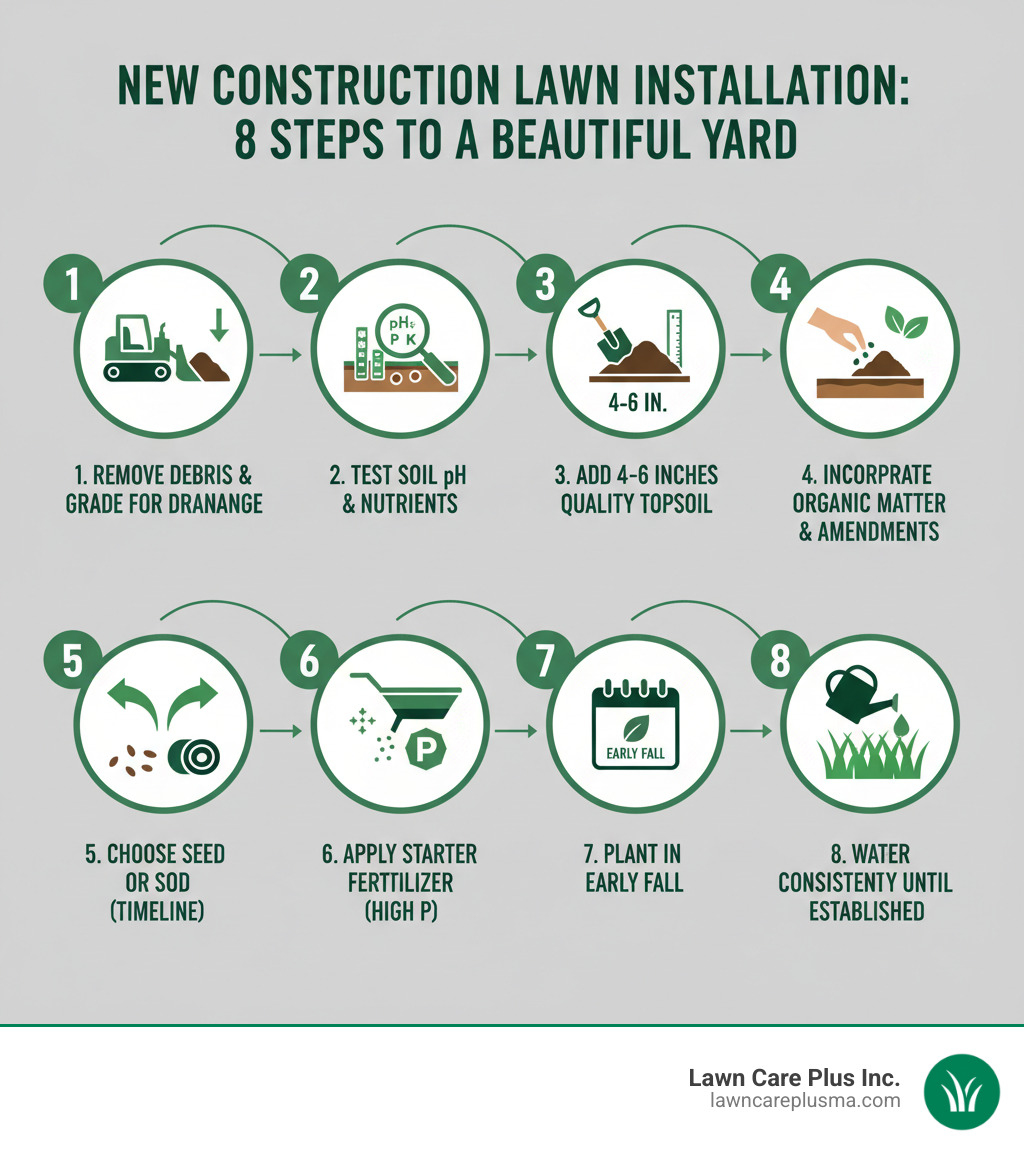
Glossary for new construction lawn installation:
The “New Build” Battlefield: Why Your Yard is a Blank Slate
Before you can grow a great lawn, you need to understand what you’re up against. The construction process is harsh on soil, leaving behind a less-than-ideal foundation for grass. What looks like dirt is often damaged subsoil that won’t support a healthy lawn without significant work.
Common Soil Issues at New Construction Sites
Here’s what’s really going on beneath your feet:
- Topsoil Stripping: The top layer of soil, rich in organic matter and nutrients, is often scraped away or buried during construction. What remains is lifeless subsoil that can’t support healthy plant growth.
- Severe Soil Compaction: The weight of heavy equipment squeezes air pockets out of the soil, turning it into a hard, dense layer. This prevents water from soaking in and stops roots from spreading.
- Buried Construction Debris: We often find concrete chunks, wood scraps, rocks, and other trash buried just below the surface. These items block root growth and create drainage problems, leading to dead spots in your lawn.
- Poor Drainage and Improper Grading: Builders focus on keeping water away from the foundation, but this can create drainage issues elsewhere. Improper grading can lead to puddles, soggy areas, or erosion on slopes.
- Nutrient Deficiencies and Unbalanced pH: Exposed subsoil lacks the essential nutrients needed to feed grass. The pH is also often too acidic or alkaline, which prevents grass from absorbing any available nutrients.
This is why you can’t just throw grass seed on builder-left dirt and hope for the best. Fixing the ruts left by construction is just the beginning. Severe drainage issues may even require hardscaping services for drainage solutions before you can plant. The good news is that all these problems can be fixed with the right approach.
A Step-by-Step Guide to New Construction Lawn Installation
This is the blueprint for turning your construction lot into a lush landscape. Following these steps in order is crucial for establishing a lawn that will thrive for years to come.
Step 1: Site Cleanup and Final Grading
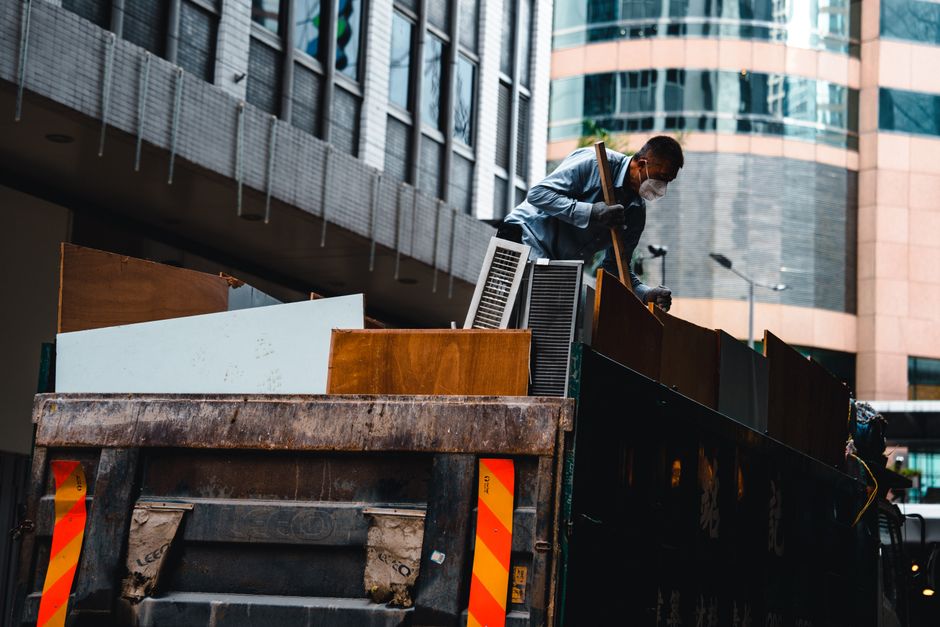
The first step is to clear the area and ensure water flows away from your home’s foundation. This work is essential for everything that follows.
- Debris Removal: Walk the entire property and remove all visible construction debris—wood scraps, plastic, concrete chunks, and anything else that doesn’t belong in healthy soil. Skipping this step leads to dead spots and drainage problems.
- Rock and Root Removal: After the large debris is gone, rake the area to remove smaller rocks and old root systems that can create an uneven surface and damage mower blades.
- Fill Ruts: Fill any deep tracks left by heavy equipment with quality soil and level them carefully. These ruts can collect water and create drainage issues. You can learn more about fixing ruts left by construction.
- Establish a Gentle Slope: Grade the yard to create a 2% to 10% slope away from your foundation (a 1-inch drop for every 4 feet). This ensures rainwater flows away from your house and toward a proper drainage point.
For properties with significant drainage challenges, basic grading may not be enough. Our hardscaping services for drainage solutions can solve persistent water problems with French drains, catch basins, or retaining walls.
Step 2: Soil Testing and Amendment
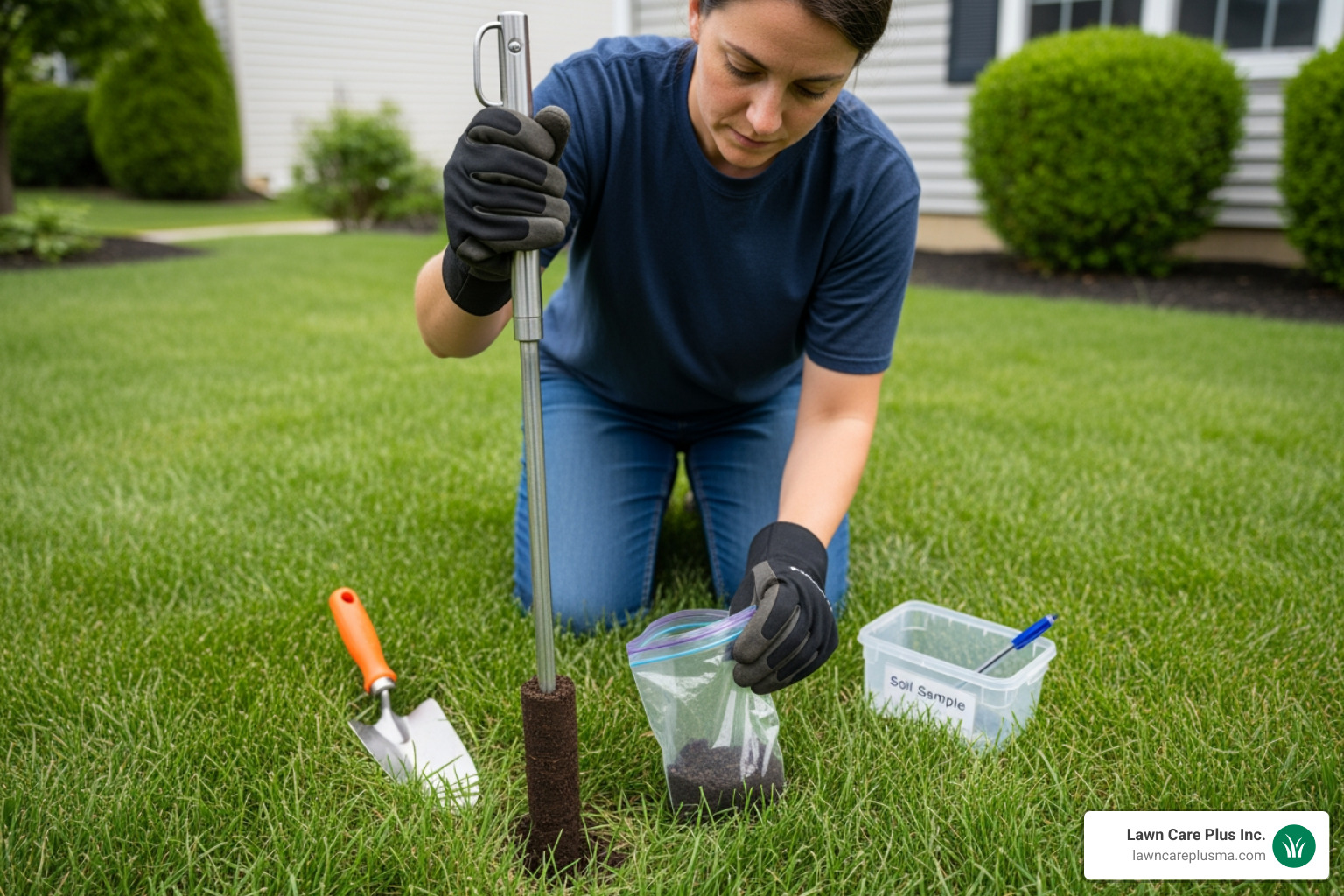
This is the most critical step. Don’t guess what your soil needs—test it. A soil test provides a roadmap for success.
- Get a Soil Test: For the detailed analysis required for new construction lawn installation, we recommend a professional soil analysis through your local extension office. The results will reveal pH levels, nutrient content, and organic matter percentage.
- Add Quality Topsoil: Most new construction sites require adding 4-6 inches of screened, organic topsoil. This is not “fill dirt,” but nutrient-rich soil that provides a base for strong root growth.
- Incorporate Organic Matter: Blend compost or peat moss into the topsoil. These amendments improve moisture retention, add nutrients, and reintroduce beneficial microbes. For heavy clay soils, working organic matter into the top 12 inches can dramatically improve drainage.
- Adjust pH: Based on your soil test, adjust the pH to the ideal range for grass (6.0-7.0). Add lime to raise the pH (if acidic) or sulfur to lower it (if alkaline). Grass cannot absorb nutrients if the pH is wrong.
- Address Compaction: Till the soil 6-8 inches deep to mix the new topsoil and amendments while breaking up compacted layers. This creates loose, permeable soil where roots can grow freely.
Step 3: Choosing Your Lawn: Seed vs. Sod

Your two main options for planting a new lawn are seed and sod. The right choice depends on your budget, timeline, and how much effort you want to invest in early care.
Seeding offers the most variety and the lowest upfront cost, but it requires patience. Germination takes 10-30 days, and a full growing season is needed before the lawn can handle regular foot traffic. You’ll need to be vigilant about watering and weed control.
Sodding provides an instant lawn that is ready for light use in 2-3 weeks. It also offers immediate erosion and weed control. The trade-offs are a significantly higher upfront cost and less variety in grass types.
| Feature | Seeding | Sodding |
|---|---|---|
| Cost | Lower upfront investment. Materials typically run $0.05 to $0.20 per square foot, with professional installation for an average yard ranging from $1,000 to $8,000+ depending on size and complexity. These are internet-based averages, not quotes for services. | Higher upfront investment. Sod materials alone cost $1.00 to $2.00 per square foot, with professional installation ranging from $1.50 to $4.50+ per square foot. A 5,000 square foot lawn could cost between $7,500 and $22,500+. These are internet-based averages, not quotes for services. |
| Time | Longer establishment period. You’ll wait weeks for sprouts and months for a mature lawn. | Instant gratification. You get a mature, green lawn immediately, with full usability in 3-4 weeks. |
| Variety | Extensive selection of grass species and custom blends for specific site conditions. | Limited to varieties available from local sod farms. |
| Labor | Easier initial installation, but early care demands more time for watering and weed management. | Harder initial installation (heavy rolls), but post-installation care is generally easier. |
| Weeds | More vulnerable to weeds during establishment, requiring careful monitoring. | Immediate weed suppression due to the dense grass canopy. |
| Erosion | Vulnerable to washout on slopes until grass establishes. | Instant erosion control, ideal for slopes. |
| Best For | Budget-conscious homeowners, those wanting specific grass varieties, or people with time for diligent early care. Best planted in early fall in Massachusetts. | Homeowners wanting immediate results, needing erosion control, or preferring less intensive early maintenance. More flexible installation timing. |
Step 4: Planting and Protecting Your New Lawn
With the prep work done, it’s time to plant. This is where your vision starts to take shape.
- Apply Starter Fertilizer: Use a high-phosphorus fertilizer (like a 21-22-4 NPK ratio) to promote strong root development. This is your new lawn’s critical first meal.
- Spread Seed Evenly: Use a broadcast or drop spreader with overlapping passes to avoid bare spots. Lightly rake the seed into the top quarter-inch of soil to ensure good seed-to-soil contact, which is vital for germination.
- Lay Sod Strips: Lay sod strips tightly against each other, staggering the seams like bricks. Avoid gaps or overlaps. Use a utility knife to cut pieces to fit around curves and landscape features.
- Mulch for Seed Protection: Apply a light layer of seed mulch, like PennMulch, to retain moisture, protect seeds from birds, and add nutrients. This is cleaner than traditional straw, which can contain weed seeds.
- Roll for Soil Contact: Whether seeding or sodding, roll the entire area. For seed, a light roller ensures seed-to-soil contact. For sod, a half-filled roller presses the sod firmly into the soil, eliminating air pockets.
If you’re in the Boston Metro-West area and want professional help ensuring your new lawn gets the best possible start, our team at Lawn Care Plus Inc. provides expert lawn installation services that take the guesswork out of the process.
Nurturing New Growth: Watering and Early Care
Your work isn’t over once the seed or sod is down. The first few weeks are critical for establishment, and this is where you protect your investment with careful, consistent attention.
The Critical First Weeks: Watering Your New Lawn
Proper watering is the single most important factor for the success of a new construction lawn installation. Too little water will kill new grass, while too much can cause disease or wash away seeds.
- Watering New Seed: Keep the top inch of soil consistently moist, but not soggy. This usually means light, gentle watering 2-4 times per day for the first 1-2 weeks until germination. Once sprouts appear, gradually reduce frequency and increase duration to encourage deep root growth.
- Watering New Sod: Sod requires deep watering immediately after installation. Soak the sod and the underlying 4-6 inches of soil. For the first 10-14 days, keep the soil consistently moist to help the roots anchor.
- Checking Soil Moisture: For sod, lift a corner to feel the soil underneath. For seed, press a finger into the top inch of soil. If it feels dry, it’s time to water. Let the soil be your guide.
- Tapering the Schedule: After the initial critical period (10-14 days for sod, after a few mows for seed), transition to watering less frequently but more deeply. The goal is to apply about one inch of water per week, including rainfall.
- Watch for Problems: Yellowing grass or a spongy feel may indicate overwatering. Wilting, browning, or a dull color are signs of underwatering. Water in the early morning to allow grass blades to dry during the day, which helps prevent fungal diseases.
Long-Term Care for Your New Construction Lawn
Once established, a consistent maintenance routine will keep your lawn healthy and vibrant.
- First Mowing: For sod, wait about 13-15 days, or until it feels anchored when you gently tug on it. For seed, wait until the grass is 2.5-4 inches tall. For the first few mows, set your mower high to cut only the top third of the blade. Avoid using heavy riding mowers on a new lawn for at least a year to prevent soil compaction.
- Mowing Frequency: Mow regularly, keeping cool-season grasses at a height of 3-4 inches. Never remove more than one-third of the grass blade in a single mowing. This encourages thicker growth and helps prevent weeds.
- Ongoing Fertilization: For sod, apply a high-nitrogen fertilizer about a month after installation. For seeded lawns, apply a second round of starter fertilizer after the fourth mow, then switch to a regular lawn food program.
- Weed Control: Sod provides good initial weed suppression. For new seed, wait until after the third or fourth mow before applying any weed control products, as they can harm young grass. A healthy, dense lawn is the best defense against weeds. Our comprehensive lawn care services can develop a custom plan for your lawn.
- Addressing Compaction: Over time, even well-prepared soil can become compacted. Aerate your lawn about six months to a year after planting to improve air, water, and nutrient penetration to the roots.
Frequently Asked Questions about New Construction Lawn Installation
Here are answers to the most common questions we hear about new construction lawn installation in the Greater Boston area.
What is the best time of year to install a new lawn in Massachusetts?
If you’re in Belmont, Boston, Brighton, Brookline, Canton, Chestnut Hill, Dedham, Hyde Park, Jamaica Plain, Mattapan, Medfield, Milton, Needham, Newton, Norwood, Randolph, Readville, Roslindale, Walpole, Watertown, Wellesley, or West Roxbury, timing is key.
The best time to plant cool-season grasses is late summer to early fall (mid-August through late September). The warm soil promotes rapid germination, while cooler air reduces stress on new seedlings. Fall also brings more consistent rain and less competition from weeds, helping the lawn establish strong roots before winter.
Spring (mid-April to mid-May) is the second-best option, but you’ll need to be more vigilant about weed control and potential heat stress on young grass.
How do I choose the right grass seed for my new construction site?
Choosing the right seed blend is critical for success. Match the seed to your site’s conditions:
- Sunlight: For areas with 6-8 hours of sun, Kentucky Bluegrass creates a classic, self-repairing lawn. For shady spots with less than 4 hours of sun, use blends with Fine Fescues.
- Use: For high-traffic areas with kids or pets, include Perennial Ryegrass in your mix. It establishes quickly and is very durable.
Always use high-quality seed. Cheaper seed often contains weed seeds and has a lower germination rate, leading to a thin, patchy lawn. A blend of multiple grass types (e.g., Kentucky Bluegrass, Perennial Ryegrass, and Fescues) creates a more resilient lawn that can better withstand pests, diseases, and weather variations.
How much does a new lawn installation cost?
This is a common question, but the answer varies significantly based on your property and the chosen method.
- Seeding: Based on national averages found online, materials can run from $0.05 to $0.20 per square foot. Professional installation for a typical yard often falls between $1,000 and $3,000 but can climb to $8,000 or more if extensive soil work or grading is needed. These are internet-based averages, not quotes for our services.
- Sodding: Sod is more expensive. Materials alone typically cost $1.00 to $2.00 per square foot. With professional installation, the total cost can range from $1.50 to $4.50 or more per square foot. A 5,000 sq. ft. lawn could cost between $7,500 and $22,500 or higher. These are internet-based averages, not quotes for our services.
Costs are driven by the necessary soil preparation—debris removal, adding topsoil, amendments, and grading—not just the grass itself. Property size, site access, and slopes also affect the final price. We always recommend a detailed assessment for an accurate quote.
From Dirt to Dream Lawn: Your Next Steps
You now have the roadmap for a successful new construction lawn installation. It’s a major project, but the reward is a healthy, vibrant outdoor space for your family to enjoy for years to come.
The single most important takeaway is this: do not skip the soil preparation. Trying to grow a lawn on unprepared construction soil leads to frustration, extra expense, and a lawn that constantly struggles. When you invest the time to test your soil, add topsoil, amend, and grade properly, you are building a foundation for long-term success. Your lawn will be more resilient, require less effort, and look better year after year.
Think of it this way: your home was built on a solid foundation, and your lawn deserves the same approach. The healthiest lawns in Belmont, Newton, Brookline, and the Boston Metro-West area all started with proper preparation.
We understand that not everyone has the time or equipment for this project. If you’re in the Greater Boston area and want professional expertise, Lawn Care Plus Inc. specializes in new construction lawn installation. We handle every step, from soil testing to the first mow, ensuring your investment results in the beautiful lawn you envision.
Whether you do it yourself or work with us, the most important thing is to start with a solid plan. Your dream lawn is achievable—it just needs the right foundation to thrive. Contact us today for your lawn care needs!