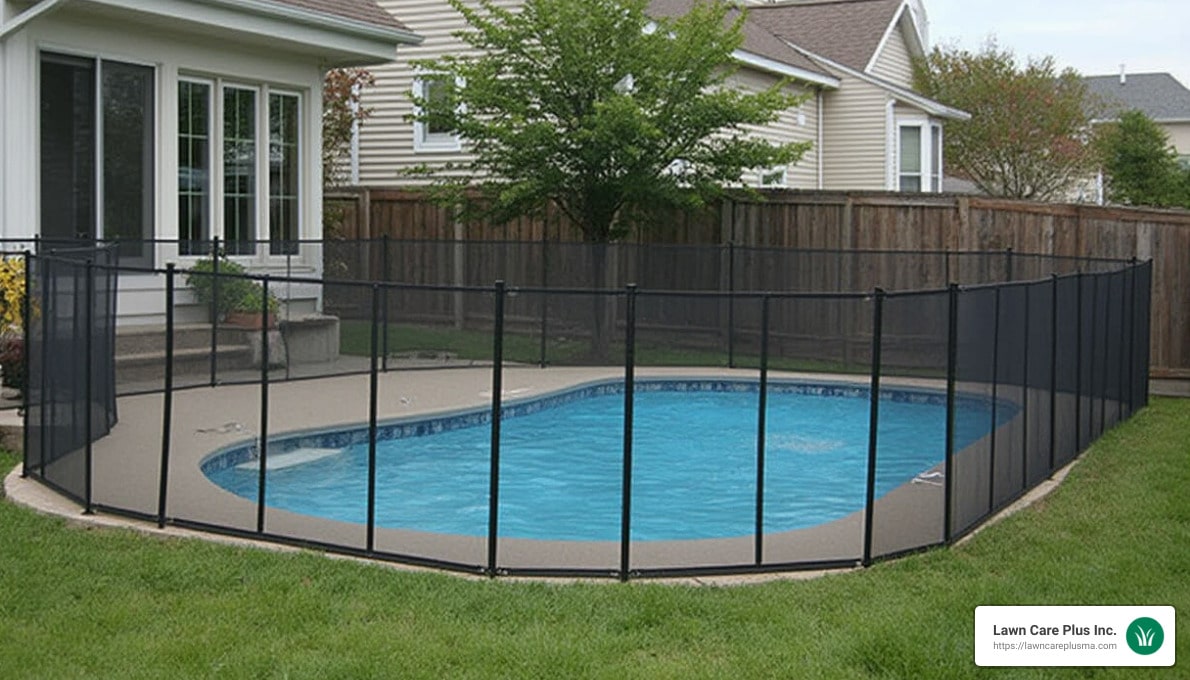
Pool safety fence installation is a crucial step towards ensuring the safety and well-being of your family and pets around the pool area. Here are the must-know quick tips:
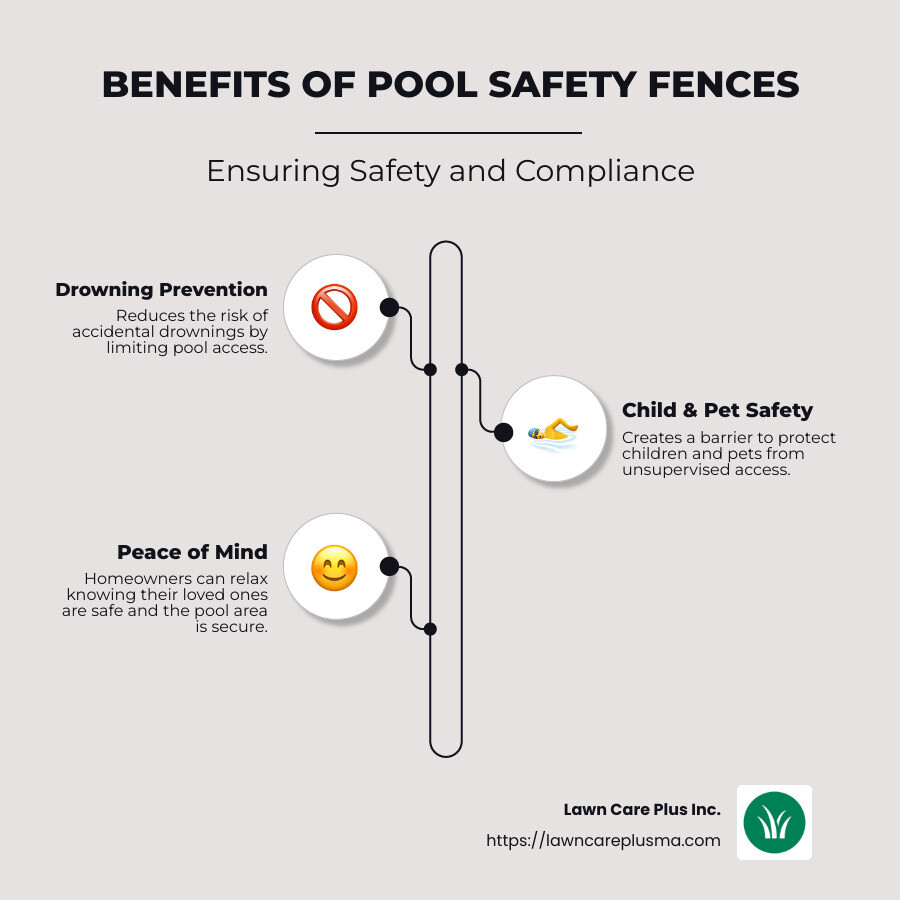
- Safety First: Installing a pool fence significantly reduces the risk of accidental drownings.
- Child Protection: It creates a barrier, preventing children from accessing the pool unsupervised.
- Pet Safety: Keeps pets from falling into the water unattended.
In the Boston Metro-West area, where families and pet lovers value safe and attractive outdoor spaces, a pool safety fence isn’t just a luxury—it’s an essential investment. By implementing prevention measures such as these, you can enjoy peace of mind, knowing that your loved ones are protected.
Taking these precautions can save lives. With child safety being a top priority, ensuring that your pool is secure is indispensable.
Planning Your Pool Safety Fence Installation
When it comes to pool safety fence installation, careful planning is essential. Let’s explore key factors to consider: the fence route, deck surface, concrete footings, and existing structures.
Fence Route
The path your fence takes is crucial for both safety and convenience. Ideally, position the fence at least 24 inches from the water’s edge. This distance provides ample space for walking and maintenance around the pool. Avoid tight turns and sharp angles. Instead, opt for gentle curves or 45-degree turns, which are safer and more aesthetically pleasing.
Deck Surface
A solid surface is vital for a stable fence. Concrete, paver stones, or flagstone set in mortar over concrete are ideal choices. The surface should be at least four inches thick and six inches wide to ensure the fence is properly tensioned. Level surfaces not only improve safety but also improve the fence’s appearance.
Concrete Footings
If your fence path crosses grass or dirt, concrete footings are necessary at each post interval. These footings should be placed every three feet or less to maintain stability. Gates must be installed on firm surfaces like concrete or paved stone to ensure they function correctly.
Existing Structures
In some cases, you can use existing structures to complete the pool barrier. These can include perimeter fencing, walls, or parts of the house. Ensure these structures are at least five feet high and in good condition. This integrated approach can save time and resources while maintaining safety.
By taking these factors into account, you can plan a pool fence that is both functional and secure. Proper planning not only improves safety but also ensures a smooth installation process.
Next, we’ll explore the differences between DIY and professional installation, helping you decide which route is best for your needs.
DIY vs Professional Installation
When considering pool safety fence installation, the choice between DIY and professional installation can greatly impact the outcome. Let’s break down the challenges and benefits of each approach.
DIY Challenges
Taking on a DIY pool fence project might seem like a cost-effective option, but it comes with its own set of problems. Precision is key when drilling into pool decks or inserting posts. Without the right tools and experience, mistakes can happen. These errors might not only compromise the safety of the fence but could also damage your pool deck, potentially leading to costly repairs.
Moreover, time is a factor. DIY installations can take significantly longer, especially for beginners. What professionals can accomplish in a few hours might take a DIY enthusiast an entire weekend or more. The complexity of the pool’s shape and size can further extend this timeline.
Professional Expertise
Hiring professionals for your pool fence installation brings a level of expertise that ensures a seamless process. Companies like Lawn Care Plus Inc. have experienced technicians who are well-versed in tested methods and equipped with the right tools. This expertise minimizes the risk of errors and guarantees a durable, safe installation.
Additionally, professionals can provide valuable advice custom to your specific pool area. They assess factors like deck surface type, existing structures, and the optimal fence route to ensure the best possible outcome. This guidance can be invaluable in avoiding common pitfalls and achieving a fence that meets safety standards.
Installation Process
The professional installation process is efficient and thorough. It typically begins with a detailed review of the project scope, ensuring alignment with your expectations. The team then proceeds with precise drilling at designated points on your pool deck. Each post is anchored securely, with plastic sleeves inserted to ensure a proper fit.
The installation process is usually completed within a few hours, though larger or more complex pools might extend to a second day. Once the fence is up, technicians demonstrate how to easily take down and set up the fence, empowering you to maintain safety with ease.
In contrast, DIY installations require careful study of instructions and often involve trial and error, which can be frustrating and time-consuming.
Choosing between DIY and professional installation depends on your confidence, skill level, and willingness to invest time. For those seeking peace of mind and a swift, reliable solution, professional installation is often the best choice.
Next, we’ll dive into the essential tools and materials needed for a successful pool safety fence installation.
Essential Tools and Materials
When it comes to pool safety fence installation, having the right tools and materials is crucial. Let’s explore the essentials you’ll need to ensure a safe and sturdy fence.
Ground Sleeves
Ground sleeves are vital components that anchor your fence posts securely. These sleeves are typically made of durable PVC and are installed into the ground or deck surface. They provide a stable base for your fence posts, ensuring they remain upright and secure. When installing in grass, you’ll need to remove the fence temporarily for lawn maintenance to avoid damaging these sleeves.
Rotary Hammer Drill
A rotary hammer drill is a must-have tool for drilling into hard surfaces like concrete or stone. This powerful tool makes the job much easier and faster. The Pool Fence DIY Rotary Hammer Drill, for instance, is specifically recommended for its compatibility with the necessary drill bits and its efficiency in creating precise holes for your fence posts.
Drill Bits
Choosing the right drill bits is just as important as the drill itself. For pool fence installation, you’ll need a 5/8″ diameter by 16″ length masonry bit. This size is perfect for creating the necessary holes for your ground sleeves. Unfortunately, these bits are currently out of stock, so plan ahead to ensure you have them when needed.
Self-Latching Gates
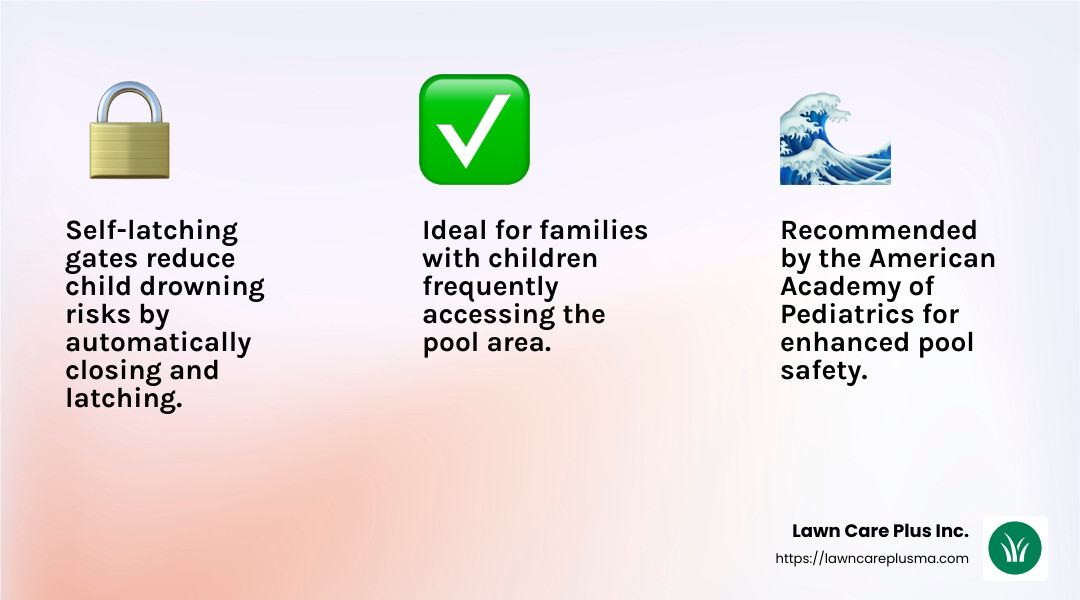
Self-latching gates are a critical safety feature for any pool fence. These gates automatically close and latch, providing an added layer of security. They are highly recommended by safety organizations like the American Academy of Pediatrics, making them a must-have for families with children. They are not only safer but also offer convenience, especially if you have older children who frequently use the pool.
Equipping yourself with these essential tools and materials will set the foundation for a successful pool safety fence installation. Whether you choose to DIY or hire professionals, having the right equipment ensures the process is both efficient and effective.
Next, we’ll guide you through the step-by-step installation process to help you achieve a safe and secure pool environment.
Step-by-Step Installation Guide
Installing a pool safety fence might seem daunting, but breaking it down into steps makes it manageable. Here’s a simple guide to help you through the process.
Drilling
The first step in pool safety fence installation is drilling the holes for your ground sleeves. Using a rotary hammer drill, create holes at the designated points around your pool. Each hole should be spaced about 36 inches apart. This spacing ensures the fence is sturdy and secure.
Tip: Use a 5/8″ diameter masonry bit for precise drilling. If you’re working on concrete, ensure the drill is set to the hammer setting for efficient drilling.
Inserting Posts
Once your holes are drilled, it’s time to insert the ground sleeves. These PVC sleeves act as anchors for your fence posts. Gently tap them into the holes until they are flush with the ground or deck surface.
Note: If you’re installing in grass, the fence will need to be removed for lawn maintenance. Make sure the sleeves are installed securely to prevent movement.
Attaching the Fence
With your sleeves in place, insert the fence posts into each sleeve. The posts should fit snugly and stand upright. Once the posts are secure, attach the mesh panels to the posts. Most systems use simple hooks or fasteners to secure the panels.
Pro Tip: Ensure the mesh is taut and even. This not only improves the fence’s appearance but also its effectiveness as a safety barrier.
Finishing Touches
The final step is installing the self-latching gate. Position the gate in a convenient location for easy access to the pool. Make sure it opens outward from the pool area and that the latch is secure.
Safety Reminder: Test the gate several times to ensure it closes and latches automatically. This feature is crucial for preventing unsupervised access to the pool.
By following these steps, you’ll have a safe and secure pool safety fence that protects your family and pets. Next, we’ll address some common questions about pool safety fence installation to help you make informed decisions.
Frequently Asked Questions about Pool Safety Fence Installation
How much does it cost to install a pool safety fence?
The cost of installing a pool safety fence varies based on several factors. Pool size is a major determinant; larger pools require more fencing, which increases costs. Additionally, the type of surface where the fence will be installed, such as concrete or grass, can affect labor and material expenses. The inclusion of self-latching gates and any additional features, like solar lights or storage bags, also contribute to the overall cost. For a precise estimate, it’s best to consult with a professional who can assess your specific needs and provide a detailed quote.
Can I use a pool safety cover instead of a fence?
While a pool safety cover can offer a layer of protection, it should not be considered a substitute for a pool safety fence. Safety covers are excellent for keeping debris out and preventing accidental falls when the pool is not in use. However, they lack the immediacy and visibility of a fence, which acts as a primary protection barrier to prevent unsupervised access. A fence provides continuous protection, making it a more effective safety measure, especially for households with children or pets. For optimal safety, consider using a cover as a secondary protection alongside a fence.
How deep should a post hole be for a pool fence?
The depth of a post hole is crucial for the stability and security of your pool safety fence. According to installation guidelines, each post hole should typically be around 4 to 5 inches deep. This depth ensures that the ground sleeves fit snugly and provide a stable anchor for the fence posts. If you’re installing the fence on a hard surface like concrete, make sure the holes are clean and precise to prevent any wobbling or instability. Properly set post holes contribute significantly to the durability and effectiveness of your pool safety fence.
Conclusion
At Lawn Care Plus Inc., we understand that your family’s safety is a top priority. Installing a pool safety fence is one of the most effective ways to protect your loved ones, especially young children and pets, from accidental falls into the pool. Our team is committed to providing you with the best solutions custom to your specific needs.
Pool safety is not just about compliance; it’s about peace of mind. A well-installed fence acts as a vital barrier, preventing unsupervised access and reducing the risk of drowning. According to research, communities that adopt stricter safety measures see a significant drop in child drowning rates. By investing in a pool safety fence, you’re taking a proactive step toward creating a secure environment for your family.
Our experienced professionals at Lawn Care Plus Inc. ensure that every installation is carried out with precision and care. We use high-quality materials and follow best practices to deliver a durable and reliable safety solution. Whether you have a simple or complex pool layout, our team is equipped to handle the installation efficiently, minimizing disruption to your daily routine.
For more information on how we can assist you with your pool safety needs, visit our services page. Let us help you make your pool area a safer place for everyone.
Your family’s protection is our priority, and we’re here to support you every step of the way.