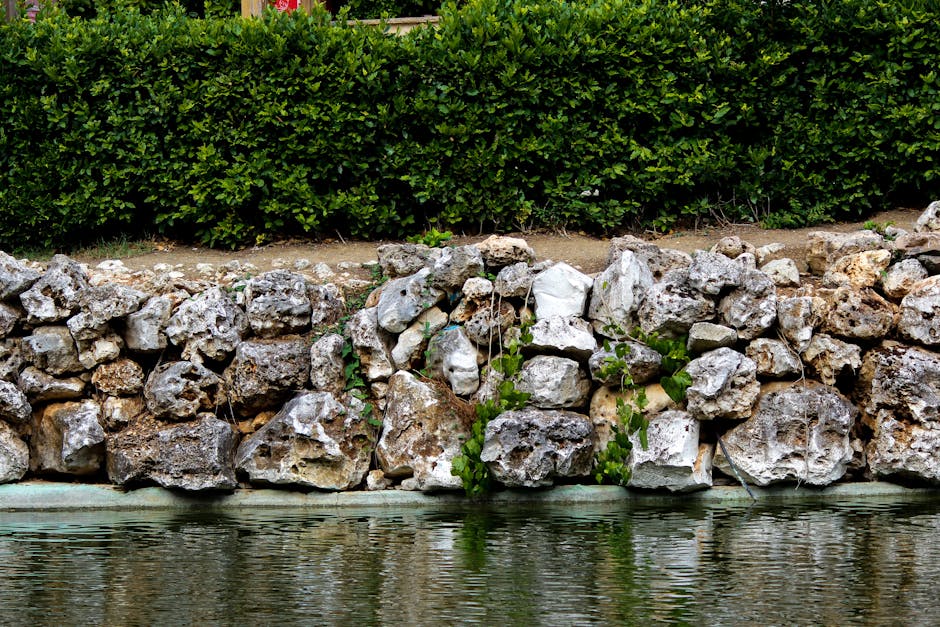
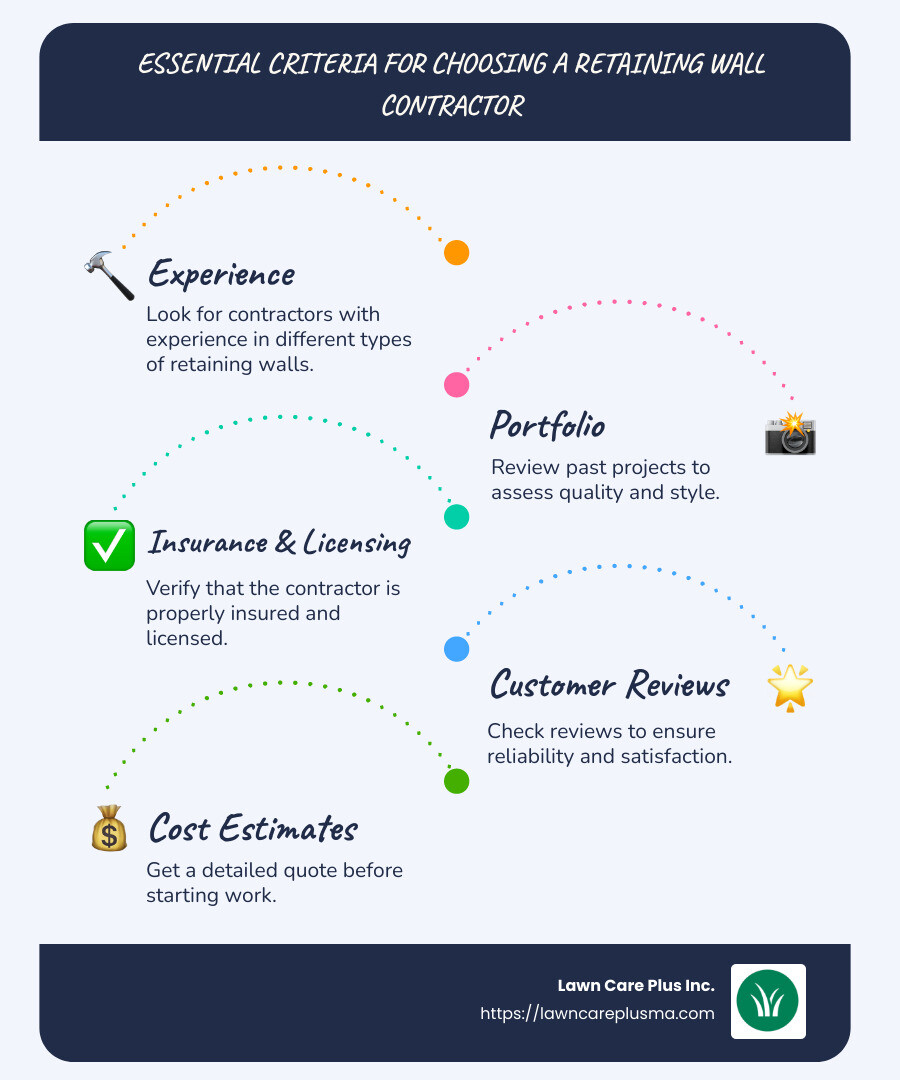
Retaining wall contractors are your go-to experts for creating functional and beautiful outdoor spaces. If you’re short on time, here are quick tips on finding the best contractor:
- Experience: Ensure they have experience with different types of retaining walls.
- Portfolio: Look at past projects to assess quality.
- Insurance and Licensing: Verify they are properly insured and licensed.
- Customer Reviews: Check reviews for reliability and customer satisfaction.
- Cost Estimates: Get a detailed quote before beginning work.
Retaining walls are essential in both residential and commercial landscaping. They not only prevent soil erosion but also transform sloped areas into flat, usable spaces, enhancing both functionality and aesthetics. These walls can create leveled gardens, patios, and pathways, adding significant value to any property.
Think of retaining walls as the backbone of a balanced landscape. They protect against erosion and improve drainage, contributing to a greener and healthier environment. By customizing materials like concrete, stone, or wood to suit individual tastes and environmental conditions, retaining walls can be both practical and visually appealing.
Choosing the right retaining wall contractor is crucial in achieving a lasting installation. A knowledgeable contractor will ensure your wall meets all structural requirements while fitting seamlessly into your landscape design.
Understanding Retaining Wall Costs
When planning for a retaining wall, understanding the costs involved is key. Let’s break it down into three main components: Labor Costs, Material Costs, and Project Complexity.
Labor Costs
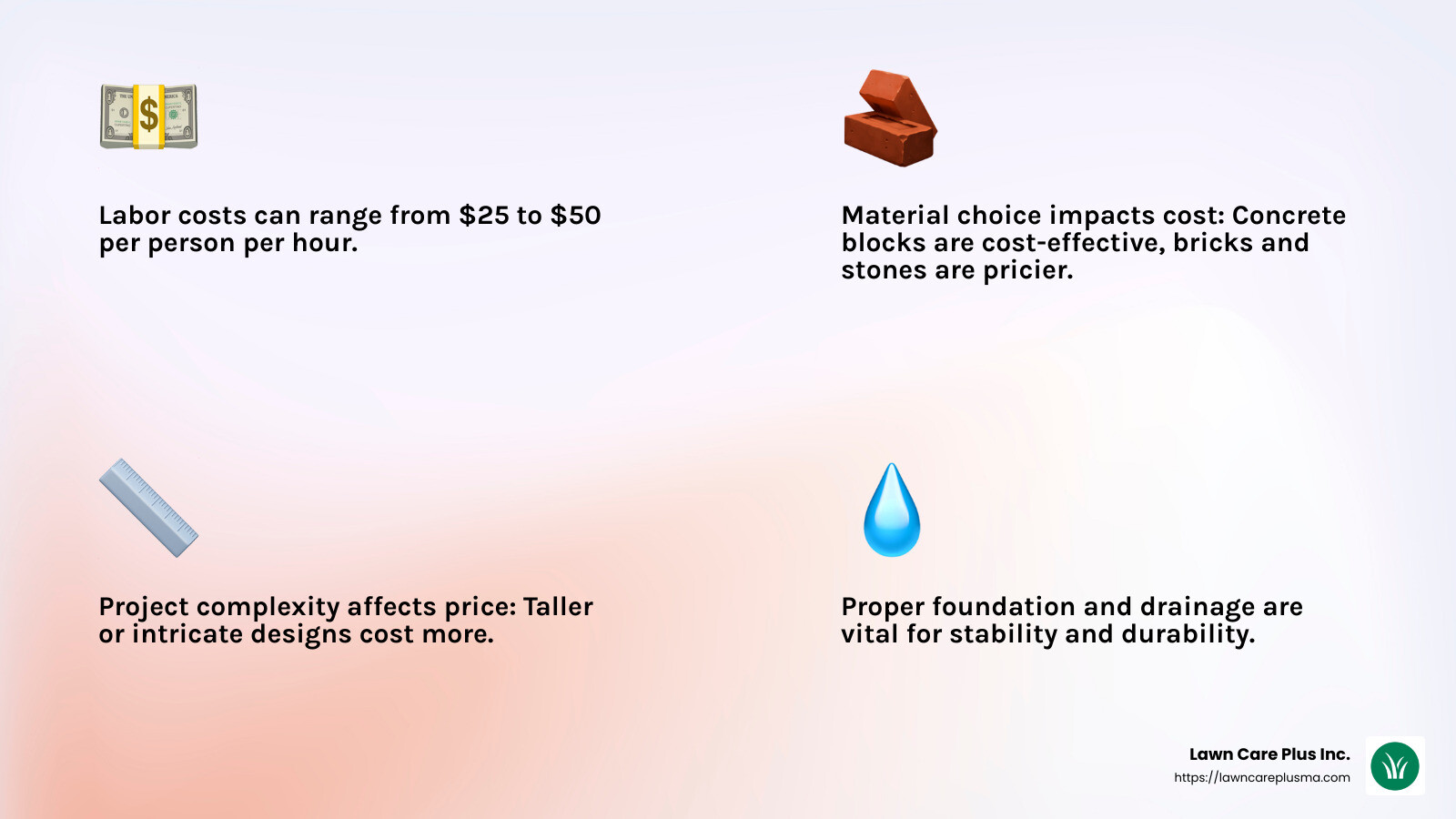
Labor costs for retaining wall installation can vary widely. Typically, landscapers charge between $25 to $50 per person per hour. For a two-person crew, this translates to about $50 to $100 per hour. That these rates can fluctuate based on your location and the specifics of the job. For instance, more complex projects requiring structural additions might need a larger crew, increasing the overall labor costs.
Material Costs
The choice of material significantly impacts the cost of your retaining wall. Here are some common options:
- Concrete Blocks: Often a cost-effective choice, offering durability and a clean look.
- Wood: Provides a natural aesthetic but might require more maintenance over time.
- Bricks and Stones: These materials add a classic, timeless appeal but can be more expensive due to their labor-intensive installation.
- Poured Concrete: Known for its strength and longevity; it’s also one of the more economical options.
Each material has its pros and cons, so consider both your budget and the desired look of your landscape.
Project Complexity
The complexity of your project can also affect costs. A simple, low retaining wall will generally be less expensive than a taller or more intricate design. Factors that can add to complexity include:
- Height and Length: Taller walls require more materials and labor.
- Foundation and Drainage: Proper foundation and drainage are vital for stability and durability, adding to project costs.
- Design Elements: Features like curves, steps, or decorative touches can increase both material and labor expenses.
Choosing the right contractor will help you steer these costs effectively. They can provide insights into the best materials and designs for your budget while ensuring quality and durability.
Choosing the Right Material for Your Retaining Wall
When selecting materials for your retaining wall, it’s crucial to consider both functionality and aesthetics. Here’s a breakdown of the most common materials used:
Concrete Blocks
Concrete blocks are a popular choice for retaining walls due to their affordability and durability. They offer a clean, modern look and are relatively easy to install. These blocks are engineered to support the weight of the soil and provide excellent stability.
Concrete blocks can be stacked in various configurations, making them versatile for different landscape designs. They also require minimal maintenance, which is a significant advantage.
Wood
If you’re aiming for a more natural appearance, wood might be the way to go. Wood retaining walls blend seamlessly into the landscape, especially in garden settings. However, they do come with a trade-off: maintenance.
Wood is susceptible to rot and insect damage, so it often requires treatments and regular upkeep to extend its lifespan. Despite this, many homeowners appreciate the rustic charm wood brings to their landscapes.
Poured Concrete
For those prioritizing strength and longevity, poured concrete is an excellent option. This material is known for its structural integrity and can be molded into various shapes and designs, offering a high degree of customization.
Poured concrete is also one of the more economical choices, given its durability and low maintenance needs. It’s particularly suitable for larger projects where stability is a key concern.
Bricks
Bricks provide a classic, timeless look to retaining walls. They are durable and can withstand harsh weather conditions. However, brick walls can be more labor-intensive to install, which might increase the overall cost.
The aesthetic appeal of bricks is undeniable, and they can significantly improve the curb appeal of your property. That proper drainage is essential to prevent potential issues with brick walls.
Stones
For a blend of natural beauty and durability, stones are an excellent choice. Stone retaining walls offer a unique, organic look that can lift any landscape. They are incredibly durable and can last for decades with proper construction.
However, stone walls can be more expensive due to the cost of materials and the labor involved in their installation. Despite this, many homeowners find the investment worthwhile for the aesthetic and functional benefits stones provide.
Choosing the right material for your retaining wall involves balancing cost, maintenance, and the desired look for your landscape. A knowledgeable retaining wall contractor can guide you through the selection process, ensuring that you make the best choice for your specific needs and budget.
How to Find a Reliable Retaining Wall Contractor
Choosing a reliable retaining wall contractor is crucial to the success of your project. Here’s how you can find a trustworthy professional:
Local Search
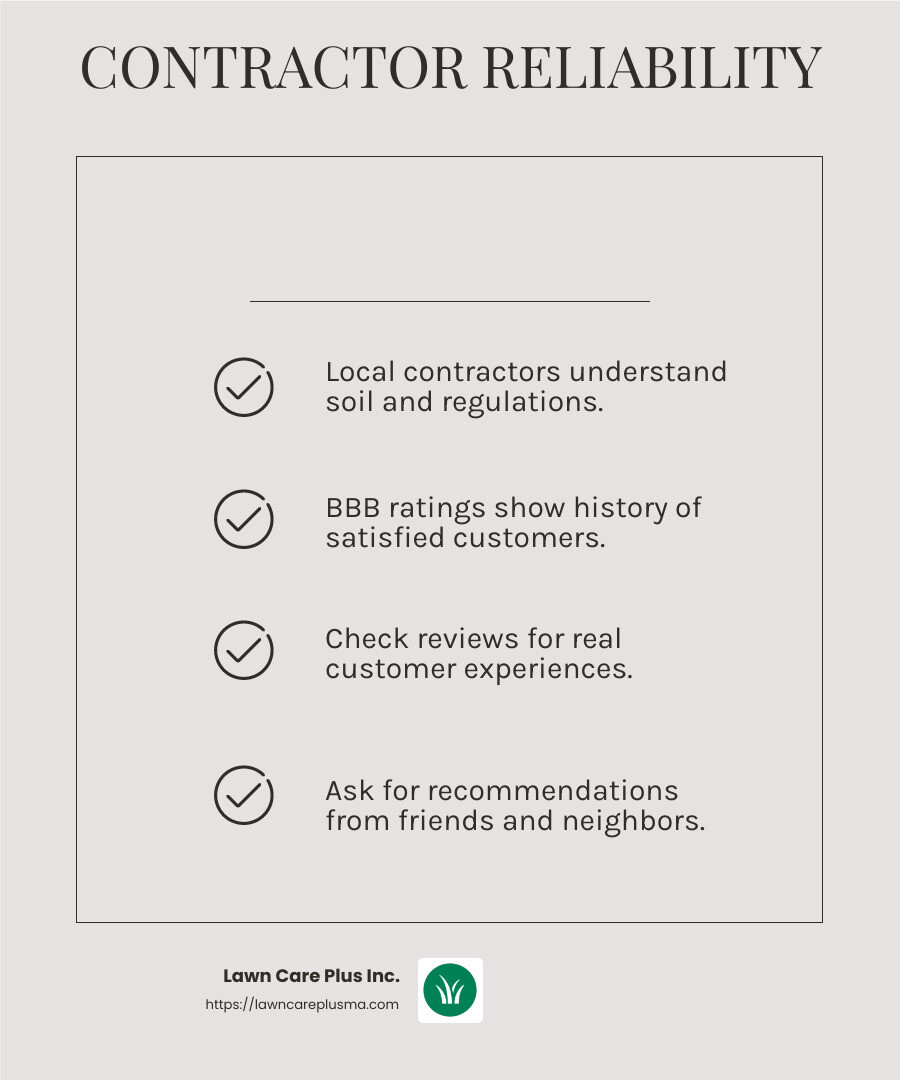
Start by looking for contractors in your area. Local companies are often more familiar with the soil conditions and local regulations, which is a big plus. You can easily find them through an online search or by asking friends and neighbors for recommendations.
BBB Ratings
The Better Business Bureau (BBB) is an excellent resource for checking a contractor’s reputation. A good BBB rating indicates that the contractor has a history of satisfied customers and resolves complaints effectively.
Customer Reviews
Customer reviews are invaluable. Platforms like Angi and HomeAdvisor feature verified reviews from homeowners who have used retaining wall installation services. These reviews can provide insights into the contractor’s workmanship, reliability, and customer service.
When reading reviews, look for comments about the contractor’s communication, punctuality, and ability to stay within budget. Positive reviews in these areas are a good sign that you’ve found a dependable contractor.
Finding a reliable retaining wall contractor involves a bit of research, but it’s worth the effort to ensure your project is in capable hands.
Key Questions to Ask Your Retaining Wall Contractor
Once you’ve shortlisted potential contractors, it’s important to ask the right questions. This will help you choose the best retaining wall contractor for your project. Here are key questions to consider:
Experience
How long have you been in the business?
Experience matters. Contractors with more years in the industry have likely dealt with a variety of projects and challenges. This expertise can be invaluable, especially for complex installations.
Portfolio
Can you show me examples of your previous work?
A portfolio gives you a visual sense of the contractor’s style and quality. Look for projects similar to yours in terms of size and material. This will give you confidence in their ability to deliver what you envision.
Insurance
Do you have the necessary insurance coverage?
Insurance is crucial. It protects you from liability in case of accidents during the project. Ensure the contractor has both liability insurance and workers’ compensation coverage.
Timeframe
How long will the project take to complete?
Understanding the timeline helps you plan accordingly. Ask for a realistic timeframe and inquire about factors that might cause delays, such as weather or supply issues.
Cost Estimate
Can you provide a detailed cost estimate?
A transparent cost estimate is essential. It should include all aspects of the project, from labor and materials to any potential extra costs. This helps you budget accurately and avoid surprises down the line.
Asking these questions will help you gauge the contractor’s professionalism and suitability for your project. Once you’re satisfied with their answers, you can move forward with confidence.
Ensuring Long-Term Durability and Maintenance
When it comes to retaining walls, long-term durability and maintenance are key to ensuring that your investment stands the test of time. Here are some essential strategies to consider:
Drainage Solutions
Proper drainage is critical for the longevity of retaining walls. Without it, water can build up behind the wall, leading to increased pressure and potential failure.
- Install Drainage Pipes: Drain pipes help direct water away from the wall, reducing hydrostatic pressure. This is crucial, especially in areas with heavy rainfall.
- Use Gravel Backfill: Gravel allows water to flow easily to the drainage pipes, preventing water buildup. It’s a simple yet effective solution to avoid water-related issues.
Waterproofing
Waterproofing is another essential element that protects retaining walls from moisture damage.
- Apply Waterproof Membranes: These membranes act as a barrier, preventing water from penetrating the wall. They are especially useful for walls made of materials like concrete and wood.
- Sealants: Regularly applying sealants can help maintain the integrity of the wall by keeping moisture out. This is particularly important for walls in areas with fluctuating weather conditions.
Structural Integrity
The structural integrity of your retaining wall is the backbone of its durability. Ensuring this involves careful planning and execution.
- Reinforcement: Use steel bars or geogrids to reinforce the wall. These materials add strength and stability, making the wall more resistant to pressure from the soil.
- Quality Materials: Choose durable materials like stone or reinforced concrete for construction. These materials have a longer lifespan and require less maintenance over time.
By focusing on these areas, you can significantly improve the durability and lifespan of your retaining wall. This proactive approach not only preserves your investment but also ensures the safety and beauty of your landscape for years to come.
Now that you understand how to ensure the durability of your retaining wall, it’s time to wrap up with some final thoughts on choosing the right partner for your project.
Conclusion
Choosing the right retaining wall contractor is crucial to the success of your landscaping project. At Lawn Care Plus Inc., we pride ourselves on offering comprehensive solutions custom to your specific needs. Our team of experts is dedicated to delivering high-quality workmanship and exceptional customer service.
We understand the importance of a well-constructed retaining wall in enhancing your landscape and providing long-lasting stability. With our experience in the Boston Metro-West area, we are well-equipped to handle all aspects of your project, from design to execution.
Whether you need a small garden wall or a large structural retaining wall, our team is here to help. We use only the best materials and techniques to ensure your wall stands the test of time. Plus, we offer personalized design and planning services to ensure your retaining wall complements your existing landscape.
Ready to get started on your retaining wall project? Contact us today to learn more about our services and how we can help bring your vision to life. Let Lawn Care Plus Inc. be your trusted partner in creating a beautiful and functional outdoor space.