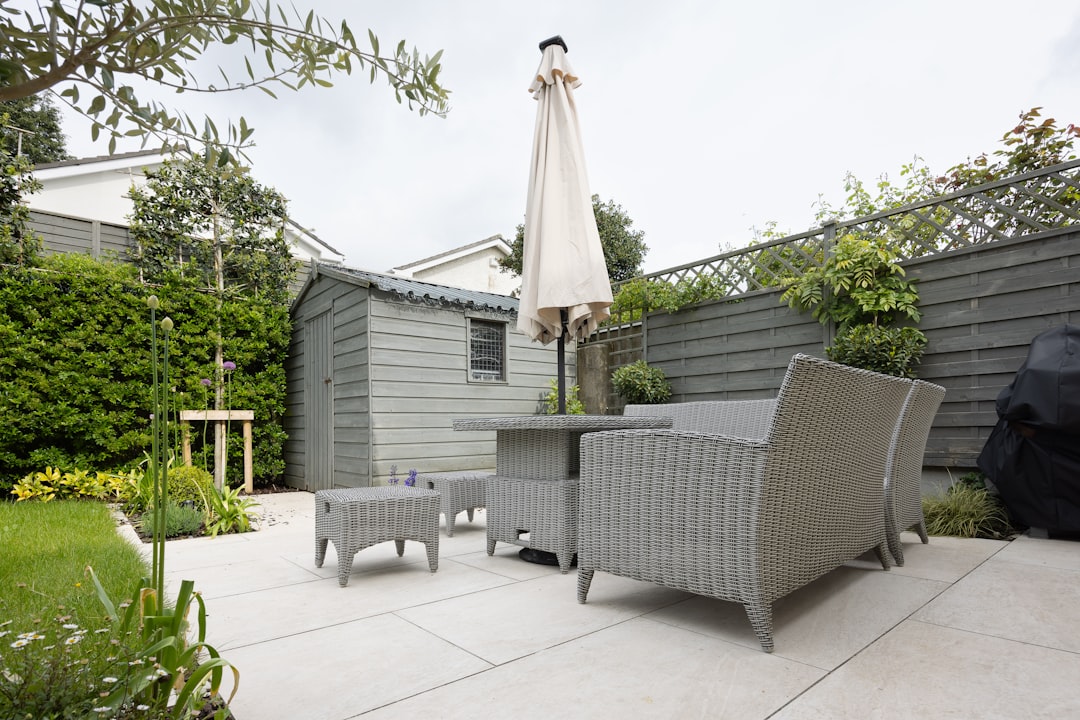
What to Expect When Budgeting for Outdoor Porcelain Tile Installation
The cost of laying outdoor porcelain tiles is one of the most common questions homeowners ask before starting a patio project — and for good reason. Prices vary a lot depending on materials, labor, and site conditions.
Here’s a quick snapshot to answer your question right away:
| Cost Factor | Typical Range (US) |
|---|---|
| Porcelain tile materials | $3 – $35 per sq ft |
| Professional labor | $4 – $25 per sq ft |
| Total installed cost | $7 – $60 per sq ft |
| Average 144 sq ft patio | $1,000 – $8,500+ |
The short version: Most homeowners pay somewhere in the middle of these ranges — but complex sites, large-format slabs, or premium tile can push costs to the high end fast.
Porcelain has become one of the most popular outdoor paving choices in 2026. It looks sharp, holds up through New England’s brutal freeze-thaw winters, and needs almost no maintenance once it’s down. But it’s also one of the trickier materials to install correctly — which is why understanding the full cost picture matters before you commit.
I’m Tim DiAngelis, owner of Lawn Care Plus, Inc., a full-service landscaping and hardscaping company serving Greater Boston and Metro-West, and I’ve seen how the cost of laying outdoor porcelain tiles catches homeowners off guard when hidden expenses aren’t planned for upfront. In this guide, I’ll walk you through everything you need to budget accurately and avoid the most common surprises.
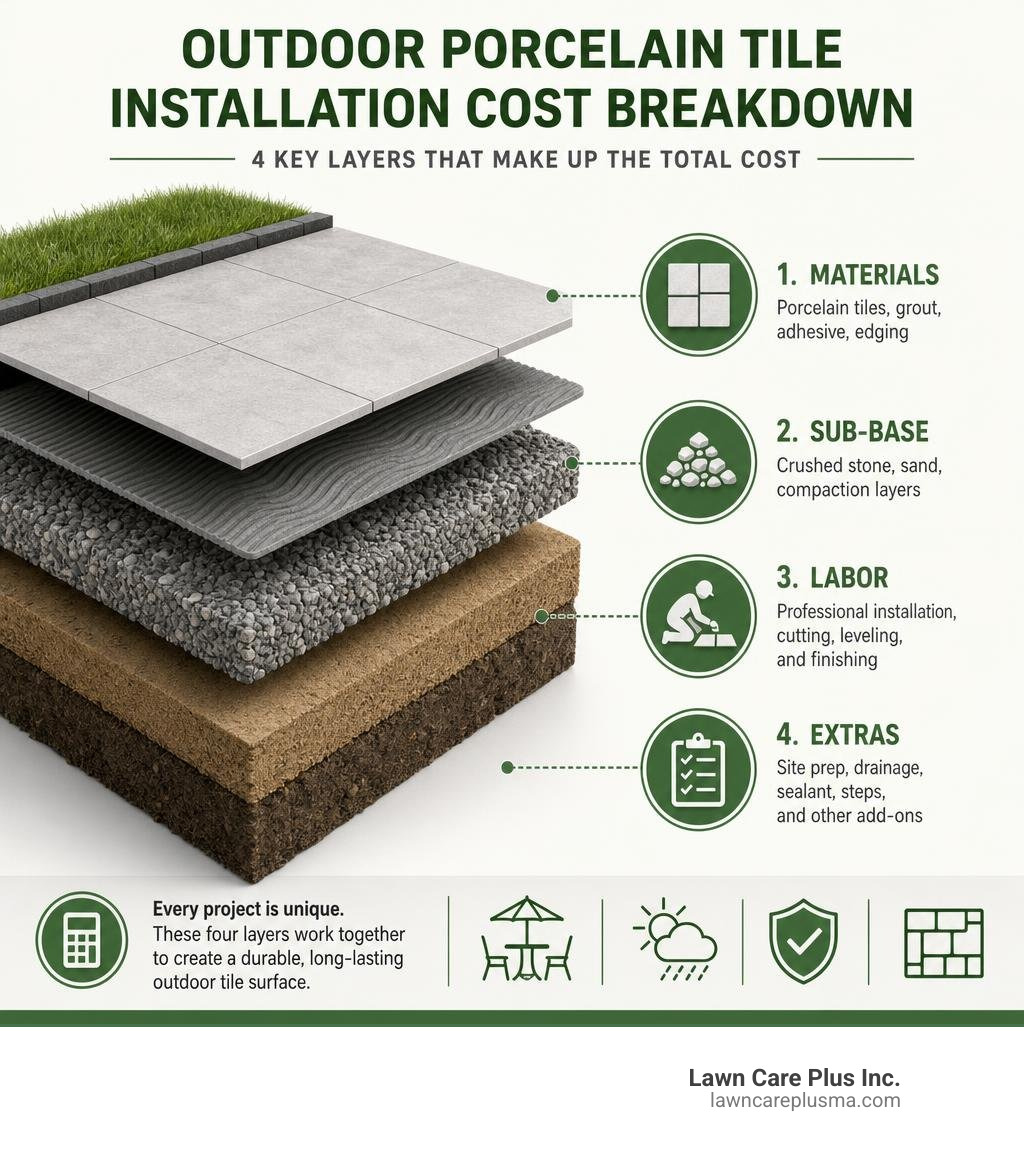
Quick cost of laying outdoor porcelain tiles terms:
Average Cost of Laying Outdoor Porcelain Tiles
When planning your budget, it is helpful to look at how porcelain compares to other popular hardscaping materials. Because porcelain is a highly engineered, premium product, its upfront cost sits above basic concrete but often below high-end, exotic natural stones.
The following table provides an overview of the typical cost ranges you will find online for various materials.
Please note: The pricing details provided below are average costs based on national internet data and do not represent the actual project costs or contract rates for Lawn Care Plus Inc.
| Paving Material | Material Cost (Per Sq. Ft.) | Estimated Installed Cost (Per Sq. Ft.) | High-End / Custom Installed Cost (Per Sq. Ft.) |
|---|---|---|---|
| Porcelain Pavers | $3 – $35 | $7 – $60 | $180+ |
| Concrete Pavers | $0.50 – $6 | $10 – $25 | $75+ |
| Natural Stone (Bluestone/Granite) | $5 – $30 | $15 – $45 | $135+ |
| Brick Pavers | $3 – $10 | $12 – $30 | $90+ |
As you can see, there is a wide range in pricing. While a standard, straightforward patio installation might average on the lower end of these internet estimates, a high-end project featuring complex sloped grading, premium European imported porcelain, or advanced elevated pedestal systems can easily reach $180+ per square foot—which is more than triple the standard average cost.
To get a better idea of how these numbers translate to a full project, a typical residential patio can run anywhere from $1,000 to $8,500 for a 144-square-foot space, while larger or more complex designs can scale much higher. For a more detailed breakdown of general budgeting, you can check out Angi’s Porcelain Paver Cost Guide or read our comprehensive guide on Patio Installation Cost to see how site prep and layout choices impact your bottom line.
How Slab Size and Style Affect the Cost of Laying Outdoor Porcelain Tiles
Not all porcelain is created equal. The style, manufacturing process, and dimensions of the slabs you choose will play a massive role in both your material costs and the labor required to lay them.
- Unglazed Porcelain ($3 – $15 per sq. ft.): These tiles have a consistent color throughout the entire slab. Because they lack a glass-like glazed layer, they are naturally slip-resistant and highly durable, making them a fantastic, cost-effective option for high-traffic outdoor areas.
- Glazed Porcelain ($3 – $35 per sq. ft.): Glazed tiles feature a printed design on the surface, allowing them to mimic high-end materials like marble, wood planks, or travertine. While beautiful, premium glazed options sit on the higher end of the pricing spectrum.
- Polished Porcelain ($5 – $35 per sq. ft.): These offer a high-gloss, ultra-modern aesthetic. However, polished finishes can become slick when wet, so they require careful selection and are usually reserved for covered patios or outdoor kitchens rather than open pool decks.
Thickness is another non-negotiable factor. For outdoor applications in Massachusetts, you must use slabs that are at least 20mm (approximately 0.75 inches) thick. Standard indoor tiles are only 8mm to 10mm thick and will quickly crack under the weight of patio furniture or during our harsh winter freeze-thaw cycles.
Furthermore, slab size dictates labor difficulty. Large-format slabs (such as 24″x24″, 24″x48″, or even larger) create a beautiful, seamless look with fewer grout lines, but they are much heavier and harder to handle. They require specialized suction-cup lifting tools, leveling systems, and a perfectly flat subfloor to prevent “lippage” (uneven edges). According to the D and G Flooring Porcelain Tile Guide, choosing large-format tiles can add an extra premium to your overall installation costs due to the meticulous handling required.
Site Preparation and Sub-Base Cost of Laying Outdoor Porcelain Tiles
The secret to a gorgeous, long-lasting porcelain patio has nothing to do with the tile itself—it is all about what lies underneath. If you try to lay expensive porcelain over a weak, uneven base, your tiles will shift, crack, and lift within a single season.
Proper site preparation involves several steps:
- Excavation and Grading: Clearing away soil, roots, and old concrete. The ground must be sloped to ensure water flows away from your home’s foundation.
- Sub-Base Materials: Laying down and compacting a sturdy aggregate base, such as MOT Type 1 or crushed stone. In wet freeze-thaw climates like Boston, Newton, and Brookline, a deep, well-draining base is absolutely essential.
- Drainage Slope: A minimum slope of 1:60 (about 1 inch of fall for every 5 feet of run) must be maintained so water drains off the non-porous porcelain surface rather than pooling.
- Weed Prevention: Installing high-quality geotextile weed mats and using specialized polymeric sand or jointing compound to keep weeds from taking over your beautiful joints.
Investing in a professionally prepared base ensures your patio remains level and structurally sound for decades. To learn more about base preparation options, read our guide on Patio Pavers.
Installation Methods: Mortar Bed vs. Pedestal Systems
There are two primary ways to install outdoor porcelain tiles, and the method you choose will heavily influence your overall project cost:
1. Traditional Mortar Bed (Wet Lay)
This is the most common method for ground-level patios. The tiles are set into a wet mortar bed over a compacted gravel sub-base or an existing concrete slab. Because porcelain is vitrified and completely non-porous, it will not naturally bond to standard mortar. Installers must apply a specialized priming slurry to the back of every single tile before laying it. Skipping this step is the number one cause of tile failure.
2. Pedestal and Subframe Systems
Popular for elevated decks, balconies, rooftop terraces, or highly sloped yards, this modern method involves setting the porcelain pavers onto adjustable plastic pedestals. No mortar or grout is used; instead, water drains directly through the open joints between the tiles and runs off underneath. While the pedestal materials themselves are more expensive, this method can sometimes save on grading and excavation labor on sloped properties.
Labor Costs for Professional Installation

Labor typically represents 30% to 50% of your total outdoor tiling budget. On average, professional labor to install outdoor porcelain tiles ranges from $4 to $25 per square foot, though highly complex custom designs or difficult site conditions can push labor rates much higher. Some specialty tile contractors may also charge hourly rates ranging from $30 to $120 per hour.
Why does porcelain labor cost more than standard concrete pavers?
- Extreme Density: Porcelain is incredibly hard. Cutting it requires specialized wet saws equipped with continuous diamond blades, water-cooling systems, and a slow, steady hand to prevent chipping.
- Precision Layouts: Because porcelain has crisp, rectified edges, even a 1/16-inch alignment error will stand out. The installer must take their time to ensure the layout is perfectly square and level.
- Slurry Priming: As mentioned, back-buttering every single tile with adhesive slurry adds significant time to the process.
For more insights on how professional labor is calculated across different outdoor projects, you can refer to LawnStarter’s Outdoor Tile Pricing Guide or contact a professional Patio Installer to evaluate your yard’s unique layout.
DIY vs. Professional Installation: Savings and Risks
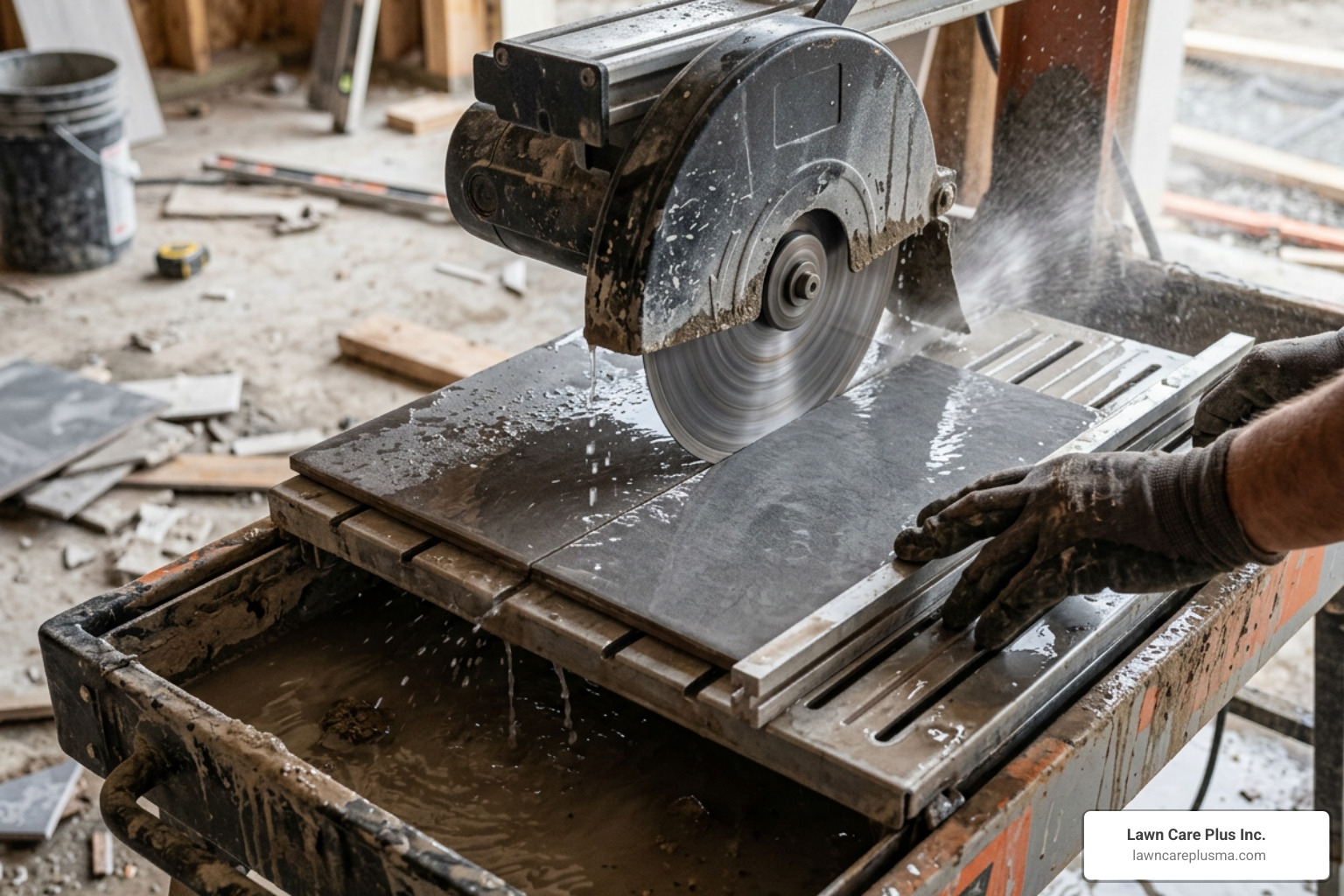
It can be tempting to look at professional labor costs and think, “I can handle this over a weekend!” While a highly skilled DIYer with extensive masonry experience might succeed, laying outdoor porcelain is not a beginner-friendly project.
To rent a professional wet saw, purchase diamond blades, buy suction lifters, leveling clips, sub-base gravel, priming slurry, and specialized grout, you will easily spend a significant amount on tools and materials alone. Furthermore, a typical 300-square-foot patio takes a professional crew about 35 to 40 hours to complete; for a homeowner working on weekends, this can easily stretch into a multi-week headache.
If things go wrong, the financial consequences can be severe. Here is a list of common DIY mistakes and what they typically cost to hire a professional to fix:
- Skipping the Priming Slurry: The tiles will fail to bond and lift within months.
- Cost to fix: Complete lift, clean, and re-lay ($1,500 – $2,500+).
- Inadequate Sub-Base Compaction: The patio will settle unevenly, causing tiles to crack under weight.
- Cost to fix: Full demolition and starting over from scratch.
- Poor Drainage Slope: Water pools on the patio, creating a slippery safety hazard and causing grout to erode.
- Cost to fix: Re-grading the base and replacing ruined tiles.
- Using Indoor 10mm Tiles: The thin tiles will shatter during the first hard freeze of a Massachusetts winter.
- Cost to fix: Full replacement with proper 20mm outdoor pavers.
Unless you have experience operating heavy compaction equipment and precision tile saws, partnering with professional Patio Builders is the best way to protect your investment and ensure a beautiful, lasting result.
Long-Term Maintenance and Ownership Costs
While the upfront cost of laying outdoor porcelain tiles is higher than some alternative materials, the long-term cost of ownership is where porcelain truly shines.
Over a 10-to-20-year period, materials like concrete pavers or natural Indian sandstone require ongoing maintenance to look their best. Concrete pavers must be pressure-washed and resealed every 3 to 5 years to prevent staining and fading. Sandstone is highly porous, making it susceptible to moisture absorption, moss growth, and surface scaling during freezing weather.
Porcelain, on the other hand, is vitrified (kiln-fired at temperatures over 1,200°F), which makes it virtually non-porous.
- No Sealing Required: You will never have to buy or apply chemical sealants.
- Stain and Fade Resistant: Dropped grease from the grill, spilled red wine, or fallen autumn leaves can be easily wiped or hosed away without leaving a permanent mark.
- Brutal Winter Durability: Because its water absorption rate is below 0.5%, water cannot penetrate the tile. This means it will not crack, flake, or heave during freeze-thaw cycles in towns like Needham, Dedham, or Milton.
- Easy Snow Removal: You can clear snow off the smooth surface easily. Just remember to use a plastic or rubber-edged shovel instead of a metal one to avoid scratching the grout lines!
According to MyBuilder’s Outdoor Tile Cost Guide, when you factor in the money saved on professional sealing treatments, power washing, and tile repairs over a decade, porcelain often ends up being the most cost-effective premium paving material on the market.
Frequently Asked Questions about Outdoor Porcelain Tiling
Is outdoor porcelain tile more expensive than ceramic tile?
Yes, porcelain is more expensive than ceramic tile, but it is also vastly superior for outdoor use. Porcelain is made from highly refined clays fired at much higher temperatures, making it significantly denser and harder than ceramic. Ceramic tiles are too porous for outdoor use in cold climates; they absorb water, which then expands when it freezes, shattering the tile. Outdoor porcelain must have a water absorption rate of less than 0.5% to be considered frost-resistant.
Do outdoor porcelain pavers need to be sealed?
No. Because of the vitrification process during manufacturing, porcelain pavers are non-porous and never need to be sealed. However, if you are using a cement-based grout rather than a specialized polymeric jointing compound, you may want to apply a grout sealer to keep the joints clean and stain-free.
Can you lay outdoor porcelain tiles over an existing concrete patio?
Yes, but only if the existing concrete slab is in excellent condition. The concrete must be structurally sound, completely level, and free of major cracks or settling. You must apply a waterproof crack-isolation membrane over the concrete first, and use a high-quality, polymer-modified exterior thin-set adhesive. For more details on preparing concrete substrates, refer to the Zicana Boutique Outdoor Tile Guide.
Conclusion
Installing an outdoor porcelain patio is a premium home upgrade that combines modern luxury with unmatched durability. While the upfront cost of laying outdoor porcelain tiles can be higher than concrete or ceramic alternatives, its resistance to stains, fading, and New England’s harsh freeze-thaw cycles makes it an incredibly valuable investment for your property.
Because porcelain is an unforgiving material that requires specialized tools, slurry priming, and absolute precision to install correctly, hiring an experienced professional is the best way to ensure your patio looks stunning and lasts for decades.
At Lawn Care Plus Inc., we have spent years designing and building custom outdoor living spaces throughout the Boston Metro-West area, including Belmont, Brookline, Newton, and surrounding communities. If you are ready to transform your backyard with beautiful, low-maintenance porcelain paving, contact us today to learn more about our professional hardscaping services and request a personalized estimate for your project!