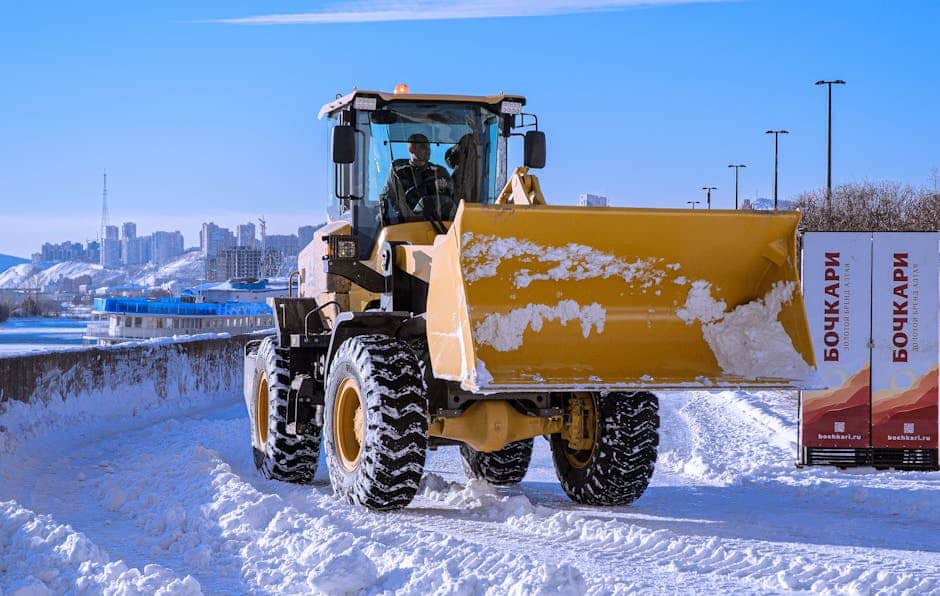
Commercial snow removal contract is crucial for businesses that want to ensure the safety and accessibility of their properties during winter. If you’re a business owner, here’s what you need to know:
- A commercial snow removal contract is a written agreement outlining the terms and responsibilities related to snow and ice management.
- It usually includes details like payment terms, the type of services provided (such as plowing or full snow removal), and any special conditions or exclusions.
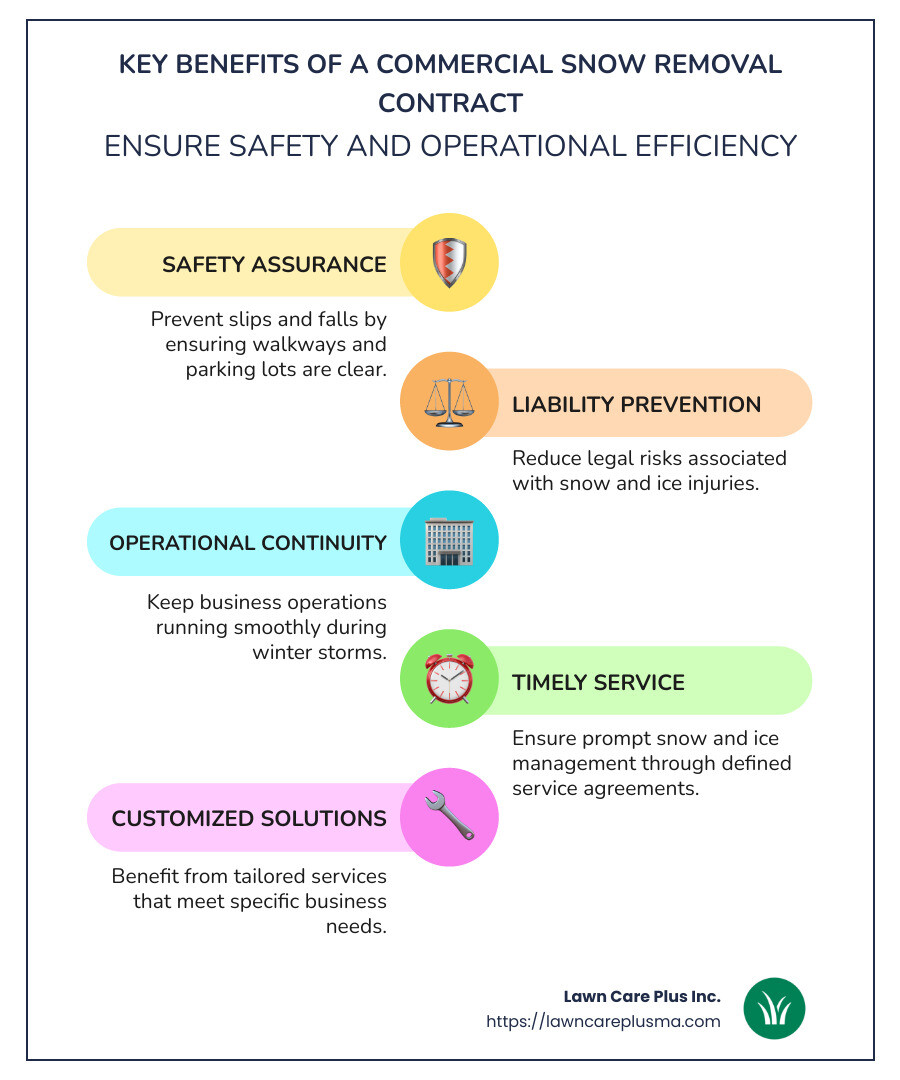
- Such contracts help businesses avoid risks like slips and lawsuits by ensuring timely and effective snow and ice management.
In areas like the Boston Metro-West, where snowfall can be significant, these contracts are not just beneficial—they’re essential. When it snows heavily, clearing driveways, walkways, and parking lots isn’t just about aesthetics; it’s about safety, liability, and keeping businesses operational. Lawn Care Plus Inc. specializes in providing reliable and high-quality snow management services to commercial clients in this region. Their commitment ensures that your property remains safe and functional throughout the winter months.
By securing a solid commercial snow removal contract, you protect your business, clients, and employees from winter hazards, ensuring that day-to-day operations continue smoothly.
Handy commercial snow removal contract terms:
– commercial snow removal
– how much does commercial snow removal cost
– snow plowing services
What Is a Commercial Snow Removal Contract?
A commercial snow removal contract is a detailed written agreement between a snow removal company and a business client. This contract clearly outlines the responsibilities, services, and payment conditions involved in managing snow and ice on commercial properties.
Definition and Purpose
At its core, a commercial snow removal contract specifies the scope of work, ensuring both parties are aligned on expectations. The primary purpose is to ensure that commercial properties remain safe and accessible during the winter months. This is especially important in areas like Boston, where heavy snowfall can disrupt business operations and pose safety risks.
Typical Clients
The clients for these contracts are usually businesses that operate in areas with significant snowfall. They include:
- Retail stores: Ensuring customer access is crucial.
- Office buildings: Employees need safe entry and exit points.
- Medical facilities: Clear paths are essential for patient and staff safety.
- Parking lots: These require consistent maintenance to prevent accidents.
Payment Conditions
Payment conditions in a commercial snow removal contract can vary based on the client’s needs and the service provider’s offerings. Common payment structures include:
- Seasonal contracts: A fixed rate for the entire snow season, offering predictability in budgeting.
- Per push or per event: Charges based on each service visit, suitable for areas with unpredictable snowfall.
- Per inch: Payment based on the amount of snow removed, ideal for regions with consistent snowfall patterns.
Each payment method has its pros and cons. For example, a seasonal contract can be cost-effective in snowy areas, while a per-push model might be better for places with less frequent snow.
In conclusion, a well-crafted commercial snow removal contract is essential for mitigating risks and maintaining business continuity during winter. By clearly defining responsibilities and payment terms, businesses can focus on their operations while leaving snow management to the experts.
Types of Commercial Snow Removal Contracts
When it comes to commercial snow removal, choosing the right contract type is crucial. It determines how services are billed and what both parties can expect. Here are the most common types of commercial snow removal contracts:
Time and Material
With a time and material contract, you charge based on the actual time spent and materials used for each snow removal job. This means costs can fluctuate depending on the severity of the winter. It’s a flexible option, but it can lead to financial unpredictability. If there’s little snow, there’s little income. Yet, it’s ideal for businesses that want to pay only for what they get.
Per Inch
A per-inch contract charges clients based on the amount of snow that falls. For example, you might have one rate for snowfall under 3 inches and a higher rate for anything beyond that. This contract type is great for areas with inconsistent snowfall, allowing businesses to budget based on expected snow levels.
Pay Per Push
In a pay per push contract, you receive a fixed rate every time you clear snow, regardless of how much falls. This offers financial stability for both parties. It’s beneficial in areas with frequent but small snowfalls, as it ensures regular income for the service provider without overwhelming costs for the client.
Seasonal
A seasonal contract involves a fixed fee for the entire snow season. This provides predictable costs for businesses, making budgeting easier. It’s a popular choice in areas with heavy snowfall, where frequent snow removal is required. The downside? If it’s a mild winter, the client might feel they’re overpaying.
Full-Service
A full-service contract covers all snow removal activities, including plowing, deicing, and sanding, for a set period. This type of contract is comprehensive and often includes additional services like roof shoveling or emergency responses. It’s ideal for businesses that want peace of mind knowing every aspect of snow management is covered.
Each contract type has its unique benefits and is custom to different needs and snowfall patterns. Selecting the right one ensures efficient snow management and satisfied clients.
Essential Elements of a Snow Removal Contract
When drafting a commercial snow removal contract, it’s crucial to include all the necessary elements to ensure clarity and protect both parties involved. Here’s a breakdown of what to include:
Property Address
Start with the property address where the snow removal services will be performed. This ensures there’s no confusion about the location, especially if a business owns multiple properties.
Customer Contact Information
Include the customer’s contact information. This should have the name, phone number, and email address of the primary contact person. Having this information readily available helps in case of emergencies or if quick decisions are needed.
Company Information
Clearly state the company information. This includes the name of your company, address, phone number, and email. This transparency builds trust and provides clients with a point of contact.
Date of Signing
Record the date of signing the contract. This marks the official start of the agreement and is essential for tracking the term of the contract.
Term of Agreement
Define the term of agreement. Specify the start and end dates of the contract. Whether it’s for a single season or multiple years, this helps manage expectations.
Definition of a Snow Event
Clarify what constitutes a snow event. This could be based on a specific amount of snowfall or other weather conditions. This definition is crucial for determining when services will be triggered.
Property Description or Map
Provide a detailed property description or map. This helps in planning the scope of the work and ensures that all areas requiring attention are covered. Maps can be particularly useful for large commercial properties.
Scope of Services
Outline the scope of services included in the contract. Specify whether the service includes plowing, shoveling, deicing, or sanding. This section should be as detailed as possible to prevent misunderstandings.
Additional Services
List any additional services that might be available for an extra fee. This could include roof shoveling, emergency responses, or post-storm cleanup. Clearly state the costs associated with these services.
Cost of Services
State the cost of services clearly. Whether the pricing is per inch, per push, or seasonal, ensure that the rates are detailed. Transparency in pricing helps avoid disputes later on.
Payment Terms
Finally, include the payment terms. Specify when payments are due, acceptable payment methods, and any penalties for late payments. Clear payment terms ensure smooth financial transactions and maintain a healthy business relationship.
By including these elements, your commercial snow removal contract will be comprehensive and clear, setting the stage for a successful partnership with your clients. This attention to detail not only protects your business but also improves customer satisfaction.
How to Write a Commercial Snow Removal Contract
Writing a commercial snow removal contract involves several key components that help outline the expectations and responsibilities of both parties involved. Here’s how to craft a detailed and effective contract:
Business Information
Begin with your business information. This includes the name of your company, address, phone number, and email. Providing clear contact information establishes trust and makes it easy for clients to reach you if needed.
Property Address
Include the property address where the snow removal services will be conducted. This eliminates any ambiguity about the location, especially if your client manages multiple properties.
Customer Information
List the customer’s information. Include the name, phone number, and email address of the primary contact person. This is essential for communication, especially during urgent situations.
Terms of Agreement
Define the terms of agreement. State the start and end dates of the contract. Whether it’s a seasonal or multi-year agreement, these dates help manage expectations and responsibilities.
Payment Schedule
Outline the payment schedule. Specify when payments are due, acceptable payment methods, and any penalties for late payments. Clear payment terms help ensure timely transactions and prevent misunderstandings.
Description of the Property
Provide a description of the property or include a map. This helps in planning the scope of the work and ensures that all areas requiring attention are covered. Maps are particularly useful for larger commercial properties.
Scope of Services
Detail the scope of services to be provided. Specify whether the contract includes plowing, shoveling, deicing, or sanding. Be as detailed as possible to avoid misunderstandings about what is included in the service.
Terms and Conditions
Finally, include the terms and conditions. These should cover any additional services available for an extra fee, such as emergency responses or post-storm cleanup. Clearly state the costs associated with these services.
By incorporating these elements, your commercial snow removal contract will be thorough and clear, ensuring a successful partnership with your clients. This thoroughness not only protects your business but also improves customer satisfaction.
Pricing Strategies for Commercial Snow Removal
When it comes to pricing commercial snow removal contracts, there are several strategies you can use to ensure fair compensation while remaining competitive. Let’s explore the common methods:
Per Square Foot
Charging per square foot is a straightforward way to price snow removal services. This method is ideal for properties with large parking lots or expansive grounds. The cost is calculated based on the total area that needs snow removal, ensuring that larger spaces incur higher charges.
Per Hour
A per hour pricing strategy is often used for unpredictable snow events. This method covers labor costs effectively, as you charge for the amount of time spent on-site. However, it can lead to variability in bills, which some clients might find unpredictable.
Per Inch of Snow
The per inch of snow approach charges based on the accumulation of snow. This strategy allows you to adjust the cost according to the severity of the snow event. For example, a light dusting costs less than a heavy snowfall. This can be beneficial in regions with varying snowfall levels.
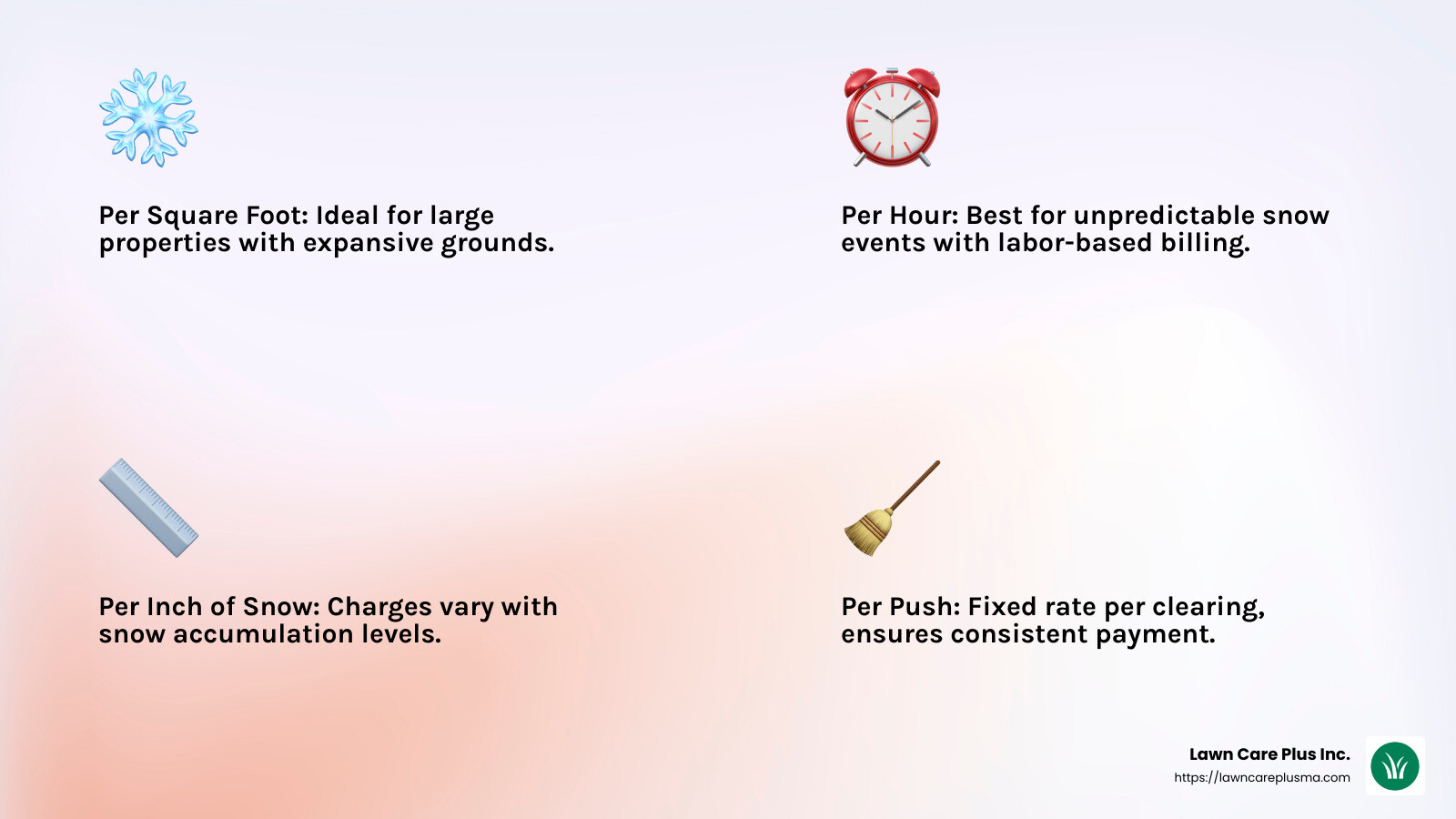
Per Push
A per push pricing model offers a fixed rate each time snow is cleared, regardless of the amount of snowfall. This provides financial stability for both parties, as clients know exactly what they’ll pay each time, and you secure consistent income.
Labor Costs
Labor costs are a significant factor in pricing. Consider the number of crew members needed and their hourly rates. Efficiently trained staff can reduce the time spent on a job, optimizing your costs and increasing profit margins.
Equipment Costs
Investing in reliable equipment is crucial. The costs of maintaining and operating snow removal machinery, like plows and blowers, should be factored into your pricing. Efficient equipment can reduce labor time and costs, offering savings that can be passed on to clients or retained as profit.
Incorporating these strategies into your pricing model ensures that your commercial snow removal contracts are both competitive and profitable. Balancing these elements allows you to meet client expectations while maintaining a healthy bottom line.
Tips for Winning Commercial Snow Removal Contracts
Securing commercial snow removal contracts can transform your business. Here’s how to increase your chances of landing those lucrative deals:
Fill Out Big Proposals
Start by targeting major commercial entities like hospitals, universities, and government buildings. These contracts are competitive, but they offer substantial rewards. Consider hiring a consultant to help craft detailed proposals that highlight your capabilities and experience. The more thorough and custom your proposal, the better your chances of winning the contract.
Invest in Fleets of ATVs
All-terrain vehicles (ATVs) can be a game-changer. They’re cost-effective, nimble, and perfect for navigating tight spaces. Because ATVs use less fuel than traditional snowplows, they can help you keep operational costs low. This allows you to offer competitive bids that stand out to potential clients.
Ensure Preventative Maintenance
Preventative maintenance is crucial for keeping your snow removal fleet in top shape. Regular check-ups can prevent costly repairs and downtime during peak snow removal periods. Keeping detailed records of vehicle mileage, engine performance, and key system diagnostics ensures your fleet is always ready to go. This reliability can be a selling point in your proposals, demonstrating your commitment to consistent service.
Leverage Real-Time Vehicle Tracking
Real-time vehicle tracking can significantly improve your operational efficiency. GPS tracking allows you to optimize plowing routes, manage maintenance schedules, and ensure safety. By leveraging telematics solutions, you can minimize costs and maximize productivity. Providing data-backed insights in your proposals shows potential clients that your operations are both efficient and transparent.
By implementing these strategies, you’ll not only improve your chances of winning commercial snow removal contracts, but also strengthen your business’s reputation as a reliable and efficient service provider.
Frequently Asked Questions about Commercial Snow Removal Contracts
When it comes to commercial snow removal contracts, there are a few common questions that many business owners have. Let’s break them down:
How to write a contract for snow removal?
Writing a snow removal contract involves several key components to ensure clarity and protection for both parties. Here’s a simple step-by-step guide:
- Start with Basic Information: Include the property address, customer contact information, and your company details. This ensures everyone knows who is involved.
- Define the Scope of Services: Clearly outline what services will be provided. This might include plowing, de-icing, and snow removal from walkways and roofs. Be specific about the equipment used and any additional services offered.
- Set Terms and Conditions: Specify the term of the agreement, including start and end dates. Define what constitutes a “snow event” that triggers service.
- Include Payment Terms: Detail how and when payments will be made. Will it be per push, per inch, or a seasonal rate? Make sure to include any extra charges for additional services.
- Add Legal Protections: Incorporate clauses for breach of contract and cancellation terms. This protects your business if the client decides to cancel early.
How do I bill for snow removal?
Billing for snow removal can vary depending on the terms agreed upon in the contract. Here are some common methods:
- Per Push: Charge a set fee each time snow is cleared. This method is straightforward and easy to track.
- Per Inch: Bill based on the amount of snow removed. This can be beneficial in areas with fluctuating snowfall.
- Seasonal Rate: Offer a flat rate for the entire snow season. This provides stability for both you and the client.
- Hourly Rate: Charge for the time spent on the job. This is often used for more complex or variable projects.
How do I price a snow removal commercial near me?
Pricing your snow removal services involves several factors:
- Evaluate Local Market Rates: Research what competitors charge in your area. This helps you set competitive yet profitable rates.
- Consider Property Size and Complexity: Larger or more complex properties may require more time and equipment, impacting your pricing.
- Factor in Equipment and Labor Costs: Calculate the costs of running your equipment and paying your crew. This ensures your pricing covers expenses and generates profit.
- Adjust for Frequency and Urgency: If a client requires frequent or emergency services, adjust your rates accordingly to reflect the added demand.
By addressing these questions, you’ll be better prepared to steer the complexities of commercial snow removal contracts and run a successful business.
Conclusion
In summary, understanding and effectively managing commercial snow removal contracts is crucial for any business operating in areas with significant winter weather. These contracts not only define the scope of work and payment terms but also protect both parties through clear terms and conditions. By choosing the right type of contract—whether it’s per push, per inch, or a seasonal agreement—you can ensure financial stability and client satisfaction.
The benefits of a well-structured contract are numerous. They provide clarity, reduce misunderstandings, and help maintain a professional relationship with clients. Additionally, having a robust contract in place can shield your business from potential legal disputes and ensure you are compensated fairly for your services.
At Lawn Care Plus Inc., we pride ourselves on our comprehensive snow management services, custom to meet the specific needs of commercial clients in the Boston Metro-West area. Our experienced team is equipped to handle everything from routine snow plowing to emergency snow removal, ensuring your property remains safe and accessible throughout the winter months.
For those seeking reliable and professional snow removal services, consider partnering with us. We are committed to delivering quality and reliability, backed by years of experience in the landscaping and snow management industry.
Ready to safeguard your property this winter? Learn more about our snow management services and how we can assist you in maintaining a safe and clear environment for your business.