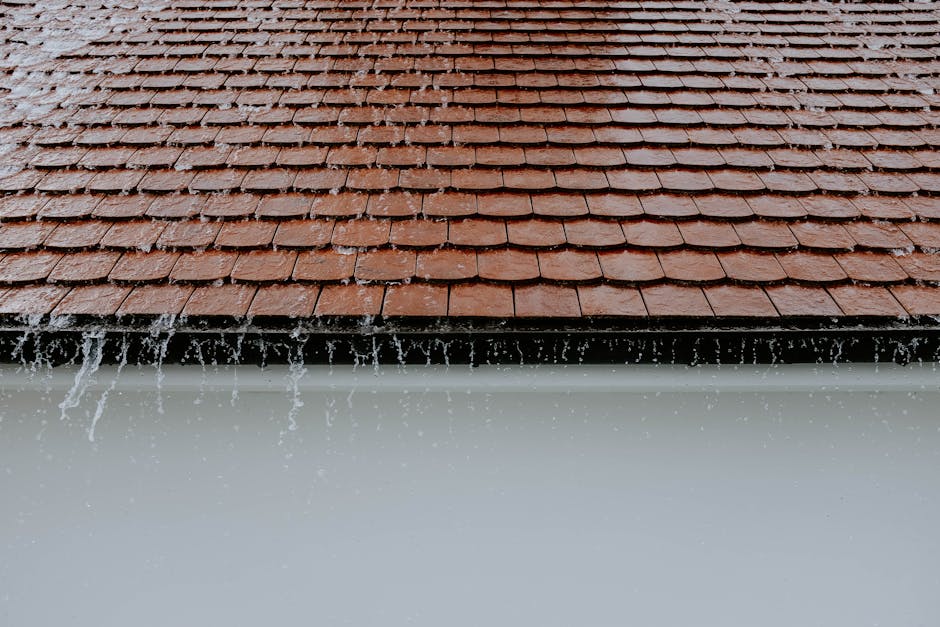
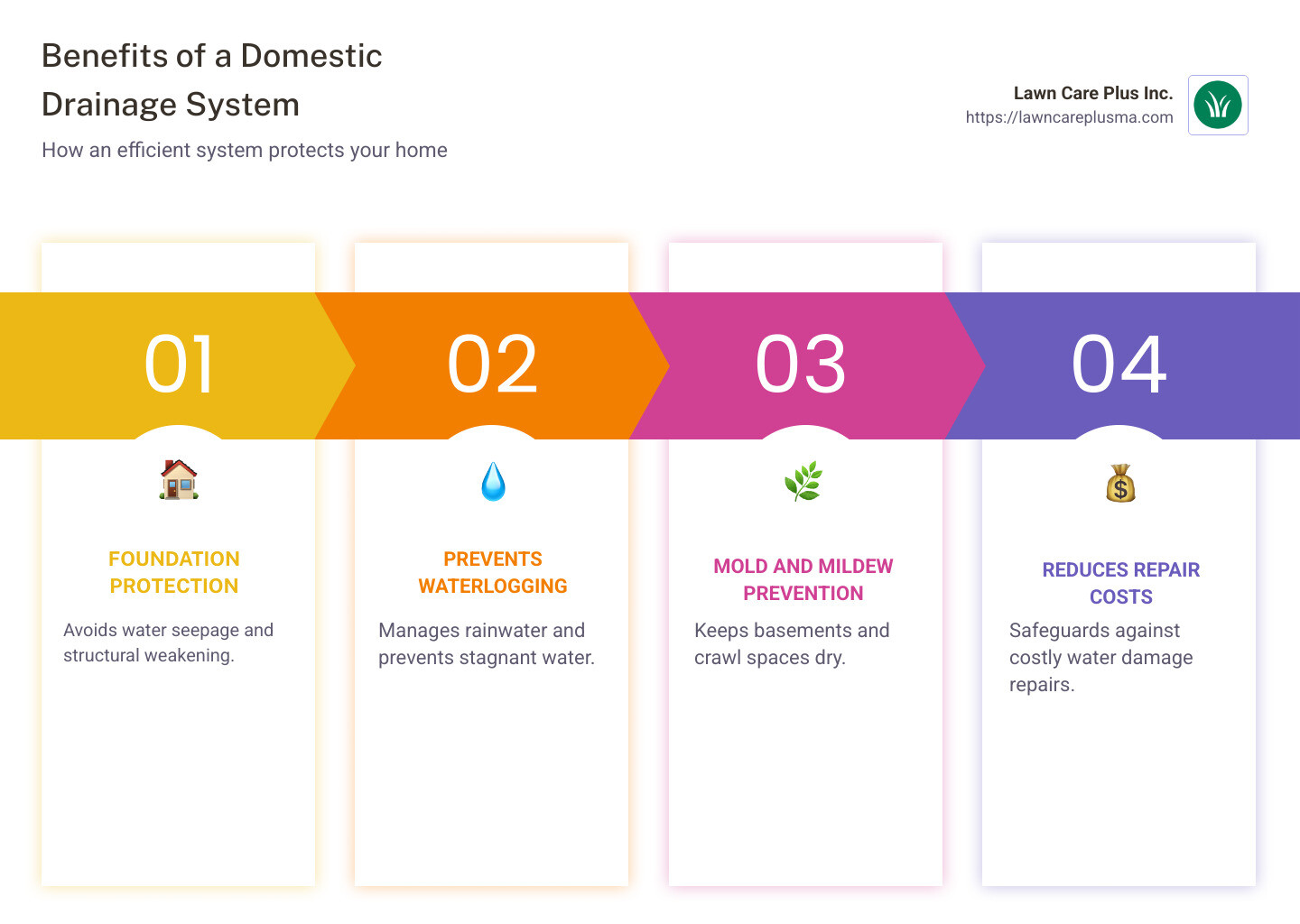
A domestic drainage system is essential for home protection. It efficiently channels water away from your property, preventing damage and costly repairs. Here’s a quick look at how a domestic drainage system can help:
- Protects the foundation: Ensures that water doesn’t seep in and weaken the structure.
- Prevents waterlogging: Manages rainwater and avoids stagnant water.
- Guards against mold and mildew: Keeps basements and crawl spaces dry.
When it rains, water can quickly turn from a gentle shower to a homeowner’s nightmare. Without an effective domestic drainage system, your home is at risk. Water damage can lead to foundation issues, causing cracking or settling that may compromise your home’s structural integrity.
Whether from heavy rain or melting snow, water needs a clear path away from your home. A reliable drainage system does just that, ensuring water is directed safely away. This safeguards your foundation, prevents erosion, and reduces the risk of costly repairs.
Investing time to understand your drainage system can save you headaches later on. It’s all about maintaining home integrity and ensuring your property remains a safe and dry haven.
Basic domestic drainage system glossary:
– french drain inside basement
– inside basement drainage systems
– roots in french drain
Importance of a Domestic Drainage System
A domestic drainage system is more than just a series of pipes and gutters. It’s a crucial element in maintaining your home’s safety and value. Let’s explore why this system is so important.
Foundation Issues
Water is a powerful force. Without proper drainage, it can accumulate around your home’s foundation. Over time, this can lead to serious problems like cracking, settling, or even structural failure. Imagine a small trickle of water finding its way into the tiniest crack. Eventually, that crack can grow, leading to major repairs or even compromising your home’s structural integrity.
Ground Erosion
Water that doesn’t drain properly can also cause ground erosion. This affects not just the soil around your home, but also your landscaping. When soil erodes, it can leave unsightly patches in your yard and even affect the stability of trees and plants. Erosion can also lead to muddy surfaces, which are not only unattractive but can also become breeding grounds for pests.
Safety and Health
Stagnant water is more than just an eyesore. It poses serious health risks. Pools of water can attract mosquitoes and other pests, which can carry diseases. Moreover, standing water can seep into your home, leading to mold and mildew growth. These can cause respiratory issues and other health problems for your family.

A well-maintained domestic drainage system is essential for avoiding these issues. It ensures water is directed away from your home, protecting both your property and your health. By investing in proper drainage, you’re not only safeguarding your home but also providing a healthier environment for your family.
Next, we’ll dig into the different types of domestic drainage systems and their components.
Types of Domestic Drainage Systems
Understanding the different types of domestic drainage systems is essential for choosing the right one for your home. Each type has its own features and benefits, making them suitable for different situations. Let’s explore the most common options.
Surface Drainage
Surface drainage is all about managing water on the ground level. It uses shallow ditches or open drains to guide water away from your home. This type of system is perfect for flat areas and can prevent water from pooling around your property.
Pros:
- Easy to install
- Cost-effective
- Great for preventing surface water accumulation
Cons:
- Requires regular maintenance to prevent clogging
- Not suitable for areas with heavy rainfall
French Drains
French drains are a popular choice for subsurface drainage. They consist of a trench filled with gravel and a perforated pipe that redirects water away from your home. This system is excellent for dealing with water at the root level and preventing soil saturation.
Pros:
- Highly effective at removing water from the soil
- Reduces risk of basement flooding
Cons:
- Can be expensive to install
- May require professional installation
Trench Drain
Trench drains are designed to handle large volumes of water quickly. These systems feature a wide opening, making them ideal for areas prone to flooding. They’re often used in driveways or patios where water needs to be moved swiftly.
Pros:
- High water flow capacity
- Durable and long-lasting
Cons:
- Can be visually intrusive without decorative covers
- Needs regular cleaning to maintain efficiency
Slot Drain
Slot drains are similar to trench drains but have a slimmer channel. This design allows them to blend seamlessly into their surroundings without the need for a drain cover. They’re an neat solution for modern homes.
Pros:
- Sleek and unobtrusive design
- No need for grates or covers
Cons:
- May not handle as much water as trench drains
- Can be more expensive due to specialized installation
Choosing the right drainage system for your home depends on your specific needs and the characteristics of your property. Whether it’s surface drainage for flat areas or French drains for subsurface water management, each system plays a vital role in protecting your home from water damage.
Next, we’ll explore the components of a house drainage system and how they work together to keep your home safe.
Components of a House Drainage System
A well-functioning domestic drainage system is built from several key components. Each part plays a unique role in ensuring wastewater is efficiently removed from your home. Let’s break down these essential components.
House Sewer
The house sewer is the main pipeline that connects your home’s drainage system to the public sewer or septic tank. Think of it as the highway for all the wastewater leaving your house. It’s crucial for moving waste efficiently to prevent any backups or overflows.
Soil Stack
The soil stack is a vertical pipe that carries waste from toilets. It’s a central part of the system, allowing gravity to pull waste down and away from your living spaces. Located within your home’s walls, it’s vital for keeping things flowing smoothly.
Waste Stack
Similar to the soil stack, the waste stack handles discharge from fixtures like sinks, showers, and washing machines. This stack ensures that all non-toilet waste is directed away from your home. It’s essential for maintaining hygiene and preventing unpleasant backups.
Trap
Traps are U-shaped bends in the pipes designed to hold water. This water acts as a barrier, preventing foul odors and gases from escaping back into your home. Every fixture, from your sink to your toilet, has a trap to keep your living environment fresh and odor-free.
Vent Piping
Vent piping is often overlooked but is crucial for maintaining air pressure in the drainage system. It prevents the siphoning of water from traps and allows gases to escape safely through the roof. Proper venting helps avoid clogs and ensures that wastewater flows smoothly.
These components work together seamlessly to form a robust domestic drainage system. By understanding each part’s function, you can better appreciate how your home stays safe from water-related issues.
Next, we’ll dive into how a domestic drainage system works and the role of gravity in keeping everything flowing.
How a Domestic Drainage System Works
A domestic drainage system relies heavily on gravity to move wastewater out of your home. This natural force is key to keeping everything flowing smoothly without the need for pumps or extra energy.
Gravity Flow
Gravity is the unsung hero of your drainage system. It pulls wastewater down and away from your home through a series of pipes. These pipes are strategically angled to ensure a steady flow towards the main sewer line. This setup minimizes the chance of clogs and backups, keeping your home safe and dry.
Wastewater Movement
Wastewater from your sinks, toilets, showers, and appliances travels through smaller pipes to reach larger pipes, like the soil and waste stacks. These larger pipes then carry the wastewater to the house sewer. The house sewer connects to the municipal sewer system or a septic tank, depending on your location. This journey ensures that all wastewater is efficiently removed from your property.
Plumbing Subsystems
Your home’s plumbing is divided into two main subsystems:
- Freshwater Subsystem: This brings clean water into your home from the mains supply. It’s the water you use for drinking, cooking, and cleaning.
- Wastewater Subsystem: This takes used water away from your home. It includes all the drainage pipes, traps, and vents that work together to move wastewater safely to the public sewer or septic system.
These subsystems operate independently but are crucial for the overall functionality of your home’s plumbing.
Understanding how a domestic drainage system works can help you identify potential issues early and maintain a healthy home environment. Next, we’ll explore common drainage problems and their solutions to keep your system in top shape.
Common Drainage Problems and Solutions
Even the best domestic drainage system can face problems. Let’s look at some common issues and how to fix them.
Clogged Drains
Clogged drains are a nuisance. They slow down water flow and can cause bad smells. Most clogs happen because of hair, soap, or grease buildup. To fix a clogged drain, try using a plunger or a drain snake. For stubborn clogs, you might need a professional plumber.
Prevention Tip: Regularly flush your drains with hot water to help prevent clogs.
Attic Mildew
Mildew in the attic is often caused by poor ventilation. Moisture from bathrooms can rise and get trapped in the attic. This creates a perfect environment for mildew to grow. Improve ventilation by installing vents or moving vent outlets outside.
Quick Fix: Use a dehumidifier to reduce moisture levels in your attic.
Wet Spots on the Lawn
Wet spots in your yard can be more than just an eyesore. They can lead to soil erosion and damage your home’s foundation. These spots usually occur when water doesn’t drain properly. A simple solution is to install a French drain or a rain garden to redirect water.
Fun Fact: Turning a wet spot into a small pond can be a creative and eco-friendly solution.
Overflowing Gutters
Overflowing gutters can cause water to spill over and damage your home’s foundation. This often happens when gutters are clogged with leaves and debris. Regular cleaning is key to keeping gutters clear.
Pro Tip: Consider installing gutter guards to reduce the frequency of cleaning.
By understanding and addressing these common issues, you can keep your domestic drainage system running smoothly. Up next, we’ll tackle some frequently asked questions about drainage systems.
Frequently Asked Questions about Domestic Drainage Systems
What are the three types of drainage systems?
There are three main types of domestic drainage systems: surface drainage, subsurface drainage, and slope drainage.
- Surface Drainage: This system removes water from the top layer of your property. It uses shallow ditches or open drains to channel water away. This type is best for flat areas where water tends to pool.
- Subsurface Drainage: Also known as French drains, these systems remove excess water from below the surface. They are installed beneath the soil to prevent water from saturating the ground. This helps protect plant roots from rotting.
- Slope Drainage: This system uses pipes placed on an incline to naturally guide water away from the house. The pipes are attached to a slope, allowing gravity to do the work.
How much does a drainage system cost around a house?
The cost of installing a domestic drainage system can vary widely. Here are some factors that affect the cost:
- Type of System: Surface drainage is generally less expensive than subsurface or slope drainage systems.
- Property Size: Larger properties require more materials and labor, increasing the cost.
- Soil Type: Certain soil types may require additional work to ensure proper drainage.
- Accessibility: If your property is hard to access, labor costs might be higher.
While it’s challenging to provide a specific cost without assessing the property, homeowners can expect to pay anywhere from a few hundred to several thousand dollars for a comprehensive drainage system.
What is a drainage system in a house?
A domestic drainage system is essential for managing water flow around your home. It relies heavily on gravity to move wastewater from your house to the public sewer system. Here’s how it works:
- Gravity Flow: Pipes are installed at an angle to ensure water flows naturally away from the house.
- Water Flow: Water from sinks, toilets, and showers is directed through the drainage pipes.
- Public Sewer Connection: Once the water leaves your home, it enters a larger sewer pipe that connects to the public sewer system. This setup ensures that wastewater is efficiently carried away from your property.
Understanding these systems can help you maintain your home’s drainage and avoid potential water damage. Next, we’ll explore some maintenance tips and professional advice to keep your drainage system in top shape.
Conclusion
Maintaining a domestic drainage system is crucial for the health and safety of your home. At Lawn Care Plus Inc., we understand the importance of keeping your drainage systems in excellent condition. Our team is dedicated to providing comprehensive services to ensure your property is protected from water damage.
Maintenance Tips
- Regular Inspections: Check your drainage system regularly for any signs of blockage or damage. Look for clogged drains, wet spots, or overflowing gutters. Early detection can save you from costly repairs.
- Clean Gutters and Downspouts: Ensure gutters and downspouts are clear of debris. This helps direct rainwater away from your home, preventing foundation issues and soil erosion.
- Check for Leaks: Inspect pipes and connections for leaks. Even small leaks can lead to significant water damage over time.
- Test Sump Pumps: If you have a sump pump, test it regularly to ensure it’s working correctly. This is especially important before heavy rainfalls.
Professional Assessment
For a thorough evaluation, consider a professional assessment from our experienced team at Lawn Care Plus Inc. We offer expert advice and solutions custom to your specific needs. Our services cover everything from installation to maintenance, ensuring your drainage system functions optimally year-round.
By taking proactive steps and seeking professional help when needed, you can keep your domestic drainage system in top shape. This not only protects your home but also improves its value and longevity.
For more information on how we can assist with your hardscape and landscape needs, visit our Hardscape and Landscape Services page. Let us help you keep your property safe and beautiful.