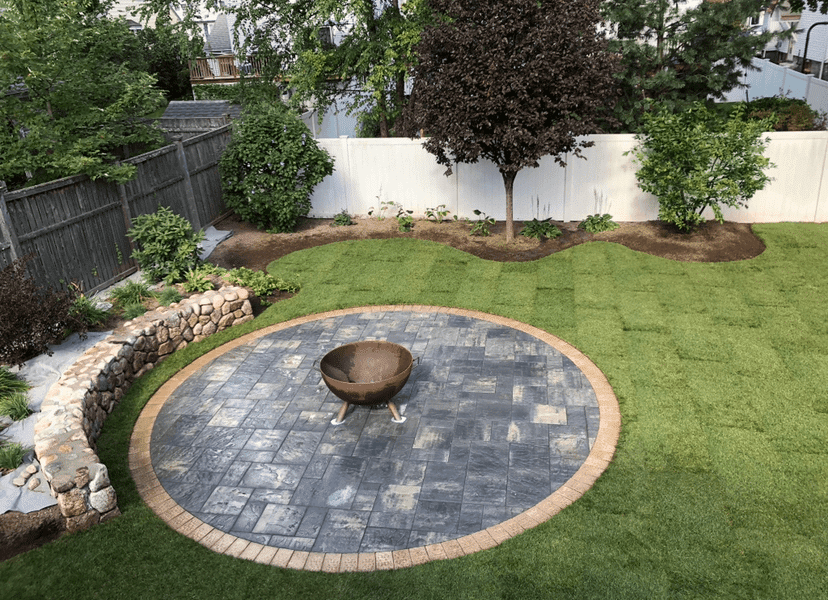
Why Every Property Needs a Plan for Hardscape Drainage
Hardscape drainage solutions are the systems that move water away from paved, tiled, or stone surfaces before it causes damage to your property.
Here is a quick comparison of the most common options:
| Solution | Best For | Key Benefit |
|---|---|---|
| French Drain | Subsurface water | Redirects groundwater away from foundations |
| Channel/Trench Drain | Driveways, patios | Captures surface runoff along a linear path |
| Slot Drain | Walkways, pool decks | Sleek, grate-free surface drainage |
| Permeable Pavers | Patios, paths | Lets water filter through the surface naturally |
| Catch Basin | Low-lying areas | Collects pooling water and debris in one spot |
| Dry Well | Overflow management | Disperses collected water into the ground |
Water does not stop moving just because it hits a paved surface. In fact, impermeable materials like concrete and asphalt make the problem worse — they shed water onto surrounding soil, toward foundations, and into low spots where it pools and causes damage.
In Greater Boston and Metro-West, this is especially true. Clay-heavy soils slow infiltration, and the region gets roughly 45 inches of rain per year — plus snowmelt in the spring. Without a proper plan, that water goes somewhere you probably do not want it to go.
Standing water on a patio or driveway is not just an eyesore. Over time, it can erode soil, shift pavers, damage plant roots, attract pests, and put real pressure on your home’s foundation.
The good news is that there are proven, tested systems designed specifically for hardscape surfaces — and choosing the right one for your property is more straightforward than most people expect.
I’m Tim DiAngelis, owner of Lawn Care Plus, Inc., a full-service landscaping and hardscaping company serving residential and commercial properties throughout Greater Boston and Metro-West, where I’ve spent over a decade designing and installing hardscape drainage solutions that protect properties through New England’s toughest conditions. In this guide, I’ll walk you through the top options so you can make a confident, informed decision.

Simple guide to Hardscape drainage solutions terms:
Essential Hardscape Drainage Solutions for Property Protection

When we design a new patio or driveway in towns like Newton or Needham, we aren’t just thinking about how the stone looks. We are thinking about where the water goes. Without effective hardscape drainage solutions, water runoff can create massive hydrostatic pressure against your home’s foundation or retaining walls. This pressure can lead to cracks, leaks, and eventually, structural failure.
Protecting your property means looking at the big picture. A surface-drainage-system-ultimate-guide explains that managing water is about landscape preservation. It prevents the “swamp effect” that kills expensive plantings and stops mold from creeping into your basement. Furthermore, standing water is a breeding ground for mosquitoes—a major pest control concern for Massachusetts homeowners during our humid summers. Following Scientific research on drainage and erosion control ensures that the methods we use are compliant with state standards for managing stormwater effectively.
The Role of Grading and Slope
The first rule of drainage is simple: water flows downhill. Proper surface pitch is the foundation of any hardscape project. Ideally, a surface should slope away from your home at a rate of at least one inch for every ten feet.
In the Boston Metro-West area, we often deal with clay-heavy soil. This type of soil is dense and doesn’t absorb water quickly, meaning if your grading is off, the water will sit there forever. Our drainage-solutions-for-sloping-land focus on creating directional runoff that moves water safely toward a designated exit point, keeping your foundation dry and secure.
Managing High Rainfall in Massachusetts
According to National Weather Service data, the Boston region receives approximately 45 inches of precipitation annually. While that might sound manageable spread over a year, our weather often comes in heavy bursts.
Saturated soil is a common problem in places like Belmont and Watertown, especially during the spring snowmelt. When frozen ground begins to thaw and spring rains arrive simultaneously, the soil cannot keep up. This is when your hardscape—be it a sidewalk or a pool deck—needs a robust system to handle the sudden volume of water.
Top 5 Systems for Effective Water Management
Choosing the right system depends on your specific property needs. We often use a combination of these five systems to create a comprehensive plan.
| System | Best For | Traffic Load |
|---|---|---|
| French Drain | Groundwater/Foundation | Pedestrian |
| Channel Drain | Driveways/Patios | Light to Heavy Vehicle |
| Slot Drain | Modern Patios/Pools | Pedestrian |
| Permeable Pavers | Eco-friendly driveways | Vehicle/Pedestrian |
| Catch Basin | Gutter discharge/Low spots | Varies by grate |
By integrating domestic-surface-water-drainage-systems, we ensure that your hardscape remains functional and beautiful for decades.
1. French Drains for Subsurface Collection
A French drain is a classic for a reason. It consists of a perforated pipe buried in a gravel-filled trench. This system is designed to “intercept” water that is moving through the soil before it reaches your patio or basement wall.
To prevent the system from clogging with silt over time, we use a french-drain-sidewalk-complete-guide approach, which includes lining the trench with a high-quality geotextile-for-french-drain. This fabric acts as a filter, allowing water in but keeping dirt out. By redirecting groundwater to a lower point on the property or a dry well, we stop the soil under your hardscape from becoming a muddy mess that causes pavers to shift.
2. Channel and Trench Drains for Surface Runoff
If you have a large paved area like a driveway in Brookline or a patio in Canton, you likely need a linear channel-drainage-system. These are long, narrow drains that sit flush with the surface to capture water as it sheets across the pavement.
Trench Drain specifications show that these systems can handle significant volumes of water. One of the best parts about modern systems is the variety of decorative grate cover options. You don’t have to settle for an ugly industrial look; you can choose stainless steel, brass, or even cast iron patterns that complement your stone choice.
3. Comparing Hardscape Drainage Solutions: Channel vs. Trench Drains
While the terms are often used interchangeably, there are differences in flow volume and application.
- Trench Drains: Typically deeper and wider, often used in industrial settings or at the bottom of very steep driveways where water volume is massive.
- Channel Drains: Usually shallower and made from lightweight materials like HDPE (High-Density Polyethylene). These are the standard for most residential waterguard-drainage-channel installations.
Modern HDPE systems offer incredible durability and are resistant to the chemicals found in road salt, which is a must for any Massachusetts driveway. For areas with heavy vehicle traffic, we might opt for polymer concrete, which provides superior strength without the extreme weight of traditional concrete drains.
4. Eco-Friendly Hardscape Drainage Solutions: Permeable Pavers
For homeowners looking for sustainable design, permeable pavers are a fantastic choice. Unlike traditional bricks or concrete slabs, these pavers have wider joints filled with small crushed stones. This allows water to filter directly through the surface and into the ground below.
This method significantly reduces runoff and helps recharge the local groundwater. According to our porch-drainage-system-guide, permeable systems are excellent for preventing ice buildup because water doesn’t sit on the surface to freeze. Advanced technologies like Draincore2 rapid drainage technology allow for drainage at a rate of up to 42 gallons per minute per square foot, providing 92% void space for water storage.
5. Catch Basins and Dry Wells
Sometimes, you just need a place for the water to go. A catch basin is a buried “box” with a grate on top. It’s perfect for low spots in a yard or at the end of a downspout. It features a sump area that collects heavy debris like leaves and sand, preventing them from clogging your underground pipes.
For properties that don’t have a natural slope to the street, we often install a dry well. This is an underground chamber that holds water and slowly lets it dissipate into the surrounding soil. A Dry well installation guide notes that these are essential for groundwater recharge and are often required by local building codes in towns like Newton to manage increased runoff from new construction.
Installation Best Practices and Cost Considerations
Installing hardscape drainage solutions requires precision. If the excavation depth is off by even half an inch, water might sit in the pipe instead of flowing out. Proper pipe bedding—usually using washed stone—is critical to prevent the pipes from settling or breaking under the weight of the hardscape.
When we work on projects involving retaining-wall-drainage, we ensure all connection points are secure and that we’ve called 811 for utility marking before any shovel hits the ground. Following a professional How to install a yard drainage system checklist ensures that the system won’t fail during the first major Nor’easter.
Professional vs. DIY Installation
While small projects like extending a downspout can be a DIY task, most hardscape drainage solutions require specialized equipment and technical expertise. In our experience in the Boston Metro-West area, DIY attempts often fail because of improper grading or using the wrong type of pipe.
Professional installation provides long-term reliability. We also ensure Massachusetts Wetlands Protection Act compliance, which is vital if your property is near a pond, stream, or protected area in towns like Dedham or Milton. Incorrectly redirecting water into a protected wetland can lead to heavy fines and legal headaches. For complex sidewalk-drainage-solutions, it’s always safer to hire a team that understands local regulations.
Average Pricing for Hardscape Drainage Solutions
Note: These are average costs based on internet data and not actual costs for Lawn Care Plus. Actual project costs vary based on soil type, accessibility, and material choice.
When planning your budget, it is helpful to see the wide range of potential costs for these systems.
| Solution | Low End (DIY/Basic) | High End (Professional/Complex) |
|---|---|---|
| French Drain (per linear ft) | $10 | $300+ |
| Dry Well (per unit) | $1,100 | $15,000+ |
| Channel Drain (system total) | $1,000 | $12,000+ |
| Catch Basin (per unit) | $800 | $25,000+ |
High-end costs often reflect the need for extensive excavation, high-grade materials like stainless steel or decorative cast iron, and complex integration with existing masonry.
Maintenance for Long-Term Performance
Even the best system will fail if it’s full of dirt. Seasonal inspections are the best way to prevent clogs. We recommend clearing debris from grates after every major autumn leaf fall and flushing pipes with a garden hose once a year to remove sediment buildup.
One major threat to French drains is root intrusion. Our guide on roots in french drain explains how to keep thirsty trees from invading your pipes. By using garden-land-drainage-solutions like root barriers or solid-wall pipes in certain areas, you can ensure your system lasts for decades.
Advanced Features for Efficiency
Modern systems come with features that make life easier.
- Built-in Slopes: Systems like Dura Slope have a 0.7% pitch built into the channel itself, which is a lifesaver on flat properties.
- Locking Systems: Prevent grates from rattling or being moved by traffic.
- Debris Guards: HexaLine Brickslot features include tapered inlets that prevent large debris from entering the narrow slot.
- Anti-vandalism grates: Essential for commercial properties in high-traffic areas like Boston or Brighton.
Frequently Asked Questions
How do I know which drainage system is right for my driveway?
If you see water sheeting across the surface toward your garage, a channel drain is likely the answer. If the driveway is “heaving” or feels soft, you might have a subsurface water issue that requires a French drain.
Can I combine a French drain with a catch basin?
Absolutely. In fact, we often recommend it. You can use a catch basin to collect surface water from a downspout and then tie that pipe into a larger French drain system that carries everything to the edge of the property.
What is the difference between a slot drain and a trench drain?
A slot drain is a type of trench drain with a very narrow opening (the “slot”). It doesn’t require a wide metal grate, making it almost invisible. It’s perfect for high-end patios and pool decks where aesthetics are the top priority.
Conclusion
At Lawn Care Plus Inc., we believe that a beautiful landscape is only as good as the foundation it sits on. Our expertise in the Boston Metro-West area allows us to design hardscape drainage solutions that are as functional as they are beautiful. Whether you are in Newton, Wellesley, or Milton, we provide comprehensive property protection tailored to our unique New England climate.
Don’t wait for the next big storm to find out your drainage is insufficient. Contact the professionals at Landscape Drains today to discuss your project, or explore our Hardscaping Services to see how we can transform your outdoor space with a custom, water-smart design. From patios to driveways, we have the team and the tools to get the job done right.