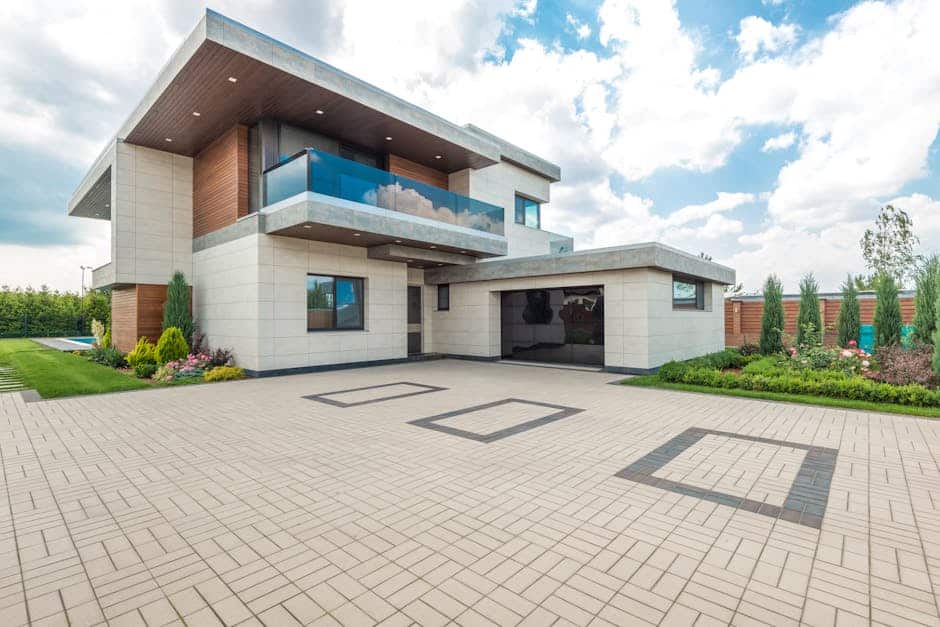
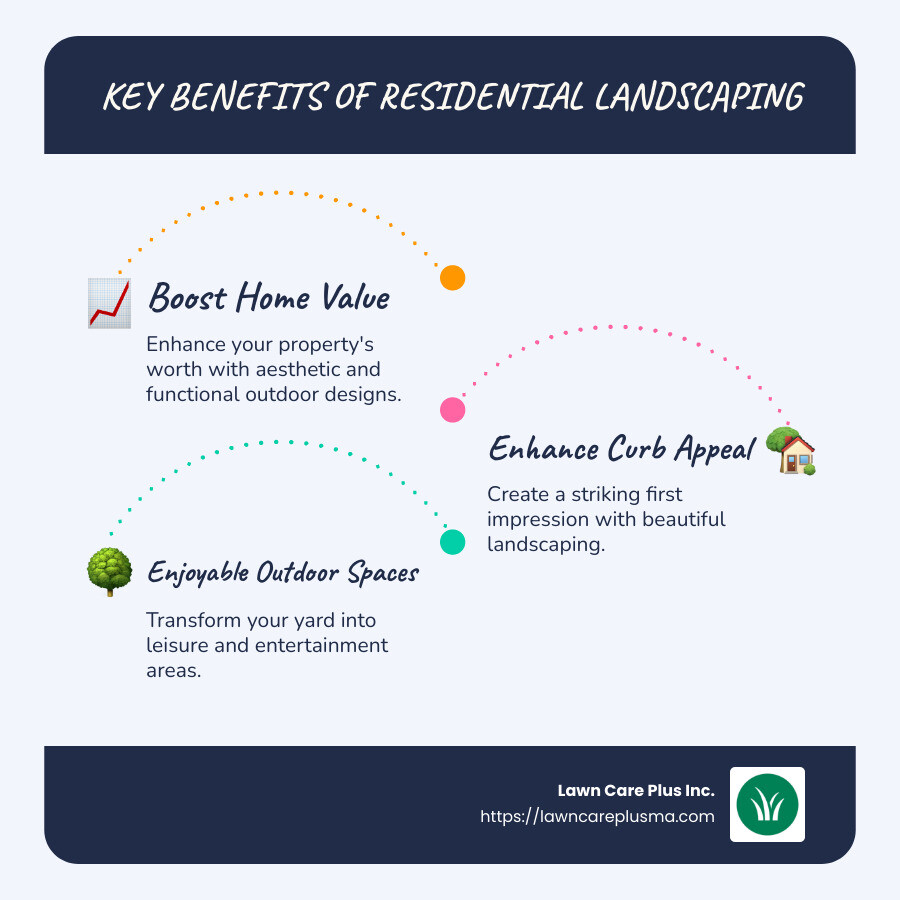
Residential landscaping is a powerful way to boost your home’s curb appeal, increase its value, and create inviting outdoor spaces for relaxation and entertainment.
- Boost home value: A well-designed landscape can significantly improve your property’s worth.
- Improve curb appeal: Beautiful landscaping makes a striking first impression.
- Create outdoor spaces: Transform your yard into a place for leisure and gatherings.
Imagine stepping outside to your own lush haven, a perfect blend of nature and design. Whether it’s a cozy corner for morning coffee or a lively space for family barbecues, landscaping can make your vision a reality. This process not only personalizes your outdoor environment but also adds to the aesthetic enjoyment and functionality of your property.
Residential landscaping definitions:
– commercial landscape maintenance services
– general services landscaping and maintenance
– landscaping maintenance services near me
Benefits of Residential Landscaping
Curb Appeal
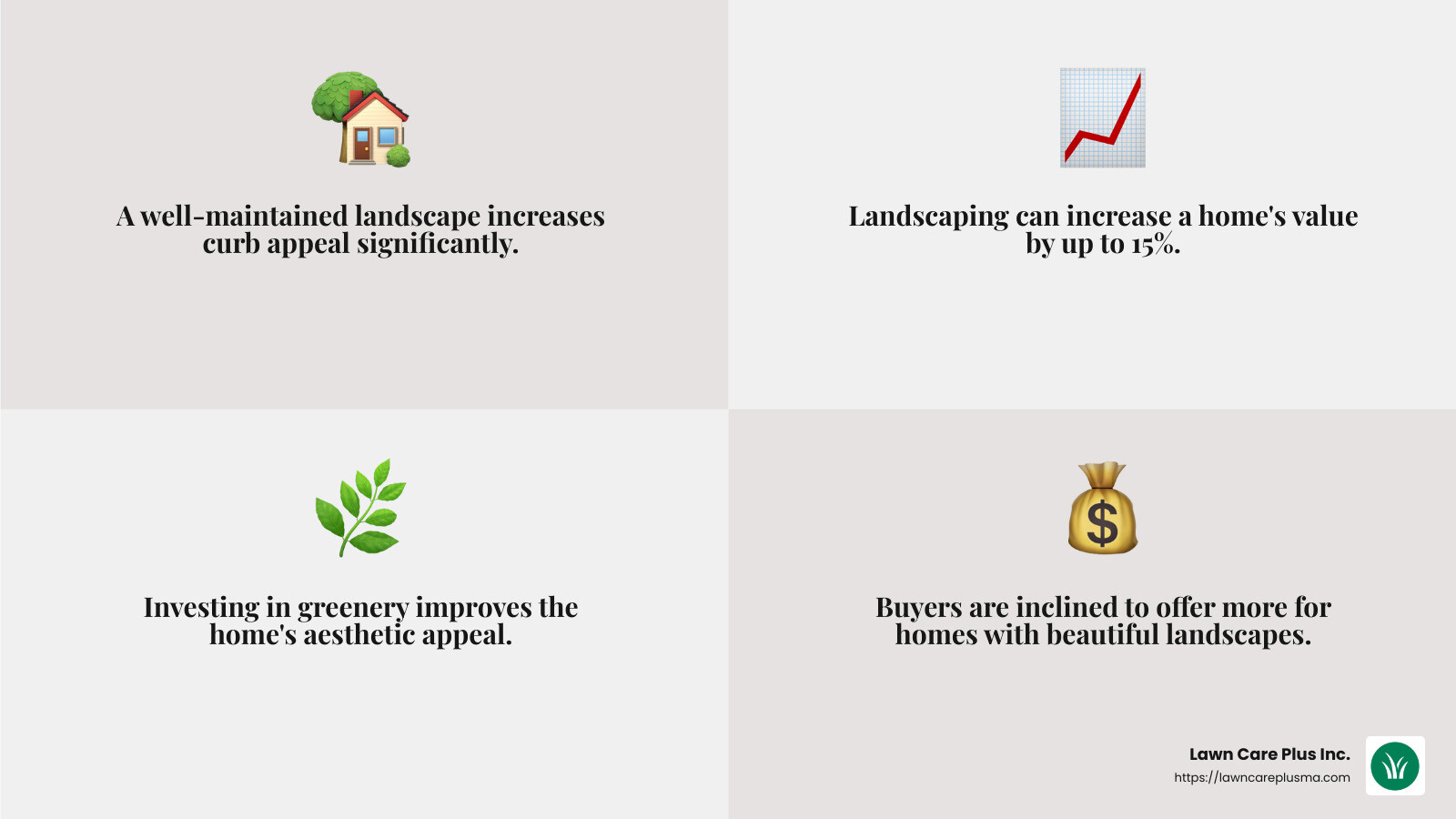
A well-maintained landscape is like a warm smile for your home. It immediately catches the eye and leaves a lasting impression. Think of it as your home’s first handshake with the world. Neat lawns, vibrant flowers, and structured pathways can make your property stand out in the neighborhood. According to research, a well-designed landscape can increase your home’s value by up to 15%.
Property Value
Investing in residential landscaping is not just about aesthetics; it’s also about economics. A beautiful landscape can boost your property’s market value significantly. Buyers are often willing to pay more for homes with well-planned outdoor spaces. Landscaping is a wise investment that can pay off when it’s time to sell.
Outdoor Living
Your outdoor space is an extension of your home. With thoughtful landscaping, you can create areas for dining, lounging, or even playing. Patios and decks become outdoor living rooms, perfect for hosting friends or enjoying a quiet evening with family. A well-landscaped yard provides a seamless transition from indoor comfort to outdoor enjoyment.
Relaxation
Imagine a sanctuary right outside your door. Landscaping can transform your yard into a peaceful retreat. The rustle of leaves, the scent of flowers, and the chirping of birds create a soothing environment. Whether it’s reading under a tree or meditating by a pond, your garden can be your personal escape from the hustle and bustle.
Entertaining
A landscaped yard is ideal for entertaining guests. From summer barbecues to cozy autumn bonfires, your outdoor space becomes a venue for gatherings. Features like fire pits, seating areas, and outdoor kitchens make hosting easy and enjoyable. Your home becomes the go-to place for celebrations and get-togethers.
In summary, residential landscaping goes beyond just making your home look good. It improves curb appeal, increases property value, and creates functional outdoor spaces for relaxation and entertainment. Whether you’re looking to sell or simply enjoy your home more, landscaping is a valuable investment.
Key Elements of Residential Landscaping
Creating a beautiful and functional outdoor space involves several key elements. From selecting the right plants to incorporating hardscaping and lighting, each component plays a vital role in residential landscaping. Let’s explore these elements in detail.
Choosing the Right Plants
Plants, shrubs, and trees are the backbone of any landscape design. Selecting the right ones involves considering regional suitability and maintenance needs. Opt for low-maintenance plants that thrive in your local climate to reduce upkeep. For example, native plants are a great choice as they are adapted to the local environment and often require less water and care.
Seasonal interest is another important factor. Choose a mix of plants that offer year-round beauty. Spring blooms, summer foliage, autumn colors, and winter berries can keep your garden vibrant throughout the year.
Hardscaping Features
Hardscaping involves the use of non-living materials to structure your outdoor space. Think of patios, walkways, retaining walls, and water features as the framework of your garden.
- Patios and Walkways: These provide essential pathways and gathering spaces. Materials like stone and concrete are durable and can complement your home’s architecture.
- Retaining Walls: These help manage slopes and create level areas for planting or seating. They also add a distinct visual element to your landscape.
- Water Features: Ponds, fountains, or waterfalls add a soothing auditory element. They attract wildlife and can become focal points in your garden.
Irrigation Systems
Efficient irrigation is crucial for maintaining a lush landscape while conserving water. Advanced systems can be custom to your garden’s specific needs, ensuring that each plant gets the right amount of water.
- Water Conservation: Use drip irrigation or soaker hoses to minimize water waste.
- Efficiency: Automated timers and moisture sensors ensure your garden is watered only when necessary.
- Maintenance: Regular checks and adjustments keep your system running smoothly and your plants healthy.
Landscape Lighting
Lighting transforms your garden into a magical space after dark. It improves safety and ambiance, making your outdoor areas usable at night.
- Safety: Well-placed lights along pathways and entrances prevent accidents.
- Ambiance: Soft lighting around seating areas and water features creates a cozy atmosphere.
- Energy-Efficient Options: LED lights and solar-powered fixtures are eco-friendly choices that reduce energy consumption.
By carefully considering these elements, you can create a landscape that not only looks beautiful but also functions well. Whether you’re starting from scratch or enhancing an existing garden, these components are essential to successful residential landscaping.
Next, let’s dive into the popular styles that can define your landscape’s character.
Popular Residential Landscaping Styles
When it comes to residential landscaping, choosing a style that suits your taste and complements your home is key. Let’s explore some popular styles and their unique characteristics.
Modern Landscaping
Modern landscaping is all about clean lines and minimalism. This style often features contemporary materials like concrete, steel, and glass. The focus is on simplicity and functionality, creating a sleek and uncluttered look.
- Key Elements: Geometric shapes, open spaces, and a limited color palette.
- Plant Choices: Grasses, succulents, and architectural plants that add texture without overwhelming the design.
Classic Landscaping
Classic landscaping emphasizes symmetry and formal design. This style often uses traditional plants and structured layouts to create a timeless appeal.
- Key Elements: Boxwood hedges, symmetrical flower beds, and well-manicured lawns.
- Plant Choices: Roses, hydrangeas, and topiaries that provide a refined and neat appearance.
Xeriscaping
Xeriscaping is ideal for those looking to create a water-wise and sustainable garden. This style focuses on drought-tolerant plants, reducing the need for irrigation.
- Key Elements: Gravel, rocks, and native plants that thrive in dry conditions.
- Plant Choices: Cacti, agave, and lavender that require minimal water while maintaining visual interest.
Cottage Garden
For those who love an informal and colorful garden, the cottage garden style is perfect. It features diverse plantings and a relaxed, whimsical feel.
- Key Elements: Overflowing flower beds, winding paths, and rustic elements like arbors and trellises.
- Plant Choices: Delphiniums, foxgloves, and daisies that add a splash of color and charm.
Zen Garden
Zen gardens offer a minimalist and meditative space, often incorporating natural elements to create tranquility.
- Key Elements: Sand, rocks, and water features that symbolize harmony and balance.
- Plant Choices: Bamboo, moss, and Japanese maples that improve the serene atmosphere.
Each of these styles offers unique ways to transform your outdoor space. Whether you prefer the modern edge or the classic charm, there’s a style to suit every taste and need.
Next, we’ll explore the costs associated with residential landscaping and how to plan your budget effectively.
Cost of Residential Landscaping
Understanding the costs associated with residential landscaping is essential for planning your dream outdoor space. Let’s explore the average costs, factors that affect these costs, and some helpful budgeting tips.
Average Landscaping Costs
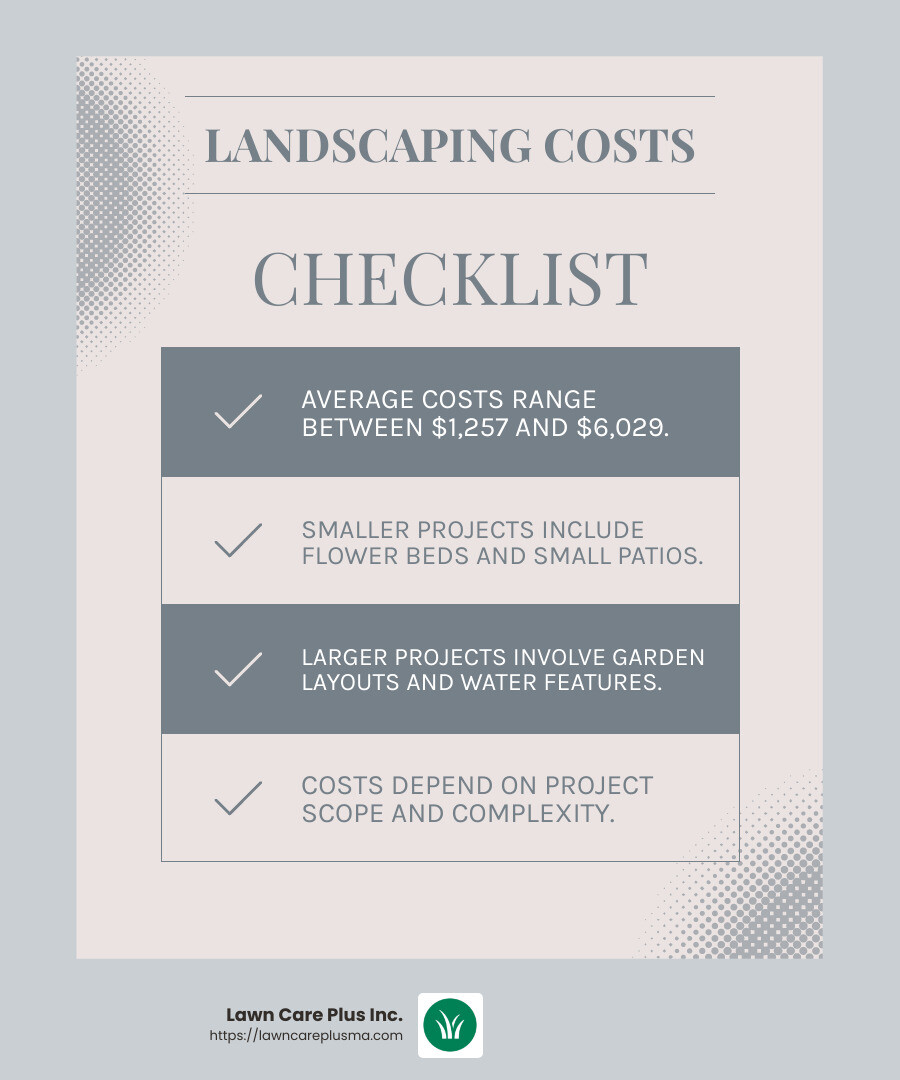
The cost of landscaping can vary widely depending on the scope of the project. On average, homeowners spend between $1,257 and $6,029 on landscaping projects. This range reflects both smaller improvements and more extensive redesigns.
- Smaller Projects: Simple tasks like planting flower beds or installing a small patio.
- Larger Projects: Complex undertakings such as creating a new garden layout or adding water features.
Factors Affecting Cost
Several factors influence the total cost of a landscaping project:
- Size of Property: Larger properties require more materials and labor, increasing costs.
- Complexity: Intricate designs or features like retaining walls and water features can add to the expense.
- Materials: The choice of materials, such as high-end stone or basic concrete, significantly impacts the budget.
- Labor: Professional fees can range from $50 to $100 per hour, depending on the expertise required.
Budgeting Tips
Planning your budget carefully can help you achieve your landscaping goals without overspending. Here are some practical tips:
- DIY Options: Consider handling simpler tasks yourself, like planting or basic maintenance, to save on labor costs.
- Phased Projects: Break down large projects into smaller phases. This allows you to spread out costs over time and adjust plans as needed.
- Bulk Purchasing: Buying plants and materials in bulk can reduce costs and ensure consistency in your design.
By understanding these costs and planning effectively, you can create a beautiful and functional landscape that improves your home. Next, we’ll weigh the pros and cons of DIY landscaping versus hiring professionals.
DIY vs. Professional Landscaping Services
When it comes to residential landscaping, homeowners often face the choice between doing it themselves or hiring professionals. Each option has its own set of pros and cons, and the right choice depends on your priorities and resources.
DIY Landscaping
Pros:
- Cost Savings: One of the biggest advantages of DIY landscaping is saving money. By doing the work yourself, you eliminate labor costs, which can be a significant part of any landscaping project.
- Personal Satisfaction: Completing a landscaping project on your own can be incredibly rewarding. There’s a sense of accomplishment in changing your outdoor space with your own hands.
Cons:
- Time-Consuming: DIY projects often take longer than expected, especially for beginners. Without professional equipment and experience, tasks like installing patios or planting large areas can become lengthy projects.
- Quality Concerns: Without expertise, there’s a risk of making mistakes that could affect the longevity and appearance of your landscape. Incorrect installations can lead to issues like poor drainage or unstable structures.
Time Investment: DIY landscaping requires a significant time commitment. From planning and purchasing materials to actual implementation, it can be a lengthy process.
Professional Landscaping Services
Pros:
- Expertise: Hiring professionals brings a level of expertise that ensures high-quality results. Professionals have the knowledge to select the right plants, materials, and designs that suit your property and local climate.
- Efficiency: With the right tools and experience, professional landscapers can complete projects faster than most DIY efforts. This can be particularly beneficial for large or complex projects.
- Long-Term Maintenance: Many professional services, like Lawn Care Plus Inc., offer ongoing maintenance plans to keep your landscape looking its best year-round. This ensures that your investment remains in top condition.
Cons:
- Cost: Professional landscaping services come with higher upfront costs due to labor and expertise fees. However, the quality and durability they offer can lead to long-term savings by avoiding costly mistakes.
Lawn Care Plus Inc. is known for its professional landscaping services that combine expertise, efficiency, and long-term care. By choosing a professional service, you can transform your home’s exterior with confidence, knowing that every detail is handled by experts.
Choosing between DIY and professional landscaping depends on your budget, time, and desired outcome. While DIY offers cost savings and personal satisfaction, professional services provide expertise, efficiency, and peace of mind.
Frequently Asked Questions about Residential Landscaping
How much does it cost to landscape around a house?
The cost of residential landscaping can vary widely. On average, homeowners spend between $1,257 and $6,029 on landscaping projects. The final cost depends on several factors, including the size of the area, the complexity of the design, and the materials used. For example, installing a new lawn or adding hardscaping features like patios and walkways can increase costs significantly. It’s always a good idea to get multiple estimates and plan your budget carefully to ensure you get the best value for your money.
What are residential landscapes?
Residential landscapes refer to the designed outdoor spaces around a home. These landscapes can include a variety of elements such as lawns, gardens, trees, shrubs, and hardscaping features like patios, walkways, and retaining walls. The purpose of residential landscaping is to improve the beauty and functionality of a home’s exterior, providing spaces for relaxation, entertainment, and outdoor living. A well-planned landscape not only boosts curb appeal but also increases property value and can offer environmental benefits like improved air quality and biodiversity support.
What is most cost effective for landscaping?
To keep landscaping costs down, consider the following tips:
- Choose Low-Maintenance Plants: Opt for plants that are well-suited to your region and require minimal care. This reduces the need for frequent watering, fertilizing, and pruning.
- Phased Projects: Break your landscaping project into phases. Start with essential elements like irrigation systems or foundational plantings, and add more features over time as your budget allows.
- DIY Options: For smaller tasks like planting flowers or laying mulch, consider doing it yourself. This can save on labor costs and still allow you to make noticeable improvements.
- Bulk Purchasing: Buy materials like soil, mulch, and plants in bulk to take advantage of discounts.
By following these strategies, you can achieve a beautiful landscape without breaking the bank.
Conclusion
At Lawn Care Plus Inc., we understand the power of a beautifully landscaped home exterior. Our comprehensive services are designed to transform your outdoor spaces into stunning landscapes that improve both your property’s value and your quality of life. Serving the Boston Metro-West area, we offer everything from lawn maintenance and landscape installations to hardscaping and irrigation systems.
With our expertise, you can enjoy the benefits of a well-designed landscape without the hassle. Our team is committed to delivering results that exceed expectations, whether through creating a modern, minimalist garden or a classic, symmetrical retreat.
Our residential landscaping services are custom to meet the unique needs of each client, ensuring your home is not only beautiful but also functional and sustainable. By choosing Lawn Care Plus Inc., you are investing in a team that prioritizes your vision and brings it to life with precision and care.
Ready to transform your home’s exterior? Contact us today to schedule a consultation and find how our services can make your dream landscape a reality.