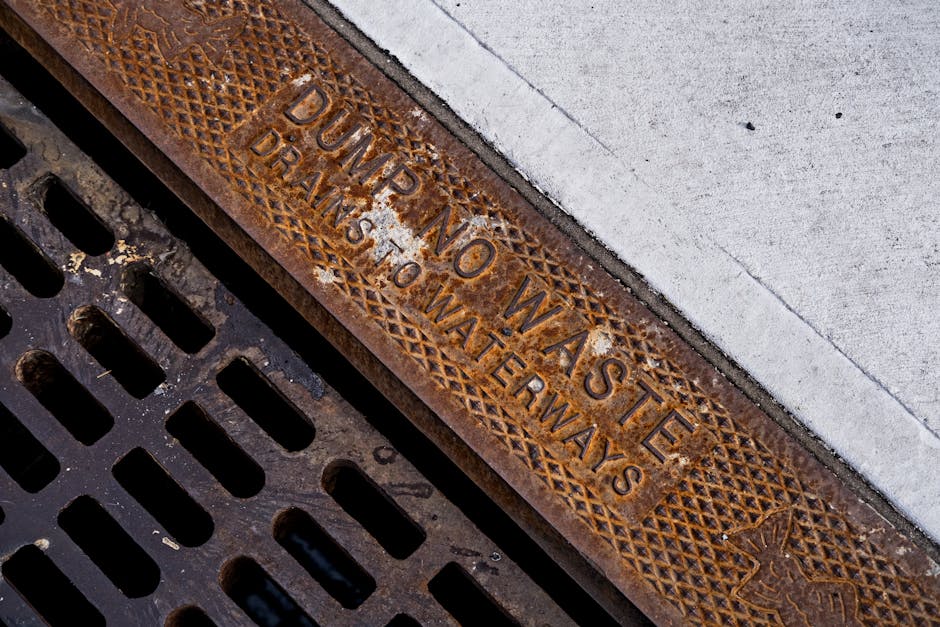
Sidewalk drainage solutions are essential for maintaining safe and functional pedestrian pathways, especially in urban areas like Boston’s Metro-West. These solutions not only improve sidewalk safety but also prevent water damage that can compromise the integrity of walkways.
Here’s a quick overview of how to effectively manage sidewalk drainage:
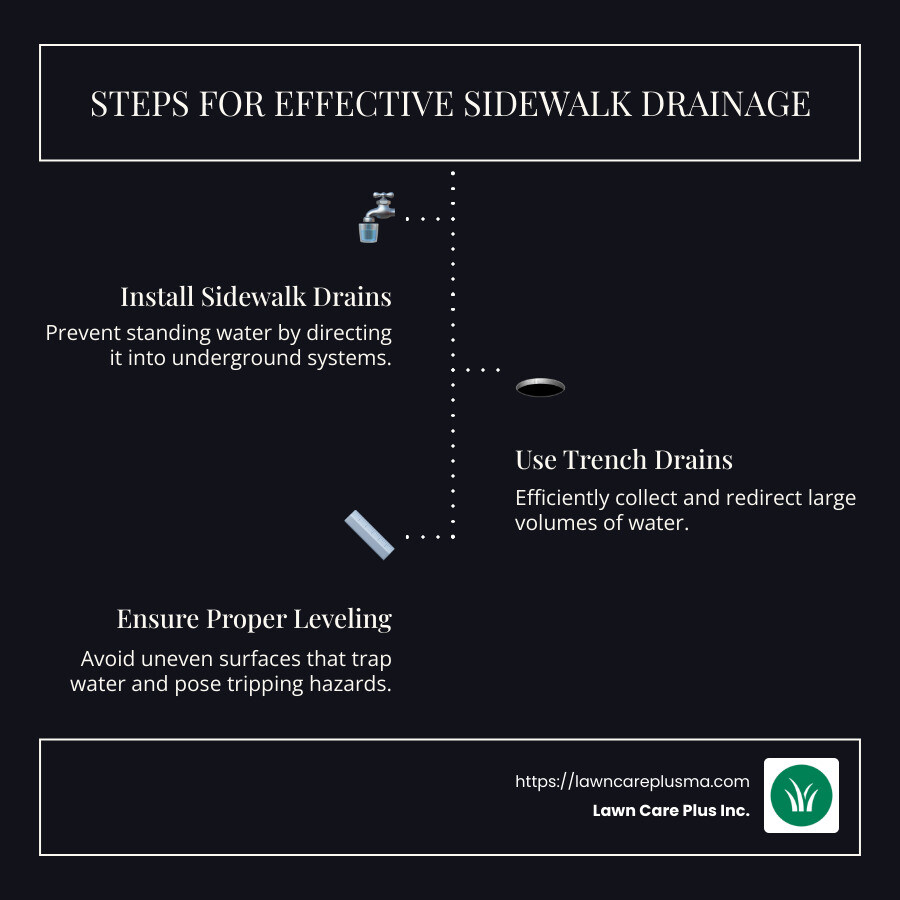
- Install sidewalk drains: Prevent standing water by directing it into underground systems.
- Use trench drains: These collect and redirect large volumes of water efficiently.
- Ensure proper leveling: Avoid uneven surfaces that can trap water and pose tripping hazards.
Sidewalks are critical infrastructure for any community, offering a safe surface for walkers, joggers, and children. However, without proper drainage, these pathways can become hazards. Standing water can lead to cracks and potholes, subsequently forming icy spots during winter. Such conditions are not only inconvenient but dangerous, contributing to falls and injuries.
Addressing these issues requires strategic planning. This includes using effective drainage systems that keep sidewalks dry and extend their lifespan. By incorporating well-designed drainage solutions, homeowners and property managers can protect their sidewalks from deterioration and maintain a safe, welcoming environment for everyone.
Find more about sidewalk drainage solutions:
– domestic surface water drainage systems
– land drainage system
– roots in french drain
Importance of Sidewalk Drainage
Sidewalk drainage is crucial for maintaining safe and long-lasting walkways. Without it, standing water can cause significant problems, from sidewalk deterioration to safety hazards.
Standing Water Issues
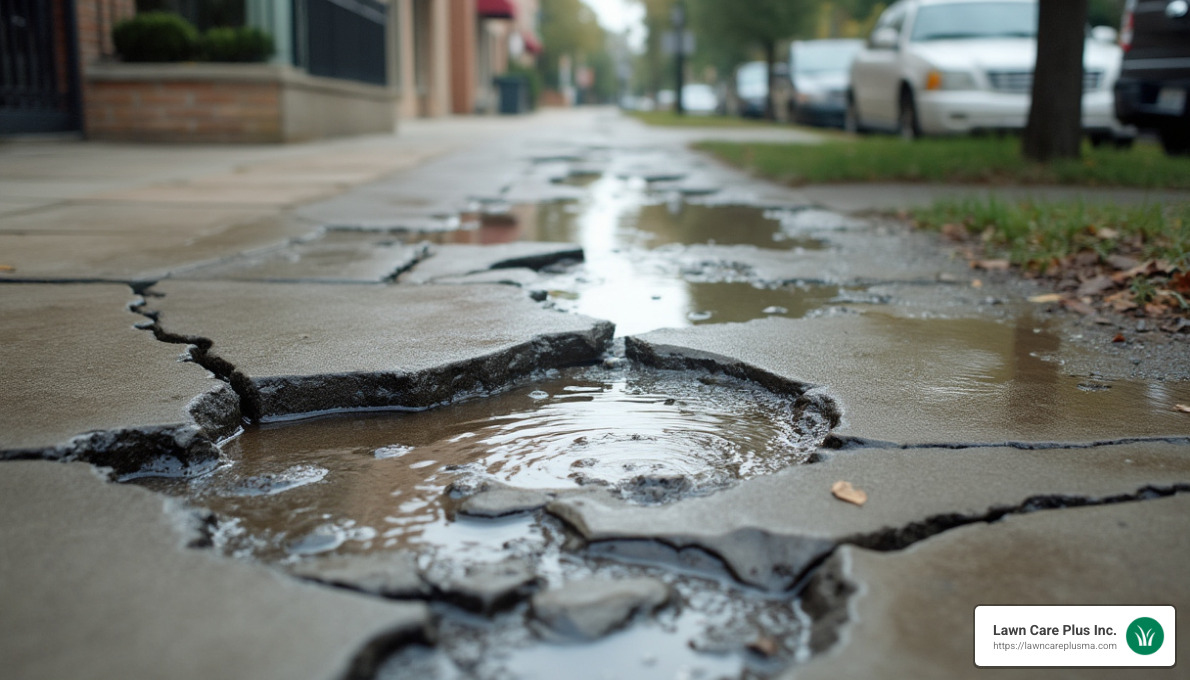
When water pools on sidewalks, it doesn’t just create a nuisance; it poses real risks. Standing water can seep into the tiny cracks in concrete, expanding them over time. In winter, this water can freeze, leading to ice patches that are slippery and dangerous. This makes walking treacherous and increases the risk of falls and injuries, especially for children and the elderly.
Sidewalk Deterioration
Water is one of the main culprits in the deterioration of sidewalks. Over time, constant exposure to water can lead to cracks and potholes. These imperfections not only make sidewalks unsightly but also reduce their lifespan. As cracks grow, they collect more water, exacerbating the problem and leading to even more significant damage.
Safety Hazards
Poorly drained sidewalks aren’t just a maintenance issue—they’re a safety concern. As water accumulates, it can force pedestrians to step off the sidewalk and into the street, which is dangerous. Additionally, during colder months, water can freeze, creating icy surfaces that increase the risk of slips and falls.
To prevent these hazards, installing effective sidewalk drainage solutions like trench drains or slot drains is essential. These systems efficiently redirect water away from pedestrian areas, keeping sidewalks safe and dry.
By prioritizing sidewalk drainage, communities can ensure safer, longer-lasting walkways that are welcoming to all.
Essential Components of Sidewalk Drainage Systems
Creating a flood-free walkway begins with understanding the critical components of a sidewalk drainage system. These components are designed to efficiently manage water flow and keep sidewalks safe and dry.
Catchment Area
The catchment area is the first line of defense against standing water. It is strategically positioned on a slope or near sources of water accumulation, such as ponds or creeks. The primary function of the catchment area is to collect and direct water runoff into the drainage system.
To function effectively, the catchment area must be free of obstructions and large enough to handle significant water flow. This ensures that water moves smoothly into the drainage channels without causing blockages.
Drainage Field
Once water is collected, it needs to be directed away from the sidewalk. This is where the drainage field comes into play. The drainage field channels the collected water away from structures and pedestrian areas, minimizing the risk of flooding or damage.
The placement of the drainage field is crucial. It should be positioned far enough from buildings and other structures to prevent unintended water damage. Proper design and installation of the drainage field help maintain the integrity of both the sidewalk and surrounding areas.
Outlet
The outlet is the final component in the drainage system. It serves as the exit point for water, ensuring that it is safely transported away from the sidewalk. Water is usually directed through storm drains or underground pipes to a designated outlet, such as a storm sewer.
An effective outlet system prevents water from pooling or backing up, which can lead to further issues. By efficiently managing water flow, outlets help maintain a safe, dry environment for pedestrians.
Incorporating these essential components into a drainage system is crucial for effective sidewalk drainage solutions. By ensuring proper water management, communities can improve safety, reduce maintenance costs, and extend the lifespan of their sidewalks.
Next, we’ll explore the top sidewalk drainage solutions available, including trench drains and slot drains, to help keep your walkways dry and safe.
Top Sidewalk Drainage Solutions
When it comes to sidewalk drainage solutions, choosing the right system can make a big difference in preventing water accumulation and maintaining safe, dry walkways. Here, we’ll explore some of the most effective drainage solutions: trench drains, slot drains, and storm drains. Each offers unique benefits, from durable construction to ADA-compliance.
Trench Drains
Trench drains are a popular choice for managing water on sidewalks due to their robust design and efficient water flow capabilities. These systems consist of a wide channel, often covered with decorative grates. The grates not only improve the aesthetic appeal but also ensure safety by preventing debris from entering the drain.
Stainless steel construction is a hallmark of high-quality trench drains. This material is resistant to corrosion and can withstand heavy traffic, making it ideal for areas with a lot of pedestrian movement. The durability of stainless steel means that trench drains require less maintenance and have a longer lifespan, which can save on repair costs over time.
Slot Drains
Slot drains offer a sleek, modern solution for sidewalk drainage. Unlike trench drains, slot drains have a thin channel design that eliminates the need for a grate. This makes them less obtrusive and easier to clean. Slot drains are particularly well-suited for areas where aesthetics and ease of maintenance are priorities.
For those concerned about accessibility, slot drains are available with ADA-compliant options. This ensures that the drainage system does not create obstacles for individuals with mobility impairments, promoting inclusivity and safety for all pedestrians.
The 6,000 and 7,000 Series of slot drains are noteworthy for their heavy-duty load ratings and stainless steel construction, making them a durable choice for high-traffic areas. They also come pre-sloped and pre-assembled, simplifying the installation process.
Storm Drains
Storm drains play a crucial role in urban drainage systems. These are typically larger systems integrated into municipal infrastructure, designed to handle significant water volumes during heavy rainfalls. Storm drains are essential for preventing flooding by efficiently channeling water away from sidewalks and into the sewage system.
By incorporating these top sidewalk drainage solutions, you can effectively manage water flow and improve the safety and longevity of your walkways. Whether you opt for the robust trench drain, the sleek slot drain, or the comprehensive storm drain system, each offers unique advantages custom to various needs and environments.
Next, we’ll dig into some DIY solutions for those looking to tackle sidewalk drainage on their own.
DIY Sidewalk Drainage Solutions
Sometimes, you might want to take matters into your own hands to manage water on your sidewalks. DIY solutions can be effective for smaller areas or as temporary fixes until a more permanent solution is installed. Here are some simple methods you can try:
Caulking
Caulking is an easy and cost-effective way to prevent water from seeping into unwanted areas. Concrete caulk or flexible polymer sealants can be applied to cracks and joints in sidewalks to stop water from penetrating and causing further damage. This method is particularly useful for minor repairs and can help prolong the life of your sidewalk by preventing water-induced erosion.
French Drains
A French drain is a simple yet effective DIY solution for redirecting water away from problem areas. It involves digging a trench, filling it with gravel or rock, and installing a perforated pipe that channels water away from the sidewalk. This method is ideal for areas with persistent water accumulation and can be a weekend project for those with some DIY experience. French drains are particularly useful in areas with heavy clay soil, as they help improve drainage without the need for extensive infrastructure.
Temporary Fixes
If you’re dealing with a sudden water problem, temporary fixes can provide immediate relief. For example, using sandbags or temporary barriers can help divert water away from sidewalks during heavy rains. These solutions are not meant to be permanent but can be lifesavers in emergency situations. Additionally, ensuring that gutters and downspouts are clear and functional can prevent excess water from reaching your sidewalk in the first place.
By employing these DIY sidewalk drainage solutions, you can manage water effectively and prevent further damage without the need for extensive construction. However, for long-term solutions, professional installation of more robust systems like trench or slot drains may be necessary.
Next, let’s address some frequently asked questions about sidewalk drainage solutions.
Frequently Asked Questions about Sidewalk Drainage Solutions
How to Improve Sidewalk Drainage?
Improving sidewalk drainage often starts with the installation of a sidewalk grate drain. This system helps channel water away from the surface, minimizing standing water and potential damage. The water collected in these drains typically flows into a sewage system or a designated outlet, ensuring that it is effectively removed from pedestrian areas.
For minor issues, applying concrete caulk or a flexible polymer sealant can help seal cracks and prevent water from seeping into the sidewalk. These materials are easy to apply and can extend the life of your sidewalk by keeping water out of the underlying structure.
How Do You Keep Water Off the Sidewalk?
Keeping water off the sidewalk involves several strategies. One effective method is ensuring proper slope and grading, so water naturally flows away from the sidewalk. Installing a storm drain or a storm sewer system can also be a robust solution. These systems are designed to handle large volumes of water, directing it away from pedestrian areas and into underground drainage networks.
Additionally, regular maintenance like clearing gutters and ensuring downspouts direct water away from sidewalks can prevent excess water accumulation. In some cases, adding a thin layer of sealant, like a flexible polymer, can provide an extra level of protection against water penetration.
What is the Drain on the Sidewalk Called?
The drain on the sidewalk is commonly referred to as a storm drain or storm sewer. These drains are integral parts of urban infrastructure, designed to manage rainwater and prevent flooding on streets and sidewalks. They connect to a larger sewage system, ensuring that water is efficiently transported away from pedestrian areas to reduce the risk of damage and improve safety.
By understanding these components and strategies, you can make informed decisions about maintaining and improving sidewalk drainage. This knowledge helps ensure safer, longer-lasting pedestrian pathways.
Conclusion
At Lawn Care Plus Inc., we understand the importance of keeping your walkways and sidewalks safe and dry. Our comprehensive services in the Boston Metro-West area are designed to meet all your landscaping and hardscaping needs, ensuring your outdoor spaces remain both functional and beautiful.
With our expertise, we offer a range of solutions to tackle water drainage issues, from installing sidewalk drainage solutions like trench drains and storm drains to providing regular maintenance to prevent water accumulation. Our team is dedicated to creating safe and aesthetically pleasing environments, whether for residential or commercial properties.
We pride ourselves on our wide range of services, including lawn maintenance, landscape installations, and hardscaping projects like patios, driveways, and walkways. Our experienced team is committed to delivering high-quality results that not only meet but exceed your expectations.
If you’re in the Boston Metro-West area and need assistance with your landscaping or hardscaping projects, we’re here to help. Trust Lawn Care Plus Inc. to provide the expertise and dedication your property deserves.
Learn more about our services and how we can assist you in maintaining your outdoor spaces.