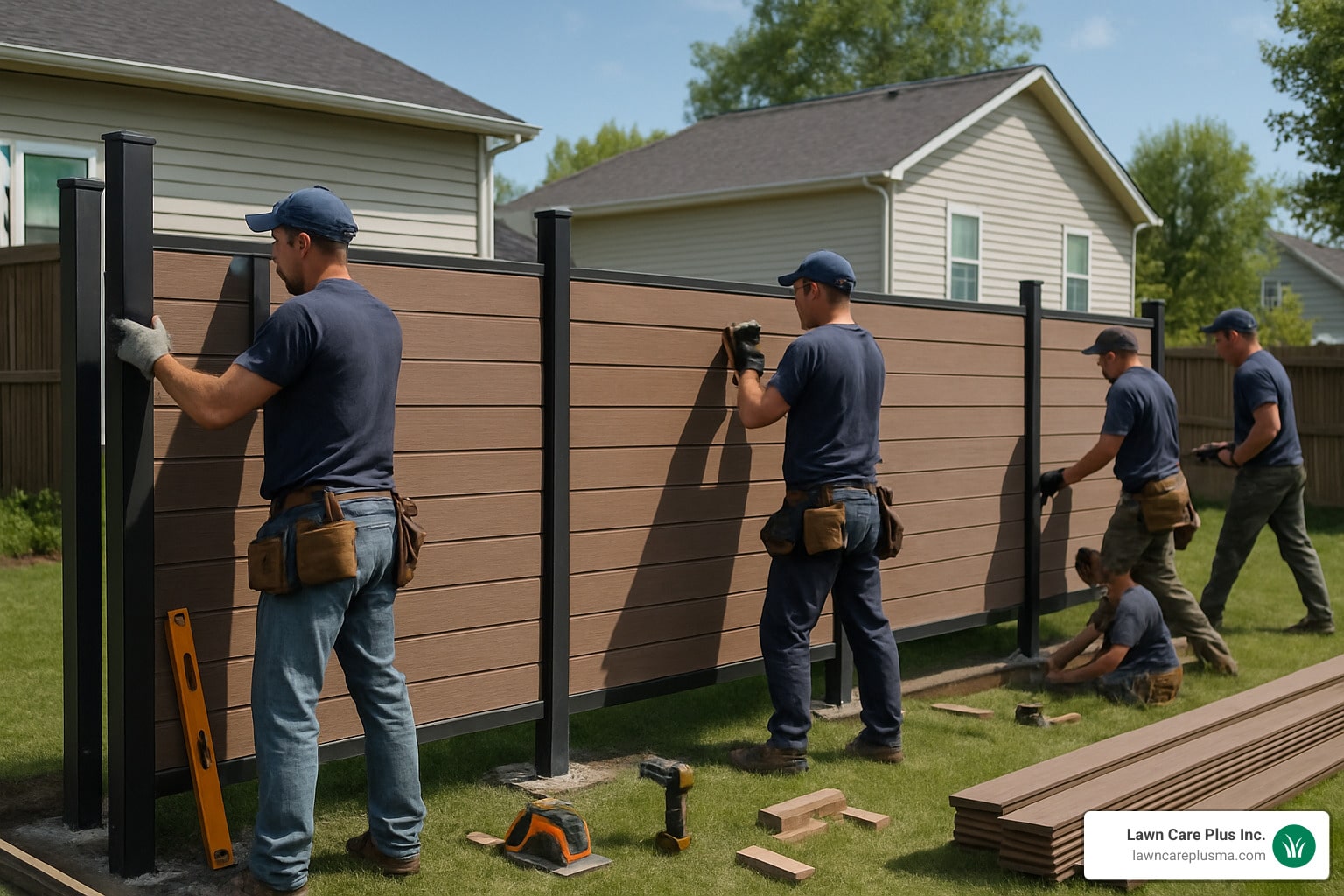
Why Composite Fence Installers Are in High Demand
Composite fence installers near me are becoming the go-to choice for homeowners who want beautiful, durable fencing without the endless maintenance headaches of traditional wood.
Quick Answer for Finding Composite Fence Installers:
• Search locally – Look for licensed contractors in your area with composite fencing experience
• Check credentials – Verify licensing, insurance, and Better Business Bureau ratings
• Read reviews – Focus on recent Google and Angie’s List reviews from actual customers
• Get multiple quotes – Compare 3-5 installers for pricing and timeline estimates
• Ask about warranties – Quality installers offer both labor and material warranties
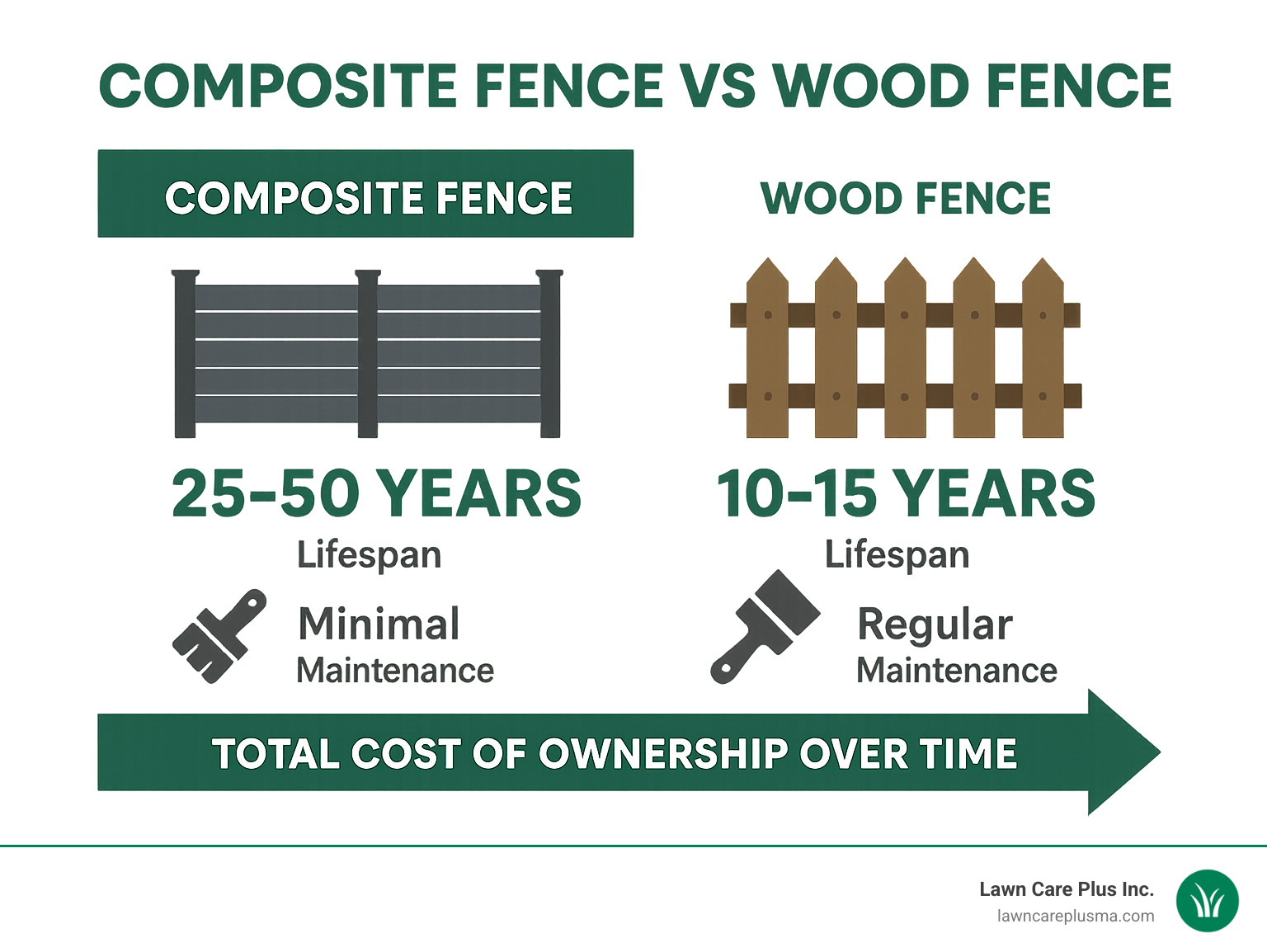
Modern composite fencing combines recycled wood fibers and plastic to create a material that lasts 25+ years with minimal upkeep. Unlike wood fences that need painting, staining, or replacing every 10-15 years, composite fences resist rot, insects, and weather damage.
The search for quality installers has intensified because composite fencing requires specific installation techniques different from traditional wood or vinyl. Professional installation ensures your fence can withstand winds up to 130 mph and maintains its warranty coverage.
As one Texas homeowner shared: “Great experience. We love our new fence!” – highlighting why more property owners are making the switch to composite materials for their privacy and security needs.
Composite fence installers near me terms explained:
– building a cedar fence
– pool safety fence installation
– reliable fence company
Why This Guide Matters
We’ve created this comprehensive guide to help you steer the growing composite fencing market with confidence. With so many options and installers available, making the right choice can feel overwhelming. This guide provides clarity on costs, benefits, installation processes, and most importantly, how to find reputable composite fence installers near me who will deliver quality results.
Our goal is to give you the knowledge needed to make an informed decision that protects your investment and improves your property for decades to come.
What Is Composite Fencing & Why It’s Different
If you’ve ever wondered why composite fence installers near me are suddenly everywhere, it’s because this innovative fencing material is genuinely changing the game. Composite fencing isn’t just another trend – it’s a smart solution that combines the natural beauty of wood with the durability your busy life demands.
Think of composite fencing as the perfect marriage between wood and plastic. The material starts with a wood-plastic blend that’s typically 95% recycled content, creating boards that look gorgeous while solving all the problems that make traditional wood fencing such a headache.
The manufacturing process is pretty clever. Wood fibers get combined with recycled plastics and binding agents to create boards that maintain the warm, natural appearance of wood without any of the vulnerabilities. While your neighbor’s wood fence is absorbing moisture and starting to rot, your composite fence just keeps looking great year after year.
Here’s something that’ll make you sleep better at night: composite fencing is completely insect-proof. Termites can’t eat it, carpenter ants ignore it, and all those other wood-destroying bugs that cost homeowners thousands in repairs? They’re simply not interested in composite materials.
If you live near a busy road or have noisy neighbors, you’ll love the noise reduction benefits. The dense wood-plastic blend naturally dampens sound much better than traditional wood or vinyl, creating a more peaceful outdoor space for your family.
The fade-resistant properties come from pigments that are mixed right into the material during manufacturing. Yes, your fence might weather to a slightly lighter shade during the first few months, but this natural weathering process actually improves the wood-like appearance without affecting the fence’s strength or durability.
Key Advantages Over Wood, Vinyl & Metal
Let’s talk about the elephant in the room – how long will your fence actually last? While most wood fences start showing serious wear after 10-15 years, composite fences are engineered for a 25-year+ lifespan. Many installations last 30-50 years or even longer with minimal care.
But here’s where composite really shines: no painting, ever. Wood fences demand painting, staining, or sealing every 3-5 years just to stay functional. Composite fences? A quick rinse with your garden hose and maybe some soap and water once in a while. That’s it.
The warp-proof construction comes from smart engineering that prevents the bowing and sagging that makes wood fences look tired and neglected over time. Your composite fence will maintain its crisp, straight lines for decades, keeping your property looking professionally maintained.
Unlike vinyl that can crack in cold weather or metal that rusts and needs regular painting, composite materials stay flexible and strong through Massachusetts winters and humid summers alike.
Are Composite Fences Safe & Sustainable?
Parents and pet owners consistently choose composite fencing for one simple reason: it’s incredibly family-friendly. The smooth, splinter-free surface stays safe for little hands and curious pets throughout the fence’s lifetime. No more worrying about kids getting hurt on rough or splintered wood.
Pet owners particularly appreciate that dogs who like to chew or scratch won’t hurt themselves on composite materials. The non-toxic construction means you don’t have to worry about harmful chemicals if your furry family members decide to investigate their new fence.
The sustainability story is genuinely impressive. Most composite fencing contains 90-95% recycled content, changing waste materials that would otherwise end up in landfills into beautiful, functional fencing. Those recycled plastic bottles and reclaimed wood fibers get a second life protecting your property.
The carbon footprint benefits extend far beyond the recycled content. Because composite fences last 2-3 times longer than wood alternatives, they dramatically reduce the environmental impact of manufacturing, transportation, and disposal over their lifetime. Scientific research on recycled plastics continues to validate the environmental advantages of choosing composite materials for long-term applications.
Perhaps best of all, no trees are harvested specifically for composite fence production, making it an excellent choice for environmentally conscious homeowners who want beautiful fencing without contributing to deforestation.
Average Cost, Lifespan & ROI You Can Expect
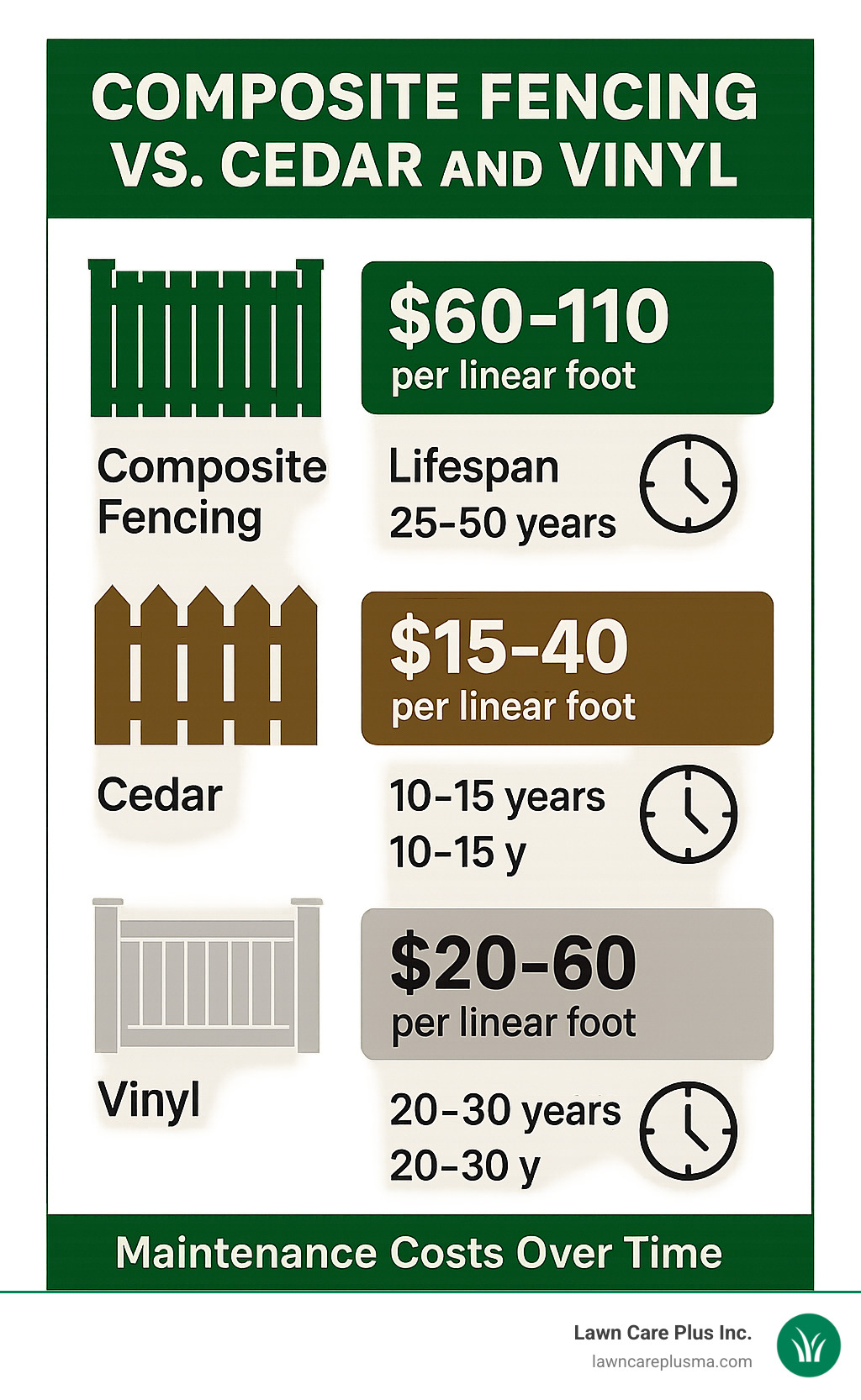
Understanding the financial investment in composite fencing requires looking beyond the initial installation cost to consider the total cost of ownership over time. Based on industry data, composite fence installation typically ranges from $60 to $110 per linear foot, though costs can vary significantly based on specific project requirements and regional factors.
For typical residential projects, a small composite fence of about 50 linear feet averages $5,000-$7,000, while medium installations of 150 linear feet run $13,000-$16,000. Large installations covering 250 linear feet can cost $20,000-$25,000. These are average costs based on internet data and not actual costs for Lawn Care Plus, as pricing varies widely based on local market conditions and specific project requirements.
The 30-50 year lifespan of composite fencing dramatically improves the return on investment compared to alternatives. When you factor in the elimination of ongoing maintenance costs – no painting, staining, or board replacement – the total cost of ownership often becomes lower than wood fencing over time.
Property value impacts are consistently positive. Real estate professionals report that quality fencing typically adds 50-80% of its installation cost to property value, with composite fencing often achieving the higher end of this range due to its premium appearance and low maintenance appeal.
Some insurance companies offer discounts for properties with security fencing, particularly around pools where composite fencing helps meet safety requirements. Regional labor costs in the Boston Metro-West area we serve can influence overall project costs, but the long-term value proposition remains strong regardless of location.
Factors That Move the Needle on Price
Linear footage is the primary cost driver, but several other factors can significantly impact your total investment. Fence height affects both material and labor costs, with 8-foot privacy fences requiring more materials and installation time than standard 6-foot options.
Post material selection influences both cost and performance. While composite posts provide the most consistent appearance, some installations use treated wood or steel posts to reduce costs. The choice affects both upfront pricing and long-term maintenance requirements.
Gate installations add complexity and cost to any project. A single walk-through gate typically adds $300-$800 to the project, while double drive gates can add $800-$2,000 or more, depending on size and hardware requirements.
Terrain challenges can increase labor costs significantly. Sloped yards require stepped installation techniques, while rocky or heavily rooted soil may require special equipment for post installation. Properties with underground utilities need careful coordination and may require hand-digging in sensitive areas.
Disposal of existing fencing adds to project costs but is often necessary for optimal results. Most professional installers include basic disposal in their quotes, but extensive demolition work may incur additional charges.
Permit requirements vary by municipality but typically add $50-$200 to project costs. We always research local requirements and factor permit costs into our project estimates.
What’s Included in a Typical Install Package
Professional composite fence installation should include comprehensive service from design through completion. Quality installers provide all fence panels, posts, and hardware needed for your specific design, ensuring compatibility and optimal performance.
Material delivery is typically included for local installations, with some companies offering free delivery valued at $120 or more for nearby customers. This service eliminates the hassle of coordinating material pickup and ensures everything arrives when needed.
Utility marking is a critical safety requirement that professional installers handle as part of their service. This includes coordinating with local utility companies to mark underground lines and ensuring safe digging practices throughout the installation.
Site cleanup should be included in every professional installation. This means removing all packaging materials, excess soil from post holes, and leaving your property in better condition than when the project started.
Most professional packages include a one-hour on-site design session to finalize layout, gate placement, and address any property-specific challenges before installation begins. This planning phase prevents costly changes during construction and ensures the final result meets your expectations.
Composite Fence Styles, Colors & Custom Options
When it comes to creating the perfect outdoor space, composite fence installers near me can help you choose from an impressive array of styles that blend beauty with functionality. The versatility of modern composite fencing means you’re not stuck with just one boring option – there’s a style to complement every home and landscape design.
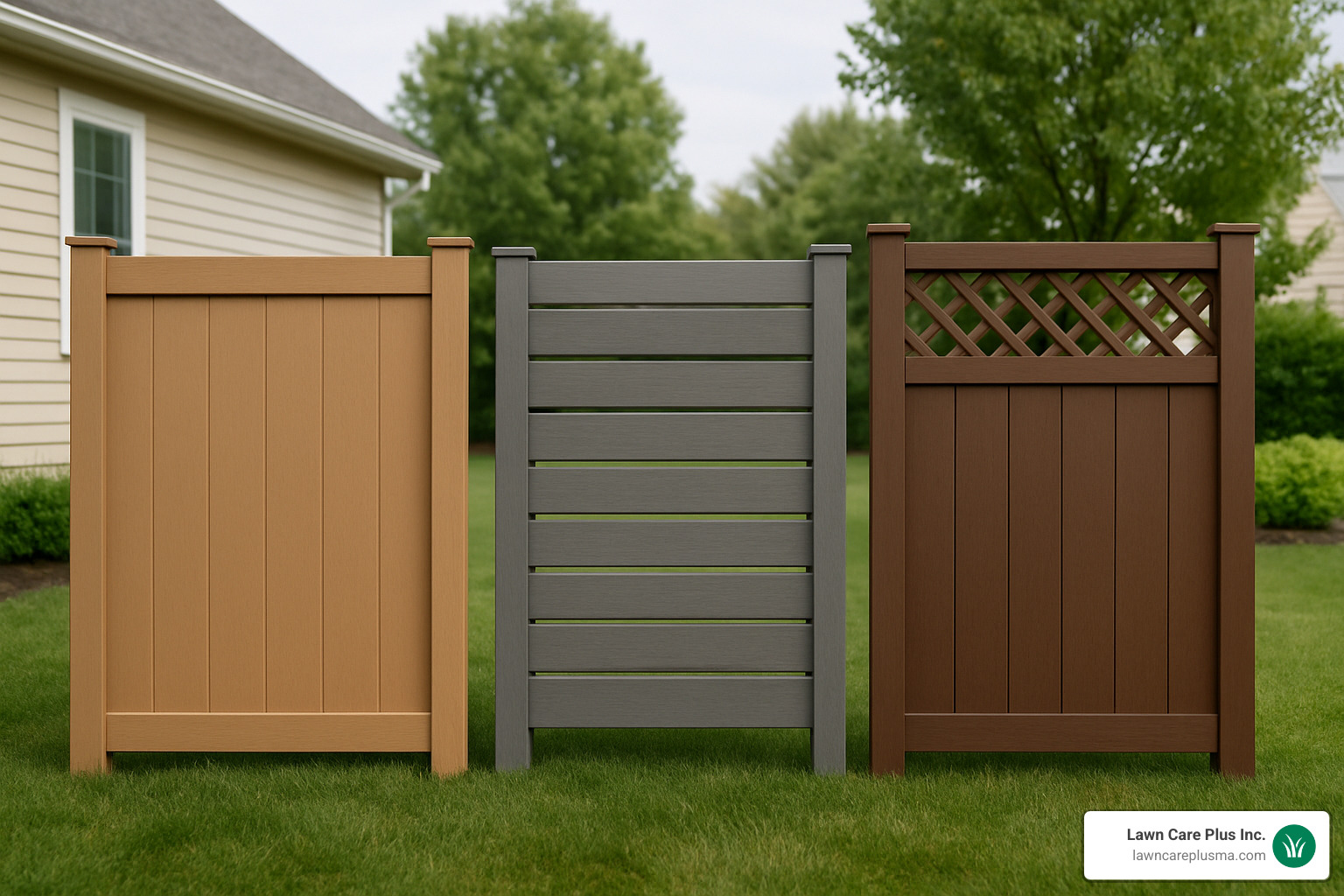
Privacy panels remain the most popular choice for good reason. These vertical interlocking picket designs create complete visual barriers while looking attractive from both sides of your fence. If you’re tired of nosy neighbors or want to create a peaceful backyard retreat, these board-on-board designs eliminate gaps entirely while providing excellent noise reduction.
For homeowners who prefer a more contemporary look, horizontal slat designs offer clean, modern lines that work beautifully with today’s architectural styles. These systems use horizontal rails supported by sturdy posts, creating that sophisticated appearance you see in upscale neighborhoods.
Lattice-top options give you the best of both worlds – privacy where you need it most at eye level, plus decorative elements above that allow light and air to flow through. This style works particularly well when you want attractive boundaries without feeling completely closed off from your surroundings.
The color selection keeps things simple but neat. Most manufacturers offer three earth-tone colors that blend naturally with any landscape: Saddle (a warm tan that complements traditional homes), Winchester Grey (a sophisticated gray perfect for contemporary designs), and Woodland Brown (a rich brown that looks great with natural stone and brick). These colors are heavily pigmented during manufacturing, so they’ll maintain their rich appearance for decades.
Decorative post caps add those finishing touches that make your fence look professionally designed rather than just functional. Crown post tops bring traditional elegance, pyramid caps offer contemporary appeal, and flat tops work perfectly for minimalist designs. These small details make a surprisingly big difference in your fence’s overall appearance.
For homeowners with specific security needs, composite fencing can accommodate improved locking mechanisms and anti-climb features without sacrificing its residential charm. Some families even request pet windows – small gaps or clear panels that let curious dogs see what’s happening on the other side while maintaining privacy for humans.
Customizing for Privacy, Security & Curb Appeal
Getting your fence design just right means balancing what you want with what’s actually allowed in your area. Most residential neighborhoods permit 6-foot fences in backyards and 4-foot fences in front yards, but these height rules vary by municipality. We always check local regulations before finalizing any design to avoid costly surprises later.
Wind load considerations become especially important for taller fences or properties in exposed areas. Quality composite fencing rated for 130 mph winds provides excellent durability, but proper installation techniques and correct post spacing are crucial for achieving that performance.
If you have a pool, pool codes require specific safety features that affect your fence design. These typically include self-closing gates, minimum height requirements, and gap limitations designed to keep small children safe. The good news is that composite fencing easily meets these requirements while looking great.
Many homeowners in planned communities need to consider HOA aesthetics when choosing their fence style and color. We’ve found that the earth-tone color options and classic styling of composite fencing typically satisfy even the pickiest architectural review boards.
Outdoor lighting integration can transform your fence from purely functional to genuinely beautiful. Post-mounted lights or integrated lighting systems work best when planned during the initial installation, creating both improved security and attractive evening ambiance.
Warranty & Minimal Maintenance Checklist
One of the most compelling reasons to choose composite fencing is the 25-year limited warranty that comes with quality materials. This comprehensive coverage includes manufacturing defects, structural integrity, and resistance to rot, decay, and insect damage – basically everything that typically goes wrong with traditional wood fencing.
The maintenance requirements are almost laughably simple compared to wood fencing. Your annual inspection involves checking for loose hardware, making sure gates swing smoothly, and verifying that water drains properly around posts. That’s it.
Soap-and-water cleaning handles virtually any dirt or debris that accumulates on your fence. A soft brush can help with stubborn spots, but you’ll never need harsh chemicals or high-pressure washing. In fact, aggressive cleaning methods can actually void your warranty.
Unlike wood fencing that demands regular staining, painting, or sealing every few years, composite materials are designed to maintain their appearance without any additional treatments. This maintenance-free approach saves both time and money while keeping your fence looking great for decades.
How to Choose Composite Fence Installers Near Me
The search for quality composite fence installers near me can feel overwhelming when you’re investing thousands in your property’s future. The good news? Taking a systematic approach to vetting contractors will help you find installers who deliver results that last decades.
Your first step should be verifying contractor licenses for your specific area. In Massachusetts, this means checking with the state licensing board to confirm current, active licenses. Licensed contractors have met minimum standards for experience and proven their financial responsibility – crucial factors when you’re trusting someone with a major home improvement project.
Insurance verification deserves equal attention, though many homeowners skip this critical step. Quality installers carry both general liability insurance and workers’ compensation coverage. Don’t just ask for proof – request certificates of insurance directly from their insurance company to verify current coverage. This protects you from liability if accidents happen on your property.
Local reviews tell the real story about how contractors treat their customers. Focus on recent Google reviews, Better Business Bureau ratings, and feedback from homeowners who completed similar projects. Look for patterns in what people say about quality, timeliness, and how well contractors communicate throughout the process.
The most valuable insight comes from references from recent customers. Quality contractors are proud of their work and readily provide contact information for previous clients. A quick conversation with someone who went through the same process can reveal details about everything from punctuality to cleanup quality.
Understanding what makes a contractor truly reliable helps ensure your investment pays off for decades. More info about Reliable Fence Company provides additional guidance on selecting qualified contractors who understand the unique requirements of composite fence installation.
Checklist for Hiring Composite Fence Installers Near Me
Interviewing potential composite fence installers near me requires asking the right questions to separate experienced professionals from general contractors who might be learning on your project.
Experience with composite materials should be your first focus. Installing composite fencing requires different techniques than traditional wood or vinyl. Ask specifically about their experience with the brand you’re considering, since installation methods can vary between manufacturers.
Detailed written estimates reveal a lot about professionalism and transparency. Quality contractors provide estimates that break down material and labor costs separately, making it easier to compare quotes fairly and understand exactly what you’re paying for.
Knowledge of local requirements separates experienced local installers from out-of-area contractors. They should be familiar with permit requirements, setback rules, and any HOA regulations that might affect your project. This expertise can save you time and prevent costly mistakes.
Watch for red flags that signal potential problems. Door-to-door solicitation, requests for full payment upfront, and estimates that seem too good to be true often lead to disappointing results. Contractors who can’t provide references or current insurance certificates should be avoided entirely.
Written contracts protect both you and your contractor by clearly defining expectations. Your contract should include detailed specifications, realistic timeline estimates, warranty information, and procedures for handling any changes during installation. Never proceed without comprehensive written agreements that spell out exactly what’s included in your project.
Where to Find Trusted Composite Fence Installers Near Me
Finding reliable composite fence installers near me starts with knowing where to look for contractors who have proven track records in your community.
Online directories like Angie’s List, HomeAdvisor, and the Better Business Bureau provide useful starting points with verified reviews and basic credential information. These platforms often include photos of completed projects and detailed customer feedback about the entire experience.
Word-of-mouth recommendations from neighbors, friends, and local hardware stores often yield the most honest insights. People who recently completed fence projects can share real experiences about everything from initial consultations to final cleanup. Local hardware store employees often know which contractors consistently deliver quality work.
Manufacturer networks can connect you with certified installers who’ve received specific training on particular composite fence systems. These contractors often have access to extended warranties and technical support that can benefit your project long-term.
Local building supply stores maintain relationships with contractors who regularly purchase materials and have established reputations in the business community. These recommendations often come with insights about reliability and quality of work.
Professional associations like the American Fence Association maintain member directories that help identify established contractors committed to industry standards and continuing education.
The Step-by-Step Installation Timeline
Understanding the installation process helps you know what to expect and ensures your contractor follows proper procedures for lasting results.
Site preparation begins every professional installation with utility marking and property line verification. This crucial first step prevents expensive damage to underground utilities and ensures your fence goes exactly where it should. Quality contractors coordinate with utility companies and surveyors as needed.
Post setting requires precision and patience for optimal results. Contractors dig holes to appropriate depths – typically one-third of the above-ground post height plus six inches – and set posts using concrete or specialized anchoring systems. Posts must cure for 24-48 hours before panel installation can begin.
Panel assembly connects composite pickets to rails using manufacturer-specified hardware and techniques. Experienced installers ensure proper spacing and alignment for optimal appearance and performance that lasts decades.
Gate installation requires precise measurements and quality hardware to ensure smooth operation and reliable security. Gates are typically installed last to prevent damage during panel installation and allow for final adjustments.
Final inspection includes checking all connections, testing gate operation, and thorough cleanup of the work area. Professional installers perform comprehensive quality checks and address any issues before considering your project complete.
Most residential composite fence installations take 1-3 days depending on project size and complexity. Weather conditions and any unexpected site challenges can affect timing, but experienced contractors provide realistic estimates and keep you informed throughout the process.
Regulations, Permits & HOA Rules You Must Know
Before you start dreaming about your beautiful new composite fence, let’s talk about the not-so-exciting but absolutely essential world of regulations and permits. Trust us, spending a little time understanding these requirements upfront will save you from headaches, delays, and potentially expensive do-overs down the road.
Most municipalities require permits for fences over certain heights, typically 6 feet in residential areas. The good news? The permit process is usually straightforward, though it does add a few days to your timeline and typically costs between $50-$200. Think of it as a small insurance policy that ensures your fence meets all local safety and aesthetic standards.
Setback requirements are probably the most important regulation to understand. These rules determine exactly how close your fence can be to property lines, streets, sidewalks, and neighboring structures. Violating setback requirements isn’t just embarrassing – it can require expensive fence relocation that nobody wants to deal with.
Every municipality has different setback rules, but they’re strictly enforced. Some areas require fences to be set back 2-3 feet from property lines, while others allow installation right up to the boundary. The key is knowing your local requirements before any digging begins.
Property line surveys might seem like an unnecessary expense, but they’re often worth every penny. Nothing ruins neighbor relationships quite like accidentally installing a fence on someone else’s property. A professional survey removes all guesswork and provides legal documentation of exact boundaries.
Utility marking is required by law in most areas and absolutely must be completed before any digging begins. The good news? This service is typically free and just requires calling 811 or your local utility marking service 2-3 business days before work starts. It’s a simple step that prevents potentially dangerous and expensive utility line damage.
Pool fencing regulations deserve special attention because they involve child safety. These requirements include specific height minimums (usually 4-6 feet), self-closing and self-latching gate hardware, and strict gap limitations to prevent small children from squeezing through. Pool fencing violations can result in serious legal liability, so compliance isn’t optional.
Here in Massachusetts, building codes include specific provisions for fence installation that account for our climate challenges. Posts must be set below the frost line (typically 4 feet deep in our area) to prevent frost heaving, and installations must meet structural standards for high-wind conditions.
Neighbor etiquette might not be legally required, but it’s often the smartest investment you can make in your project’s success. A simple conversation with adjacent property owners about your fence plans can prevent disputes and actually strengthen neighborhood relationships. Most neighbors appreciate being informed about projects that might affect their property views or access.
Some neighbors might even be interested in sharing costs for a fence that benefits both properties. We’ve seen many projects where good communication led to cost-sharing arrangements that made premium fencing affordable for everyone involved.
HOA regulations in planned communities often include specific requirements for fence materials, colors, heights, and styles. These rules exist to maintain community aesthetic standards and property values. While they might seem restrictive, they actually help ensure your fence investment aligns with neighborhood standards.
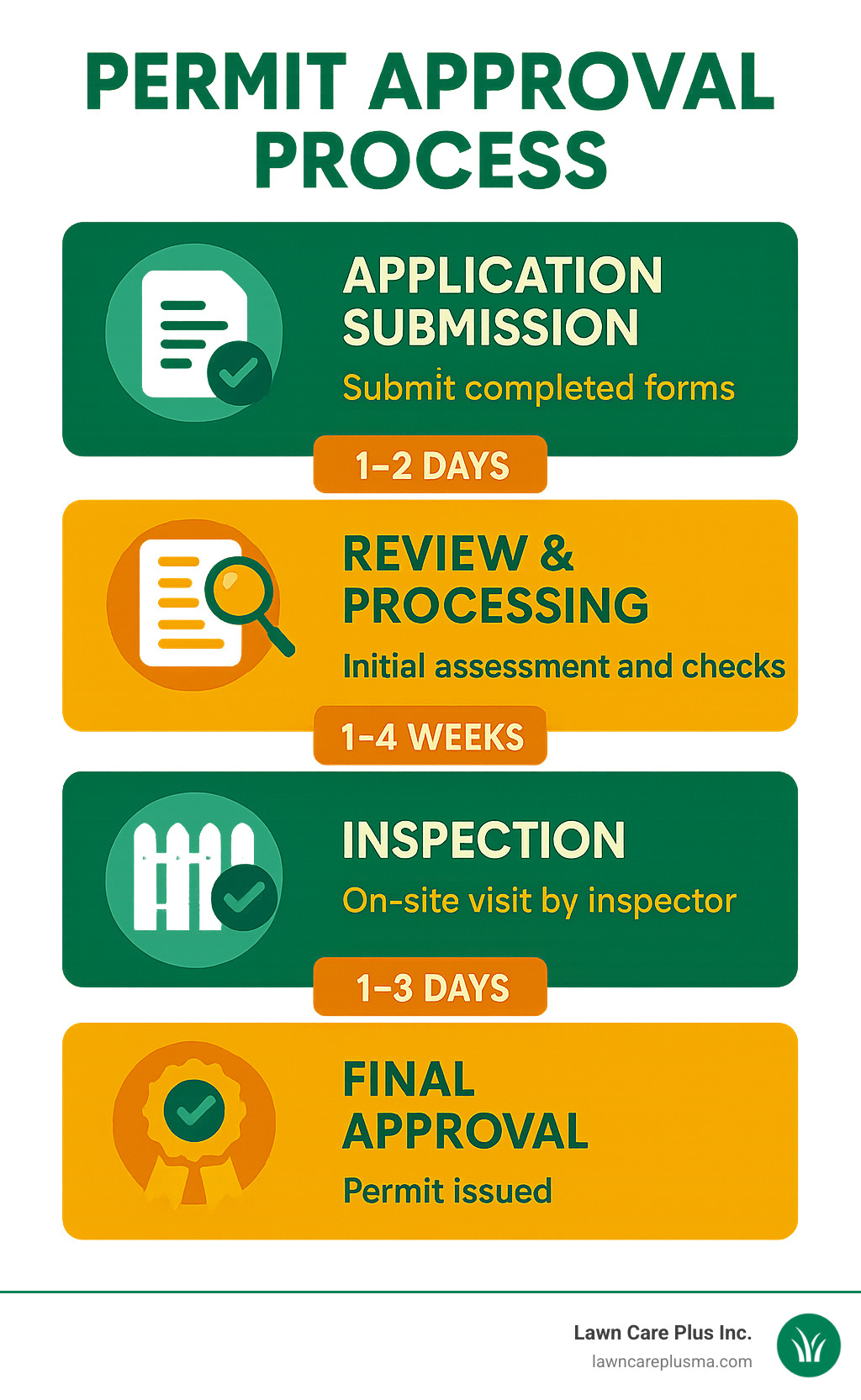
The permit approval process typically follows a predictable timeline. Application submission usually requires basic site plans and fence specifications. Review periods vary but commonly take 1-2 weeks for standard residential fencing. Final approval often includes conditions about installation methods or final inspections.
At Lawn Care Plus, we handle permit research and applications as part of our comprehensive service. We know the local requirements throughout the Boston Metro-West area and can guide you through the approval process efficiently. This expertise helps ensure your project starts on schedule and meets all regulatory requirements from day one.
Frequently Asked Questions about Composite Fence Installation
When homeowners are considering composite fence installers near me, they naturally have questions about what to expect. We’ve compiled the most common concerns we hear from our customers to help you make an informed decision.
How long does a composite fence really last?
Here’s the honest answer that might surprise you: a quality composite fence will easily outlast two or three wood fences. Most composite fencing comes with a 25-year warranty, but the reality is even better – many installations last 30 to 50 years or more with proper care.
Compare that to wood fencing, which typically starts showing serious wear after just 10-15 years. The difference comes down to the materials themselves. Composite fencing doesn’t rot, won’t be eaten by termites, and resists the weather damage that destroys traditional wood over time.
What affects how long your fence will last? Proper installation is crucial – that’s why choosing experienced installers matters so much. Local climate plays a role too, though composite materials handle New England’s harsh winters and humid summers remarkably well. The minimal maintenance we’ll discuss below also helps maximize your fence’s lifespan.
The 25-year warranty isn’t just marketing speak. Manufacturers offer this coverage because they’re genuinely confident in their product’s long-term performance. It’s rare to see warranty claims within the first two decades of installation.
What ongoing maintenance is required?
This is where composite fencing really shines, and it’s honestly one of the main reasons our customers choose it. The maintenance routine is so simple it barely qualifies as “maintenance” at all.
Soap and water cleaning once or twice a year handles most situations. We’re talking about the same gentle soap you’d use to wash your car – nothing harsh or expensive. A soft brush helps remove any stubborn pollen or debris, but most dirt rinses right off.
Annual gate inspection takes about five minutes. Just check that latches work smoothly and hinges move freely. If you notice any hardware getting loose, a quick tightening usually solves the problem.
Here’s what you’ll never need to do: paint, stain, seal, or replace rotted boards. Those weekend projects that wood fence owners dread simply don’t exist with composite materials. No more trips to the hardware store for stain and brushes, no more scheduling around weather for painting projects.
The only seasonal consideration is making sure drainage around posts stays clear during heavy rains or snow melt. Good drainage was built into your installation, but keeping it clear helps everything last longer.
Do I need a permit for my new fence?
Most homeowners are surprised to learn that permits are usually required for fence installation, especially for privacy fences over 6 feet tall. The good news? This process is much simpler than it sounds, and we handle it for you.
In Massachusetts, permits are typically needed for fences over 6 feet in height or any fencing in front yard areas. The specific requirements vary by town – some communities have additional rules about materials, colors, or placement near streets.
The permit process involves submitting a basic site plan showing where your fence will go, how tall it will be, and what style you’re installing. Processing usually takes 1-2 weeks, though some towns are faster. Costs typically range from minimal fees to a few hundred dollars, depending on your local requirements.
Here’s why permits actually protect you: they ensure your fence meets local safety codes and setback requirements. This prevents expensive problems later, like having to move or modify your fence because it violates local rules.
We handle all permit applications as part of our comprehensive service. Our team knows the specific requirements for communities throughout the Boston Metro-West area, so you don’t have to research regulations or make multiple trips to town hall. We submit everything correctly the first time and keep your project on schedule.
The permit process also includes utility marking, which is required by law before any digging begins. This free service takes 2-3 business days and prevents dangerous accidents with underground power, gas, or water lines.
Conclusion & Next Steps
Finding the right composite fence installers near me can feel overwhelming with so many options available, but the investment in quality installation pays dividends for decades. Composite fencing delivers that perfect sweet spot where beauty meets practicality – giving you the privacy and security you want without the endless weekend maintenance projects that come with traditional wood fencing.
At Lawn Care Plus Inc., we’ve been changing outdoor spaces throughout the Boston Metro-West area for years, and we understand that your fence is more than just a boundary. It’s part of your home’s personality and your family’s daily life. That’s why we take a comprehensive approach to every composite fence project, handling everything from the initial design conversation through the final cleanup.
Our team knows Massachusetts weather can be tough on outdoor installations. We’ve seen how proper installation techniques and quality materials make the difference between a fence that looks great for a few years and one that stays beautiful for decades. When you work with us, you’re getting installers who understand local soil conditions, frost lines, and the specific challenges that come with New England weather patterns.
The design-to-install approach we use means you won’t get passed between different teams or have to repeat your vision multiple times. From that first free site visit where we walk your property and discuss your goals, through permit handling and professional installation, you’ll work with experienced professionals who care about getting every detail right.
We know that choosing composite fencing represents a significant investment in your property. That’s why we take time to explain your options, answer all your questions, and make sure you feel confident about your decision. Whether you’re looking to create a private backyard retreat, add security around a pool area, or simply define your property boundaries with style, we’ll help you design a solution that fits your specific needs and budget.
Ready to see what composite fencing can do for your property? We’d love to schedule a free site visit to discuss your vision and show you the possibilities. There’s no pressure – just honest advice from local professionals who take pride in creating outdoor spaces that families enjoy for years to come.
More info about our services provides complete details about our comprehensive landscaping and hardscaping capabilities, including our expertise in composite fence installation throughout the Boston Metro-West area.