
Why Understanding Permit Requirements Matters for Your Driveway Project
Do I need a permit to replace an existing driveway? The answer depends on several key factors that every Massachusetts homeowner should understand before starting their project.
Quick Answer:
- NO permit needed: Simple repaving, resurfacing, or sealing cracks without changing size or location
- YES permit required: Expanding the driveway, changing materials, altering the footprint, or modifying curb cuts
- Check locally: Requirements vary significantly between Boston Metro-West municipalities
Planning a driveway replacement can feel overwhelming, especially when you’re unsure about permit requirements. The rules aren’t the same everywhere – what applies in Newton might be different from Brookline or Wellesley.
The stakes are higher than you might think. Skipping required permits can lead to hefty fines, stop-work orders, and even forced removal of your new driveway. On the flip side, unpermitted work can void your homeowner’s insurance and create major headaches when you try to sell your home.
But here’s the good news: understanding when you need a permit isn’t as complicated as it seems. Most municipalities follow similar patterns, and once you know what triggers permit requirements, you can plan your project with confidence.
Whether you’re dealing with a cracked asphalt driveway that needs replacement or considering an upgrade to beautiful pavers, getting the permit question right from the start will save you time, money, and stress down the road.
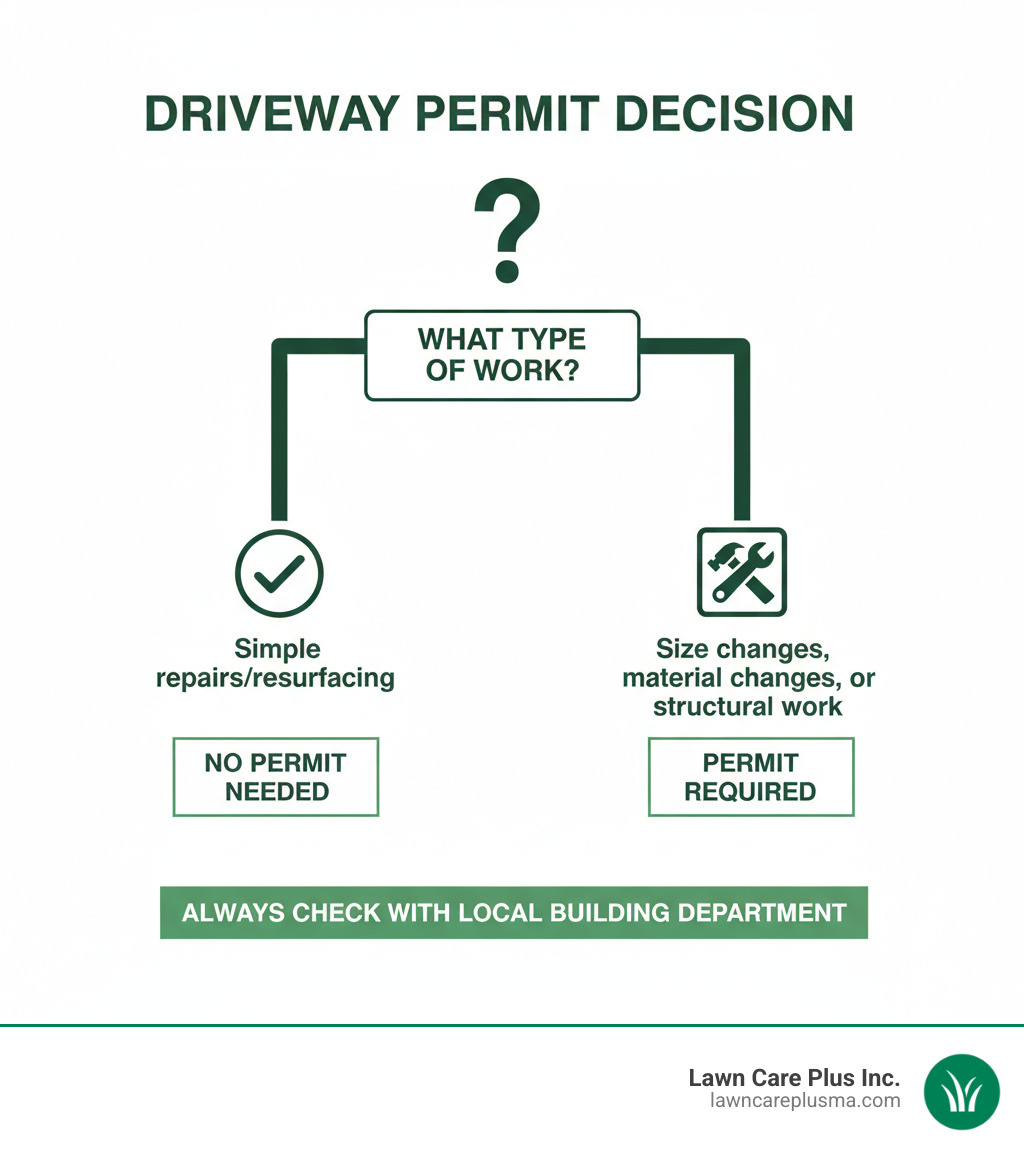
Do i need a permit to replace an existing driveway word roundup:
Understanding Driveway Permits and Why They Matter
A building permit is official permission from your city or town to proceed with a project safely and legally. In Massachusetts, home improvement projects are regulated to ensure safety, as outlined by the Massachusetts law about home improvement. These rules protect you, your neighbors, and the community.
For driveways, permits ensure your project meets building codes, follows zoning ordinances, and avoids drainage or water runoff problems.
The Purpose of a Permit
Code compliance is key. Local building codes are mandatory requirements covering everything from base material depth to the type of concrete or asphalt used. Following them ensures your driveway will last for years.
Safety standards are also critical. A poorly built driveway can be a dangerous liability, and the inspection process that comes with a permit provides quality assurance, catching problems before they become expensive headaches.
The permit process also ensures structural integrity and the use of proper materials, so you’re not cutting corners with substandard products. If you’re working with professionals, check out our guide on Driveway Replacement Contractors to understand what to look for.
How Permits Protect Your Investment
Permits are like an insurance policy for your project. Avoiding fines and preventing stop-work orders are major benefits, as unpermitted work can lead to hefty penalties or even forced removal of the new driveway.
Ensuring legal construction protects you during future property sales. Permitted work gives buyers confidence, while unpermitted work can be a deal-breaker or lower your asking price.
Your homeowner’s insurance coverage also depends on legal, permitted work. If an accident occurs related to unpermitted construction, your insurance company might deny the claim, leaving you liable.
The bottom line? Answering Do I need a permit to replace an existing driveway? correctly protects your wallet and peace of mind. A properly permitted project adds real value to your home, a topic we explore in Does Replacing Driveway a Good Investment.
So, do I need a permit to replace an existing driveway?
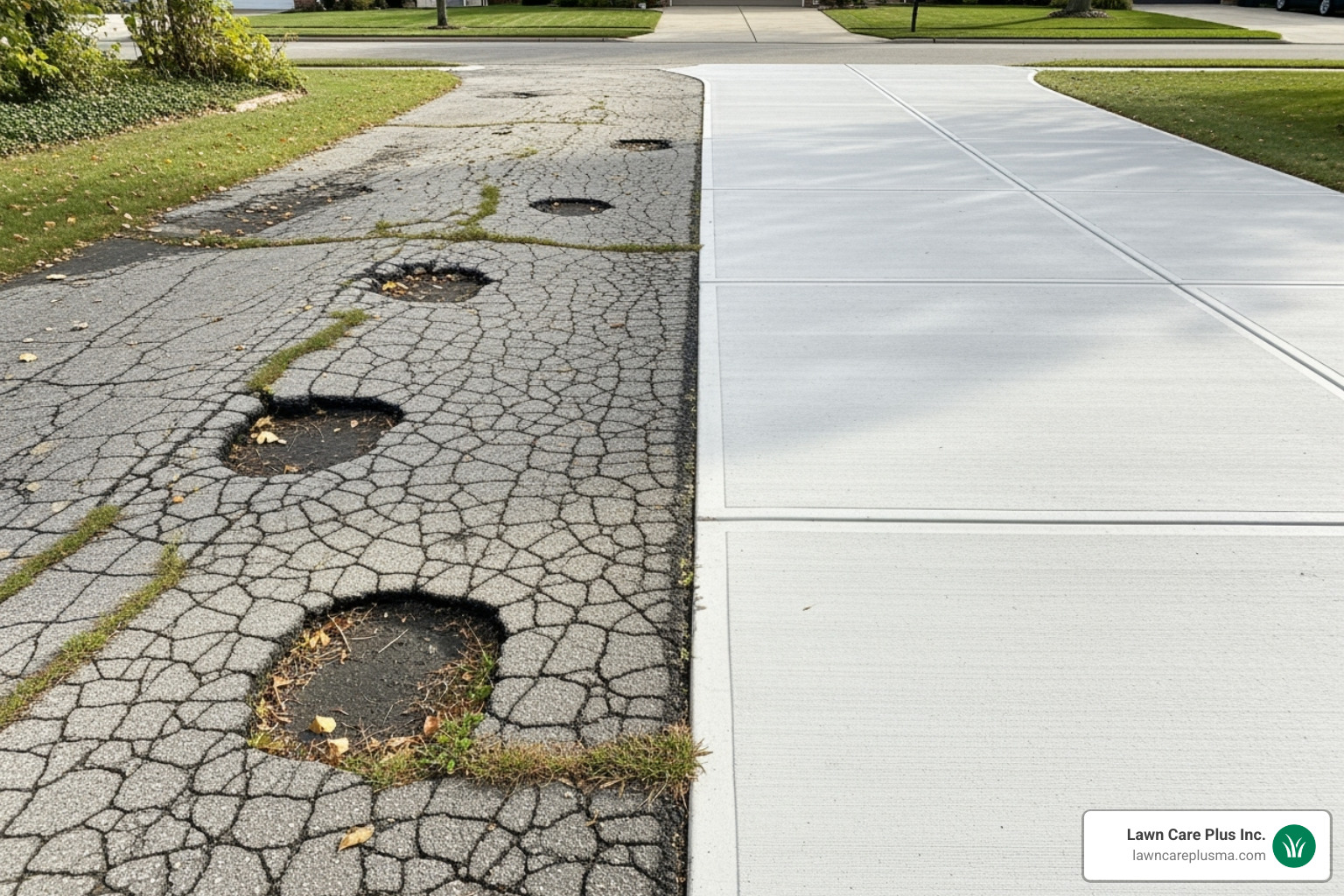
The answer to do I need a permit to replace an existing driveway depends on your project’s scope. Permit requirements vary significantly between Massachusetts towns like Newton, Brookline, and Wellesley. However, most Boston Metro-West municipalities follow a similar pattern.
The key question is: Are you making significant changes to your existing driveway? Simple repairs are often exempt, but expanding, relocating, or changing materials usually requires a permit.
When You Likely DON’T Need a Permit
You likely don’t need a permit for routine maintenance. This includes:
- Simple repairs like filling cracks or patching holes.
- Resurfacing or repaving an existing driveway without changing its footprint.
- Any project with no change in size, location, or material.
For homeowners dealing with minor issues, our guide on Driveway Repair can help you explore your options.
When You Almost ALWAYS Need a Permit
Permits are almost always required for significant changes, such as:
- New driveway installation where one did not previously exist.
- Expanding your existing driveway by making it wider or longer.
- Changing the footprint or altering the location of the driveway.
- Changing materials (e.g., from asphalt to pavers), which involves different structural and drainage considerations. If you’re considering an Asphalt Driveway Replacement with a new material, check local rules.
- Modifying your curb cut or driveway approach, as this affects the public right-of-way and often requires an Encroachment Permit.
- Adding a culvert or making other structural changes like significant excavation or adding retaining walls.
Special Considerations That Affect Permit Requirements
Other factors can also trigger permit needs:
- Homeowners Association (HOA) rules may have their own requirements, even if the town doesn’t require a permit.
- Historical districts often have strict regulations on materials and design.
- Any work in the public right-of-way (the area between your property and the street) will almost certainly require an Encroachment Permit.
- Projects affecting drainage systems or stormwater runoff may need a permit to ensure proper water management, especially when changing hardscaping like a Cement Sidewalk Repair.
When in doubt, a quick call to your local building department is the best way to avoid costly headaches.
Your Step-by-Step Guide to the Driveway Permit Process
Navigating the permit process is easier when broken into steps. While specifics vary by town, the general process is consistent across Massachusetts and will help you answer the do I need a permit to replace an existing driveway question. Preparation and understanding local requirements are key to a smooth process.
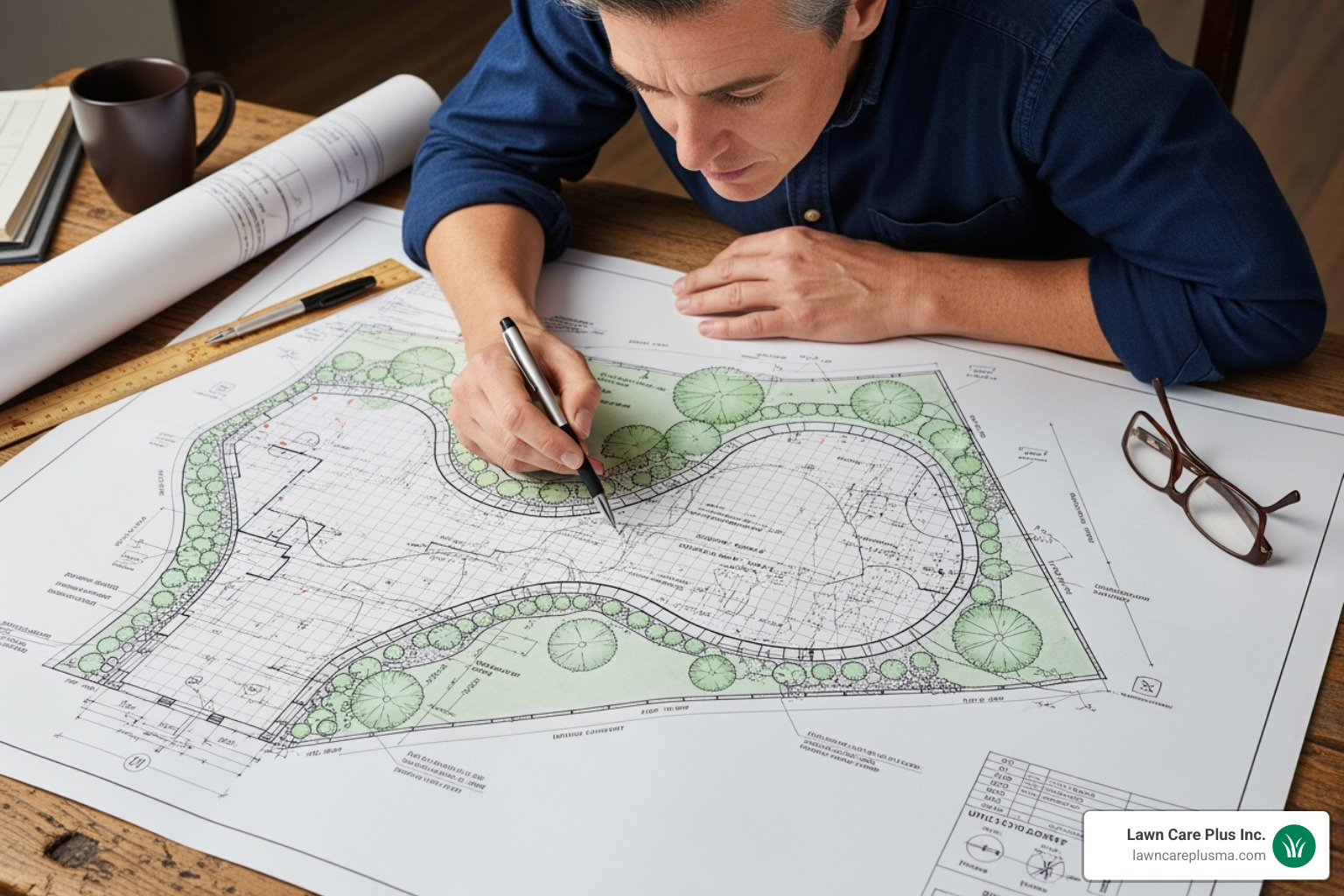
Step 1: Check Your Local Massachusetts Requirements
This step is crucial because requirements vary significantly between towns like Newton, Brookline, and Wellesley. Never assume rules are the same everywhere.
- Contact your local government: Start with a call to your city or town’s building, planning, or public works department.
- Check municipal websites: Look for “Building Permits” or “Zoning Ordinances” sections. Sites like Brookline, MA’s FAQ section or Newton, MA’s Inspectional Services page are great resources.
- Review zoning bylaws: Pay attention to details like setbacks, impervious surface limits, and driveway widths. A reputable contractor can also provide guidance.
Step 2: Prepare Your Application Documents
Once you confirm a permit is needed, gather your paperwork. A complete application ensures a smoother process. You will likely need:
- The permit application form from your town.
- A site plan or plot plan showing property lines, existing structures, and the proposed driveway with dimensions, materials, and distances from property lines.
- A detailed materials list (e.g., “6 inches of concrete with wire mesh over 4 inches of gravel base”).
- Contractor’s license and insurance information if you are hiring a professional.
Your local building department will specify if other documents, like engineering drawings, are required.
Step 3: Submit, Wait, and Plan for Inspections
Follow your town’s specific submission process, whether it’s online, in-person, or by mail.
Be prepared for permit fees. Based on our research of various Massachusetts municipalities, driveway permit fees typically range from $40 to over $300. These are average costs based on internet data and not actual costs for Lawn Care Plus.
Allow for processing time, which can be up to two weeks or more for residential applications. Work cannot legally begin until the permit is approved.
Plan for inspections. You’ll need to schedule inspections at key stages, such as a base material inspection before paving and a final inspection upon completion. This process ensures the work meets safety standards and local codes, acting as quality control for your investment.
The Consequences of Skipping a Permit vs. the Benefits of Compliance
It can be tempting to skip the permit process, but the consequences of unpermitted work are far more expensive and stressful than handling the paperwork upfront.
The Risks of Unpermitted Work
Skipping a required permit can quickly snowball into a costly nightmare. The risks include:
- Stop-work orders and hefty fines: Code enforcement can shut down your project and issue fines that are often triple the original permit fee, plus daily penalties.
- Forced removal: In some cases, you may be forced to tear out the new driveway at your own expense if it violates code.
- Voided homeowner’s insurance: If an accident occurs related to the unpermitted work, your insurance may deny coverage, leaving you personally liable.
- Problems selling your home: Unpermitted work can kill a sale, force price reductions, or require you to get expensive retroactive permits.
The Benefits of Securing a Permit
Conversely, securing the proper permits provides peace of mind, and the benefits far outweigh the hassle.
- Legal protection: A permitted driveway replacement ensures you are in full compliance with local laws, avoiding surprise fines or legal issues.
- Quality assurance: The inspection process catches problems like improper drainage or a poor base before they become expensive disasters.
- Increased property value: A properly permitted driveway is a verified asset that gives buyers confidence. Understanding the Cost of Replacing Driveway, including permit fees, is a smart investment.
- Smoother project execution: Having clear guidelines and professional oversight ensures your project is done right from the start. Answering do I need a permit to replace an existing driveway correctly is about protecting your investment.
Frequently Asked Questions about Driveway Permits
We get tons of questions about driveway permits from homeowners throughout the Boston Metro-West area. It’s completely understandable – the permit world can feel like a maze sometimes! Let’s tackle the most common concerns we hear.
How much does a driveway permit cost in Massachusetts?
Here’s the thing about permit costs: they’re all over the map depending on which Massachusetts town you call home. We’ve seen fees as low as $40 for simple projects and as high as $300 or more for complex installations that require extensive review.
Some towns keep it simple with flat fees – maybe $50 regardless of your project size. Others get more detailed, calculating costs based on your project’s scope, estimated value, or total square footage. A basic resurfacing might cost you that lower fee, while expanding your driveway or switching from asphalt to decorative pavers could push you toward the higher end.
These are average costs based on internet data and not actual costs for Lawn Care Plus. Your best bet? Call your town’s building department directly for the exact numbers. They’ll tell you exactly what you’re looking at based on your specific project.
Can my contractor handle the permit process for me?
Absolutely! In fact, we think it’s one of the smartest moves you can make. Experienced contractors like our team at Lawn Care Plus Inc. have been through this process countless times. We know exactly which forms to fill out, what documentation your town requires, and how to avoid the common pitfalls that can delay approval.
The beauty of having your contractor manage permits is that we already speak the language of building departments. We understand the technical requirements, have relationships with local inspectors, and can often spot potential issues before they become problems.
Here’s an important detail though: while your contractor can handle all the paperwork and submissions, you as the homeowner remain ultimately responsible for ensuring the work meets code requirements. Think of it as your contractor being your expert guide, but you’re still the one accountable for the final result.
Working with reputable contractors who prioritize proper permits gives you peace of mind and often saves time in the long run. For insights on choosing the right professional for your project, check out our guide on Driveway Replacement Contractors.
What is the difference between a driveway permit and a curb cut permit?
This question comes up constantly, and honestly, the terminology can be pretty confusing! The key difference comes down to where the work is happening – on your property versus on public property.
A driveway permit (sometimes called a building permit for driveways) covers all the construction work that happens on your private property. This ensures your new driveway meets local building codes for things like proper base materials, adequate drainage, and structural integrity. Think of this as permission to build the driveway itself.
A curb cut permit (also called an encroachment permit) is entirely different. This covers any work that happens in the public right-of-way – the area between your property line and the street. This includes lowering the curb to create vehicle access and paving the “driveway approach” that connects your private driveway to the public street.
Here’s where it gets interesting: many projects need both permits. If you’re simply repaving your existing driveway without changing where it connects to the street, you might only need the driveway permit. But if you’re widening your driveway, changing its location, or creating a new connection to the street, you’ll likely need both.
The curb cut permit is especially important because that work affects public infrastructure – sidewalks, storm drains, and street access. Towns are very particular about this area since it impacts everyone’s safety and the proper flow of stormwater.
When in doubt about “do I need a permit to replace an existing driveway” and which type, your contractor or local building department can clarify exactly what your specific project requires.
Let the Experts Handle Your Driveway Project
Navigating the permit process for your driveway replacement doesn’t have to feel overwhelming. Throughout this guide, we’ve explored the important question: do I need a permit to replace an existing driveway? The answer, as we’ve finded, depends on your project’s scope and your specific town’s regulations here in Massachusetts.
Here’s what you need to remember: Always check with your local municipal building or public works department before starting any work that changes your driveway’s size, location, materials, or street connection. This simple step can save you from costly fines, frustrating delays, and major headaches later.
The complexity of permit requirements can vary dramatically between neighboring towns in the Boston Metro-West area. What’s perfectly fine in one community might require multiple permits in another. That’s why having experienced professionals on your side makes such a difference.
At Lawn Care Plus Inc., we’ve been helping Massachusetts homeowners steer these exact challenges for years. As a trusted landscaping and hardscaping company serving the Boston Metro-West area, we understand the ins and outs of local regulations. Our experienced team has worked with building departments across the region, and we know exactly what documentation each town requires.
When you work with us, you’re not just getting expert driveway installation and replacement services. You’re getting peace of mind knowing that your project will be handled professionally from start to finish. We’ll guide you through the permit process, ensure full compliance with local codes, and deliver a beautiful, durable driveway that adds real value to your home.
Why stress about permit applications, inspection schedules, and code requirements when you could be planning how to enjoy your beautiful new driveway? Let our team handle the technical details while you focus on the exciting part – choosing materials and envisioning your home’s improved curb appeal.
Whether you’re dealing with a cracked asphalt surface that needs complete replacement or dreaming of upgrading to neat pavers, we’re here to make your project smooth and successful. From initial design consultation to final inspection, we ensure your investment is protected every step of the way.
Ready to get started? Contact us today to discuss your driveway project and find why so many homeowners in the Boston Metro-West area trust Lawn Care Plus Inc. for their hardscaping needs.
