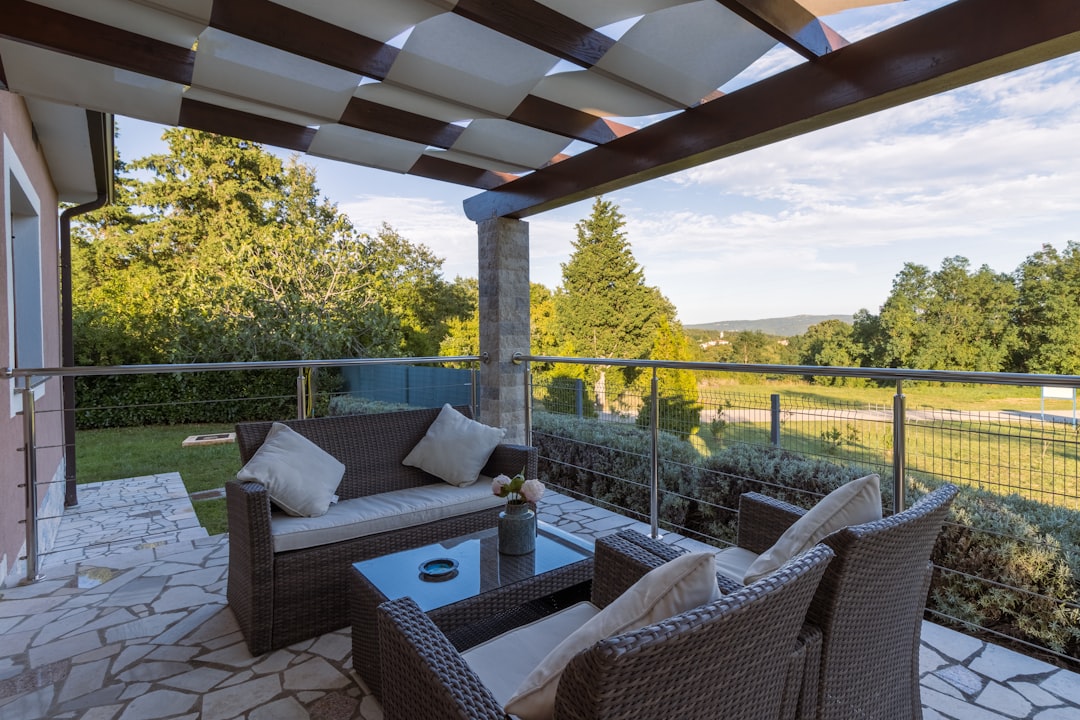
Finding a trustworthy Patio Installer is crucial for changing your outdoor living space into a functional and beautiful extension of your home.
For homeowners and property managers in the Boston Metro-West area, creating an inviting outdoor living space can vastly increase property value and improve the enjoyment of your home. Whether you’re dreaming of a serene patio for relaxation or a lively area for gatherings, a reliable patio installer can turn those visions into reality.
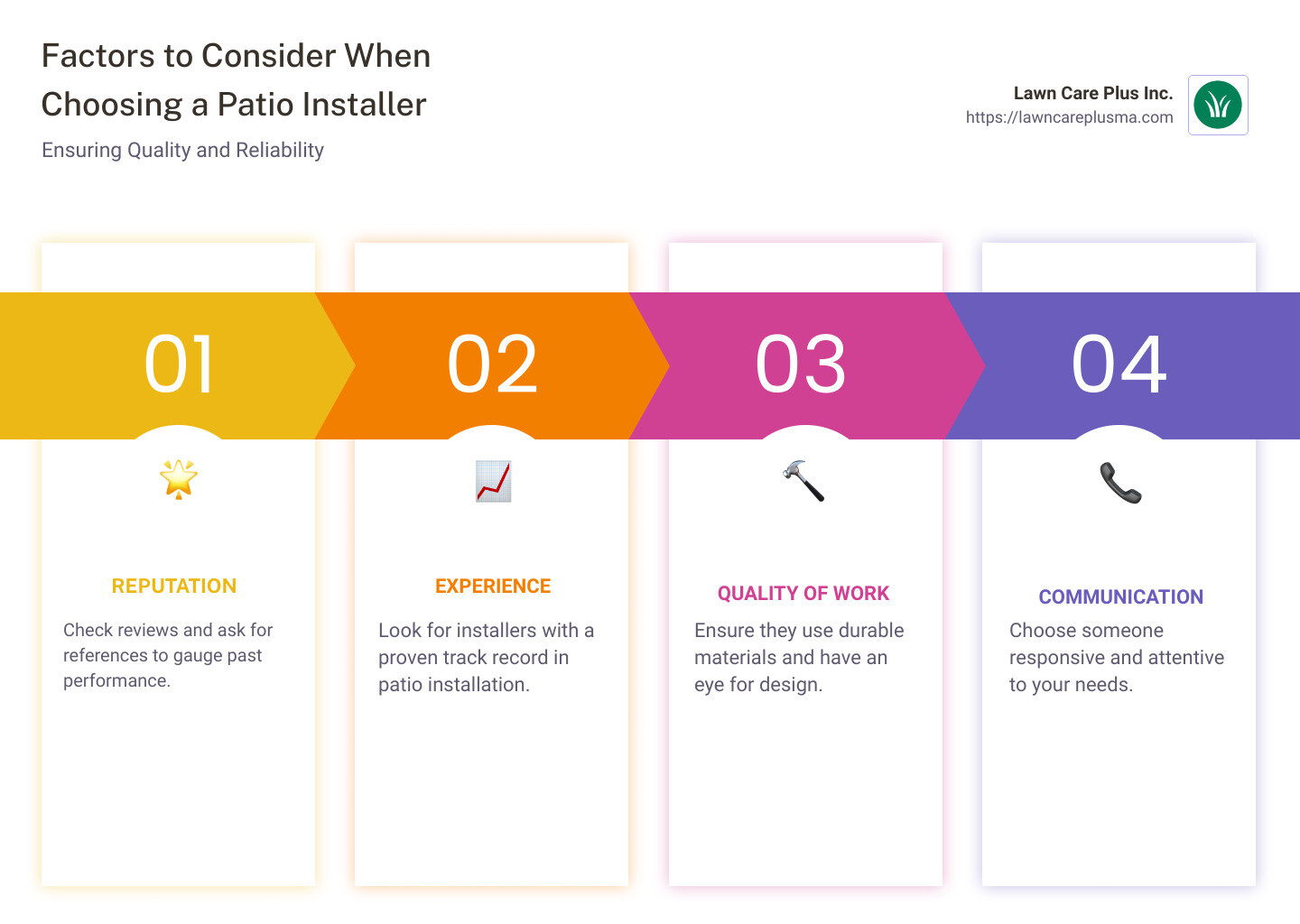
- Reputation Matters: Always check reviews and ask for references.
- Experience Counts: Look for installers with a proven track record.
- Quality of Work: Ensure they use durable materials and have an eye for design.
- Clear Communication: They should be responsive and attentive to your needs.
The right patio installer will not only bring your design ideas to life but also ensure the work is durable and withstands the seasons.
Simple Patio Installer word guide:
– patio builders
– patio construction
– patio contractor
Understanding Patio Installation
When planning to install a patio, understanding the key elements involved can help you make informed decisions. Let’s break down the essentials of patio installation, focusing on materials, design, and labor costs.
Types of Patio Materials
Choosing the right material for your patio is crucial. Each option offers unique benefits and aesthetic appeal.
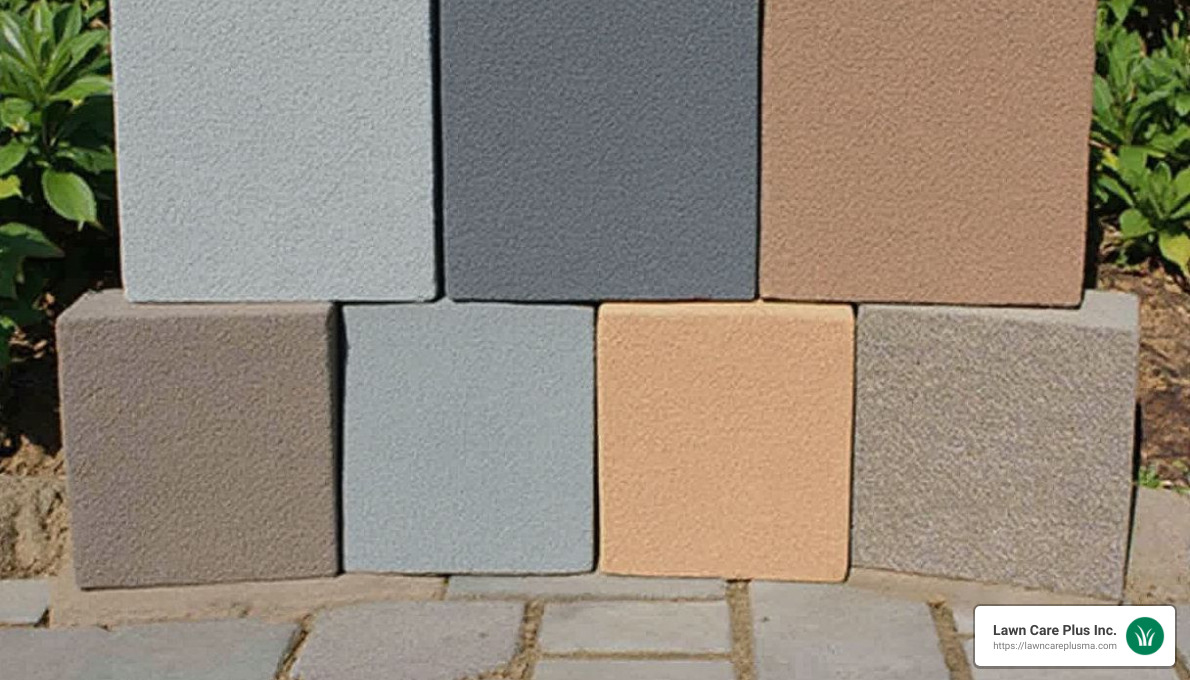
- Stone: Known for its natural beauty and durability, stone is a popular choice for patios. Options like bluestone and flagstone provide an earthy feel, making them ideal for those who want a natural look.
- Brick: For a classic and traditional appearance, brick is an excellent choice. It offers a crisp, clean look and is perfect for colonial-style homes.
- Pavers: Made from concrete, pavers mimic the appearance of stone but are more affordable. They provide a uniform look and are versatile in design.
Benefits of a Patio
Installing a patio offers several advantages that go beyond aesthetics.
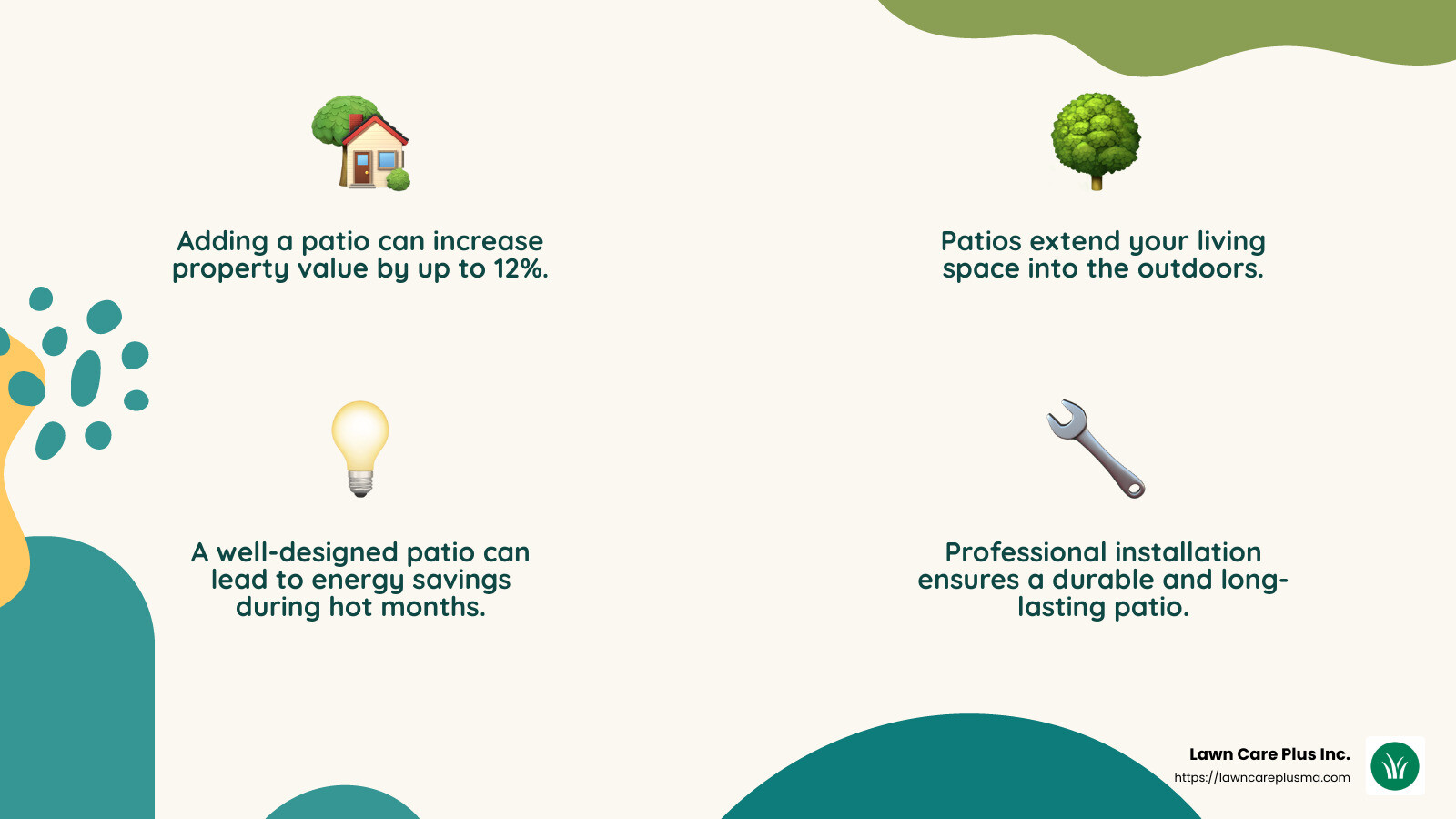
- Increased Property Value: A well-designed patio can boost your home’s market value. It’s a desirable feature for potential buyers who enjoy outdoor entertaining.
- Expanded Living Space: A patio extends your living area outdoors, providing a space for dining, entertaining, or simply relaxing. With the right furniture, it can become an outdoor living room.
- Energy Cost Savings: Spending time outside can reduce your reliance on indoor cooling during hot months. Features like pergolas or awnings can provide shade, making your home more energy-efficient.
Labor Costs
Labor costs are a significant part of patio installation. Hiring professionals ensures the job is done right, saving you from potential issues like uneven surfaces or drainage problems. While DIY might seem cost-effective, professional installation guarantees quality and longevity.
Investing in a patio installer who understands the nuances of materials and design will ensure your patio not only looks good but also stands the test of time.
How to Choose a Patio Installer
Choosing the right patio installer is crucial for a successful project. Here are the key qualities to look for in a reliable installer:
Key Qualities of a Reliable Installer
A good installer offers comprehensive services that cover every aspect of the project. This includes site preparation, base installation, and finishing touches. Professional services ensure that each step is handled with expertise, leading to a high-quality patio.
- Experience
Experience matters. Look for installers with a proven track record in patio installation. Experienced professionals are familiar with a variety of materials and designs, which means they can offer valuable advice and solutions custom to your needs.
- Customer Reviews
Check reviews and testimonials from previous clients. Positive feedback is a strong indicator of reliability and quality work. If possible, visit completed projects to see the quality of their work firsthand.
- Expertise
Expertise in materials and design is essential. A knowledgeable installer will guide you in choosing the right materials and design elements that fit your budget and aesthetic preferences. Whether it’s stone, brick, or pavers, they should help you make informed decisions.
- Communication
Clear communication is key. Your installer should be easy to reach and willing to discuss your ideas and concerns. Good communication ensures that your project stays on track and any issues are addressed promptly.
- Project Management
Effective project management means your patio will be completed on time and within budget. A reliable installer will have a clear timeline and manage all aspects of the project, from permits to final touches, ensuring a smooth process.
By focusing on these qualities, you can find a patio installer who will deliver a beautiful and durable outdoor space that improves your home.
Cost Considerations for Patio Installation
When planning a patio, understanding the costs involved is essential to avoid surprises. Here’s what you need to know:
Budgeting
Start by setting a realistic budget. Consider all expenses, including materials, labor, and any additional features you want, like lighting or seating areas. A well-planned budget can prevent unexpected costs and keep your project on track.
Labor Costs
Labor is a significant part of the overall cost. Hiring a professional patio installer ensures quality, but it comes at a price. According to research, professional installation includes site preparation, base preparation, and finishing touches, which all add to the labor costs. However, this investment can save you time and potential headaches.
DIY vs Professional
Going the DIY route might seem cheaper initially, but it requires time, skills, and tools. Mistakes can lead to costly repairs. On the other hand, professionals bring expertise and efficiency. They handle complex tasks like earthmoving and engineering, ensuring a durable and beautiful patio.
Material Choice
The materials you choose greatly affect costs. Stone is durable and beautiful but can be expensive. Brick offers a traditional look and is mid-range in price. Pavers are more affordable and versatile. Each material has its pros and cons, so choose based on your budget and style preference.
Project Size
The size of your patio directly impacts the cost. Larger patios require more materials and labor, increasing the overall expense. It’s crucial to balance your desired patio size with your budget to avoid overspending.
Location
Your location can also influence costs. Factors like local labor rates, availability of materials, and permit fees vary by region. For instance, in areas like Boston Metro-West, these elements might differ from other regions. Consider these local factors when estimating your budget.
By taking these factors into account, you can make informed decisions and ensure your patio installation stays within budget.
Frequently Asked Questions about Patio Installation
How much does a 20×20 patio cost?
The cost of a 20×20 patio can vary widely based on the materials you choose. A concrete patio is often the most budget-friendly option, with costs generally ranging from $1,200 to $2,500. This includes basic materials and labor. If you opt for more premium materials like stone or brick, expect the price to increase significantly. Stone patios can range from $3,000 to $5,000 or more, depending on the type of stone and labor involved. It’s important to get a detailed estimate from your patio installer to understand all potential costs.
What is the cheapest way to replace a patio?
If you’re looking to replace a patio on a tight budget, consider using gravel or reclaimed materials. Gravel is an affordable option that provides good drainage and a rustic look. It typically costs between $1 and $3 per square foot, making it an economical choice. Reclaimed materials like old bricks or stones can also be cost-effective and environmentally friendly. These materials can often be sourced for free or at a reduced cost from salvage yards or online marketplaces. While these options might save you money, they may require more maintenance over time compared to traditional materials.
How long does it take to install a patio?
The installation time for a patio depends on several factors, including the size of the patio, the complexity of the design, and the materials used. For a standard 20×20 concrete patio, the process might take about 3 to 5 days, including site preparation and finishing touches. More complex designs or materials like stone might extend the timeline to a week or more. Labor is a crucial factor here; experienced professionals can often complete the job more efficiently than a DIY approach. Always discuss timelines with your chosen patio installer to set realistic expectations.
Understanding these aspects can help you plan your patio project more effectively and ensure a smooth installation process.
Conclusion
In wrapping up, selecting the right patio installer is crucial to creating the outdoor space of your dreams. At Lawn Care Plus Inc., we pride ourselves on offering comprehensive services to meet all your landscaping and hardscaping needs in the Boston Metro-West area. From patio installations to lawn maintenance, our experienced team is dedicated to delivering quality and satisfaction.
Our wide range of services means you can rely on us for everything from designing and installing beautiful patios to maintaining your lawn year-round. We understand the local environment and tailor our services to fit the unique needs of our clients, ensuring that every project improves both the beauty and functionality of your outdoor space.
If you’re considering a new patio or need help with other landscaping projects, reach out to us. We’re here to help you transform your outdoor spaces into inviting areas where you can relax, entertain, and enjoy the seasons.
For more details or to request an estimate, visit our contact page or give us a call. We look forward to working with you to create the perfect outdoor retreat.