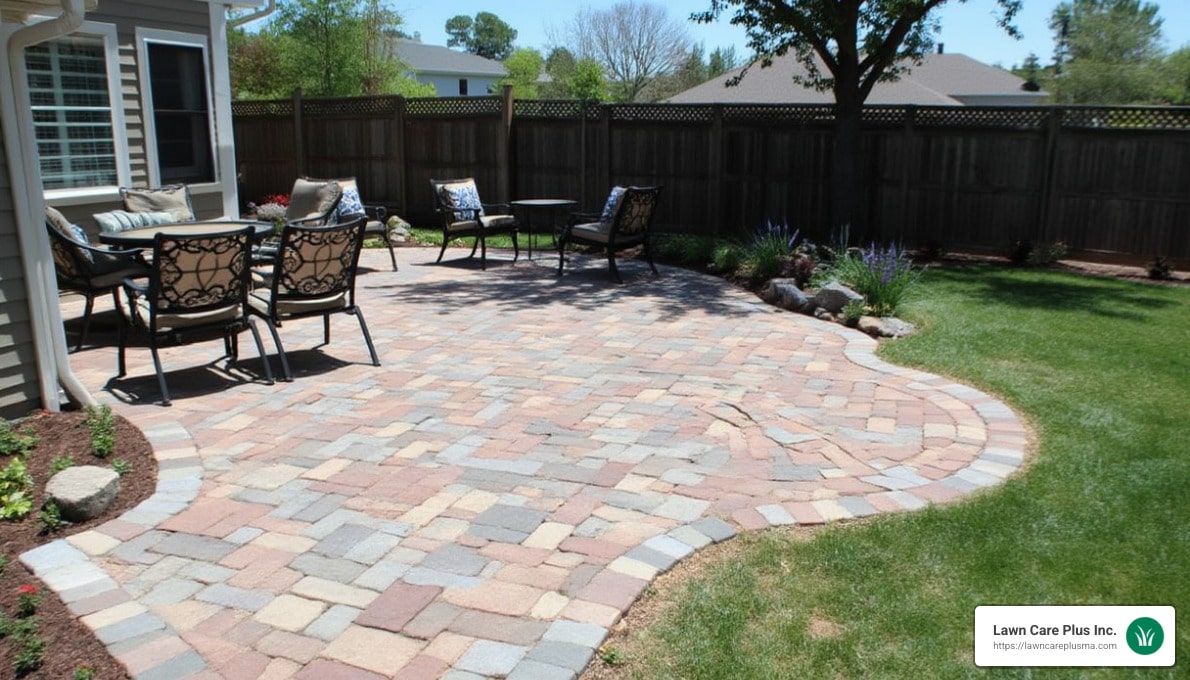
Cost to install paver patio is often a primary concern for homeowners hoping to improve their outdoor spaces. Whether you’re envisioning a cozy corner in your backyard or a grand patio to host gatherings, getting a handle on the costs involved is essential.
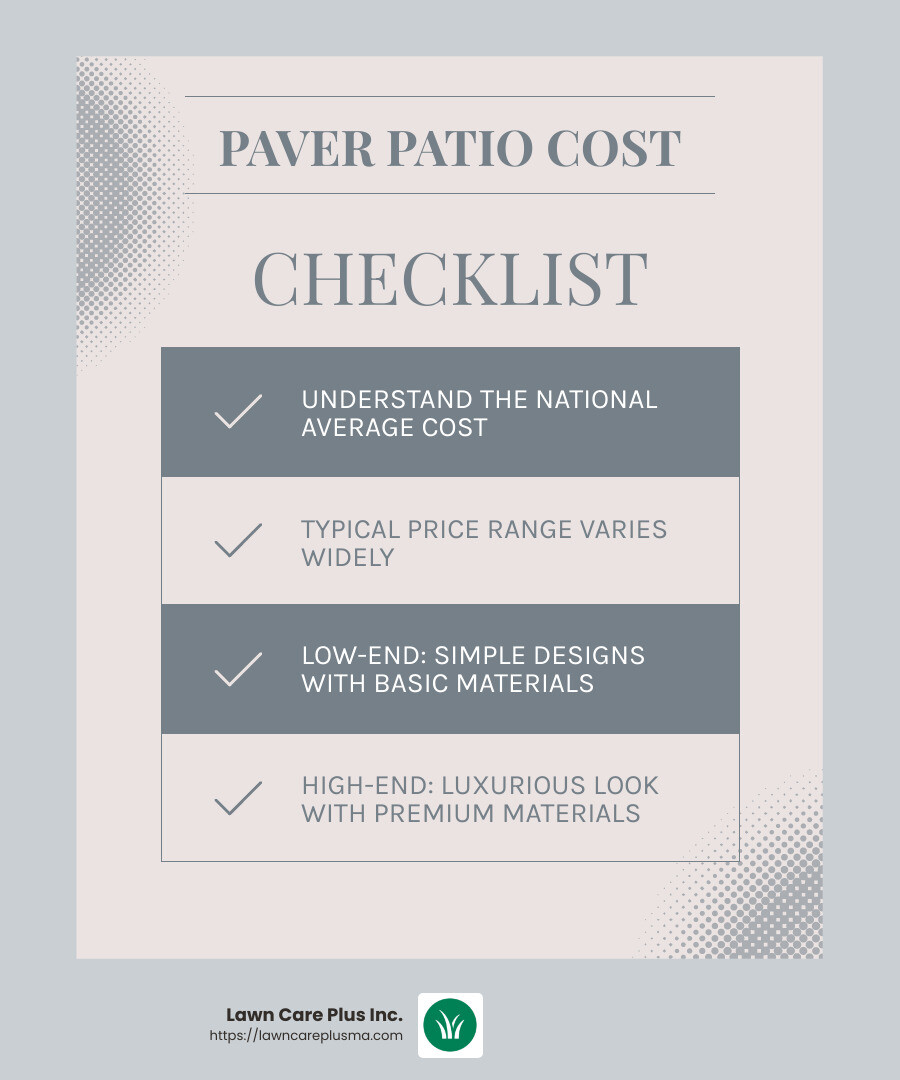
- Average Cost: Costs can vary significantly based on several factors, but the national average cost is a useful benchmark.
- Cost Range: Typically, paver patio installation costs range widely, providing options for both modest and luxurious designs.
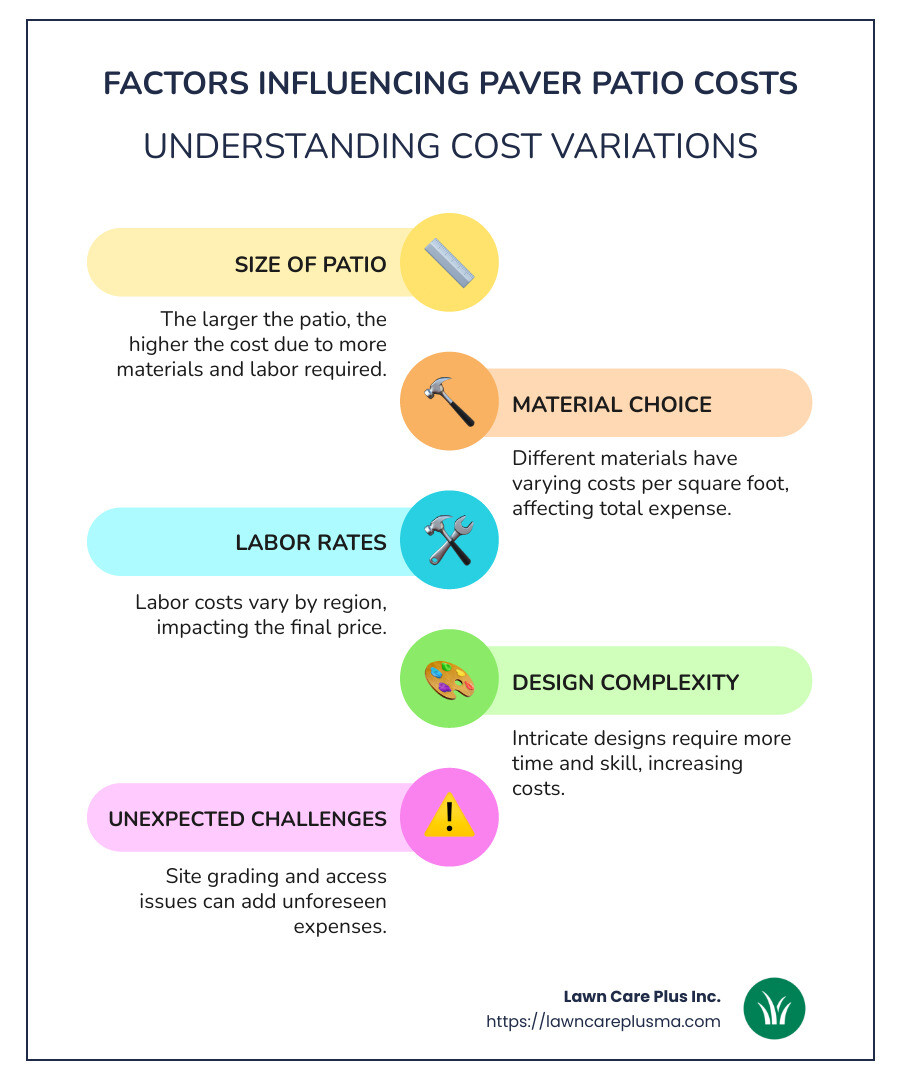
- Factors Affecting Cost: Key elements like patio size, materials used, labor rates, and unforeseen challenges can all influence your project’s final cost.
Understanding these variables can help you plan more efficiently, ensuring that your new patio aligns with both your aesthetic and financial goals.
Simple guide to cost to install paver patio:
– affordable patios
– patio installation cost
– building a paver patio
Average Paver Patio Installation Costs in 2024
When planning your paver patio project, understanding the national average cost is a good starting point. On average, homeowners can expect to pay a wide range due to the variety of materials and labor involved.
Typical Price Range
The typical price range for installing a paver patio can vary significantly. Generally, expect to see costs anywhere from the lower end to the higher end, depending on your choices. This range allows for both budget-friendly and high-end projects.
- Low-End Cost: If you’re opting for a simple design with basic materials, you might find costs on the lower end of the spectrum. This is ideal for smaller patios or those working within a tight budget.
- High-End Cost: For those seeking a more luxurious look with premium materials, costs can soar. This is especially true for larger patios or those with intricate designs and patterns.
Extreme Low-End and High-End Costs
At the extreme low-end, a small, simple patio using budget materials might be achievable for a fraction of the typical cost. However, be cautious of quality at this price point, as it may affect durability and longevity.
On the extreme high-end, a large patio with custom designs, high-end materials, and professional installation can result in significant costs. This investment, however, can add substantial value to your property and provide a stunning outdoor space.
Understanding these cost variations and planning accordingly can help you achieve the patio of your dreams while staying within your budget. Up next, we’ll explore how different sizes of patios affect the overall installation cost.
Cost to Install Paver Patio by Size
When planning your paver patio, size is a major factor in determining the overall cost. The cost to install paver patio can vary widely based on the size of the area you’re working with. Let’s break it down:
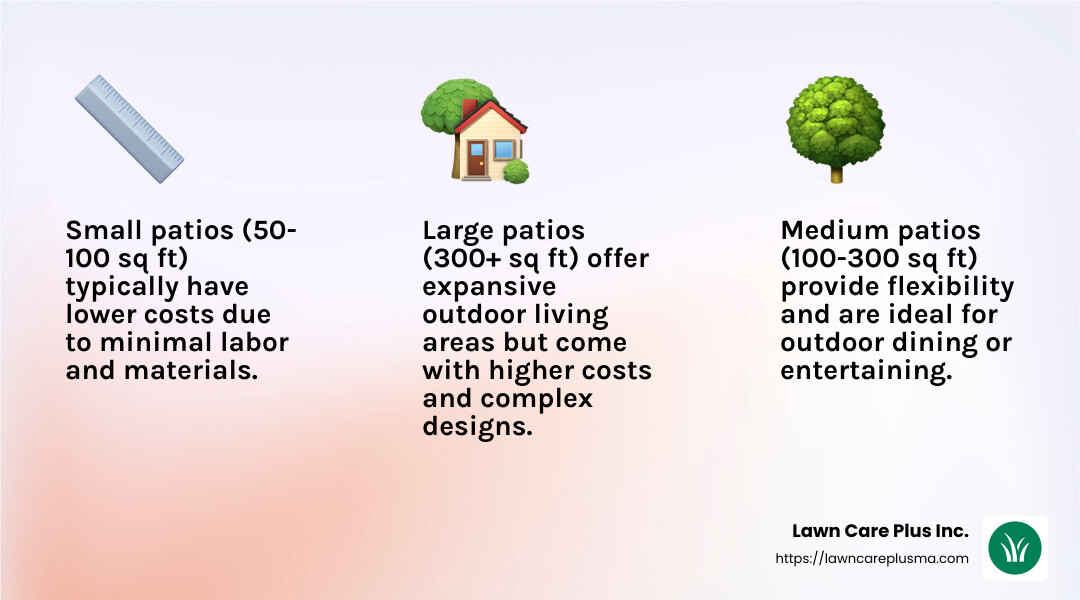
Small Patio (50-100 sq ft)
For a small patio ranging from 50 to 100 square feet, the costs are generally lower. These patios are ideal for cozy spaces or urban settings where space is limited.
- Cost Range: A small patio typically falls within a lower price range. This is due to the minimal labor and materials required.
- Design & Labor: Simple designs are common, with minimal labor involved. You might choose straightforward patterns and basic materials to keep costs down.
- Materials: Due to the smaller size, you can often use higher-quality materials without breaking the bank.
Medium Patio (100-300 sq ft)
A medium-sized patio offers more flexibility in design and functionality. This size is great for families who enjoy outdoor dining or entertaining.
- Cost Range: Costs for medium patios are moderate, reflecting the balance between size and complexity.
- Design & Labor: Expect average labor requirements. You can opt for moderate designs that add aesthetic appeal without excessive costs.
- Materials: With a larger area, mixing different materials can create an interesting look while managing expenses.
Large Patio (300+ sq ft)
For those with ample space, a large patio provides an opportunity to create an expansive outdoor living area.
- Cost Range: Large patios often have a wide cost range, especially if you choose complex designs and high-end materials.
- Design & Labor: Extensive labor is required, especially if the design includes intricate patterns or multiple levels.
- Materials: High-end materials can lift the look of a large patio, but they also increase costs. Consider your budget and desired outcome when selecting materials.
Understanding these size variations and their impact on costs will guide you in making informed decisions. Up next, we’ll dig into how different materials influence the cost to install a paver patio.
Cost to Install Paver Patio by Material
When considering the cost to install paver patio, the choice of material is a significant factor. Different materials influence not only the price but also the durability and aesthetic appeal of your patio. Let’s explore the options, keeping in mind that these are average costs based on internet data and not actual costs for Lawn Care Plus.
Brick Pavers
Brick pavers are a classic choice, known for their warm, earthy tones and timeless appeal. They offer moderate durability and can last for decades with proper maintenance.
- Cost per Square Foot: Brick pavers generally fall in the mid-range price per square foot, with costs varying widely. On average, prices can range from $10 to $30 per square foot.
- Durability: While durable, brick can chip or crack over time, especially in areas with freeze-thaw cycles.
- Environmental Benefits: Brick is made from natural clay, which is an eco-friendly material.
Concrete Pavers
Concrete pavers are highly versatile and come in various shapes, sizes, and colors. This makes them a popular choice for those looking for customization.
- Cost per Square Foot: These pavers are often on the lower end of the cost spectrum, with prices ranging from $8 to $24 per square foot, making them a budget-friendly option.
- Customization: Concrete pavers can mimic the appearance of stone or brick, offering a wide range of aesthetic possibilities.
- DIY-Friendly: Their uniformity and ease of installation make concrete pavers a favorite for DIY projects.
Interlocking Pavers
Interlocking pavers are designed to fit together seamlessly, providing a stable surface that can handle heavy loads.
- Cost per Square Foot: These pavers typically cost more than basic concrete, with prices ranging from $12 to $36 per square foot, offering good value due to their durability.
- Design Flexibility: With various colors and patterns available, interlocking pavers allow for creative designs.
- Durability: Known for their strength, they are less likely to shift or crack over time.
Stone Pavers
Stone pavers offer a natural, high-end look that is hard to beat. They are ideal for creating neat and luxurious outdoor spaces.
- Cost per Square Foot: Stone pavers are the most expensive option, with prices ranging from $20 to $60 per square foot, reflecting their premium quality.
- Natural Look: Each stone is unique, providing a one-of-a-kind appearance.
- High-End Option: While costly, stone pavers add significant aesthetic value and are highly durable.
Choosing the right material for your paver patio depends on your budget, design preferences, and the level of durability you need. Next, we’ll discuss the various factors that can affect the overall cost to install a paver patio.
Factors Affecting the Cost to Install Paver Patio
When planning your paver patio, several factors significantly impact the overall cost. Understanding these can help you make informed decisions and manage your budget effectively.
Labor Rates
Labor rates are a crucial part of the cost to install paver patio. The rates vary based on location, experience, and the complexity of the project.
- Cost per Square Foot: Installers typically charge between $5 and $15 per square foot.
- Hourly Rates: For more complex projects, hourly rates can range from $50 to $80.
- Installer Experience: More experienced installers might charge higher rates, but they also bring expertise that can ensure a quality finish.
Patio Area
The patio area influences both material and labor costs. Larger areas require more materials and time to install.
- Site Grading: Uneven or inaccessible sites can increase costs due to necessary grading, which can range from $770 to $3,000.
- Accessibility: Easy access to the site can lower costs, as it simplifies the transport of materials and equipment.
- Additional Costs: Expect higher costs if the site has challenging terrain, like rocks or tree roots.
Design and Pattern
The design complexity of your patio affects both the materials needed and the labor required.
- Custom Designs: Unique patterns or curves require specialized cutting, which can increase labor costs.
- Cutting Requirements: More intricate designs may need more cuts, adding to the time and cost.
- Popular Patterns: Simple patterns like herringbone or concentric are generally more affordable.
Project Type
Different project types can affect the cost, depending on the materials and labor involved.
- Driveways: Installing pavers for driveways costs more due to the need for reinforcement.
- Walkways: These are typically less expensive, with costs ranging from $1,430 to $3,530.
- Pool Surrounds: These projects can be pricier, given the need for slip-resistant materials and added design considerations.
- Complete Backyard: A full backyard installation can range widely in price, reflecting the scope and complexity of the project.
Unexpected surprises can also affect costs. Issues like poor soil conditions or unforeseen site challenges might require additional work, leading to increased expenses.
By understanding these factors, you can better anticipate the overall cost to install a paver patio and make choices that align with your budget and design goals. Next, we’ll explore additional costs and improvements that can further customize your outdoor space.
Additional Costs and Improvements
Enhancing your paver patio with additional features can significantly transform your outdoor space, but understand the potential costs involved.
Landscape Design
Investing in professional landscape design can lift the aesthetic appeal of your patio and create a cohesive outdoor environment. A well-thought-out design plan not only adds beauty but can also increase the functionality of your space. On average, hiring a landscape designer can cost anywhere from a few hundred to several thousand dollars, depending on the complexity and scope of the project. A design plan often includes considerations for plant selection, layout, and integration with existing structures, ensuring a seamless change of your outdoor area.
Artificial Grass
Incorporating artificial grass into your patio area can offer a lush, green look without the maintenance demands of natural grass. It’s an excellent option for those seeking water efficiency and year-round greenery. The cost of artificial grass typically ranges widely, with prices per square foot varying based on quality and installation complexity. While the initial investment might be higher, the long-term savings on water and maintenance can make it a cost-effective choice. Plus, its aesthetic appeal can improve the overall look of your patio.
Retaining Walls
Retaining walls serve both functional and aesthetic purposes, providing essential erosion control and changing slopes into usable space. The cost per linear foot for a retaining wall can vary significantly, influenced by material choice and wall height. Basic concrete walls are on the lower end of the price spectrum, while natural stone options are more costly. Retaining walls not only help in managing slopes but also add visual interest and structure to your landscape, making them a valuable addition to any patio project.
These improvements can add value and beauty to your outdoor space but come with additional costs. It’s crucial to plan these features carefully to align with your budget and design vision. Next, we’ll discuss whether to tackle your paver patio project as a DIY endeavor or hire professionals for the job.
DIY vs. Professional Installation
When planning a paver patio project, one of the biggest decisions you’ll face is whether to tackle it yourself or hire professionals. Each option has its own set of advantages, costs, and potential challenges.
DIY Cost Breakdown
Taking the DIY route can be a rewarding experience and might seem cost-effective at first glance. Here’s a breakdown of what you might need:
Materials List:
– Pavers: The main component, priced per square foot.
– Paver Sand: For leveling and setting the pavers.
– Gravel Base: Essential for a sturdy foundation.
– Edge Restraints: To keep everything in place.
– Polymeric Sand: For filling gaps and stabilizing the surface.
Tools Required:
– Shovel: For digging and moving materials.
– Wheelbarrow: To transport heavy loads.
– Plate Compactor: For compacting the base and pavers.
– Level: To ensure even surfaces.
– Mason Line: For straight lines and alignment.
– Rubber Mallet: For gently tapping pavers into place.
Total DIY Cost:
The total cost for a DIY paver patio can vary widely. While materials and tools might seem affordable, the overall expense can quickly add up. Renting equipment like a plate compactor can also increase costs. While DIY can save on labor, it demands time and effort—an average patio can take 40 to 50 hours to complete.
Professional Installation Benefits
Opting for professional installation might seem pricier upfront, but the benefits often justify the expense:
Expertise: Professionals bring years of experience, ensuring your patio is installed correctly. They can handle complex designs and challenging terrains with ease.
Proper Grading: One of the most critical aspects of patio installation is proper grading. This ensures water drains away from your home, preventing potential water damage. Professionals have the tools and knowledge to get this right the first time.
Drainage Management: Managing water flow is crucial to maintaining your patio’s integrity. Professionals can design and implement effective drainage solutions, preventing pooling and erosion.
Potential Pitfalls of DIY: While DIY offers a sense of accomplishment, it comes with risks. Improper installation can lead to uneven surfaces, poor drainage, and shifting pavers over time. Hiring professionals minimizes these risks, providing peace of mind and a durable, long-lasting patio.
In the end, whether you choose DIY or professional installation depends on your budget, time, and confidence in tackling such a project. Next, we’ll explore some frequently asked questions about paver patio installation costs to help guide your decision-making process.
Frequently Asked Questions about Paver Patio Installation Costs
How many pavers do I need?
To determine how many pavers you need, start by measuring the total square footage of your patio. Once you have that number, choose the size of the pavers you plan to use. Each paver covers a specific area, so divide your patio’s total square footage by the area each paver covers. This will give you the number of pavers required. It’s wise to purchase a few extra to account for any cutting or mistakes during installation.
How much does a pallet of pavers cost?
The cost of a pallet of pavers varies widely based on the type and quality of the pavers. On average, a pallet costs between $300 and $700. Each pallet typically covers about 56 square feet. When purchasing, check the packaging for exact coverage details. Buying in bulk may also offer cost savings, especially for larger projects.
Should a patio be higher than the lawn?
Yes, it’s recommended that your patio surface be about 0.5 to 1.5 inches above the surrounding lawn. This elevation helps with drainage, ensuring water flows away from the patio and prevents water pooling. Proper grading during installation is crucial. Use a level to maintain the right slope, which helps water move efficiently off the patio surface.
Conclusion
Installing a paver patio is an investment that improves both the beauty and functionality of your outdoor space. By understanding the cost to install a paver patio, you can make informed decisions that align with your budget and design preferences. Whether you’re considering a small, simple patio or a large, intricate design, knowing the factors that influence costs—such as size, materials, and labor—can help you plan effectively.
At Lawn Care Plus Inc., we are dedicated to delivering high-quality hardscaping services that meet your needs. Our experienced team is here to guide you through every step of your paver patio project, from design to installation. We serve a wide area, including Belmont, Boston, Brookline, and many other locations in the Massachusetts Metro-West region.
If you’re ready to transform your outdoor space with a beautiful paver patio, we invite you to explore our hardscaping services and contact us for more information. Our team is eager to help you create the patio of your dreams, ensuring it is both aesthetically pleasing and durable.
For any inquiries or to schedule a consultation, please reach out to us. We look forward to working with you to bring your vision to life!