
Why Understanding Driveway Replacement Costs Matters
How much does it cost to replace a driveway? The national average ranges from $2,800 to $13,000+, with most homeowners paying around $6,400 for a standard two-car driveway replacement.
Quick Cost Overview:
- Average total cost: $6,400
- Typical range: $2,880 – $11,520
- Cost per square foot: $5 – $20
- High-end projects: Up to $32,000+
Your driveway is a critical part of your home’s curb appeal, value, and safety. However, the final cost depends heavily on your choice of material. For example, a gravel driveway might cost just $1,500 for the same 24×24 foot space that would cost $15,000 in premium pavers.
While a standard double-car driveway is 576 square feet, your total cost will depend on more than just size alone. Understanding these factors helps you budget properly and avoid surprises.
Disclaimer: All prices mentioned in this guide are national averages based on industry data and not actual costs for Lawn Care Plus. For a precise quote for your Massachusetts property, contact a local professional.
How much does it cost to replace a driveway further reading:
How Much Does It Cost to Replace a Driveway? A Detailed Breakdown
The cost to replace a driveway varies widely, with projects ranging from $1,000 for a simple gravel driveway to over $32,000 for custom designs with premium materials. The average homeowner spends around $6,400. Three main factors shape your final bill: material costs, labor expenses, and old driveway removal.
National Average Costs and Ranges
While the national average is a useful benchmark, most standard projects in Massachusetts fall within a typical range of $2,880 to $11,520. High-end projects with premium materials like natural stone pavers or heated surfaces can easily exceed $32,000.
The cost per square foot typically ranges from $5 to $20, though luxury materials can be higher. A standard two-car driveway (24×24 feet, or 576 square feet) is a good size for initial budgeting.
Cost Breakdown by Driveway Material
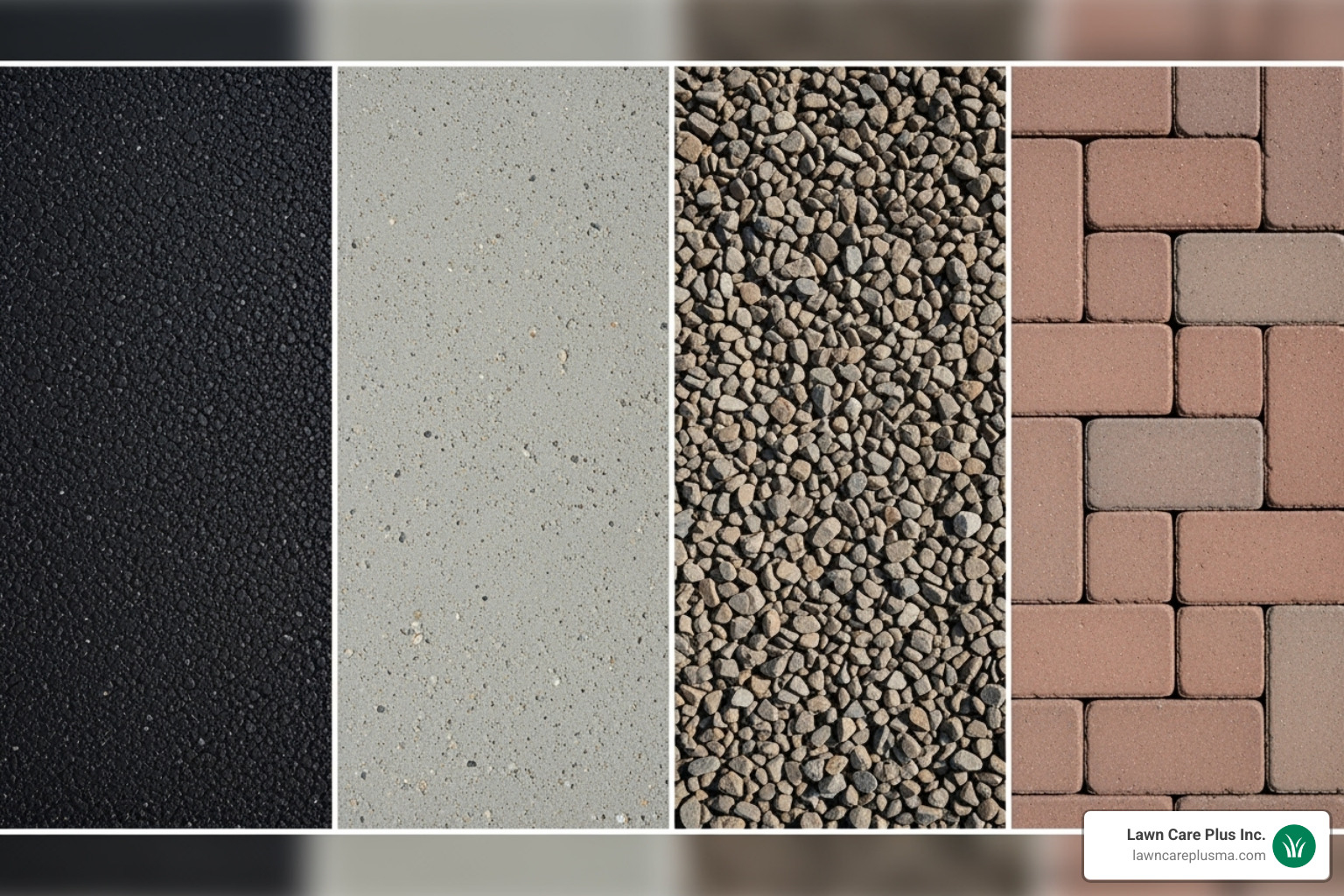
Your material choice has the biggest impact on your final bill. Some materials have a low upfront cost but require more maintenance, while others are more expensive initially but offer better long-term value. Understanding your Driveway Replacement Options is crucial, as a budget-friendly choice today might cost more in maintenance over the years, while a pricier option could save money in the long run.
The Role of Labor in Your Total Bill
Labor typically represents 40% to 50% of your total project cost, averaging $5 to $11 per square foot. Professional labor includes several key tasks:
- Excavation: Removing soil to prepare the foundation.
- Grading: Shaping the land to ensure proper water drainage.
- Installation: Laying your chosen material.
- Finishing: Applying seals or decorative touches.
- Cleanup: Leaving your property pristine.
Professional installation ensures compliance with local building codes, proper drainage, and correct installation methods, which prevents costly problems and ensures longevity.
Driveway Material Showdown: Cost, Durability, and Maintenance
Choosing the right material involves balancing budget, aesthetics, and long-term maintenance. Here’s a comparison of the most common options:
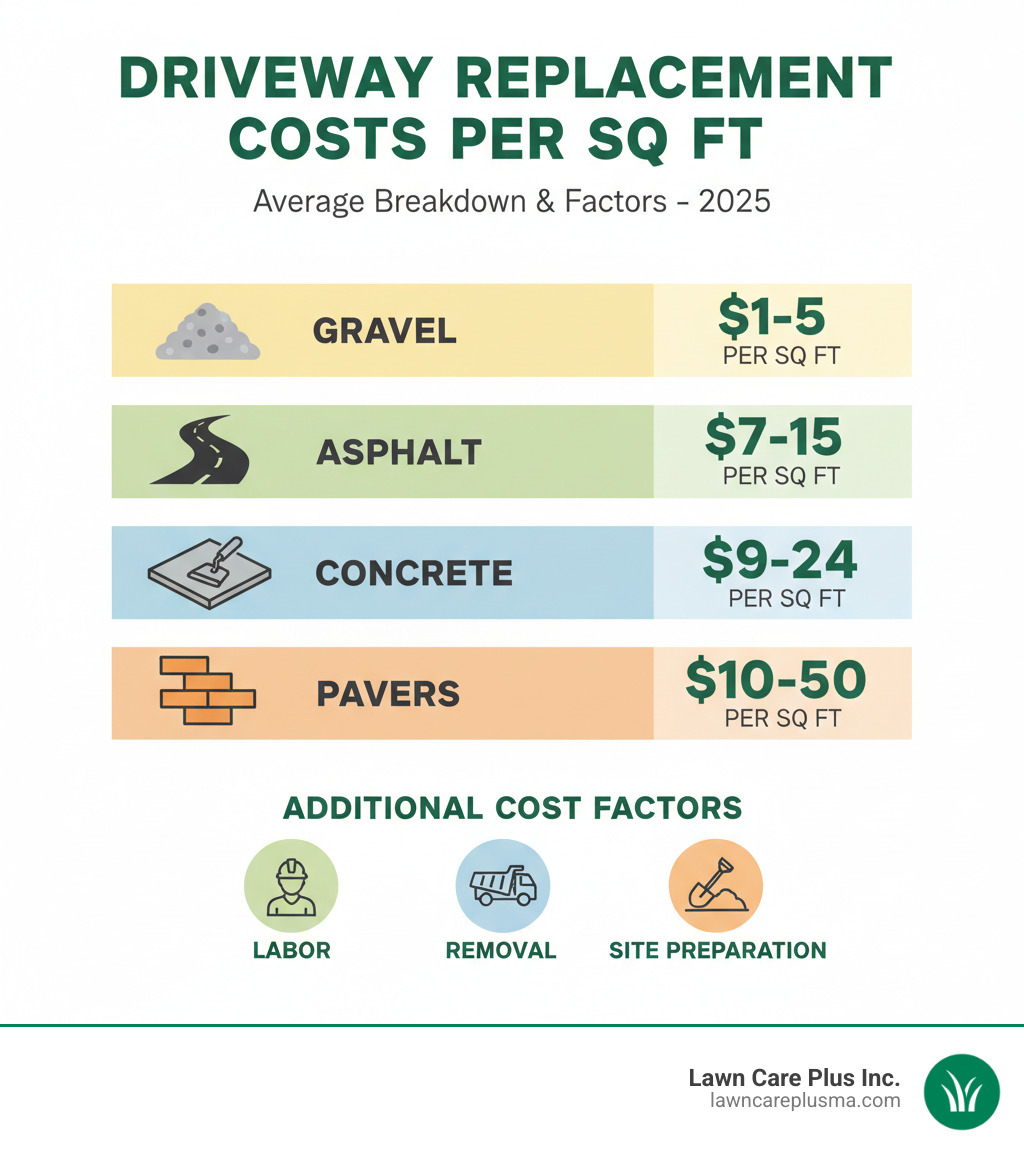
- Asphalt: At $7-$15 per square foot, it lasts 15-20 years. It requires sealing every 3-5 years and is ideal for cold climates due to its flexibility.
- Concrete: Costing $9-$24 per square foot, it offers a 25-40 year lifespan. Maintenance includes sealing every 2-5 years and occasional crack repairs.
- Pavers: This premium option costs $10-$50 per square foot but can last 25-50+ years. It offers the most design flexibility, and individual pavers can be replaced if damaged.
- Gravel: The most budget-friendly choice at $1-$5 per square foot. It can last indefinitely but needs regular raking and fresh material every 2-3 years.
Asphalt Driveways

Asphalt is popular in Massachusetts for its ability to handle harsh winters. Its flexibility helps it resist cracking from freeze-thaw cycles. Expect to pay $7 to $15 per square foot for a lifespan of 15 to 20 years. To maximize its life, asphalt should be sealed every 3 to 5 years to protect it from UV rays and water damage. It’s a great choice for homeowners seeking quick installation and affordability. Lawn Care Plus Inc. has extensive experience with Asphalt Driveway Replacement in the New England climate. For more technical information about asphalt durability, the National Asphalt Pavement Association provides comprehensive resources.
Concrete Driveways
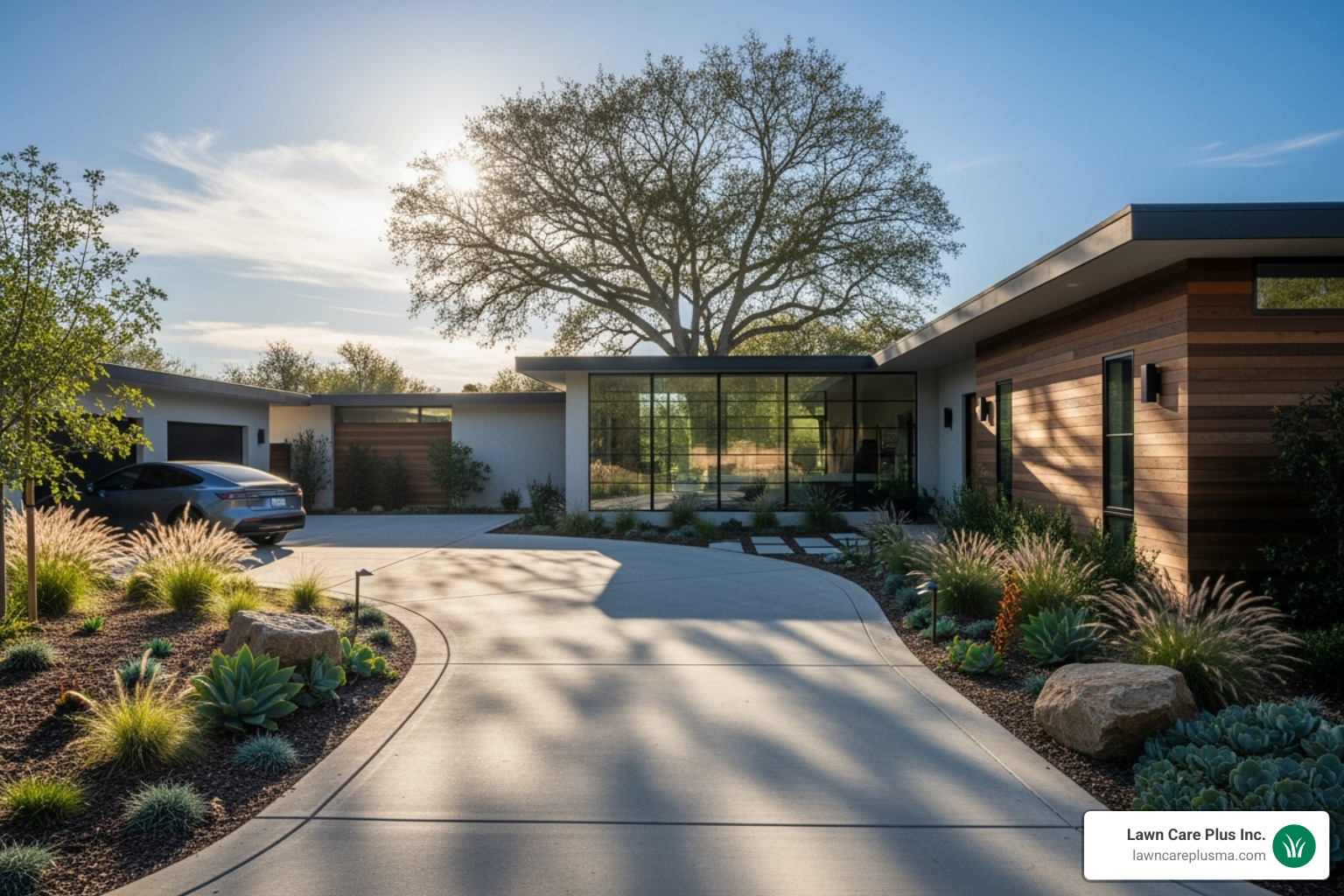
Concrete offers exceptional durability and a long service life. The upfront investment of $9 to $24 per square foot provides a driveway that can last 25 to 40 years. Maintenance is simple, requiring sealing every 2 to 5 years and prompt crack repair. Concrete also offers customization options, such as stamped patterns and colors to mimic stone or brick. For more details, see our guides on How Much Does a Concrete Driveway Cost? and Concrete Driveway Removal and Replacement.
Paver Driveways
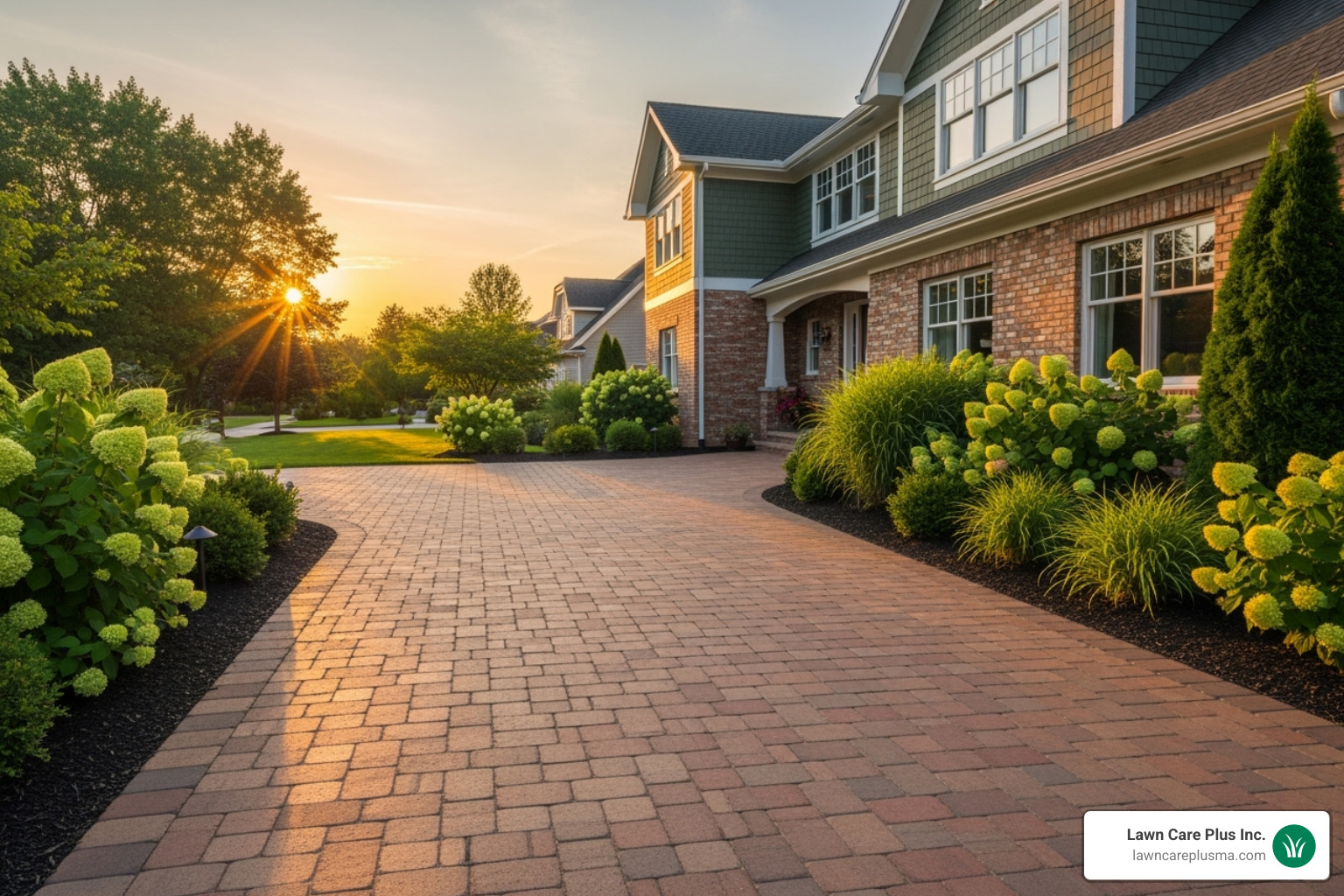
Paver driveways combine function with high-end visual appeal. While the upfront cost is higher at $10 to $50 per square foot, they can last 25 to 50+ years. A key benefit is their modular design; a single damaged paver can be replaced without redoing an entire section. Maintenance involves occasional paver replacement and weed control. The design possibilities are vast, significantly boosting curb appeal and long-term home value.
Gravel Driveways

Gravel is the most economical choice, costing just $1 to $5 per square foot. With proper care, a gravel driveway can last for decades. Maintenance includes regular raking to keep the surface even and adding fresh material every 2 to 3 years. Gravel is an excellent solution for long driveways, rural properties, and areas needing superior drainage. When budget is the primary concern, gravel provides a practical and attractive answer to how much does it cost to replace a driveway.
Unseen Expenses: Additional Factors That Influence Cost
Beyond materials and labor, several other factors can significantly influence your final bill. Understanding these potential costs helps you create a more accurate budget.
Old Driveway Removal and Disposal
Removing the old driveway is the first step. Demolition costs typically range from $1 to $5 per square foot, covering the labor and equipment to break up the existing surface. Hauling and disposal fees will also apply. The material type matters, as dense, heavy concrete costs more to remove and dispose of than asphalt.
Site Preparation: Grading and Base Layer
A driveway is only as good as its foundation. Proper site preparation is critical for longevity. Grading costs can range from $2 to $25 per square foot, depending on the slope and soil conditions of your property. After grading, a sub-base of crushed stone or gravel is installed to create a stable layer that prevents settling and ensures proper drainage.
Size, Shape, and Slope
While square footage is the primary cost driver, a simple rectangular shape is the most affordable to install. Complex shapes with curves or decorative borders require more labor and materials, increasing the cost. Steep slopes also add to the expense, as they require specialized equipment and more time for a safe, secure installation.
Permits, Drainage, and Special Features
Building permits are often required and typically cost between $50 and $300. Municipalities may have strict regulations regarding driveway materials and drainage, which must be followed according to the Massachusetts State Building Code (780 CMR).
If your property has drainage issues, systems like French drains or culverts may be necessary, adding $400 to $2,400 to the cost. Luxury features like heated driveways are another consideration, adding $3,000 to $8,700 or more to your project but eliminating the need for shoveling.
Repair or Replace? Making the Right Financial Decision
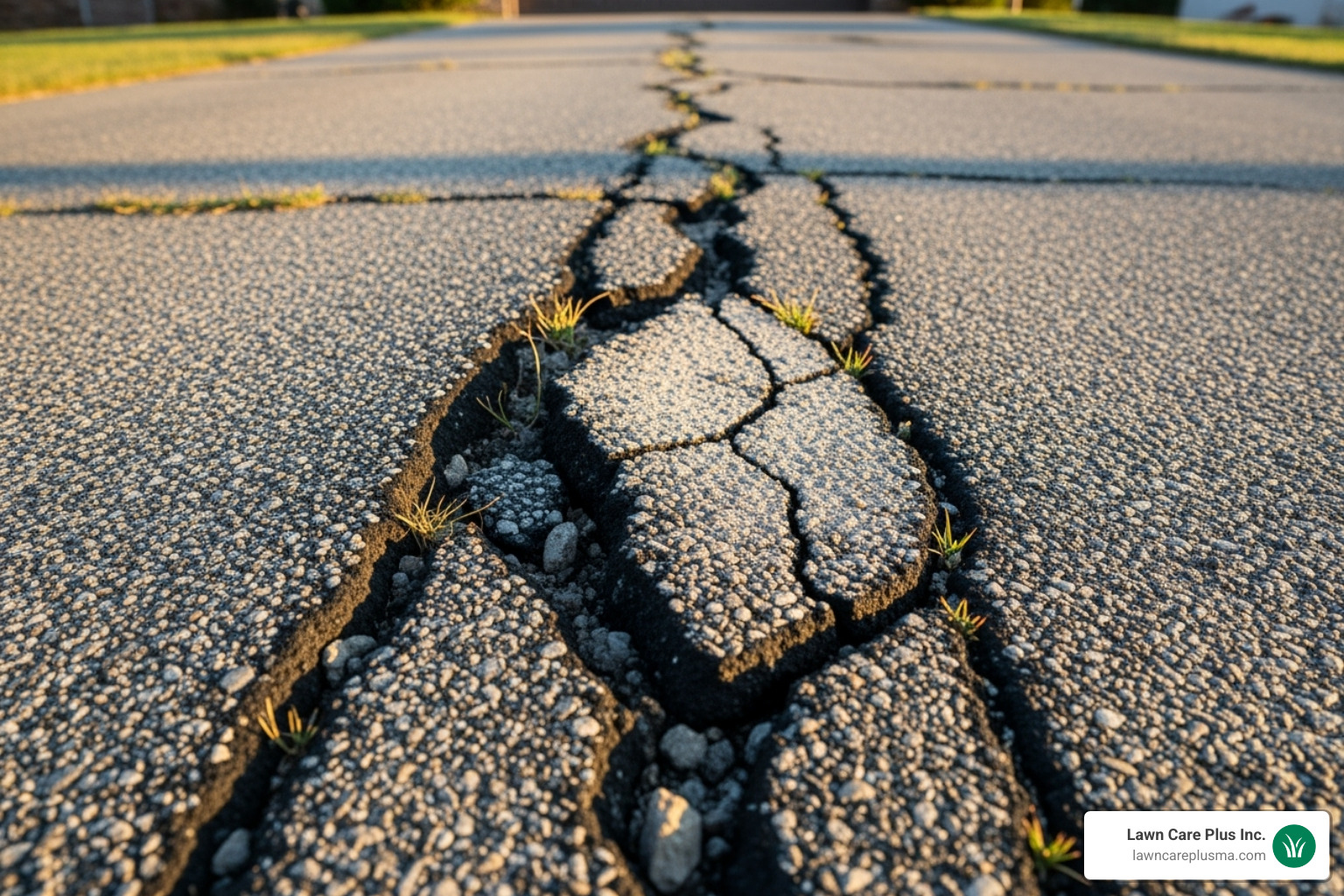
Deciding whether to repair or replace your driveway involves weighing a short-term fix against a long-term solution. While repairs can be effective for minor issues, replacement is often the smarter financial choice for extensive damage. For specific issues, see our guides on Driveway Crack Repair and Blacktop Driveway Repair.
Signs You Need a Full Replacement
Certain types of damage indicate that repairs will not be a cost-effective solution. Look for these signs:
- Widespread alligator cracks: These interconnected cracks signal a failing base layer.
- Multiple large potholes: This suggests the entire structure is breaking down.
- Severe drainage issues: Pooling water can damage your driveway and home foundation.
- Sunken areas: Sections that have dropped or shifted indicate a compromised sub-base.
- Advanced age: A driveway over 20 years old is likely near the end of its lifespan.
- Crumbling edges: This points to widespread material deterioration.
How much does it cost to replace a driveway versus repairing it?
Repair costs vary based on the extent of the damage. According to national averages, simple patching may cost $3 to $5 per square foot, while more extensive resurfacing can run $5 to $14 per square foot. However, these repairs typically last only 1 to 5 years. In contrast, a full replacement lasts 15 to 50+ years. If repair costs approach 50% of the replacement cost, a full replacement is the better long-term investment.
These pricing ranges represent national averages based on industry data, not actual costs for Lawn Care Plus Inc.
The Long-Term ROI of a New Driveway
A new driveway is an investment that improves curb appeal, safety, and functionality. It can boost your home’s value by up to $7,000, with concrete driveways offering a strong return on investment of 50% to 80%. A new surface eliminates tripping hazards, ensures proper drainage, and provides a smooth surface for daily use and snow removal. The peace of mind from a durable, low-maintenance driveway often makes the investment worthwhile. Learn more in our article: Does Replacing Driveway a Good Investment?
Smart Savings: How to Reduce Your Driveway Replacement Bill
With careful planning and strategic choices, you can make your driveway replacement more budget-friendly without sacrificing quality.
DIY vs. Hiring a Professional
Tackling some tasks yourself can reduce costs. Homeowners can often handle demolition, debris removal, and sealing a new driveway. However, the most critical parts of the job—grading, base preparation, and material installation—are best left to professionals. Mistakes in these areas can lead to drainage problems, an uneven surface, and a drastically shortened lifespan for your driveway. Remember to factor in equipment rental, tools, and disposal fees when calculating potential DIY savings.
How to Plan for a Cost-Effective Project
Smart planning is key to managing your budget:
- Material Choice: Your choice of material is the biggest factor in the total cost. Opting for gravel over premium pavers can save thousands.
- Off-Season Installation: Contractors are busiest in spring and summer. Scheduling your project for the late fall or early winter may result in lower prices.
- Phasing the Project: If your budget is tight, consider replacing the driveway in sections over time. You could replace the most damaged area first and complete the rest later.
- Get Multiple Quotes: Always get at least three quotes from different contractors. This helps you compare pricing and find the best value for your specific project, which is a crucial step in how to choose the right driveway replacement contractor.
Thinking long-term is essential. A slightly more expensive material that lasts twice as long is often the more economical choice over time.
Frequently Asked Questions about Driveway Replacement
What is the cheapest type of driveway to install?
Gravel driveways are the most affordable option, with material costs ranging from $1 to $5 per square foot based on national averages. While the installation can be DIY-friendly, gravel requires ongoing maintenance, including regular raking and adding new material every 2 to 3 years. Despite the upkeep, it remains the best choice for those prioritizing low upfront costs.
How long does it take to replace a driveway?
A typical driveway replacement takes 2 to 5 days. This includes about 1 day for demolition and site preparation and 1 to 2 days for installation. Curing time varies by material: asphalt usually needs 1 to 3 days before you can drive on it, while concrete requires up to 7 days. Weather can also affect the project timeline.
Is a new concrete driveway worth the investment?
Yes, a new concrete driveway is generally a worthwhile investment. It offers excellent durability, lasting 25 to 40 years with low maintenance. Although the upfront cost is higher than asphalt or gravel, its longevity and low upkeep often make it more cost-effective over time. Concrete driveways also provide a strong return on investment (50% to 80%) by boosting curb appeal and property value. For more details, see our guide on How Much Does a Concrete Driveway Cost?.
Conclusion: Paving the Way for Your New Driveway
Understanding how much does it cost to replace a driveway comes down to key factors: material choice, project size, labor, removal, and site preparation. Your choice of material, from budget-friendly gravel to premium pavers, will have the largest impact on your final cost.
Never underestimate the importance of a solid foundation. Proper grading and professional installation are essential for creating a driveway that lasts for decades. Cutting corners on the foundation will lead to premature failure and costly repairs.
A new driveway is a significant home improvement that improves curb appeal, improves safety, and adds real value to your property. It’s an investment in your home’s daily convenience and long-term worth.
For homeowners in the Boston Metro-West area, Lawn Care Plus Inc. offers expert hardscaping services to ensure your project is a sound investment. Our team understands the challenges of Massachusetts weather and is committed to building a beautiful, functional driveway that stands the test of time.
