
The Green Advantage: Why Proper Lawn Care Matters
Lawn care and maintenance is the foundation of a beautiful, healthy yard that improves your property’s curb appeal and value. For homeowners looking to maintain their outdoor spaces, here are the essential components of basic lawn care:
- Mowing: Cut grass to 2-4 inches for cool-season grasses, 1.5-3 inches for warm-season varieties
- Watering: Apply about 1 inch per week (623 gallons per 1,000 square feet)
- Fertilizing: Feed 2-4 times per year based on grass type and season
- Aeration: Perform once annually to improve nutrient absorption
- Weed Control: Maintain proper mowing height to reduce weed germination by up to 50%
A well-maintained lawn does more than just look good. According to research, a healthy lawn can increase your home’s property value by up to 15%. The average American household invests about $503 per year on lawn care activities, maintaining what has become the single largest irrigated crop in the United States – covering an estimated 40 million acres nationwide.
Whether you’re a new homeowner or looking to improve your existing lawn, understanding the fundamentals of proper grass maintenance will save you time, money, and frustration. This guide will walk you through everything from selecting the right grass type for your region to creating a sustainable maintenance plan that fits your lifestyle and budget.
One often overlooked tip: leaving grass clippings on your lawn after mowing can provide up to 25% of your lawn’s annual fertilizer needs – a simple way to save money while improving soil health.
Quick lawn care and maintenance terms:
– landscape maintenance service agreement
Choosing the Right Grass for Your Region
The first step to a thriving lawn is selecting grass varieties that will flourish in your specific climate. Here in Massachusetts and the Boston Metro-West area, we primarily deal with cool-season grasses, but understanding the differences between grass types is essential for proper lawn care and maintenance.
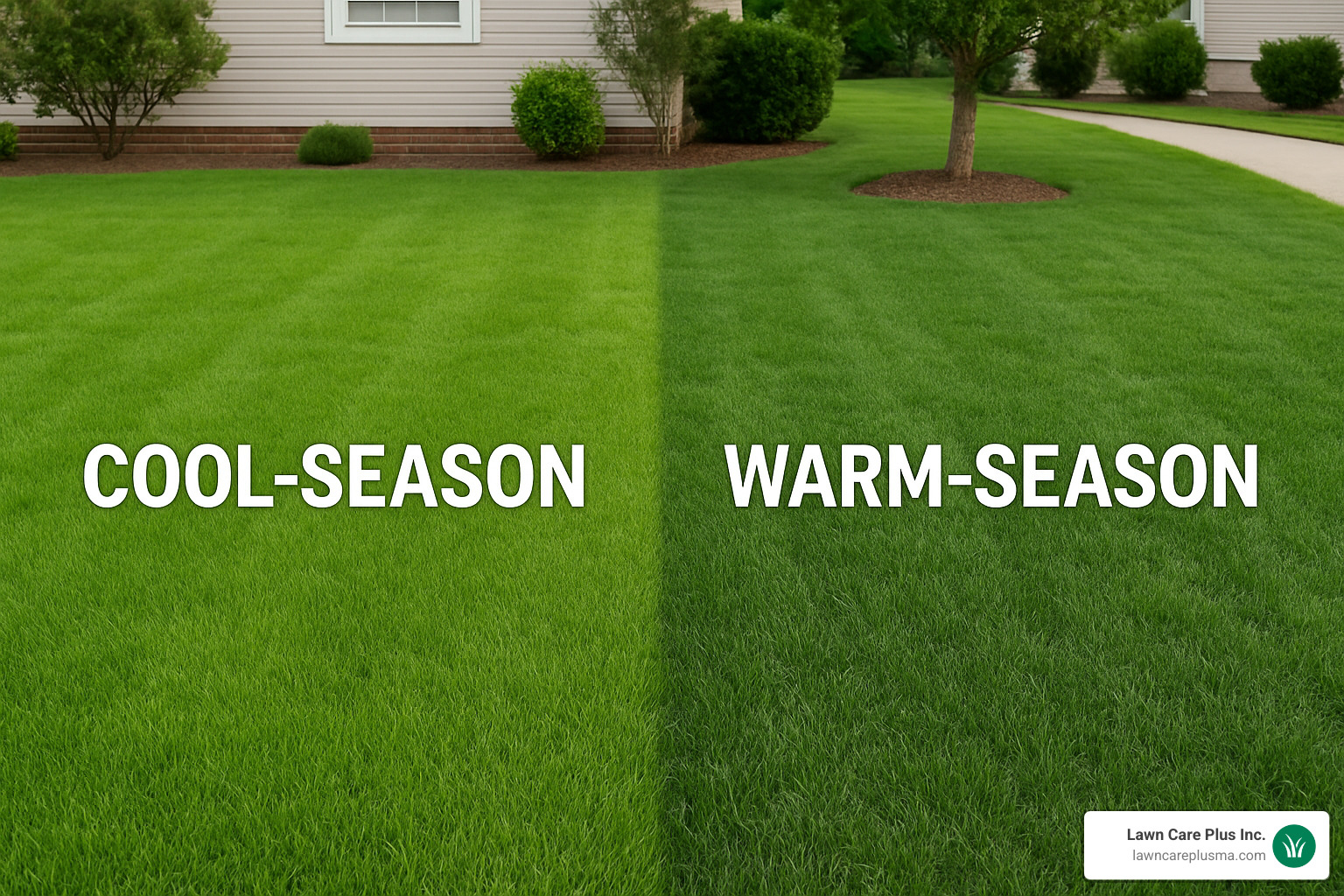
| Characteristic | Cool-Season Grasses | Warm-Season Grasses |
|---|---|---|
| Optimal Growth | 65-75°F | 85-90°F |
| Growing Season | Spring and Fall | Late Spring through Summer |
| Winter Behavior | Stays somewhat green | Often goes dormant (brown) |
| Water Needs | Moderate | Lower (drought-tolerant) |
| Popular Types | Kentucky Bluegrass, Fescues, Ryegrass | Bermuda, Zoysia, Centipede |
| Best Regions | Northern U.S., New England | Southern U.S., Transition Zone |
Think of your yard as having its own personality. Even within our service area, your lawn might have its own microclimate – those shady corners under the maple tree, that sunny spot that bakes all summer, or the clay soil near your foundation. These factors matter tremendously when choosing your grass. At Lawn Care Plus Inc., we take time to evaluate these conditions before recommending specific seed blends for new grass installation.
Cool-Season Champions
In the Boston Metro-West area, cool-season grasses are the stars of the show. These varieties hit their stride when temperatures settle between 65-75°F, making them perfectly suited for our distinct New England seasons.
Kentucky Bluegrass is the classic New England choice – think of it as the reliable friend of lawns. With its rich blue-green color and excellent winter hardiness, it creates a lush carpet that can heal itself thanks to underground spreading rhizomes. The trade-off? It’s a bit thirsty and hungry, requiring more water and fertilizer than some other types.
Perennial Ryegrass is the sprinter of the grass world, establishing itself from seed in sometimes just 5-7 days. This makes it perfect when you need quick results for overseeding or patching. It stands up well to foot traffic from kids and pets but doesn’t spread sideways, so it might need reseeding more often.
Tall Fescue has been gaining fans in our region for good reason. Modern turf-type tall fescues offer excellent drought tolerance with deep root systems that require less watering. Think of tall fescue as the low-maintenance option that still looks great and can handle summer heat better than its cool-season cousins.
Many of our happiest clients opt for a blend of these varieties – like having a diverse team where each member brings different strengths. A thoughtful mix creates a resilient lawn that stays green longer throughout our challenging New England year.
Warm-Season Warriors
While less common in Massachusetts, understanding warm-season grasses is still valuable knowledge in your lawn care and maintenance toolkit, especially as our climate patterns shift and for properties with particularly hot, sunny exposures.
Bermuda Grass thrives when the mercury climbs, showing exceptional heat and drought tolerance. It creates a dense, carpet-like turf that bounces back quickly from damage. The downside? When our Massachusetts temperatures drop, Bermuda goes dormant and turns brown until spring returns.
Zoysia Grass offers a middle ground – more cold-tolerant than other warm-season options, it forms a thick, weed-resistant turf that’s stingy with its fertilizer needs. It transitions better in our climate but takes its sweet time establishing.
Centipede Grass is the ultimate low-maintenance option, requiring minimal fertilization and thriving in acidic soils. Unfortunately, its poor cold tolerance means it would struggle through our Massachusetts winters in most locations.
Blending in the Transition Zone
For properties in those “in-between” microclimates that experience both scorching summer heat and frigid winters, specialized seed blends can give you the best of both worlds. These typically combine cold-tolerant warm-season grasses like Zoysia with heat-tolerant cool-season varieties like Tall Fescue.
The beauty of blended lawns is their year-round performance. During spring and fall, the cool-season components show off, while in summer heat, the warm-season grasses take the spotlight. It’s like having a lawn that changes with the seasons. This approach is becoming increasingly relevant as we experience more climate fluctuations in the Boston Metro-West region.
At Lawn Care Plus Inc., we help determine the perfect grass blend for your specific property conditions. We don’t just look at the region – we consider your yard’s unique sun exposure, soil type, usage patterns, and even those tricky spots that never seem to grow well. Our goal is ensuring your lawn stays green and healthy throughout the year, no matter what New England weather throws at us.
Soil Science: Testing and Improving the Foundation
Even the best grass seed won’t thrive without proper soil conditions. Think of soil as your lawn’s foundation—get it right, and everything else becomes easier. The ideal lawn soil has a pH between 6.0 and 6.5, contains adequate nutrients, and supports healthy microbial activity.
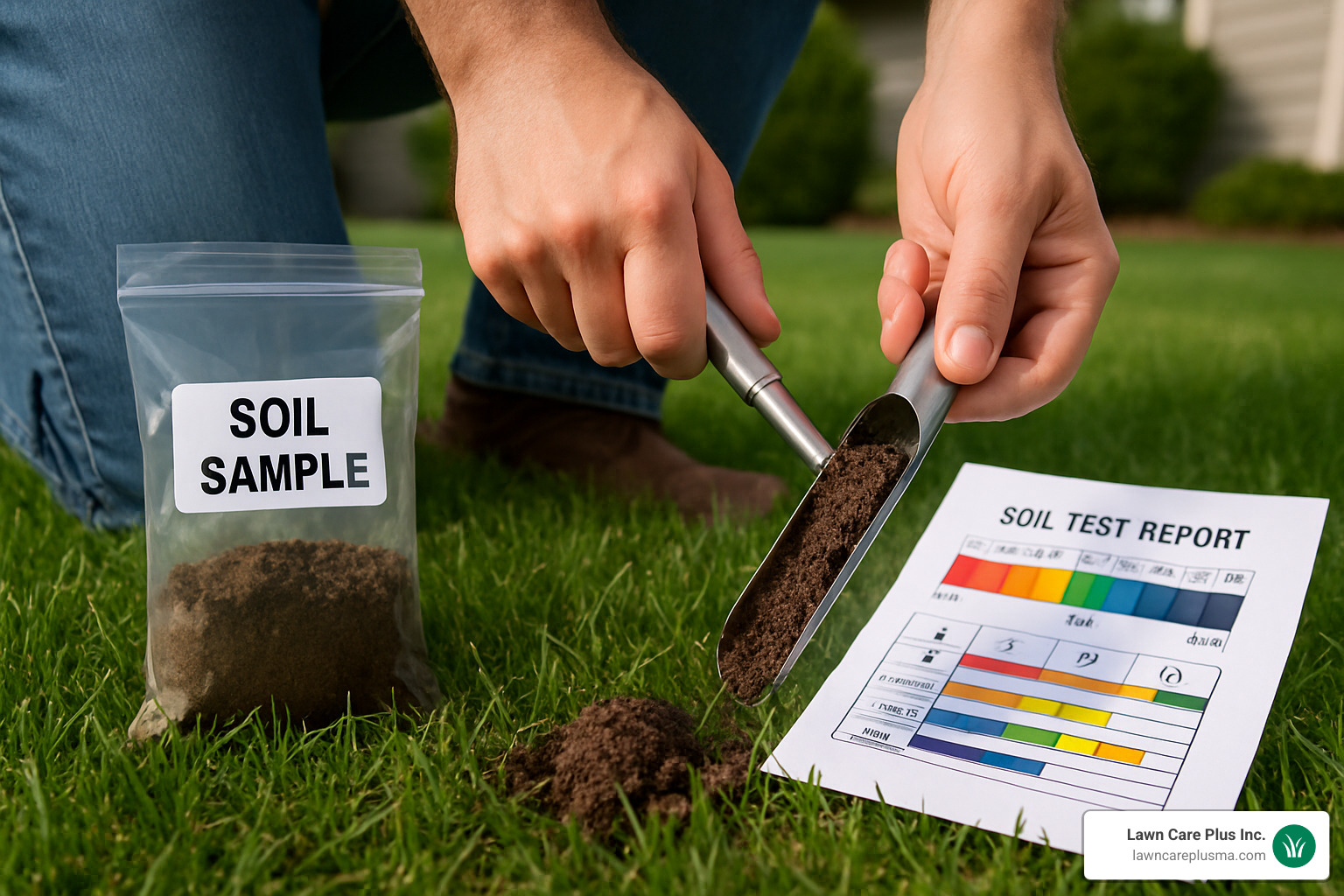
Before spending your hard-earned money on expensive treatments or scratching your head wondering why your grass looks sad despite your best efforts, start with a soil test. It’s like getting a physical for your lawn! According to scientific research from Oregon State University, soil testing provides the roadmap for all subsequent lawn care and maintenance decisions.
Collecting a Proper Soil Sample
Getting accurate soil test results isn’t complicated, but there’s a right way to do it. Think of yourself as a soil detective, gathering clues from across your yard.
First, grab clean tools (a garden trowel works great) that haven’t been exposed to fertilizers or chemicals. You’ll want to collect samples from 8-10 different spots around your lawn to get the full picture. Remove any thatch or surface debris, then dig down about 4-6 inches deep for each sample.
Mix these samples thoroughly in a clean plastic container (an old ice cream bucket works perfectly). If the soil is wet, let it dry out before packaging it up. Then send it off to your local university extension service where they’ll perform tests that are far more reliable than those DIY kits from the garden center. The modest $15-30 fee is money well spent—you’ll get detailed information about your soil’s pH, major nutrients (N-P-K), micronutrients, and usually specific recommendations for fixing any issues.
At Lawn Care Plus Inc., we can help you interpret these results and develop a plan that makes sense for your specific lawn conditions.
Amending for Optimal pH and Nutrients
Once you have your soil test results in hand, it’s time for targeted improvements. Think of this as giving your soil exactly what it needs—no more, no less.
If your soil is too acidic (a common issue in Massachusetts), you’ll need to apply limestone to raise the pH. The soil test will tell you exactly how much to add. On the flip side, if your soil is too alkaline (rare in our region), you’ll need elemental sulfur or aluminum sulfate to bring that pH down.
When it comes to nutrients, nitrogen (N) is typically the most needed—it’s what gives grass that lush green color. Phosphorus (P) helps develop strong root systems, though environmental regulations often limit its use due to runoff concerns. Potassium (K) is your lawn’s immune system booster, improving disease resistance and cold hardiness—particularly important for our New England winters.
We love helping our clients make sense of their soil test results. This step is especially crucial when preparing ground for sod or establishing new lawns from scratch.
Building Biology with Organic Matter
Good soil isn’t just about chemistry—it’s about biology too! Your soil should be teeming with beneficial microorganisms that break down organic matter and make nutrients available to grass roots.
One of the easiest ways to improve your soil biology is through mulch-mowing. Simply leave those grass clippings on the lawn instead of bagging them. Those tiny pieces return valuable organic matter and can provide up to 25% of your lawn’s nitrogen needs annually. Today’s mulching mowers chop clippings so finely they disappear into your lawn without causing thatch problems.
Top-dressing with compost is another fantastic soil-building technique. Spreading a thin layer (just ¼ inch) of quality compost over your lawn feeds those hungry soil microbes and gradually improves soil structure. This approach works wonders for the compacted or clay-heavy soils we often see in parts of our service area.
For those looking to take their organic lawn care and maintenance to the next level, compost tea can be a game-changer. This liquid extract introduces beneficial microorganisms directly to your soil ecosystem. It’s like a probiotic for your lawn!
Improving your soil is a marathon, not a sprint. You might not see dramatic overnight results like you would from applying chemical fertilizer, but the benefits accumulate over time. You’ll gradually develop a resilient lawn that requires fewer inputs and better withstands drought, disease, and other stresses.
At Lawn Care Plus Inc., we believe healthy soil is the foundation of a beautiful lawn. We’d love to help you build that foundation for your property in the Boston Metro-West area.
Lawn Care and Maintenance Calendar
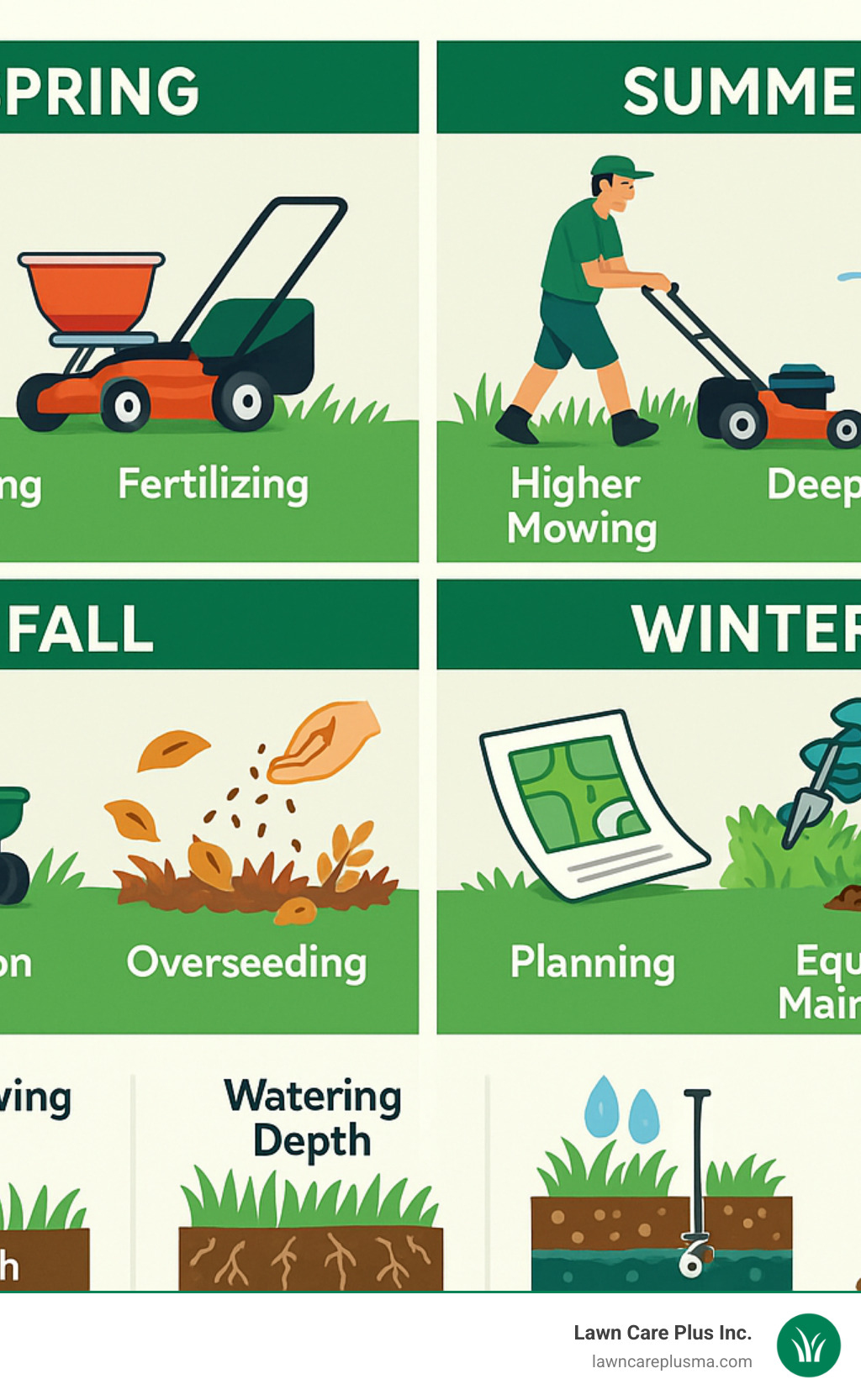
Timing is everything when it comes to lawn care and maintenance. Here in the Boston Metro-West area, our cool-season grasses follow natural rhythms that guide when we should tackle specific tasks. Working with these cycles—rather than against them—helps create a lush, healthy lawn while saving you time and resources.
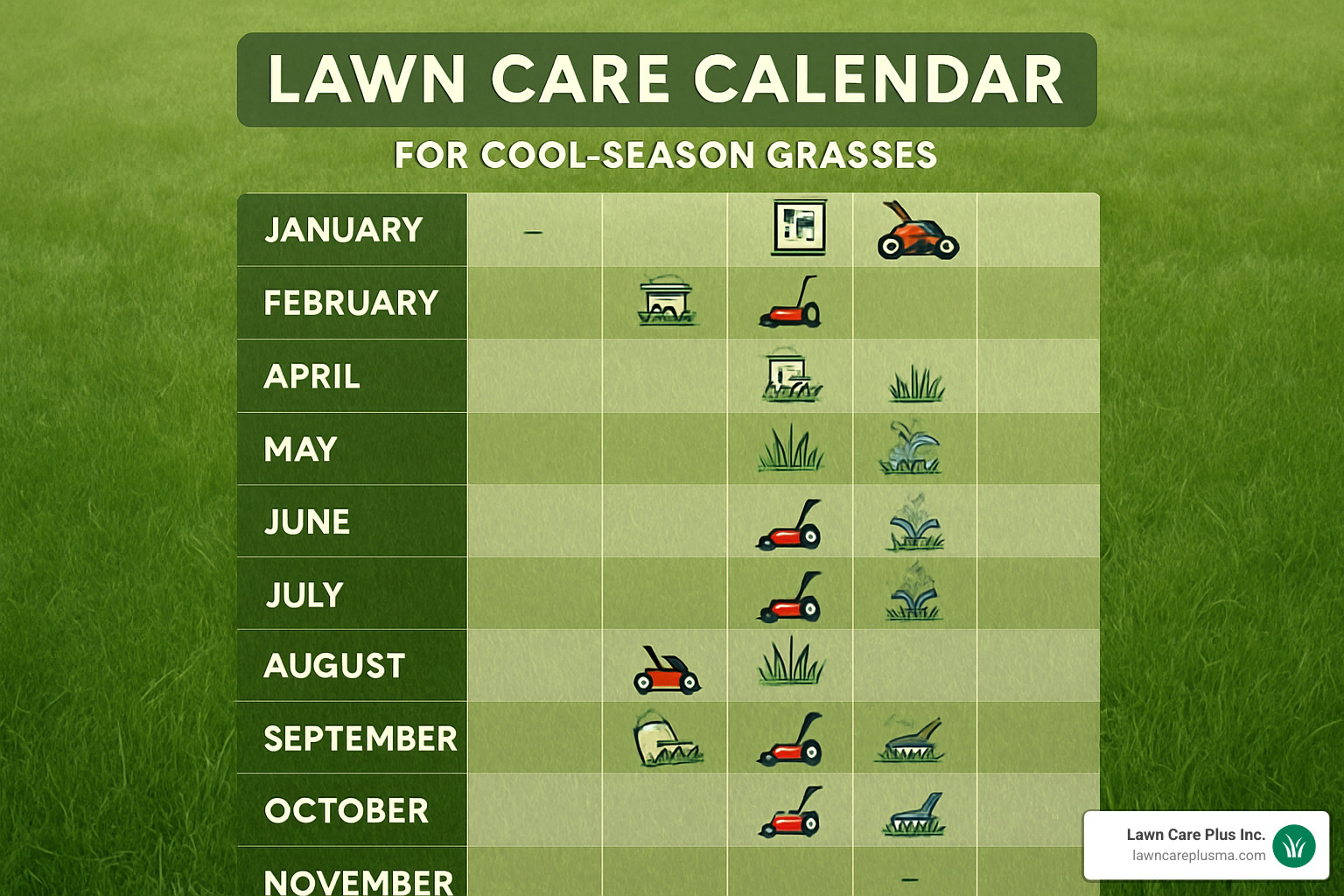
Think of your lawn as living in four distinct chapters throughout the year, each requiring its own special attention. Let’s walk through the seasons together.
Spring Lawn Care and Maintenance Essentials
As winter’s grip loosens and the first hints of green emerge, it’s time to wake up your lawn from its long slumber.
In early spring (March-April), start with a gentle raking to remove winter debris and fluff up matted grass. This simple task improves air circulation and prevents fungal diseases. Keep an eye on those forsythia bushes—when they bloom, it’s your signal that soil temperatures have reached about 55°F for three consecutive days, the perfect time to apply pre-emergent herbicide to stop crabgrass before it starts.
Before that first cut, don’t forget to sharpen your mower blades. A clean cut helps grass heal quickly and reduces stress. Begin mowing when your grass reaches about 3 inches tall, but remember the one-third rule: never remove more than a third of the blade length in a single mowing.
As we move into late spring (May-early June), your lawn’s growth accelerates. This might be the time for a light fertilizer application if your soil test indicates a need. It’s also prime time to spot-treat any broadleaf weeds while they’re actively growing and to dethatch if your thatch layer exceeds half an inch. Once soil temperatures consistently hit 65°F, you can overseed any thin areas to fill in your lawn.
Spring is the perfect season to evaluate your lawn’s overall health and plan for the year ahead. Our lawn maintenance services can help get your lawn off to a strong start.
Summer Survival Strategy
Summer brings unique challenges for our cool-season Massachusetts lawns. During these hot months, we shift from promoting growth to preserving what we’ve established.
Adjust your mowing practices by raising your cutting height to 3-4 inches. This longer grass shades the soil, reducing evaporation and discouraging weed germination. Schedule your mowing for morning or evening to minimize heat stress, and consider cutting less frequently during drought periods.
Smart watering becomes crucial in summer. Aim for approximately one inch of water per week, including rainfall. Deep, infrequent watering encourages roots to grow downward, creating drought-resistant turf. Early morning (5-9 AM) is the ideal watering window—it reduces evaporation while giving grass time to dry before evening, minimizing disease risk.
Summer is also when pests become active. Regularly inspect your lawn for signs of chinch bugs, sod webworms, and grubs. Brown patches can indicate insect damage, disease, or drought stress, so prompt identification is key to effective treatment.
Our grass cutting services adapt to summer conditions, adjusting cutting heights and schedules to keep your lawn resilient even during challenging heat waves.
Fall Renovation and Feeding
Fall is truly the season of opportunity for New England lawns. The combination of warm soil, cooler air, and typically reliable rainfall creates ideal conditions for lawn improvement.
Early fall (September-October) is the perfect time for core aeration, which relieves soil compaction and improves both water infiltration and root growth. This is also the prime season for overseeding with quality grass varieties suited to your specific conditions. The seeds germinate quickly in the warm soil, and the young grass has time to establish before winter dormancy.
Fall is also when cool-season grasses naturally focus on root development. Support this process with a slow-release nitrogen fertilizer application. Continue regular mowing until growth stops, gradually lowering the height with the final cuts of the season.
In late fall (November), apply a final winterizing fertilizer after top growth stops but before the ground freezes. This feeds the roots throughout the winter months. Stay diligent with leaf removal to prevent smothering your grass, and complete your final mowing at about 2-2.5 inches to reduce snow mold risk.
If you’re planning major lawn renovations, fall is your golden opportunity in our region. The natural conditions simply can’t be beaten for establishing new grass.
Winter Prep
Though your grass stops growing in winter, this dormant season is far from idle for the thoughtful lawn caretaker.
Use winter to give your equipment some TLC. Clean and service your lawn mower, sharpen and balance the blades, and either empty gas tanks or add stabilizer to prevent fuel system issues. Proper storage protects your investment and ensures you’re ready for spring.
Protect your dormant lawn by avoiding walking on frozen grass, which can break grass blades and damage crowns. Minimize salt use near lawn areas, or consider pet-safe ice melt alternatives. Plan snow piling locations strategically to prevent salt damage and excessive compaction.
Winter is also the perfect time for reflection and planning. Review what worked well (and what didn’t) in the previous growing season. Research seed varieties for spring projects, and most importantly, schedule early for spring services to ensure availability when the growing season returns.
The quiet winter months provide an excellent opportunity to consult with our team at Lawn Care Plus Inc. Together, we can develop a comprehensive lawn care and maintenance plan custom to your property’s specific needs, ensuring you’re ready to hit the ground running when spring arrives.
Advanced Maintenance & Problem Solving
Even with proper routine care, lawns occasionally need specialized attention to address specific issues. Understanding these advanced lawn care and maintenance techniques can help restore your lawn to peak condition and keep it looking its best year-round.
Aeration and Dethatching for Better Lawn Care and Maintenance
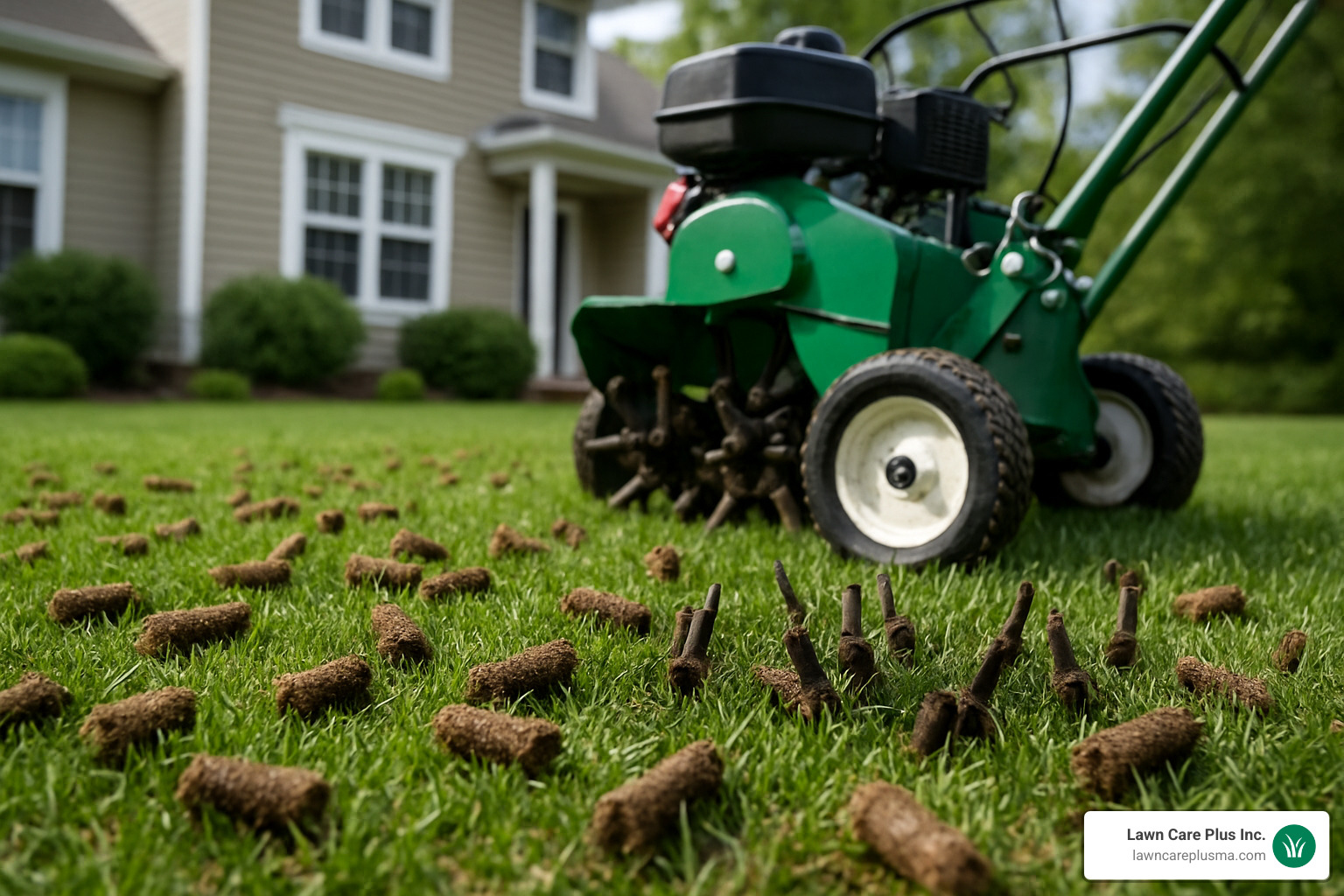
Your lawn needs to breathe. Aeration creates small holes in the soil that allow air, water, and nutrients to penetrate deep into the root zone. When done regularly, this simple process can boost your grass density by an impressive 15-20%!
When it comes to aeration methods, you have options. Core aeration physically removes small plugs of soil (typically 2-3 inches deep) and is ideal for severely compacted lawns. Those little soil cylinders you see scattered across freshly aerated lawns aren’t messy mistakes—they’re actually working to improve your soil as they break down.
Liquid aeration, on the other hand, uses specialized solutions to break down soil particles and works well as a maintenance approach for lawns with mild compaction. It’s less disruptive but may not provide the immediate benefits of core aeration.
As for dethatching, think of it as giving your lawn a deep exfoliation. That layer of dead grass and roots between your soil and green grass? When it exceeds ½ inch, it’s actually blocking water and nutrients from reaching the roots. Removing it can make a world of difference.
The timing matters tremendously here. In Massachusetts, early fall is your golden window for both aeration and dethatching. The soil should be moist but not waterlogged, and performing these tasks before overseeding gives new grass the perfect environment to flourish. For most lawns in our service area, annual aeration is sufficient to maintain soil health.
Weed Control Tactics
The battle against weeds is ongoing, but with the right approach, you can definitely win the war. The most effective strategy isn’t just about reaching for herbicides—it starts with cultural practices that naturally discourage weed growth.
Mowing height is your first line of defense. Keeping your grass a bit taller (around 3-3.5 inches for cool-season grasses) creates natural shade that prevents many weed seeds from germinating. Those extra inches of blade length can reduce weed germination by up to 50%!
When weeds do appear, manual removal works wonders for smaller lawns or isolated problems. Pull them when the soil is moist to ensure you get the entire root system. There’s something satisfying about removing a dandelion, taproot and all!
For more widespread issues, herbicides can play a role in your lawn care and maintenance strategy. Pre-emergent herbicides create a barrier that prevents weed seeds from sprouting, while post-emergent products target weeds that are already growing. Always opt for selective herbicides that target specific weed types without harming your grass.
If you prefer natural solutions, a homemade mixture of white vinegar, salt, and dish soap can be effective for spot treatments. Corn gluten meal works as a natural pre-emergent, though it needs to be applied at precisely the right time to be effective.
The ultimate weed control is a thick, healthy lawn that naturally outcompetes weeds for resources. Focus on building that, and you’ll find yourself dealing with fewer weeds over time.
Pest & Disease Diagnosis
When brown patches appear in your otherwise healthy lawn, playing detective becomes necessary. In Massachusetts lawns, several common culprits might be responsible.
Grubs are among the most destructive lawn pests in our region. These C-shaped larvae feast on grass roots, creating patches of dead grass that you can easily pull up like a loose carpet. If you can lift sections of your lawn without resistance, flip them over and look for these cream-colored pests.
Chinch bugs are tiny but troublesome insects that suck the juices from grass plants, causing yellowish patches that don’t respond to watering. They’re particularly active during hot, dry periods, making them a common summer problem.
On the disease front, brown patch creates circular brown areas with dark borders and is especially common during humid summer conditions. Dollar spot appears as small, silver-dollar sized spots that can eventually merge into larger affected areas, while snow mold becomes visible as pink or gray patches after snow melts in spring.
At Lawn Care Plus Inc., we follow Integrated Pest Management (IPM) principles to address these issues. This means we first identify the specific problem, then implement cultural controls like improving drainage or adjusting mowing practices. We’ll suggest biological controls when possible (like beneficial nematodes for grub control) and only recommend targeted chemical treatments when absolutely necessary to keep your lawn healthy.
Fixing Bare Spots and Overseeding
Those bare patches in your lawn aren’t just eyesores—they’re open invitations for weeds to move in. Fortunately, repairing them is straightforward with the right technique.
For smaller bare spots, start by removing any dead grass and gently loosening the soil surface. Add a thin layer (about ¼ inch) of quality topsoil or compost, then spread grass seed that matches your existing lawn. The key to success is ensuring good seed-to-soil contact by lightly raking the area after seeding.
The watering routine is crucial during this repair phase. Light, frequent waterings (2-3 times daily) keep the seed moist until germination, after which you’ll transition to deeper, less frequent watering to encourage strong root development.
For larger areas that need rejuvenation, overseeding is your best approach. Start by mowing your existing grass slightly shorter than normal, then core aerate to create perfect little pockets for new seed. Apply seed at the recommended rate for your grass type, add starter fertilizer if your soil test indicates a need, and maintain consistent moisture until the new grass establishes.
Here in Massachusetts, late summer to early fall (late August through September) provides the ideal conditions for these repairs. The soil is still warm from summer, air temperatures are moderating, and natural rainfall typically increases—creating the perfect environment for seed germination.
For extensive renovations or particularly challenging areas, our team at Lawn Care Plus Inc. can combine aeration with hydroseeding for spectacular results. This technique applies seed, fertilizer, mulch, and moisture-retaining agents in one application, dramatically improving germination rates and establishment.
Sustainable Practices, Budgets & Alternatives
Modern lawn care and maintenance increasingly emphasizes sustainability—practices that maintain beautiful lawns while minimizing environmental impact and reducing long-term costs.
Low-Chemical Lawn Strategies
You don’t need to douse your lawn in chemicals to achieve that lush, green carpet everyone envies. In fact, reducing chemical inputs often creates a more resilient lawn in the long run.
Organic fertilization offers a gentler approach to feeding your lawn. Consider applying a quarter-inch top-dressing of compost annually—it’s like a multivitamin for your soil, releasing nutrients slowly while improving soil structure. Organic fertilizers derived from natural sources like alfalfa, bone meal, or seaweed break down gradually, feeding your lawn without the feast-or-famine cycle of synthetic options.
Have you tried compost tea? This “probiotic smoothie” for your lawn introduces beneficial microorganisms that improve soil health from the ground up. Your grass will thank you with deeper roots and better resistance to stress.
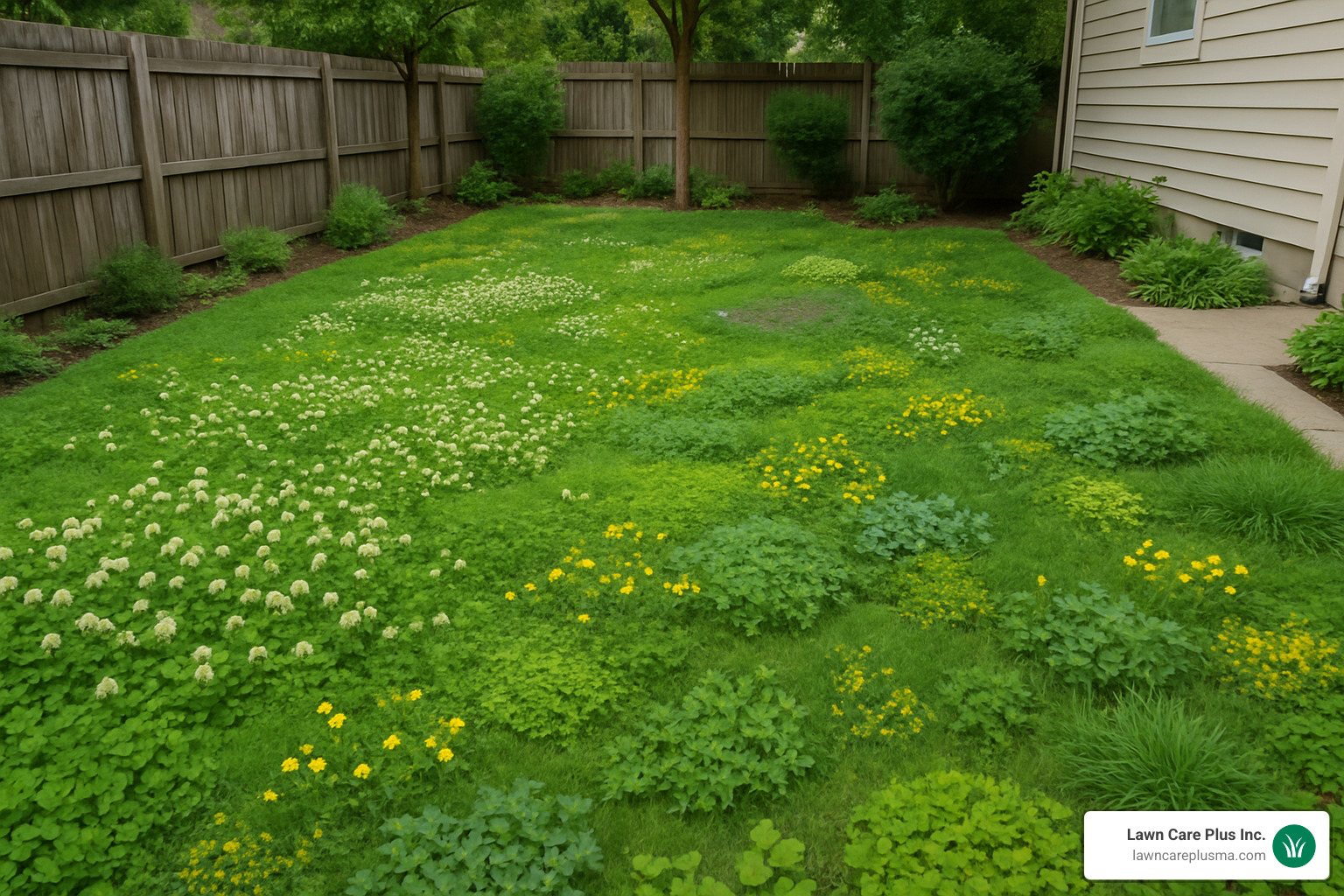
Adding micro-clover to your lawn seed mix creates a natural nitrogen factory right in your yard. These tiny clover varieties blend beautifully with grass while fixing nitrogen from the air—essentially manufacturing their own fertilizer! Plus, they stay green during drought when traditional grass might brown out.
Modern grass seed technology has developed endophyte-improved varieties that naturally resist insects and disease without chemicals. These special grass types form a mutually beneficial relationship with beneficial fungi, creating a lawn that defends itself.
Being pollinator-friendly doesn’t mean surrendering to a yard full of weeds. Consider tolerating small patches of flowering plants like clover or even dandelions in less visible areas. These provide critical food sources for bees and butterflies while you maintain a more manicured look in high-visibility areas. According to scientific research on organic lawns, these integrated approaches create turf that’s not only environmentally friendly but also more drought-resistant and disease-resistant over time.
Smart Watering & Irrigation
Even in Massachusetts, water conservation matters—both for your wallet and the environment. Smart irrigation practices can reduce water usage by 30-50% while maintaining a healthy lawn.
Morning watering (between 5-9 AM) is the golden rule of efficient irrigation. This timing allows water to soak into the soil before the day’s heat causes evaporation, while also giving grass blades time to dry, reducing disease risk. Apply between 0.5-0.75 inches per session, allowing the soil to dry slightly between waterings—this encourages deeper root growth and drought tolerance.
If you’re using an irrigation system, consider upgrading to smart controllers that adjust watering schedules based on weather conditions. These systems can sense rainfall or monitor weather forecasts, preventing the all-too-common sight of sprinklers running during a rainstorm. Matched precipitation heads ensure even coverage, eliminating those frustrating dry spots and puddles that waste water.
During water restrictions (which are becoming more common), prioritize newly seeded areas and young trees, allowing established lawns to go dormant temporarily. Don’t worry—cool-season grasses are remarkably resilient and will green up again when rain returns. For long-term planning, consider rainwater harvesting systems that collect roof runoff for landscape use.
Budgeting for Lawn Care
Understanding the costs associated with lawn care and maintenance helps you plan effectively without unpleasant surprises.
The DIY approach requires an initial investment in equipment—a decent mower, trimmer, and spreader might cost anywhere from $500 for basic models to $2,000 or more for higher-end tools. Annual materials like seed, fertilizer, and soil amendments typically run between $200-$800 depending on your lawn’s size and condition. Then there’s the time investment—expect to spend 30-60 minutes weekly during the growing season on basic maintenance.
For professional services, based on internet data only (not Lawn Care Plus Inc. pricing), comprehensive lawn care programs typically range from $800-$2,500+ annually for average-sized properties. This wide range reflects differences in property size, service frequency, additional services like aeration or overseeding, and local market conditions.
Smart homeowners save money through strategic timing of major services. For example, combining core aeration with overseeding in early fall maximizes effectiveness while minimizing labor costs. Mulch-mowing (leaving clippings on the lawn) can reduce fertilizer needs by up to 25%, saving both money and time spent bagging.
A soil test (typically $15-30) might seem like an extra expense, but it prevents wasting money on unnecessary products. Why apply lime if your soil pH is already perfect? At Lawn Care Plus Inc., we can help you create a customized maintenance plan that fits your budget while ensuring your lawn receives essential care.
Alternatives to Traditional Turf
Sometimes the traditional lawn isn’t the best solution for every part of your property. Consider these alternatives for areas that are difficult to maintain or seldom used.
Micro-clover blends create a lush carpet that requires less fertilizer, less frequent mowing, and stays green longer during drought periods. The tiny clover leaves blend beautifully with grass while naturally fixing nitrogen from the air. For sunny, low-traffic areas, fine fescue mixes need minimal maintenance once established.
Native groundcovers offer beautiful, ecologically valuable alternatives to grass in challenging areas. Pennsylvania sedge and other native sedges thrive in shade where grass struggles, creating a natural-looking ground layer that needs minimal care. For sunny spots, creeping thyme or sedum provide drought-tolerant, flowering alternatives that can handle light foot traffic.
Converting seldom-used lawn areas to native meadows dramatically reduces maintenance while creating habitat for butterflies, bees, and birds. These areas need mowing just once or twice yearly, typically in late fall or early spring. The visual interest of seasonal wildflowers and ornamental grasses often surpasses that of traditional turf, especially in larger properties.
Artificial turf has its place in specific situations—perhaps a heavily shaded area where grass won’t grow, or a small play space that gets intense use. The pros include zero mowing, watering, or fertilizing, plus a consistently green appearance year-round. However, the cons are significant: high initial cost, heat retention (it can get uncomfortably hot in summer), limited lifespan of 8-15 years, and environmental concerns about microplastics. It’s best used selectively for small, specific areas rather than large expanses.
Our landscaping services team can help you evaluate these options and implement solutions that reduce maintenance headaches while enhancing your property’s beauty and ecological value.
Frequently Asked Questions about Lawn Care and Maintenance
What are the most common lawn care mistakes?
Even the most enthusiastic homeowners can inadvertently damage their lawns through common mistakes. Improper mowing tops the list – cutting grass too short (scalping) stresses your lawn and creates an open invitation for weeds to take root. Always follow the one-third rule by never removing more than one-third of the grass blade in a single mowing session.
Overwatering is another frequent misstep. Those daily light sprinklings might seem helpful, but they actually encourage shallow root systems and fungal diseases. Instead, water deeply but infrequently to promote strong, drought-resistant roots that reach deep into the soil.
Many homeowners also struggle with incorrect fertilizer timing. Applying high-nitrogen fertilizer during summer heat can literally burn your grass and promote disease. Here in Massachusetts, your lawn will respond best to fertilization in early spring, early fall, and late fall when grass can properly use the nutrients.
Perhaps the most fundamental mistake is ignoring soil conditions. Think of it this way – trying to grow a beautiful lawn without addressing underlying soil issues is like painting over a cracked wall. A simple soil test can prevent years of frustration and wasted resources.
Finally, many of us fall victim to unrealistic expectations. Not every yard needs to look like a golf course! Setting appropriate goals based on your lawn’s use, location, and the time you can realistically dedicate to maintenance leads to more satisfaction and success.
How do I adapt my routine during drought or water bans?
When water restrictions hit Massachusetts (as they occasionally do during summer months), it’s time to shift your focus from lawn perfection to lawn survival:
First, be willing to let your lawn go dormant. This is a natural protection mechanism – cool-season grasses will turn brown but can survive 4-6 weeks without significant water. Your lawn isn’t dead; it’s just taking a nap until better conditions return.
If you must choose where to use limited water, prioritize trees and shrubs. These landscape investments take years to mature and are far more difficult and expensive to replace than grass, which can recover relatively quickly.
Simple adjustments to your lawn care and maintenance routine can help too. Raise your mowing height to the highest recommended setting for your grass type – taller grass shades the soil, reducing evaporation and stress. And try to limit foot traffic on drought-stressed lawns, as walking on parched grass can cause damage that persists long after rain returns.
Most importantly, plan for recovery. Once restrictions lift, core aeration and overseeding will help restore your lawn’s density and health. Our team can help you develop a drought management plan that preserves your landscape investment while complying with local regulations.
When should I hire a professional versus DIY?
The DIY approach works well for many aspects of lawn care and maintenance, but there are clear situations where professional help makes sense:
Time constraints are perhaps the most common reason homeowners call us. Quality lawn care requires regular attention during the growing season – if your weekends are already packed with family activities and other responsibilities, professional services ensure your lawn doesn’t suffer from neglect.
Persistent problems that don’t respond to your best DIY efforts often indicate underlying issues that professionals can better diagnose and address. We’ve seen countless lawns transformed after years of homeowner frustration simply because we identified the real culprit – whether soil compaction, improper pH, or disease issues.
Some tasks require specialized equipment that doesn’t make financial sense for homeowners to purchase. Services like core aeration, hydroseeding, or major renovations need professional-grade equipment that’s expensive to buy for one-time use.
Many homeowners appreciate the peace of mind that comes with comprehensive care. Professional programs provide systematic attention throughout the year, often with better results than sporadic DIY efforts. There’s something reassuring about knowing experts are monitoring your lawn’s health and addressing issues before they become problems.
Finally, when establishing a new lawn, professional installation and initial maintenance can set your property up for years of health. The first year is critical for long-term success, and mistakes during establishment can create problems that persist for seasons to come.
At Lawn Care Plus Inc., we offer flexible service options for Boston Metro-West homeowners, from complete maintenance programs to targeted treatments for specific issues. Our experience with local conditions throughout our service area ensures your lawn receives appropriate care for our unique New England climate.
Conclusion
Effective lawn care and maintenance is both a science and an art. By understanding the fundamental principles—choosing the right grass, improving soil health, following seasonal maintenance schedules, and addressing problems promptly—you can create a lawn that improves your property’s beauty, value, and environmental benefits.
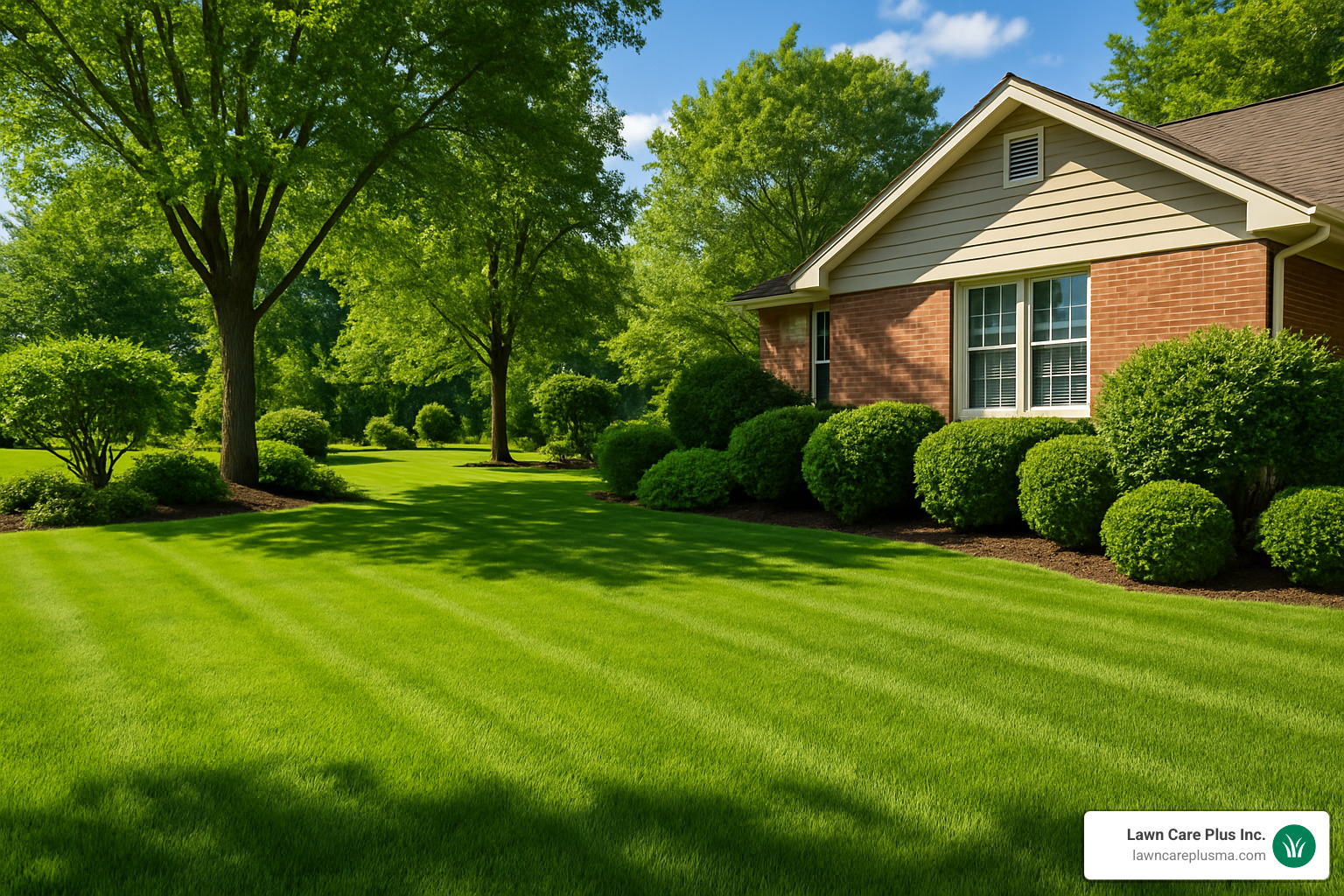
When you invest in your lawn, you’re not just creating a beautiful green space—you’re providing real benefits for your family and the environment. A well-maintained lawn acts as a natural filter, cleaning pollutants from both air and water. It prevents soil erosion during heavy New England rains and significantly reduces runoff that might otherwise carry contaminants into our local waterways.
During those hot summer months we experience in Massachusetts, your healthy lawn serves as a natural cooling system for your property, making outdoor gatherings more comfortable. Plus, there’s nothing quite like the feeling of walking barefoot across soft, lush grass in your own backyard—creating memories that last a lifetime.
The financial benefits are substantial too. A properly maintained lawn can boost your home’s curb appeal and market value, making it a smart investment for the future.
At Lawn Care Plus Inc., we understand the unique challenges that New England lawns face. Our team brings years of local experience to every property we service throughout the Boston Metro-West area. We’re not just lawn care providers—we’re your neighbors and partners in creating outdoor spaces that improve your lifestyle while respecting our shared environment.
From routine mowing and fertilization to complete lawn renovations, our experienced team provides comprehensive landscaping services custom specifically to Massachusetts conditions. We understand the soil, climate, and grass varieties that thrive in Newton, Needham, Brookline, and all our service areas.
What sets our approach apart is our balance of tried-and-true techniques with innovative, sustainable solutions. We believe you shouldn’t have to choose between a beautiful lawn and environmental responsibility—with the right knowledge and care, you can enjoy both.
Ready to transform your lawn into the envy of the neighborhood? Contact Lawn Care Plus Inc. today for personalized advice or to schedule a consultation. Your journey to a healthier, more beautiful lawn begins with a conversation about your specific needs and goals—and we’re ready to listen.
