Why Choosing the Best Fertilizer for Zoysia Grass Actually Matters
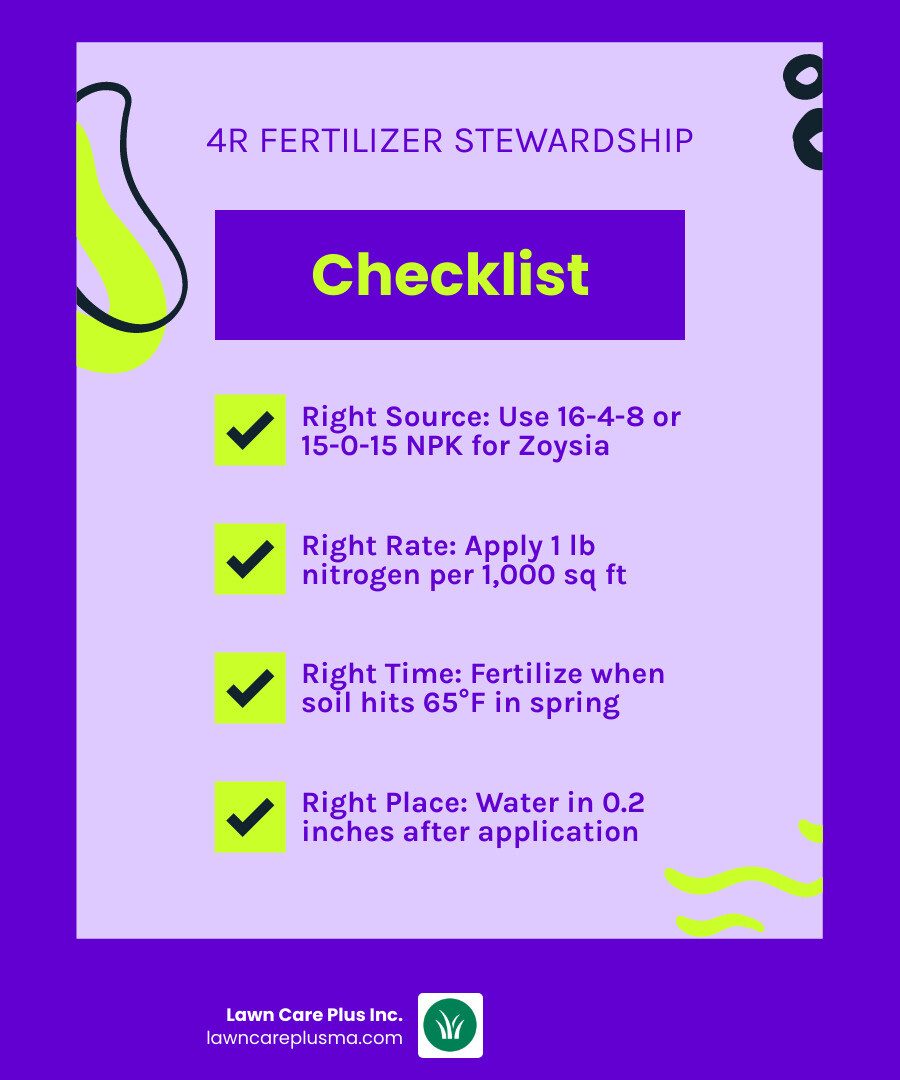
The best fertilizer for zoysia grass is a slow-release, nitrogen-forward formula with an NPK ratio around 16-4-8 (or a 4-1-2 ratio), applied during active growth between late spring and late summer.
Here are the top fertilizer picks for Zoysia lawns:
| Fertilizer | NPK Ratio | Best For |
|---|---|---|
| Lesco Professional / Andersons PGF Complete | 16-4-8 | Spring and early summer feeding |
| Simple Lawn Solutions Lawn Booster | 15-0-15 | Summer heat and drought resilience |
| Milorganite Slow-Release | 6-4-0 | Organic, low-burn feeding all season |
| Scotts WinterGuard | 3-18-18 | Fall root strengthening |
| Ironite | 1-0-1 | Quick color correction and greening |
Key facts to know:
- Apply 1.5 to 2 lbs of actual nitrogen per 1,000 sq ft per year for most lawns
- Never apply more than 1 lb of nitrogen per 1,000 sq ft in a single application
- Wait until soil temperature reaches 65°F before the first spring application
- Always get a soil test before starting — it changes everything
Zoysia is one of the toughest warm-season grasses you can grow. It handles heat, foot traffic, and drought better than most alternatives. But it’s also a slow grower, and that slow growth can fool you into thinking it needs more fertilizer than it actually does. Overfeed it, and you end up with thatch buildup, disease pressure, and a weakened lawn — the opposite of what you wanted.
Getting the fertilizer right means understanding what Zoysia needs, when it needs it, and how much to apply. That balance is what separates a lush, dense carpet of green from a patchy, struggling lawn.
I’m Tim DiAngelis, owner of Lawn Care Plus, Inc. in Roslindale, Massachusetts, and after more than a decade maintaining lawns across Greater Boston and Metro-West, I’ve learned that choosing the best fertilizer for zoysia grass comes down to timing, soil health, and using the right NPK ratio for the right season. In the sections below, I’ll walk you through exactly how to do that.
Understanding the Best Fertilizer for Zoysia Grass Ratios
When you walk into a garden center in April 2026, the rows of fertilizer bags can look like a confusing alphabet soup of numbers. Those three numbers on the front of the bag represent the NPK ratio: Nitrogen (N), Phosphorus (P), and Potassium (K). For Zoysia, the ratio is everything.
Nitrogen is the fuel for that deep green color and top growth. Phosphorus focuses on root strength—vital for fertilizer for new sod—and Potassium acts as a multivitamin, helping the grass withstand the “chaotic” New England weather we see in places like Newton and Brookline.
Choosing the Best Fertilizer for Zoysia Grass by NPK
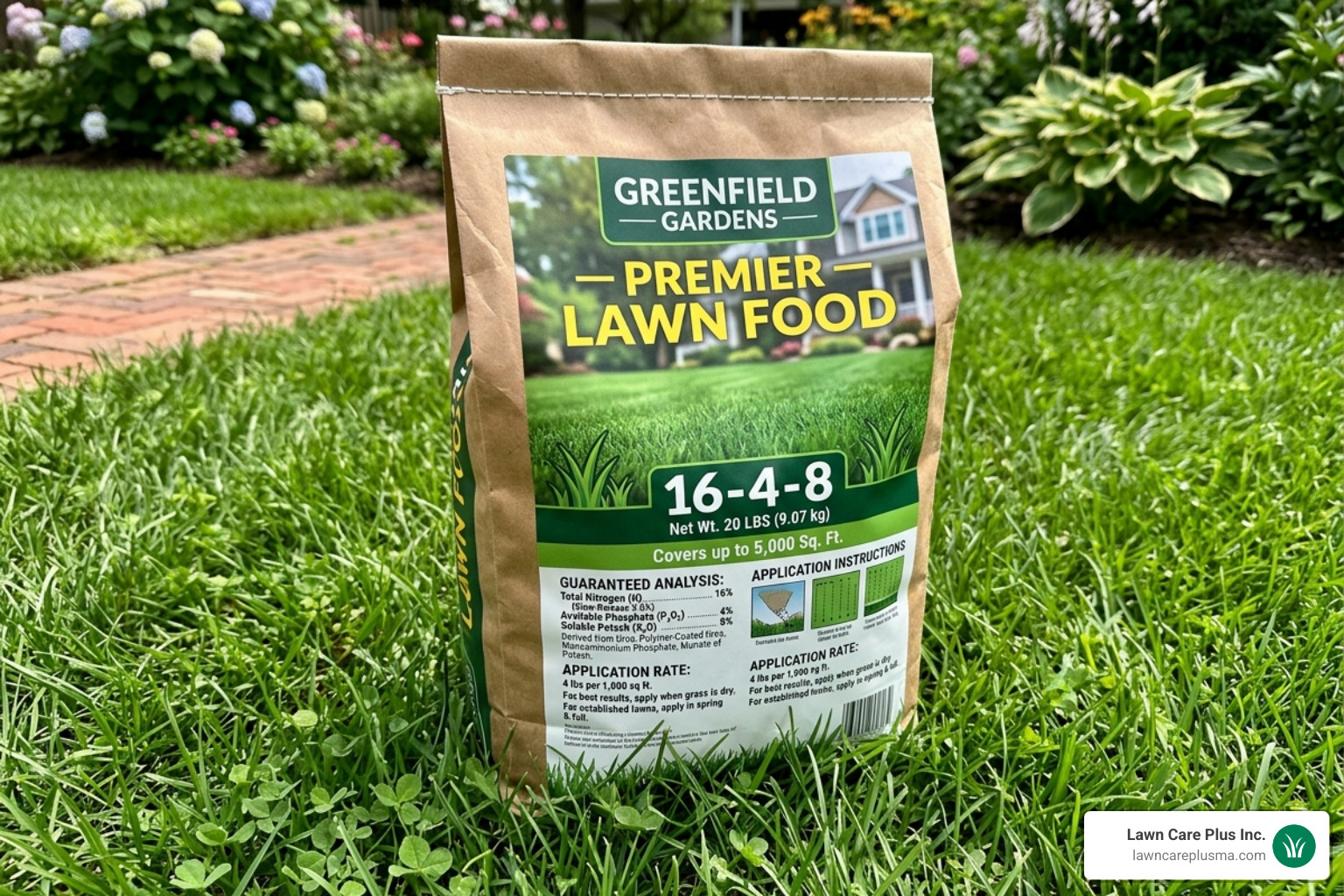
Most sod farms and expert recommendations for Zoysia growth suggest a 4-1-2 or 3-1-2 ratio for established Zoysia. This usually translates to a 16-4-8 blend. This balanced approach ensures the grass gets enough nitrogen to stay green without causing a “flush” of growth that leads to heavy thatch.
Zoysia is a moderate feeder. While high-maintenance lawns might push for 3-4 pounds of nitrogen annually, the sweet spot for most residential lawn care in Massachusetts is about 1.5 to 2 pounds of actual nitrogen per 1,000 square feet per year.
Don’t forget the micronutrients! Iron and magnesium are the “secret sauce” for Zoysia. If your lawn looks pale but you’ve already applied nitrogen, it’s likely an iron deficiency. Adding a product with 5% iron can turn a lime-green lawn into a deep emerald carpet in just 48 to 72 hours.
Soil pH and Nutrient Bioavailability
You could buy the most expensive fertilizer on the planet, but if your soil pH is off, your Zoysia won’t be able to “eat” it. Zoysia prefers a slightly acidic environment, ideally between 6.0 and 6.5.
In the Boston Metro-West area, we often see soil that leans too acidic or has been neglected. If the pH drops below 6.0, nutrients like nitrogen and phosphorus become “locked” in the soil. On the flip side, if the soil is too alkaline, micronutrients like iron become unavailable. Part of our spring lawn care routine always includes checking these levels. If your pH is low, we use lime; if it’s high, elemental sulfur or humic acid can help bring it back into the strike zone.
Top Product Categories for a Lush Zoysia Lawn
Not all fertilizers are created equal. Some are designed to give your lawn a quick “energy drink” boost, while others are more like a slow-cooked meal. For a slow-growing grass like Zoysia, the delivery method matters just as much as the nutrients inside, as noted in this comprehensive fertilizer guide.
| Feature | Slow-Release Granular | Quick-Release Liquid |
|---|---|---|
| Best Use | Seasonal maintenance | Color correction / “Fast fix” |
| Growth Pattern | Steady and consistent | Sudden surge |
| Risk of Burn | Low | High (if applied in heat) |
| Longevity | 6–10 weeks | 2–4 weeks |
| Application | Broadcast spreader | Hose-end sprayer |
Slow-Release vs. Quick-Release Formulas
For the best fertilizer for zoysia grass, we almost always lean toward slow-release granular formulas. Why? Because Zoysia is naturally prone to thatch—that spongy layer of organic matter between the grass blades and the soil. Quick-release nitrogen causes the grass to grow faster than the soil microbes can break down the old clippings.
Slow-release types, like sulfur-coated urea or IBDU, release nitrogen gradually over 8 weeks. This prevents “nitrogen burn” and keeps your lawn a consistent color rather than a rollercoaster of bright green and dull yellow. If you are learning how to care for new sod, slow-release is your best friend to avoid scorching those young, tender roots.
Organic and Natural Alternatives
If you prefer a more sustainable approach to lawn care and maintenance, organic fertilizers are fantastic for Zoysia. Products like Milorganite (6-4-0) or composted manures use soil microbes to break down the fertilizer.
These organic options are virtually “burn-proof.” They also improve the soil structure over time, which is a huge plus in the varied soil types we find from Dedham to Walpole. While they work more slowly than synthetic blends, they provide a broad spectrum of micronutrients and amino acids that keep the soil biology thriving.
Seasonal Timing: When to Apply the Best Fertilizer for Zoysia Grass
Timing is the most common place where homeowners trip up. Since Zoysia is a warm-season grass, it “sleeps” (stays dormant) much longer than the cool-season grasses your neighbors might have, according to this Zoysia grass fertilizer guide. If you fertilize while Zoysia is still brown, you aren’t feeding the grass—you’re just feeding the dandelions.
Spring and Summer Feeding Schedules
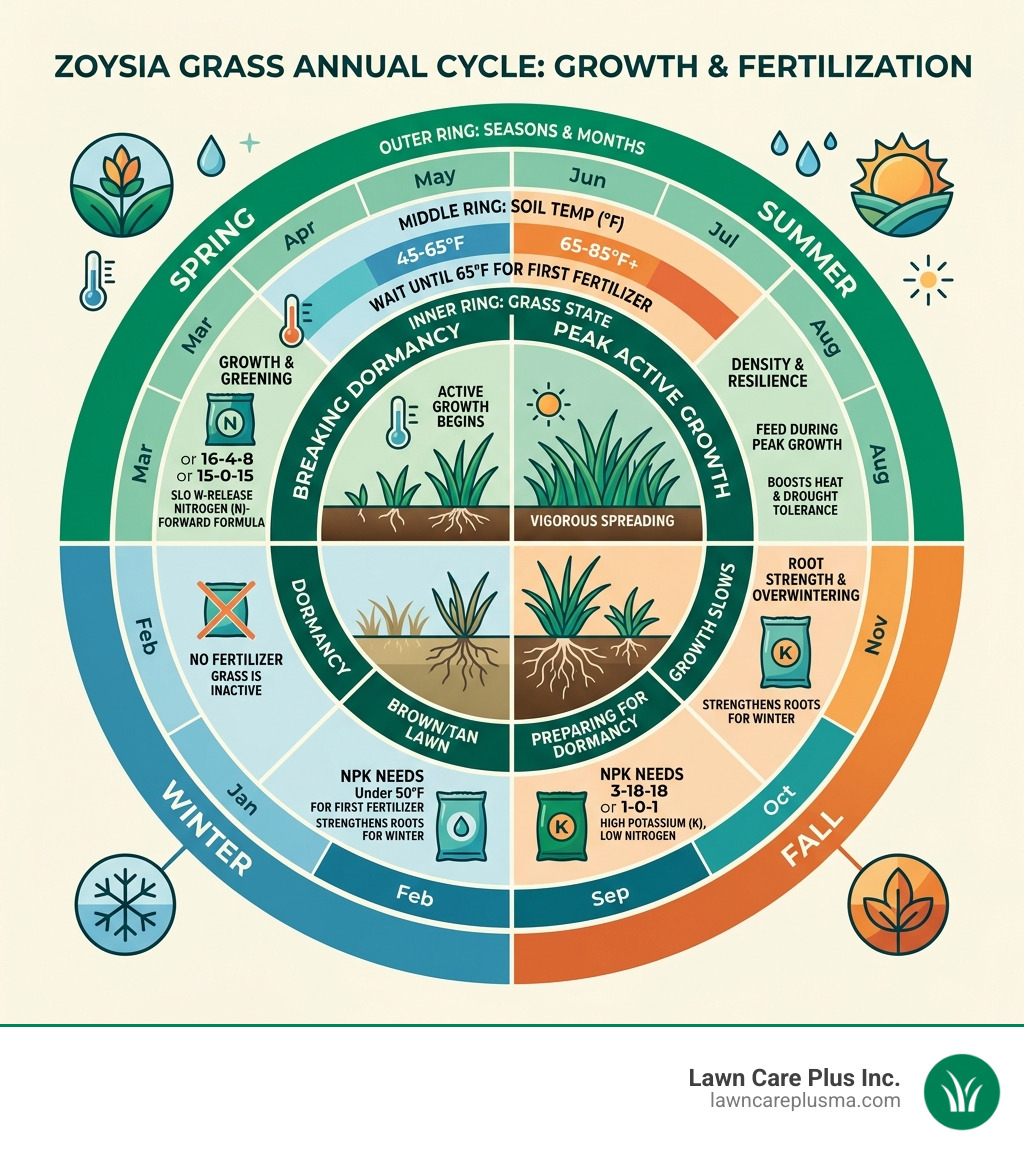
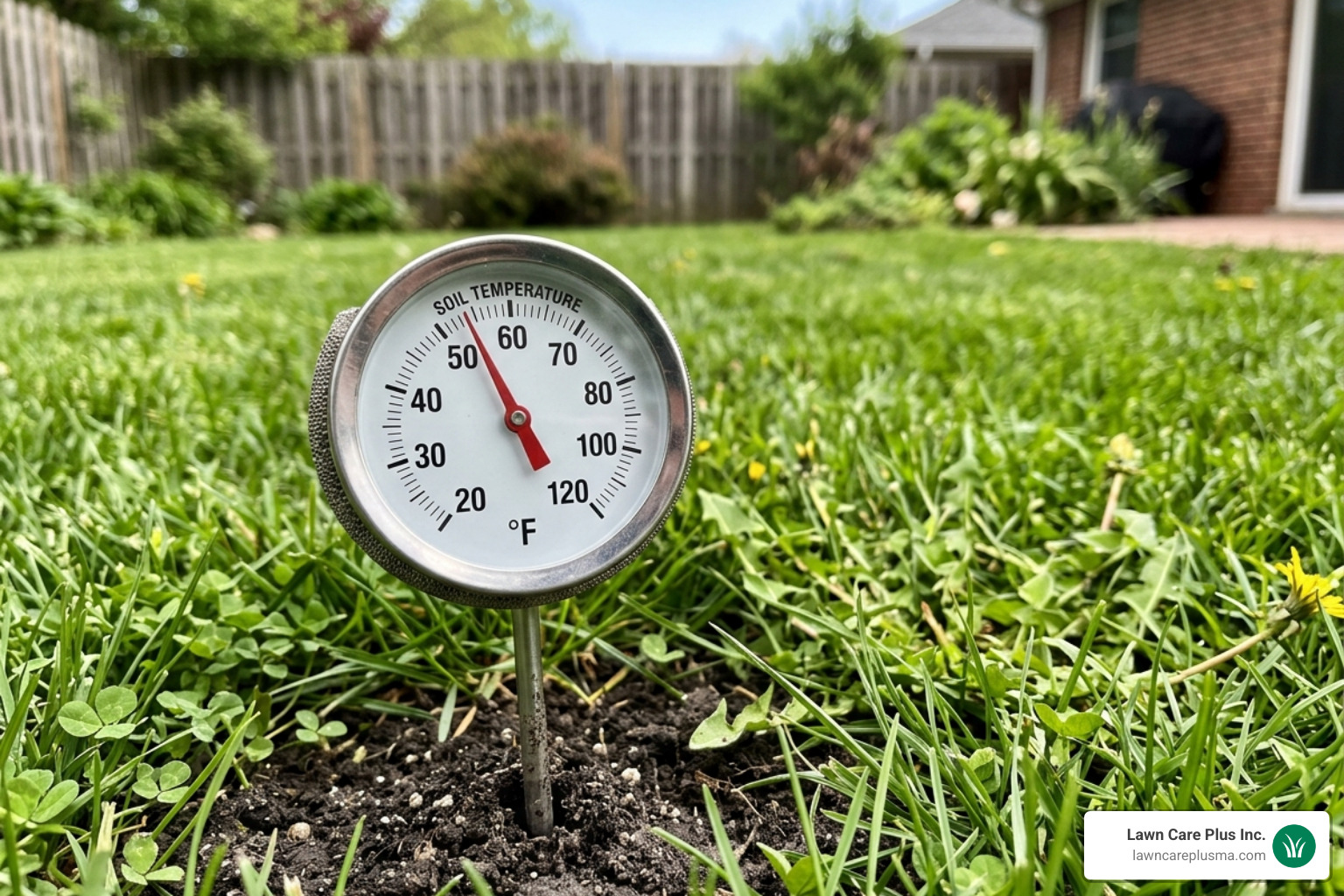
The golden rule for the first application of the year: Wait for full green-up. This usually happens when the soil temperature at a 4-inch depth consistently hits 65°F. In the Boston area, this is typically late April or early May.
Once the grass is active, we recommend “spoon-feeding” the lawn. Instead of one heavy application, apply smaller amounts every 6–8 weeks through the peak of summer. This sustained nutrition keeps the turf dense enough to outcompete weeds naturally. If you’ve just installed a new lawn, follow the when to mow new sod guidelines before you start your heavy summer feeding.
Fall Preparation and Winter Hardiness
By mid-August or early September, your fertilization strategy should shift. This is the time to put away the high-nitrogen bags and reach for something high in Potassium.
Potassium is critical for root strength and “winterizing” the plant. It helps the Zoysia store energy to survive the freezing Massachusetts winters. We generally recommend stopping all nitrogen applications by mid-August in Zone 6/7. Applying nitrogen too late in the fall can keep the grass “awake” too long, making it vulnerable to winter kill. A final application of a 3-18-18 or 15-0-15 blend in early September is the perfect “tuck-in” for the dormant season. This is also a great time to schedule fall yard clean-ups to clear debris before the snow flies.
Application Techniques and Regional Considerations
Applying the best fertilizer for zoysia grass isn’t just about the product; it’s about the precision. Zoysia’s density is its greatest strength, but it also means granular fertilizer can sometimes get “stuck” on top of the canopy instead of reaching the soil.
Our Pro Tips for Application:
- Water it in: Unless the bag says otherwise, always apply about 0.2 inches of water immediately after fertilizing. This “washes” the nutrients off the blades and into the root zone.
- Mow first: Mowing the lawn before you fertilize removes excess growth and allows the granules to settle into the soil more easily.
- Calibrate your spreader: Every fertilizer has a different weight. Don’t guess. Calibrate your broadcast spreader to ensure you’re hitting that 1 lb of nitrogen per 1,000 sq ft limit.
When to Apply the Best Fertilizer for Zoysia Grass in Massachusetts
Growing Zoysia in the Boston Metro-West area—from Waltham to Milton—comes with unique challenges. We are in the “transition zone,” meaning our winters are harsh for warm-season grasses.
Because our soil can vary from heavy clay to rocky fill, drainage is key. If your soil doesn’t drain well, fertilizer can sit and cause root rot in Zoysia. We often integrate fertilizer applications with our lawn care services and irrigation checks to ensure the grass is getting exactly what it needs to thrive in our specific climate. For those starting from scratch, our lawn installation services ensure the soil base is prepped correctly from day one.
Common Mistakes and Average Costs
The biggest mistake? The “More is Better” Fallacy. Over-fertilizing Zoysia leads to massive thatch buildup. Once thatch gets thicker than half an inch, it acts like a waterproof umbrella, preventing water and future fertilizer from reaching the roots.
Regarding the cost of keeping your lawn in top shape, professional fertilization services in the Massachusetts area vary based on yard size and the complexity of the treatment plan. Based on average internet data, homeowners can expect to pay anywhere from $50 to $250+ per application. That these are average ranges; the high end of professional specialty treatments can often exceed $750 for large or high-maintenance estates. At Lawn Care Plus Inc., we believe in transparent lawn care maintenance that fits your specific property’s needs.
Frequently Asked Questions about Zoysia Fertilization
What is the ideal NPK ratio for Zoysia?
For most established Zoysia lawns, a 16-4-8 or 15-0-15 ratio is ideal. Zoysia needs a good amount of nitrogen for color, very little phosphorus (unless it’s a new installation), and plenty of potassium for stress recovery.
Should I get a soil test before fertilizing?
Yes! A soil test is the only way to know if you are wasting money on nutrients your soil already has in abundance. It also tells you your pH level, which is the “on/off” switch for nutrient uptake. We recommend testing every two years.
Can I combine fertilizer with weed control?
You can use “weed and feed” products, but timing is tricky. Pre-emergents should be applied in early spring (before green-up) to stop crabgrass, while fertilizers should wait until the grass is fully green. Often, it’s better to apply them as separate treatments to ensure both are effective.
Conclusion
Zoysia grass is a premium turf that rewards proper care with a lawn that feels like a luxury carpet under your feet. By focusing on the best fertilizer for zoysia grass—specifically slow-release 16-4-8 formulas—and timing your applications with the 65°F soil temperature mark, you can avoid the common pitfalls of thatch and winter injury.
At Lawn Care Plus Inc., we’ve spent years perfecting the science of Zoysia maintenance across the Boston Metro-West area. Whether you’re in Needham, Milton, or Watertown, our team has the local expertise to handle everything from residential soil balancing to large-scale commercial property care.
Don’t leave your lawn’s health to guesswork. Contact us for expert lawn care services today, and let’s make your Zoysia lawn the envy of the neighborhood.