
Why Finding the Best Drain Cleaning Solution Matters More Than You Think
The best drain cleaning solution depends on your clog type, pipe material, and how fast you need results. Here’s a quick breakdown to help you choose:
| Clog Type | Best Solution Type | Top Pick |
|---|---|---|
| Hair | Alkaline chemical gel | Green Gobbler Main Line Opener |
| Grease | Enzymatic/bacterial cleaner | Monthly enzyme treatment |
| Organic buildup | Alkaline or enzymatic | Zep 10-Minute Drain Opener Gel |
| Paper products | Acidic chemical cleaner | Santeen Sulfuric Acid Drain Opener |
| Mixed/general | Fast-acting gel | Drano Max Gel |
| Septic-safe maintenance | Enzyme cleaner | Green Gobbler Enzyme Drain Cleaner |
A slow drain starts as a minor annoyance. Then, one morning, you’re standing in ankle-deep water in the shower. Before long, water is backing up into your sink, your kitchen smells, and a simple fix has turned into a real problem.
Drains quietly do their job every day — until they don’t. And when they stop working, things go wrong fast.
The good news? Most clogs can be handled at home with the right product. But with hundreds of options on store shelves — chemical gels, enzyme cleaners, acid-based formulas, and natural remedies — knowing which one actually works is the hard part.
That’s exactly what this guide is for. We tested and reviewed 8 drain cleaning solutions across different clog types, pipe materials, and use cases, so you don’t have to guess.
I’m Tim DiAngelis, owner of Lawn Care Plus, Inc., and through years of managing residential and commercial properties across Greater Boston, I’ve dealt with more than my share of drainage headaches — which is why I’m passionate about helping homeowners find the best drain cleaning solution before a small clog turns into a costly repair. Read on for everything you need to make a confident, informed choice.
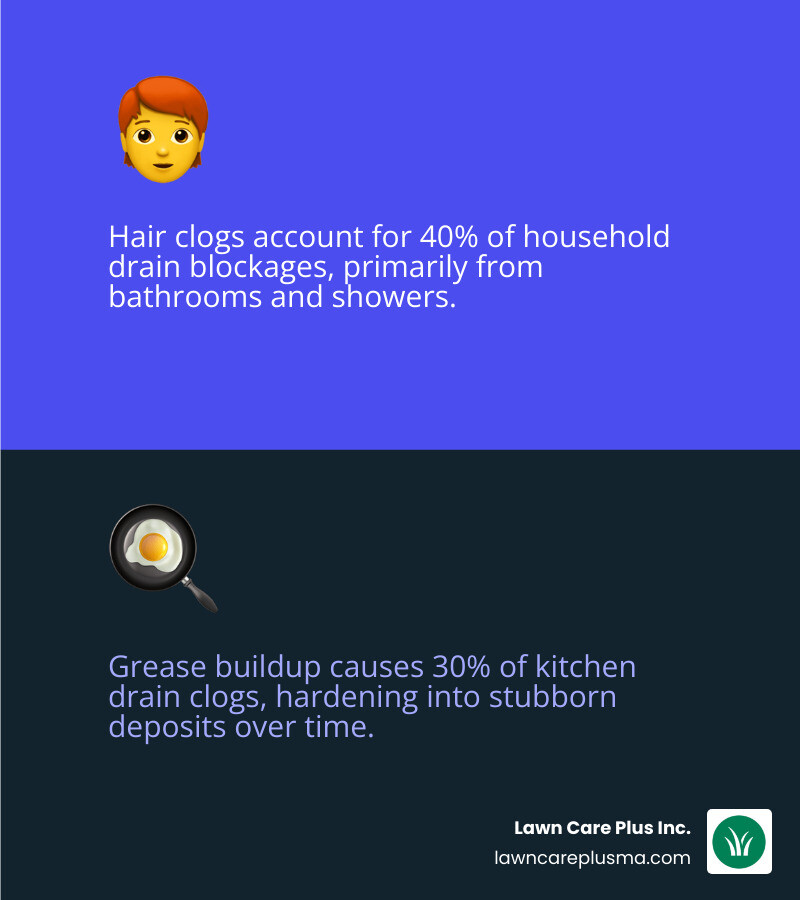
Simple best drain cleaning solution word guide:
Understanding the Best Drain Cleaning Solution for Every Clog Type
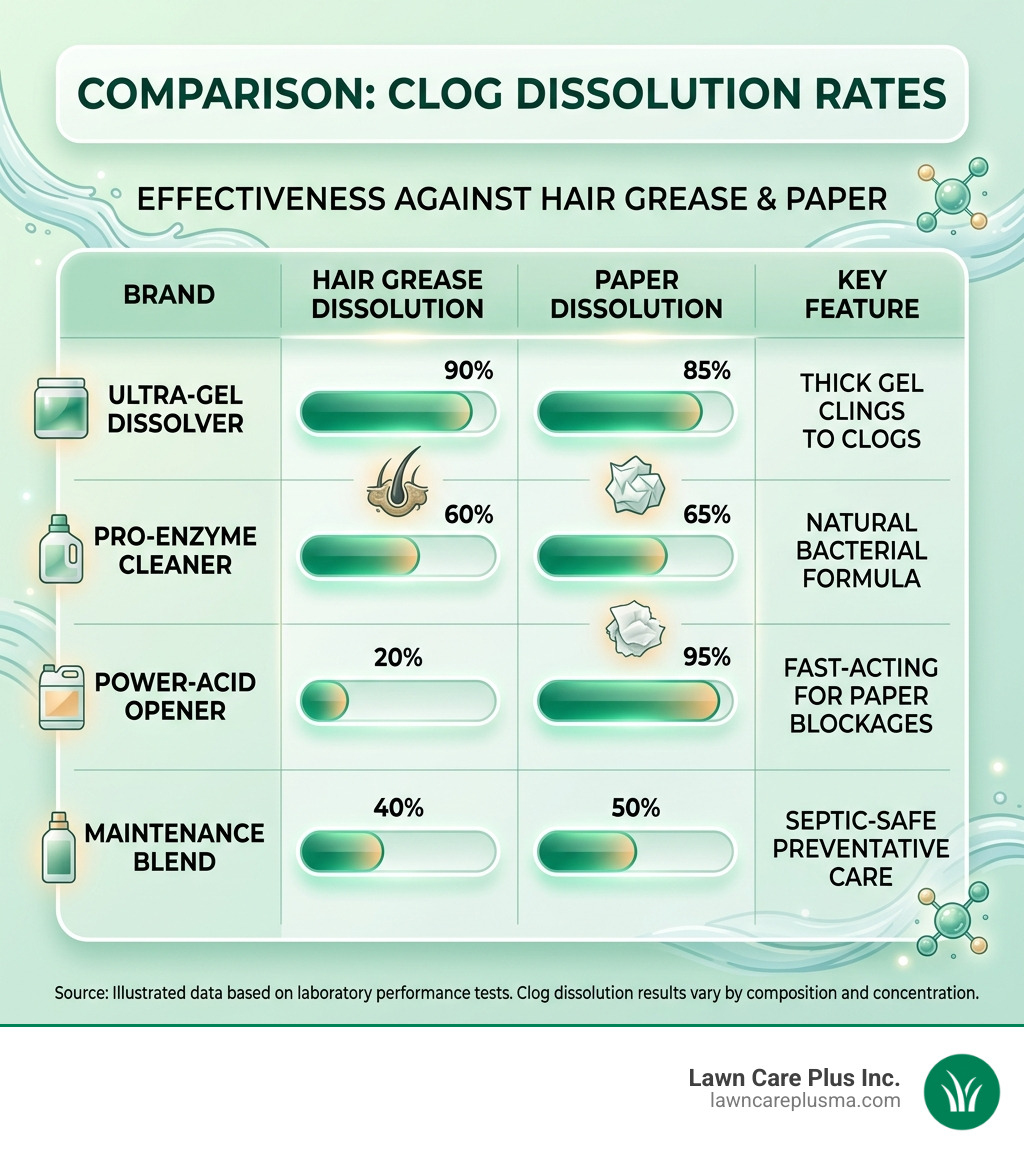
In April 2026, we are seeing a shift in how homeowners approach plumbing. While the “quick fix” is still popular, more people are looking for the best drain cleaning solution that won’t eat their pipes from the inside out. To find the real winners, we looked at lab dissolution experiments that used vacuum filtration to measure exactly how much of a clog remained after treatment.
The results were eye-opening. Not all cleaners are created equal. Some excel at melting hair but fail miserably at grease. Others can dissolve paper but might damage your porcelain fixtures if you aren’t careful.
The Power of Surfactants
Modern cleaners often utilize surfactant technology. Ingredients like lauramine oxide reduce the surface tension of the liquid, allowing the cleaner to spread more effectively and penetrate deep into the “gunk.” This is why a high-quality gel often outperforms a thin liquid; it clings to the clog rather than just rushing past it.
Dissolution Rate Highlights:
- Green Gobbler Main Line Opener: This powerhouse dissolved 100% of pet hair in lab tests. If your shower is backed up with golden retriever fur, this is your champion.
- Zep 10-Minute Drain Opener Gel: A great all-rounder, it successfully dissolved 80% of organic matter and 70% of hair.
- Santeen Sulfuric Acid Drain Opener: When it comes to paper products (like that “flushable” wipe that shouldn’t have been flushed), Santeen scored high, dissolving 76% of paper.
Top-Rated Chemical Cleaners for Immediate Results
When you have standing water in the sink, you need something heavy-duty. Most fast-acting products are either alkaline (bases) or acidic.
Alkaline cleaners usually contain sodium hydroxide (lye) or potassium hydroxide. These work through “causticity,” essentially turning grease and hair into a soapy substance that can be flushed away. Drano® Liquid Drain Cleaner is a classic example. It starts working on contact and is designed to be safe for all pipes when used as directed.
Acidic cleaners, like those containing sulfuric acid, are typically more potent but also more hazardous. They create an exothermic reaction—meaning they generate heat. While this heat helps melt grease, it can be dangerous for flexible plastic pipes or older metal plumbing.
Best Drain Cleaning Solution for Long-Term Maintenance
If you want to avoid clogs altogether, you need to think like a biologist. Enzymatic and bacterial cleaners don’t “burn” clogs; they eat them.
These products contain helpful bacteria that produce enzymes. These enzymes break down fats, oils, and grease (FOG) and turn them into harmless carbon dioxide and water. This is a much more sustainable approach for your domestic drainage system.
Why we love enzymatic solutions:
- Septic Safe: They actually help your septic tank by restocking the “good” bacteria.
- Non-Corrosive: They won’t damage your pipes, even if left in overnight.
- Odor Elimination: By removing the organic buildup on pipe walls, they kill the source of that “swampy” sink smell.
- Root Prevention: For outdoor systems, keeping pipes clear of organic debris can help prevent roots in French drains from finding a food source.
Safety First: Protecting Your Pipes and Your Health
Before you pour anything down the drain, let’s talk about safety. Chemical drain cleaners are some of the most “active” substances in your cleaning cabinet.
The Golden Rules of Chemical Safety:
- Never Mix Chemicals: This is the most important rule. Mixing an acid-based cleaner with a bleach-based cleaner can create toxic chlorine gas. This isn’t just a “bad smell”—it can be fatal.
- Wear PPE: Always use protective goggles and heavy-duty gloves. A single splash of sulfuric acid can cause permanent skin damage or blindness.
- Ventilation is Key: These reactions often release fumes. Open a window or turn on the bathroom fan.
- Mind the Pipes: Caustic chemicals can generate enough heat to melt thin, flexible plastic pipes. If you have an older home in areas like Dedham or Milton with aging plumbing, be extra cautious.
- Protect Your Porcelain: High-strength acids can etch the finish on your sinks and tubs, leaving them dull and prone to staining.
Mechanical and Natural Alternatives to Chemical Openers
Sometimes, the best drain cleaning solution isn’t a liquid at all. If you’re hesitant to use chemicals, or if you’re dealing with a channel drainage system where chemicals might pool in unwanted areas, mechanical tools are your best friends.
The Power of Physics
- Plungers: Not just for toilets! A small sink plunger can clear many minor clogs through simple pressure.
- Hand Augers and Snakes: These tools physically break apart or pull out the clog. If you can feel the “snap” of a hairball coming loose, you’ve won the battle.
- Pressure Bladders: These attach to a garden hose. You insert the bladder into the pipe, turn on the water, and the bladder expands to seal the pipe while shooting a high-pressure jet of water at the clog.
The Baking Soda and Vinegar Myth (and Reality)
You’ve likely seen the “volcano” trick: pour sodium bicarbonate (baking soda) followed by acetic acid (vinegar). Does it work? Yes and no. The chemical reaction creates carbon dioxide bubbles which can help loosen a “weak” clog. When followed by a gallon of boiling water, the combination of the bubbling and the pressure can flush away minor buildup. However, for a deep, greasy clog or a massive hairball, this natural remedy usually isn’t enough. It is, however, an excellent weekly maintenance routine to keep your domestic rainwater drainage systems or indoor sinks fresh.
When to Call a Professional Plumber
We love a good DIY project, but part of being a smart homeowner in the Boston Metro-West area is knowing when you’re out of your league. If you’ve tried two different products and the water still isn’t moving, stop. Pouring more chemicals down a blocked pipe just creates a “caustic soup” that makes it dangerous for a plumber to work on later.
Call the Pros If:
- Persistent Clogs: The drain clears but clogs again every three days.
- Main Line Blockages: Multiple fixtures are backing up at the same time (e.g., the toilet bubbles when the shower runs).
- Tree Root Intrusion: This is common in older neighborhoods in Brookline or Newton. No chemical gel will stop a determined tree root.
- Sewer Smells: This could indicate a broken sewer line or a serious venting issue.
What Does it Cost?
Based on general internet data, the average cost for professional drain cleaning can range significantly. A simple snaking might cost between $150 and $450, while more intensive services like hydro-jetting or main line repairs can range from $500 to $1,350 or more. Please note that these are average ranges across the industry; actual costs vary widely based on your specific location, the severity of the blockage, and the service provider you choose. For complex issues like drainage solutions for sloping land, a professional assessment is always the safest bet.
Frequently Asked Questions about Drain Cleaning
Are chemical drain cleaners safe for all pipe materials?
Not necessarily. While many modern formulas like Drano® Liquid Drain Cleaner are designed to be safe for plastic (PVC) and metal pipes, high-strength acidic cleaners can damage older thin-walled pipes or etch porcelain. Always read the label. If you have a basement french drain pipe, avoid using harsh chemicals that could leach into the surrounding soil.
Can I use a plunger after applying a chemical cleaner?
Absolutely not. This is a major safety hazard. If you plunge a drain that is full of caustic chemicals, you risk splashing those chemicals onto your skin, into your eyes, or onto your bathroom surfaces. If the chemical doesn’t work, wait the recommended time, flush with water (if possible), and then decide on your next move.
What is the best drain cleaning solution for a septic system?
The best drain cleaning solution for septic systems is an enzymatic or bacterial-based cleaner. Products like Green Gobbler Enzyme Drain Cleaner are specifically labeled as septic-safe. They avoid the harsh chemicals that kill the essential bacteria your septic tank needs to function. Regular maintenance with these products can prevent the need for expensive landscape grading services caused by septic field failure.
Conclusion
Finding the best drain cleaning solution doesn’t have to be a trial-and-error nightmare. By matching the product to your specific clog—whether it’s a hairball in the shower or grease in the kitchen—you can save time, money, and your plumbing.
At Lawn Care Plus Inc., we understand that a healthy home starts with a solid foundation—and that includes your drainage. From Norwood to Watertown, we’ve helped homeowners across the Boston Metro-West area manage their properties with expert care. While we specialize in comprehensive landscape installations, hardscaping, and land drainage systems, we know that every part of your property’s infrastructure matters.
Whether you’re dealing with a slow sink or planning a major surface drainage system, prevention is always the best cure. Use enzymatic cleaners monthly, keep hair out of the drains, and never pour grease down the sink. If you find yourself facing a drainage challenge that’s bigger than a bottle of gel can handle, don’t hesitate to reach out to a local professional.
Stay dry, keep those pipes clear, and enjoy the peace of mind that comes with a smooth-running home!
For more information on keeping your property in top shape, check out our guide on domestic surface water drainage systems or explore our landscape masonry services.
