Your Guide to a Picture-Perfect Yard
Choosing Your Path: Seed vs. Sod vs. Hydroseeding
Choosing the best way to install a new lawn comes down to your budget, timeline, and desired results. You have three main options: the affordability of grass seed, the instant results of sod, or the balanced approach of hydroseeding.
Comparing Methods: The Best Way to Install a New Lawn for Your Budget and Timeline
Let’s compare each option to find the right fit for your yard.
Grass seed is the most budget-friendly choice, especially for DIY enthusiasts. It requires patience, as germination takes 5 to 28 days, and you’ll wait 3 to 6 weeks for the first mow. The main advantage is the wide variety of grass types available, allowing you to create custom blends for sun, shade, or high-traffic areas. The downside is the need for consistent watering and keeping traffic off the lawn during establishment.
Sod offers immediate results. One day you have dirt, and the next, you have a mature green lawn. Professional installation typically ranges from about $0.86 to $2.50 or more per square foot. Sod is mature grass that can be walked on lightly in 2 to 4 weeks and is excellent at suppressing weeds. However, your choice of grass types is limited to what the supplier has, and it must be installed quickly after delivery to stay fresh.
Hydroseeding is a middle-ground option. It involves spraying a slurry of seed, mulch, fertilizer, and water onto the soil. The mulch blanket promotes faster germination (often within 7 days) than traditional seeding. It’s an excellent solution for large or sloped areas where other methods are difficult. While establishment is quicker than dry seeding, it still takes a couple of months for the lawn to mature.
| Feature | Grass Seed | Sod | Hydroseeding |
|---|---|---|---|
| Cost | Lowest (DIY friendly) | Highest (Professional installation) | Medium |
| Time to Establish | 3-6 weeks to mow | Instant green, 2-4 weeks for use | 7 days germination, longer establishment |
| Labor | Moderate spreading and watering | Heavy lifting and precise placement | Professional application |
| Best Season | Fall or early spring | Spring through early fall | Fall or early spring |
There is no single “best” method—only the best one for your specific needs. If budget is a priority and you can wait, choose seed. If you need a lawn quickly, sod is worth the investment. For large, sloped yards, hydroseeding is often the ideal solution.
Understanding the cost of installing a new lawn includes not just the installation but also soil preparation, grading, and ongoing care, which all factor into the final investment.
The Foundation of Success: Preparing Your Soil
Proper soil preparation is the most critical step for a thriving lawn, regardless of the installation method. It is the best way to install a new lawn that will last for years.
Step 1: Clear the Old to Make Way for the New
First, you must remove all existing weeds, old grass, and debris. You have several options:
- Manual Removal: Using a sod cutter is effective for smaller, chemical-free projects.
- Herbicide Application: Glyphosate can clear large areas, but be aware that residues may remain in the soil for up to 4 months, potentially delaying planting.
- Solarization: This eco-friendly method uses clear plastic sheeting to cook vegetation over 4-6 weeks.
- Smothering: Layering cardboard or newspaper and compost over the lawn takes 6+ months but enriches the soil as it works.
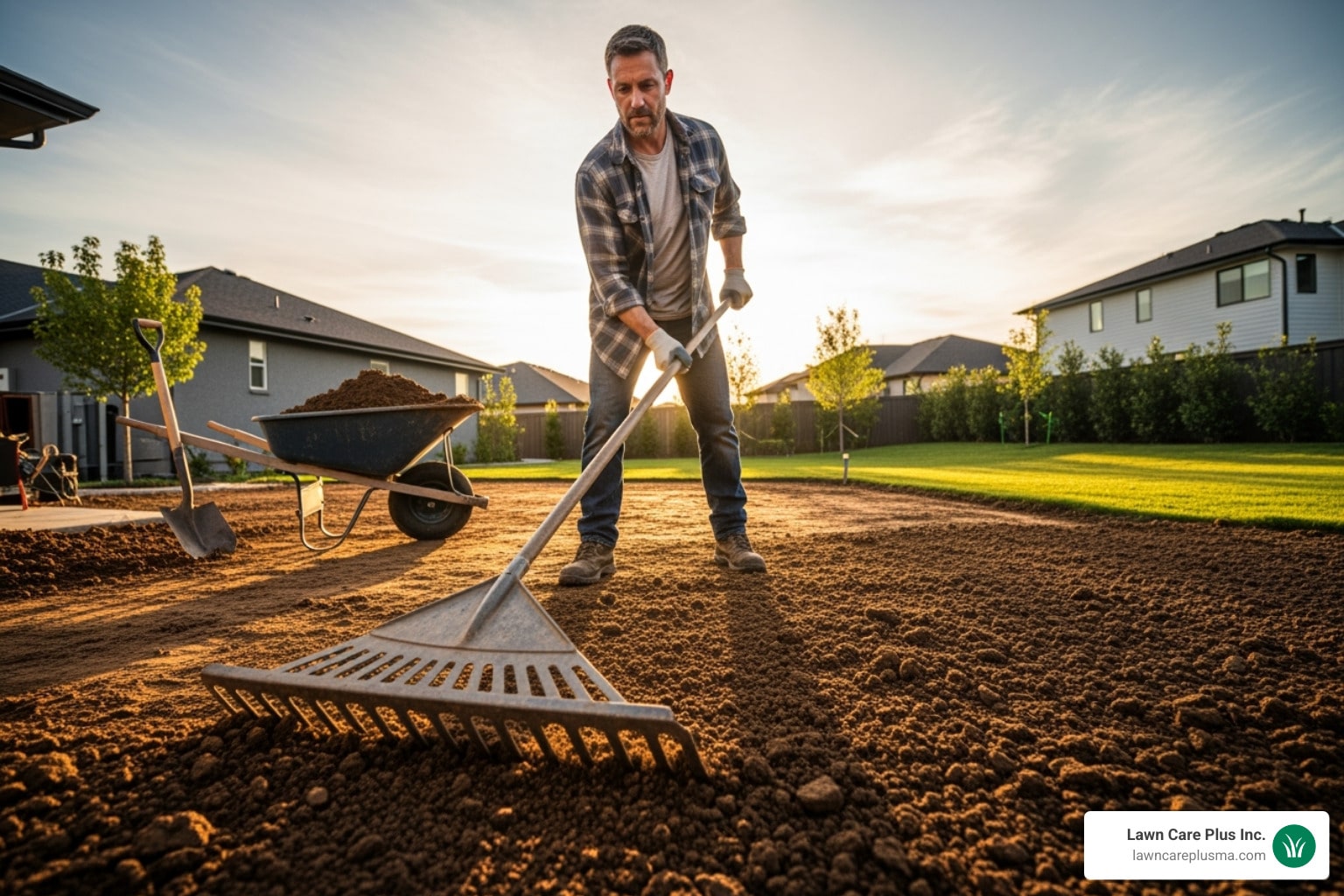
After clearing, rake the area to remove any remaining rocks, sod chunks, or debris for a clean slate.
Step 2: Test and Amend Your Soil
Soil testing is essential to understand what your soil needs to support healthy grass.
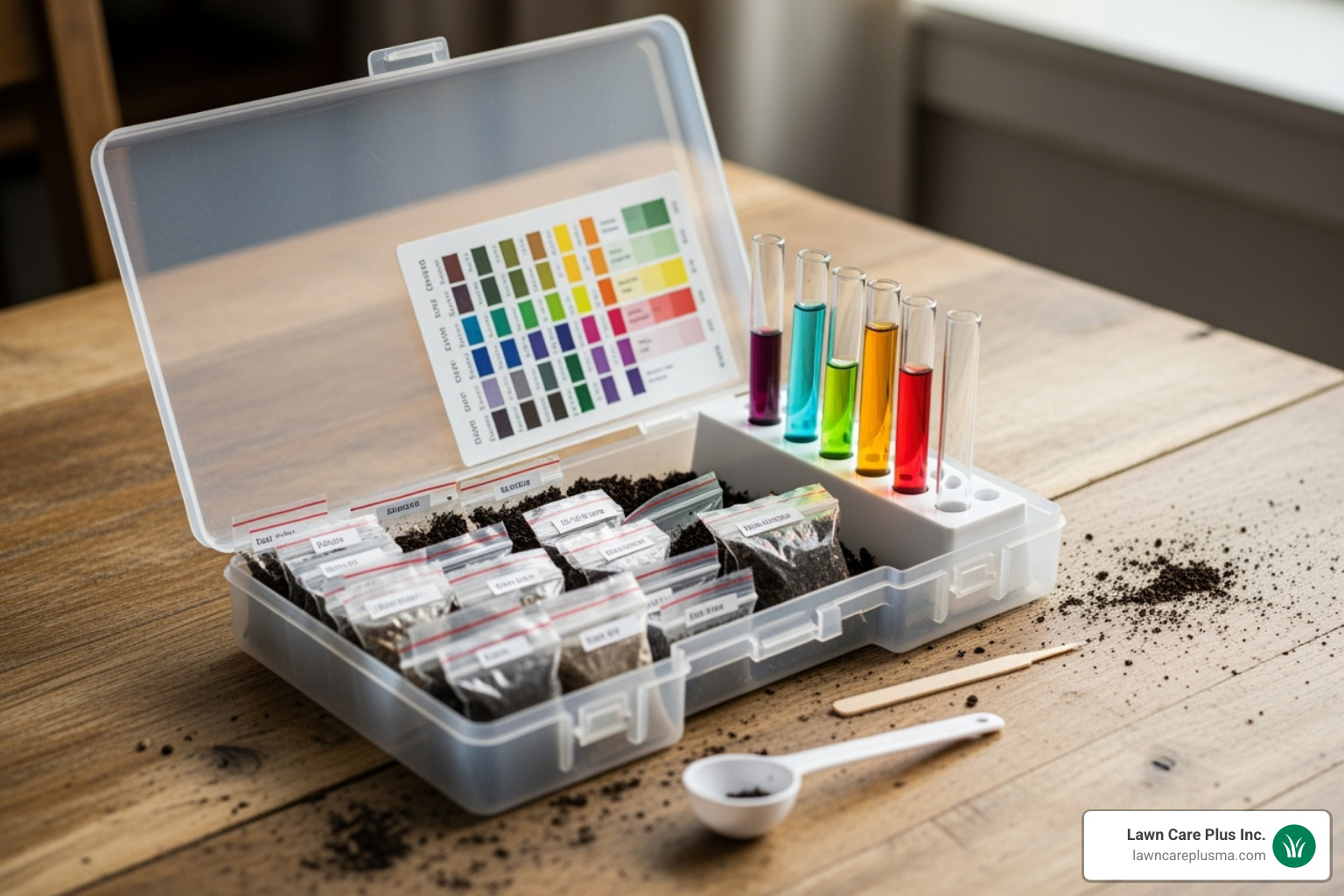
A soil test reveals pH levels (most grasses prefer 6.0-7.0), nutrient deficiencies, and organic matter content. You can get information on soil testing from a local extension office.
Based on the results, amend the soil. Add compost to improve drainage and water retention. Use lime to raise the pH of acidic soil or sulfur to lower the pH of alkaline soil. A fresh 2-5 inch layer of quality topsoil is often beneficial. Till all amendments into the top 4-6 inches of soil to create a uniform growing medium.
Step 3: Grade for Proper Drainage
Proper grading prevents water from pooling in your yard or flowing toward your house. The goal is to level the area while creating a gentle slope away from your home’s foundation. The final grade should be about 1 inch below sidewalks and patios to prevent erosion.
After grading, rake the surface to break up large soil clumps, creating a smooth texture ideal for seed or sod. This ensures good contact and promotes healthy growth. For more details, see our guide on how to prepare ground for sod. Getting this foundation right is what transforms a good lawn into a great one.
The Best Way to Install a New Lawn: A Step-by-Step Process
With your soil prepped, it’s time to install your new lawn. Whether using seed or sod, proper technique is the best way to install a new lawn that is lush and uniform.
Option A: How to Plant a New Lawn from Seed
- Choose the Right Grass: For the Massachusetts climate, select cool-season grasses like Kentucky bluegrass, perennial ryegrass, or fescue blends. Use a shade-tolerant mix for areas under trees and a high-traffic blend for play areas. Learn more about how to choose the best type of grass for your new lawn.
- Apply Starter Fertilizer: Before seeding, apply a starter fertilizer high in phosphorus to promote strong root development.
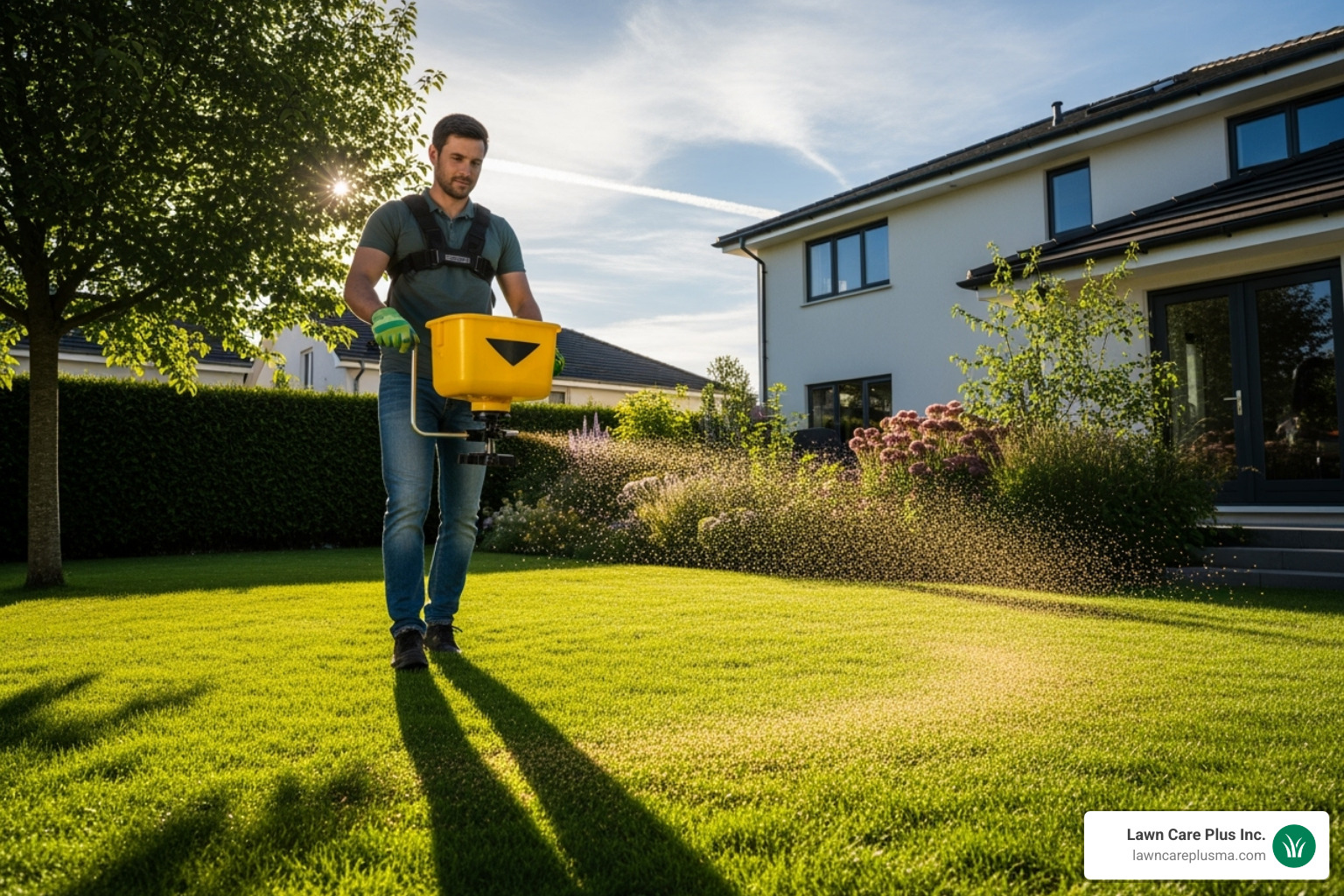
- Spread the Seed Evenly: Use a broadcast spreader for large areas or a hand spreader for smaller spots. Apply half the seed in one direction and the other half perpendicularly (a cross-hatch pattern) to ensure uniform coverage.
- Ensure Seed-to-Soil Contact: Lightly rake the seeds into the top 1/8 to 1/4 inch of soil. You should still see some seeds on the surface.
- Roll the Seedbed: Use a lawn roller to press the seeds firmly into the soil. This improves germination and prevents seeds from washing away.
Option B: How to Lay Sod for an Instant Lawn
- Order and Measure: Sod is perishable and should be installed within 24 hours of delivery. Measure your lawn accurately and order 5-10% extra for cuts and adjustments.
- Moisten the Soil: Lightly water the prepared soil so it’s damp but not soggy before you begin.
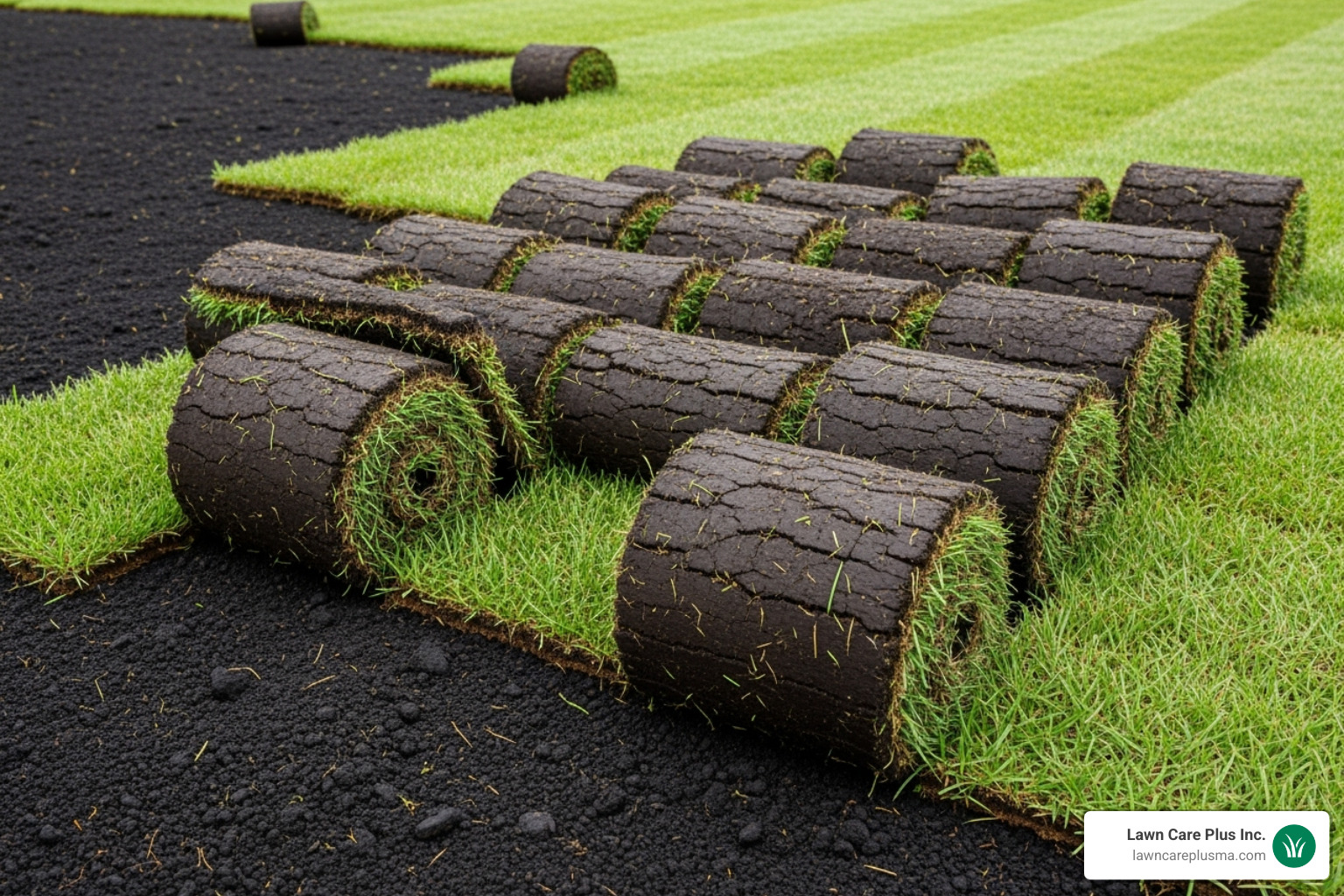
- Lay Sod Strips: Start along a long, straight edge like a driveway. Lay the sod strips tightly against each other to avoid gaps.
- Stagger the Seams: Use a brick-like pattern, staggering the seams of each row. This prevents water channels and creates a more uniform appearance.
- Tamp and Trim: Tamp down each piece to eliminate air pockets and ensure good soil contact. Use a utility knife to trim sod neatly around curves and obstacles.
- Water Immediately: This is the most critical step. Water the new sod thoroughly right after installation, moistening the top 4 inches of soil.
For more detailed guidance, see our guide on how to lay sod and this resource on steps for establishing a sod lawn. Proper care in the following weeks is essential for both methods.
Nurturing Your New Turf: Post-Installation Care
The first few weeks after installation are critical for establishing a strong root system. This nurturing phase transforms your investment into a lush, resilient lawn.
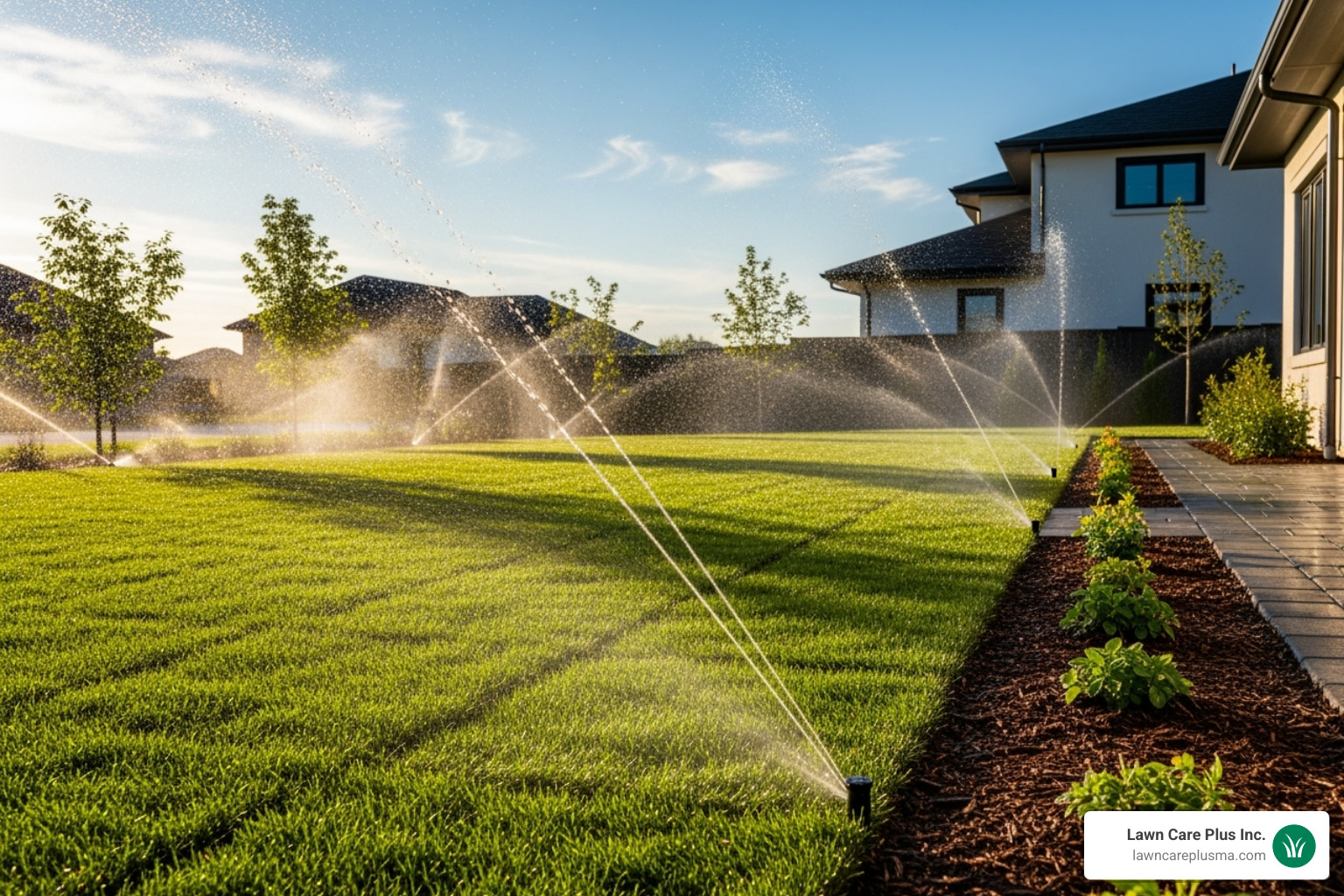
The Perfect Watering Schedule
Consistent moisture is essential for a new lawn.
- For New Seed: Keep the top 1-2 inches of soil moist until germination. This often means watering 3-4 times daily for short 10-minute sessions. After grass emerges, gradually reduce frequency and increase duration to encourage deep root growth.
- For New Sod: Water immediately and thoroughly after installation. For the first week, water daily to keep the top 4 inches of soil moist. Then, reduce to every other day, and eventually to twice a week with deep waterings. The goal is moist, not soggy, soil. Our guide on how to care for new sod has more details.
Once established, your lawn will need about 1 inch of water per week.
Your New Lawn’s First Haircut and Ongoing Mowing
Proper timing for the first mow is crucial.
- Timing: Mow a seeded lawn when seedlings reach 3 inches (usually 3-6 weeks). Mow a sodded lawn after it has rooted, typically in 2-3 weeks. Gently tug a corner; if it resists, it’s ready.
- Technique: Set your mower to a high setting and follow the one-third rule—never remove more than one-third of the grass blade’s height at once. Use sharp mower blades to ensure a clean cut and prevent disease.
Fertilizing for Strong, Healthy Growth
Fertilizer provides essential nutrients for growth.
- Starter Fertilizer: Apply a high-phosphorus starter fertilizer during installation to stimulate root development.
- Follow-up Fertilization: For seeded lawns, apply a slow-release nitrogen fertilizer after the third or fourth mow (4-6 weeks). For sod, fertilize 30-60 days after installation. Avoid “weed-n-feed” products on new grass. Always follow product instructions to prevent burning the lawn.
Ongoing Care: The Best Way to Install a New Lawn for Long-Term Success
- Foot Traffic: Keep all traffic off new sod for 2-4 weeks. For seeded lawns, wait until the grass is well-established (after several mows).
- Weed Control: Do not use weed killer on a new seeded lawn until it has been mowed at least three times. The density of sod helps suppress weeds naturally; pull any that appear by hand.
- Pest and Disease: A healthy lawn is the best defense. Monitor for any issues and address them promptly.
- Seasonal Care: As your lawn matures, seasonal care becomes important. The best time to install new lawn will influence its needs. Our lawn care services can help maintain your investment year-round.
Frequently Asked Questions about New Lawn Installation
Here are answers to common questions about new lawn installation in the Boston Metro-West area.
What is the best time of year to install a new lawn in Massachusetts?
The best way to install a new lawn in Massachusetts is to time it with our climate. For the cool-season grasses that thrive here, the two ideal windows are fall and early spring.
- Fall (September-October): This is often considered the best time. Soil temperatures (15°C-26°C) are ideal for germination, and cooler air reduces stress on new grass. This gives the lawn a full season to establish roots before winter.
- Early Spring (March-April): This is the second-best option. The main challenge is that the young grass will face summer heat stress sooner, requiring diligent watering.
Avoid summer installations due to heat and winter installations on frozen ground. For more detail, see our guide on the best time to install new lawn.
How much does it cost to have a new lawn installed professionally?
The cost of professional lawn installation varies based on several factors:
- Installation Method: Sod is typically more expensive than seeding or hydroseeding due to material and labor costs.
- Yard Size: Larger properties will have a higher total cost.
- Soil Preparation: The price increases if your yard requires extensive grading, topsoil, or amendments.
Based on industry data, professional sod installation can range from approximately $0.86 to $2.50+ per square foot. Please note: these are average costs based on internet data and not actual costs for Lawn Care Plus Inc. Since every project is unique, we provide personalized estimates after a property assessment.
How long until I can use my new lawn?
Patience is key after installation. The timeline depends on your chosen method.
- Seeded Lawns: You may see sprouts in 5-28 days, but the lawn won’t be ready for its first mow for 3-6 weeks. Keep foot traffic off the grass for at least 6-8 weeks to allow roots to establish.
- Sodded Lawns: Sod provides an instant green look, but the roots need time to anchor. Light foot traffic can typically resume in 2-4 weeks. Avoid heavy use, including from children and pets, for 4-6 weeks.
Rushing to use your new lawn can cause compaction and long-term damage. Allowing the roots to establish a strong foundation ensures a healthier, more resilient lawn.
Achieve Your Dream Lawn with Expert Help
Installing a new lawn is a rewarding investment that improves your home’s curb appeal and usability. The best way to install a new lawn is to choose the right method for your budget and lifestyle—whether seed, sod, or hydroseeding—and commit to proper preparation and consistent care.
While a DIY installation can be satisfying, achieving professional results requires time, effort, and expertise that many homeowners don’t have. For those in the Boston Metro-West area who want a flawless result without the guesswork, the experienced team at Lawn Care Plus Inc. is here to help.
We provide expert New Lawn Installations, handling everything from soil preparation to the final installation of seed, sod, or hydroseed. Our work is custom to your property’s unique conditions to ensure a beautiful, healthy result.
A new lawn is just the beginning. To protect your investment, we also offer comprehensive Lawn Care Services to keep your lawn thriving season after season. Contact us to take the first step toward your dream lawn.