
The First Cut is the Deepest
When to mow new sod is a critical decision for achieving a healthy lawn. The simple answer: wait 2-3 weeks after installation and ensure your sod passes the “tug test” before making that first cut.
Quick Answer for When to Mow New Sod:
- Wait: 2-3 weeks minimum after installation
- Test: Gently tug a corner – if it resists and feels anchored, it’s ready
- Height: Grass should be 3-4 inches tall
- Setting: Use your mower’s highest setting
- Rule: Never cut more than 1/3 of the grass blade
Your new sod is vulnerable during its first few weeks. It needs time to establish strong roots before it can handle the stress of mowing. Rushing this process can pull up sod sections or damage the delicate new root system.
The first mow encourages sod pieces to knit together and promotes the lateral growth that creates a thick, unified lawn. Getting the timing right sets the foundation for years of healthy grass.
Patience during these early weeks pays dividends. As one landscaping expert puts it: “Giving your new lawn its first haircut can be intimidating, but the sod itself will tell you when it’s ready.”
When to mow new sod further reading:
Why Patience is Key: Understanding New Sod Establishment
New sod provides an instant green lawn, but it’s working hard underground to establish itself. Think of it as transplanting a mature lawn; it needs time to settle in. The sod’s original root ball keeps it alive initially, but the real magic is the root establishment timeline.
Over 2-3 weeks, the roots reach into your soil, creating new anchors. This process is crucial for long-term success. The risks of early mowing are significant, including damaged roots and pulled-up sod sections. Premature mowing puts stress on the grass, forcing it to heal cut blades instead of developing roots. The goal is to promote root growth over top growth in these early weeks. For more guidance, see our guide on How to Care for New Sod.
How to Tell if Your New Sod is Ready to Be Mowed
Your sod will tell you when it’s ready. Look for these signs:
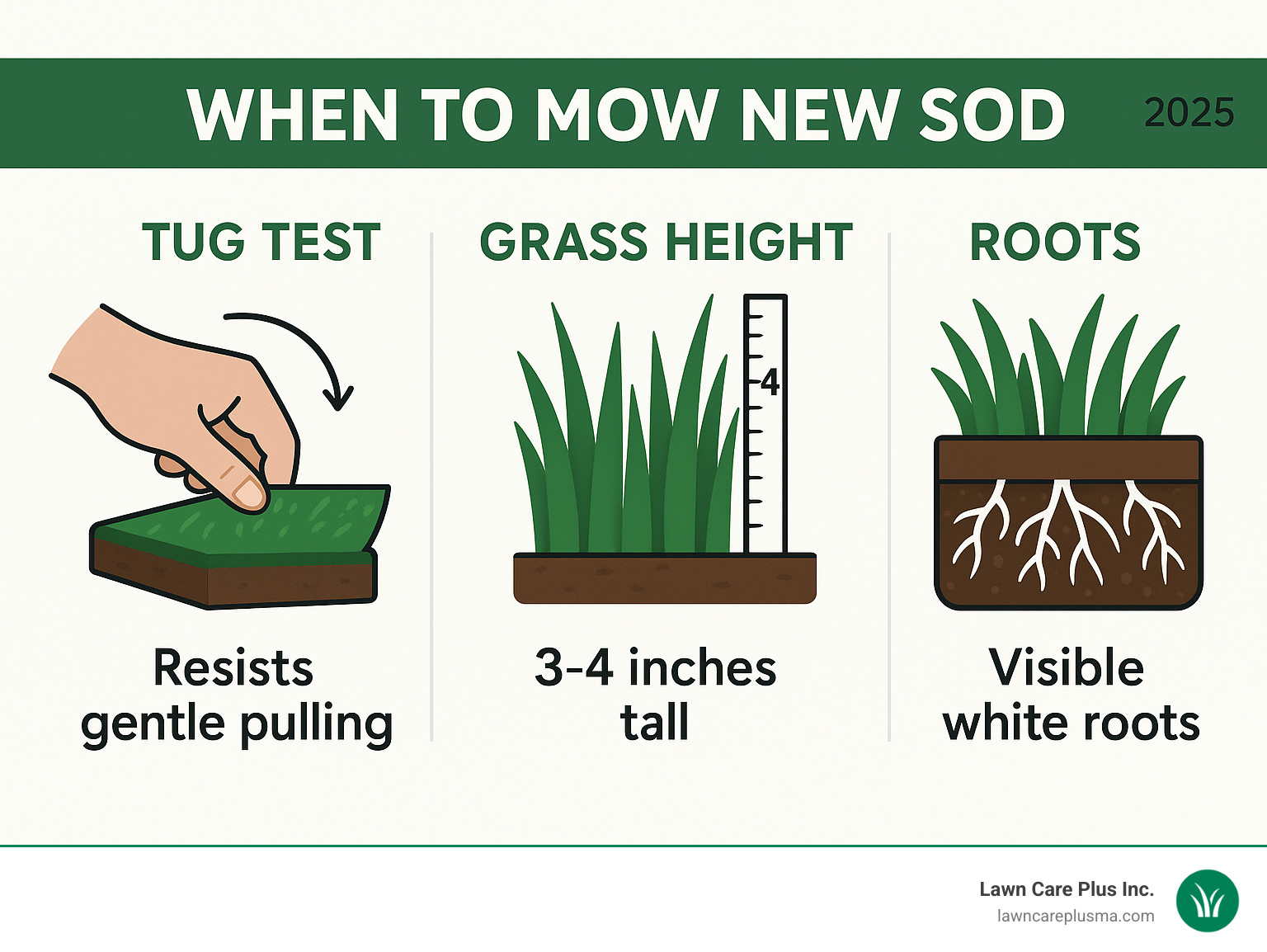
- The Tug Test: This is the most reliable indicator. Gently pull on a corner of a sod piece. If it lifts easily, the roots aren’t ready. If you feel resistance and it stays anchored to the soil, it’s time to prepare for mowing.
- Grass Height: Wait until the grass is 3-4 inches tall. This ensures the blades have enough surface area for photosynthesis without being too long.
- Visual Cues: Look for new white roots extending into the soil and a uniform green color. Brown or yellow patches indicate the sod needs more time.
Pre-Mow Preparations
Before the first mow, a little prep work is essential for success.
- Watering: Stop watering 1-2 days before you plan to mow. This allows the soil to firm up, preventing ruts from the mower. Mowing on dry ground also ensures a cleaner cut, as wet grass can tear and clump.
- Mower Blades: Mower blade sharpness is non-negotiable. Sharp blades make clean cuts, helping the grass heal quickly. Dull blades tear the grass, leaving ragged edges that invite disease. For more on this, see what experts say about Mowing wet grass.
Taking these steps ensures your new sod gets the best possible start!
Step-by-Step Guide: When to Mow New Sod for the First Time
The first mow of new sod is a crucial step. It’s not just about tidiness; it encourages the individual sod pieces to knit together by promoting lateral growth. A gentle, careful approach is key to rewarding the hard work your sod has done underground.
Your First Mow Checklist
Follow this checklist to set your lawn up for success:
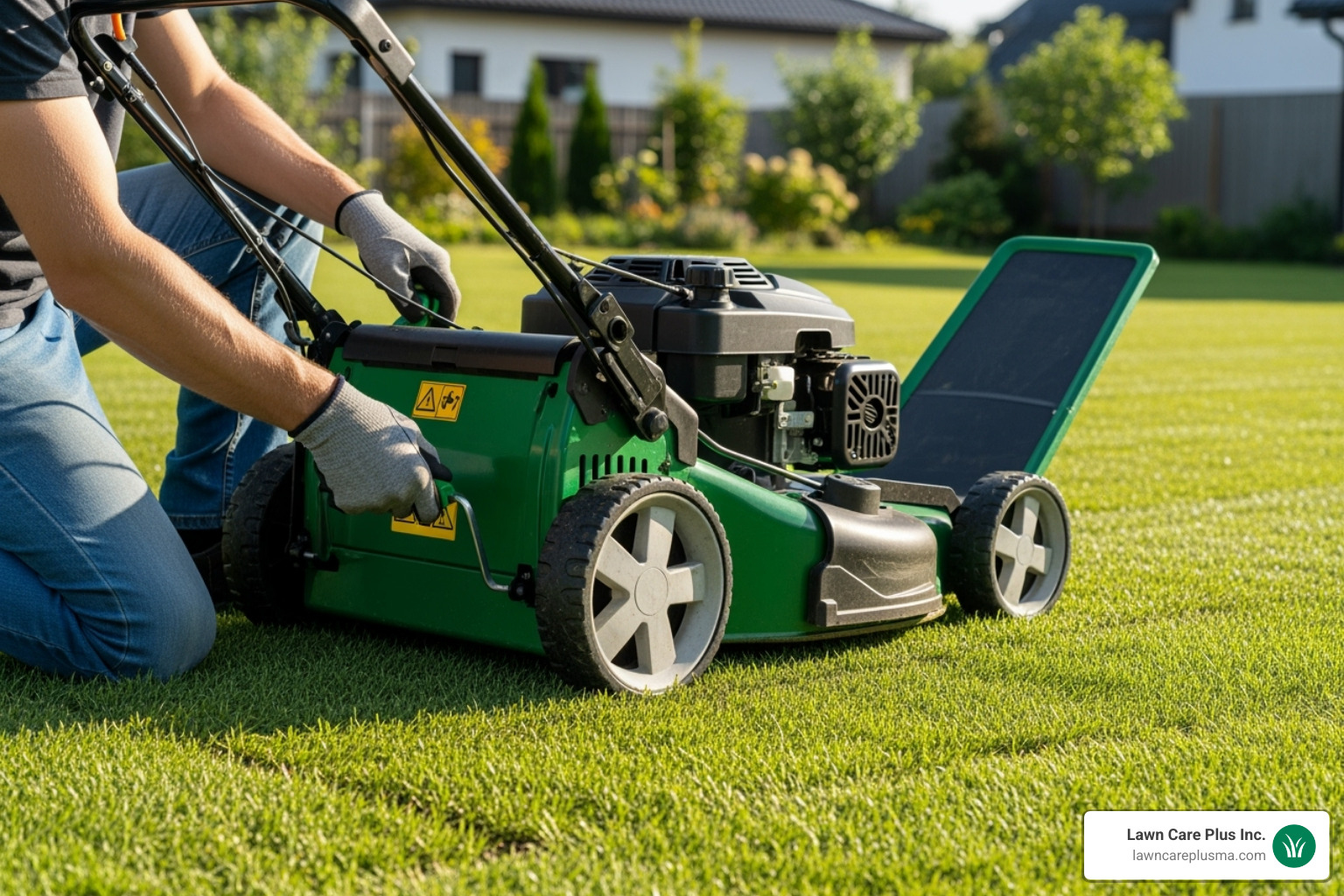
- Set Mower to Highest Height: This is the most important step. Set your mower to its highest setting, aiming to cut the grass at 3-4 inches. Cutting high encourages the grass to spread sideways, helping the sod pieces merge. If you need help, see this guide on how to set your mower to the highest setting.
- Follow the One-Third Rule: Never cut more than one-third of the grass blade. Cutting too much at once shocks the grass, diverting energy from root development to blade regrowth.
- Mow Slowly and Gently: A slow, steady pace ensures a clean cut without disturbing the sod. Make wide, gentle turns to avoid tearing or damaging the delicate new lawn.
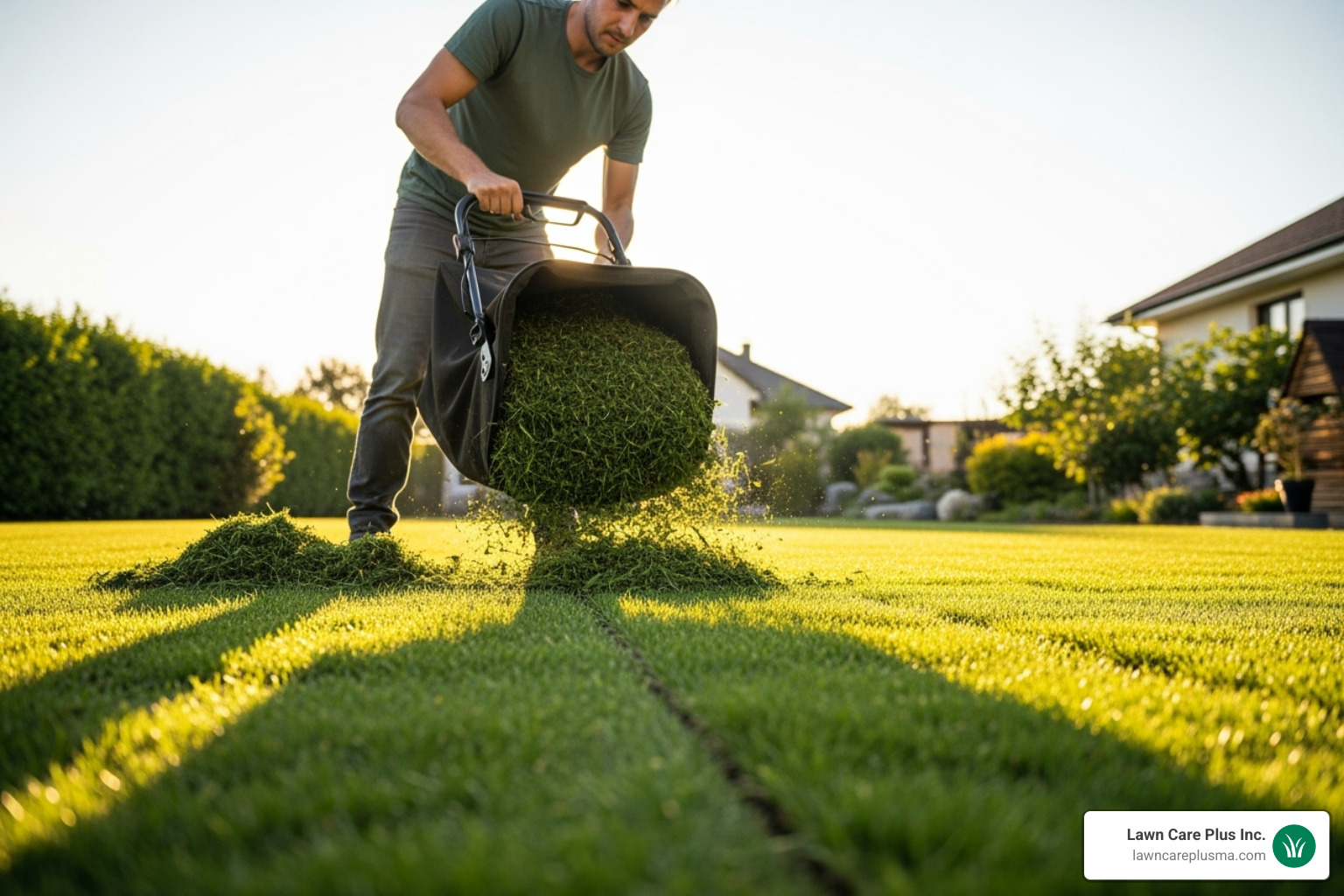
- Bag the Clippings: For the first month, bag your clippings. This prevents potential disease and allows the sod to breathe and focus on root establishment.
What to Do After the First Mow
Post-mow care is just as important:
- Water Lightly: Give your sod a light watering after mowing to rinse off debris and reduce stress.
- Minimize Foot Traffic: Keep foot traffic to a minimum for a few more days to allow roots to continue strengthening.
- Plan Future Mows: Continue to mow regularly, gradually lowering the height over the next few weeks while always following the one-third rule. Your target height for most Massachusetts grass types will be around 2.5 to 3 inches.
- Feed Your Lawn: New lawns are hungry. Proper feeding supports both root and top growth. Our guide on Fertilizer for New Sod can help you keep your lawn thriving.
Special Considerations for Your New Lawn
Weather and season can influence your timeline for when to mow new sod. Adjusting your technique for these conditions is key to protecting your investment.

Mowing New Sod in Different Weather and Seasons
Weather plays a major role in how quickly sod establishes.
- Extreme Heat: Mowing adds stress to grass that is already working hard to survive. During a heatwave, postpone mowing or mow only during cooler parts of the day (early morning or late evening), even if the sod passes the tug test.
- Heavy Rain: Never mow wet grass. Prolonged rain can delay your first mow significantly. Wait for both the grass and the soil underneath to dry out completely to prevent ruts, compaction, and torn grass blades.
- Seasonal Timing in Massachusetts:
- Spring/Summer: Ideal conditions for rapid root growth. Expect to mow within the standard 2-3 week window.
- Fall: Cooler temperatures reduce stress, and natural rainfall helps. Root establishment continues until the ground freezes.
- Winter: Cool-season grasses go dormant. Sod installed late in the season may not be ready for mowing until spring.
Always let the readiness signals (tug test, grass height) override the calendar, especially with unpredictable weather.
Mowing New Sod vs. Established Sod
Treating new sod like an established lawn is a common mistake. Their needs are very different. Here’s a quick comparison:
- Mowing Height: New sod requires the highest mower setting (3-4 inches). Established lawns are cut lower (2.5-3 inches).
- Frequency: New sod is mowed infrequently at first. Established lawns often need weekly mowing in peak season.
- Clippings: Bag clippings for new sod for the first month. Mulch clippings for established lawns to return nutrients.
- Mower Type: Use a lightweight push mower for new sod. Heavier riding mowers are fine for established lawns.
- Watering: New sod needs 1-2 days to dry before mowing. Established lawns are more tolerant.
After a month or two of this special care, your new lawn will be established and you can transition to standard Lawn Care practices.
ARTICLE SPECIFICATIONS
- Topic: when to mow new sod
- Format: How-To
KEY QUESTIONS TO ANSWER
- When is the earliest I can mow my new sod?
- How can I tell if my new sod is ready to be mowed?
- What is the best height to set my mower for the first mow of new sod?
- What is the ‘one-third rule’ and why is it important for new sod?
- Should I water my sod before the first mow?
- What are the risks of mowing new sod too early or incorrectly?
- How does mowing new sod differ from mowing established sod?
- What are the benefits of mowing new sod at the correct time and height?
- Should I bag or mulch grass clippings after the first mow?
- Are there specific considerations for different types of sod or weather conditions when mowing for the first time?
Frequently Asked Questions about Mowing New Sod
How long should I wait to walk on new sod?
Just as with mowing, you should wait at least 2 weeks before allowing regular foot traffic on new sod. Heavy traffic can compact the soil and damage the delicate, anchoring roots. Before walking on it, perform the tug test. If the sod feels secure and doesn’t lift, light foot traffic is acceptable. Avoid games or large gatherings for at least a month.
What happens if I wait too long to mow my new sod?
While patience is key, waiting too long can also cause problems. If the grass grows much taller than 4-5 inches, you’ll be forced to cut more than the recommended one-third of the blade. This can send the lawn into shock, reducing its ability to photosynthesize and diverting energy away from root growth. Overgrown grass can also trap moisture, increasing the potential for disease. If your grass gets too long, mow it in stages over several days, removing only a little at a time.
Can I use a riding mower on new sod?
It’s best to avoid heavy mowers like riding or zero-turn mowers for at least the first month. The weight can create ruts in the soft soil and cause soil compaction, which restricts root growth. For the first few mows, use a lightweight push mower. Once the lawn is fully established (typically after 4-6 weeks) and the ground is firm, you can transition to a heavier mower.
Frequently Asked Questions about Mowing New Sod
How long should I wait to walk on new sod?
Just as with mowing, you should wait at least 2 weeks before allowing regular foot traffic on new sod. Heavy traffic can compact the soil and damage the delicate, anchoring roots. Before walking on it, perform the tug test. If the sod feels secure and doesn’t lift, light foot traffic is acceptable. Avoid games or large gatherings for at least a month.
What happens if I wait too long to mow my new sod?
While patience is key, waiting too long can also cause problems. If the grass grows much taller than 4-5 inches, you’ll be forced to cut more than the recommended one-third of the blade. This can send the lawn into shock, reducing its ability to photosynthesize and diverting energy away from root growth. Overgrown grass can also trap moisture, increasing the potential for disease. If your grass gets too long, mow it in stages over several days, removing only a little at a time.
Can I use a riding mower on new sod?
It’s best to avoid heavy mowers like riding or zero-turn mowers for at least the first month. The weight can create ruts in the soft soil and cause soil compaction, which restricts root growth. For the first few mows, use a lightweight push mower. Once the lawn is fully established (typically after 4-6 weeks) and the ground is firm, you can transition to a heavier mower.
INTERNAL MD LINKS TO INCLUDE IN THE ARTICLE
How to Care for New Sod
How to Install a New Lawn from Seed
The Ultimate Guide to Designing Your Dream Lawn
Fertilizer for New Sod
Best Time to Install New Lawn
New Lawn Installations
How to Prepare Ground for Sod
Lawn Care Services
Lawn Care
Residential Landscaping Services
Frequently Asked Questions about Mowing New Sod
How long should I wait to walk on new sod?
Just as with mowing, you should wait at least 2 weeks before allowing regular foot traffic on new sod. Heavy traffic can compact the soil and damage the delicate, anchoring roots. Before walking on it, perform the tug test. If the sod feels secure and doesn’t lift, light foot traffic is acceptable. Avoid games or large gatherings for at least a month.
What happens if I wait too long to mow my new sod?
While patience is key, waiting too long can also cause problems. If the grass grows much taller than 4-5 inches, you’ll be forced to cut more than the recommended one-third of the blade. This can send the lawn into shock, reducing its ability to photosynthesize and diverting energy away from root growth. Overgrown grass can also trap moisture, increasing the potential for disease. If your grass gets too long, mow it in stages over several days, removing only a little at a time.
Can I use a riding mower on new sod?
It’s best to avoid heavy mowers like riding or zero-turn mowers for at least the first month. The weight can create ruts in the soft soil and cause soil compaction, which restricts root growth. For the first few mows, use a lightweight push mower. Once the lawn is fully established (typically after 4-6 weeks) and the ground is firm, you can transition to a heavier mower.
Frequently Asked Questions about Mowing New Sod
How long should I wait to walk on new sod?
Just as with mowing, you should wait at least 2 weeks before allowing regular foot traffic on new sod. Heavy traffic can compact the soil and damage the delicate, anchoring roots. Before walking on it, perform the tug test. If the sod feels secure and doesn’t lift, light foot traffic is acceptable. Avoid games or large gatherings for at least a month.
What happens if I wait too long to mow my new sod?
While patience is key, waiting too long can also cause problems. If the grass grows much taller than 4-5 inches, you’ll be forced to cut more than the recommended one-third of the blade. This can send the lawn into shock, reducing its ability to photosynthesize and diverting energy away from root growth. Overgrown grass can also trap moisture, increasing the potential for disease. If your grass gets too long, mow it in stages over several days, removing only a little at a time.
Can I use a riding mower on new sod?
It’s best to avoid heavy mowers like riding or zero-turn mowers for at least the first month. The weight can create ruts in the soft soil and cause soil compaction, which restricts root growth. For the first few mows, use a lightweight push mower. Once the lawn is fully established (typically after 4-6 weeks) and the ground is firm, you can transition to a heavier mower.
Frequently Asked Questions about Mowing New Sod
How long should I wait to walk on new sod?
Just as with mowing, you should wait at least 2 weeks before allowing regular foot traffic on new sod. Heavy traffic can compact the soil and damage the delicate, anchoring roots. Before walking on it, perform the tug test. If the sod feels secure and doesn’t lift, light foot traffic is acceptable. Avoid games or large gatherings for at least a month.
What happens if I wait too long to mow my new sod?
While patience is key, waiting too long can also cause problems. If the grass grows much taller than 4-5 inches, you’ll be forced to cut more than the recommended one-third of the blade. This can send the lawn into shock, reducing its ability to photosynthesize and diverting energy away from root growth. Overgrown grass can also trap moisture, increasing the potential for disease. If your grass gets too long, mow it in stages over several days, removing only a little at a time.
Can I use a riding mower on new sod?
It’s best to avoid heavy mowers like riding or zero-turn mowers for at least the first month. The weight can create ruts in the soft soil and cause soil compaction, which restricts root growth. For the first few mows, use a lightweight push mower. Once the lawn is fully established (typically after 4-6 weeks) and the ground is firm, you can transition to a heavier mower.