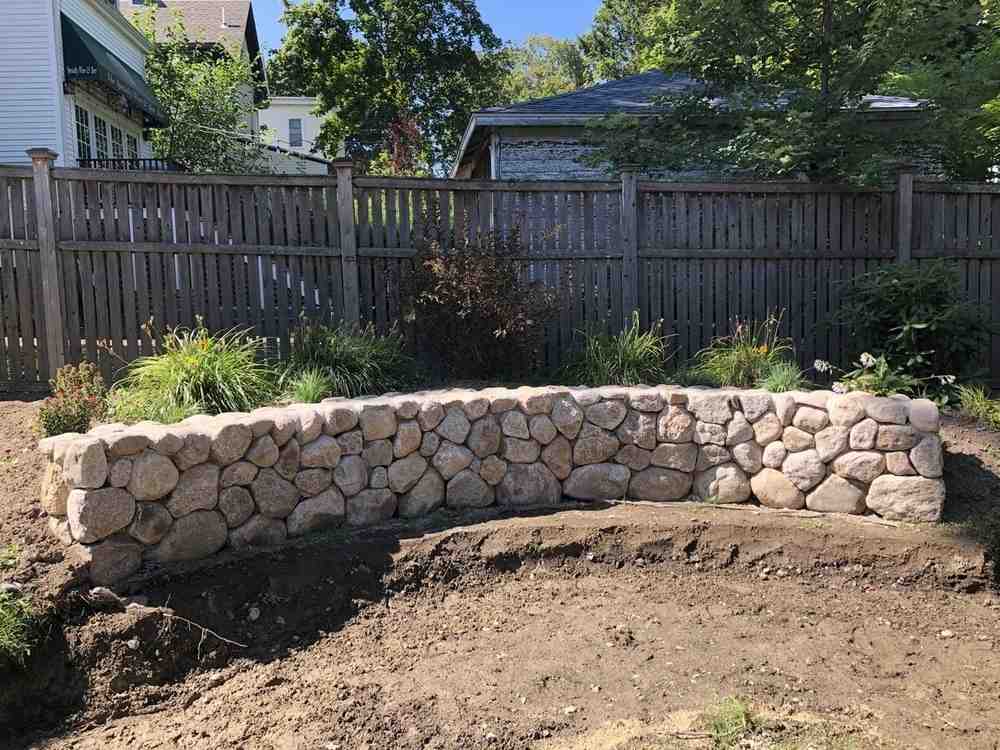
Why Choosing the Right Retaining Wall Builders Matters for Your Property
Retaining wall builders are specialized professionals who design, engineer, and construct walls that hold back soil and create usable outdoor spaces. When hiring one, look for:
- Licensed and insured contractors with proven experience
- A portfolio of completed projects showing quality work
- Knowledge of local building codes and permit requirements
- Expertise in drainage systems to prevent wall failure
- Written estimates and warranties for all work performed
The right retaining wall can transform a steep, eroding hillside into a tiered garden. But water management is the number one cause of wall failure, so choosing an experienced builder isn’t just about aesthetics—it’s about protecting your investment.
The U.S. retaining wall market was valued at $1.5 billion in 2022 and is growing as homeowners recognize their dual purpose. They are both functional (controlling erosion and runoff) and beautiful (creating outdoor rooms and boosting curb appeal).
A poorly planned wall can crack, lean, or collapse. The foundation work is as crucial as the visible portion. Every step, from trench depth to drainage placement, requires precision.
I’m Tim DiAngelis, owner of Lawn Care Plus, Inc., and for over a decade our team has worked with retaining wall builders and installed hardscaping projects throughout Greater Boston and Metro-West. We’ve seen how the right wall system—built by qualified professionals—can turn unusable slopes into functional outdoor living spaces that last for decades.
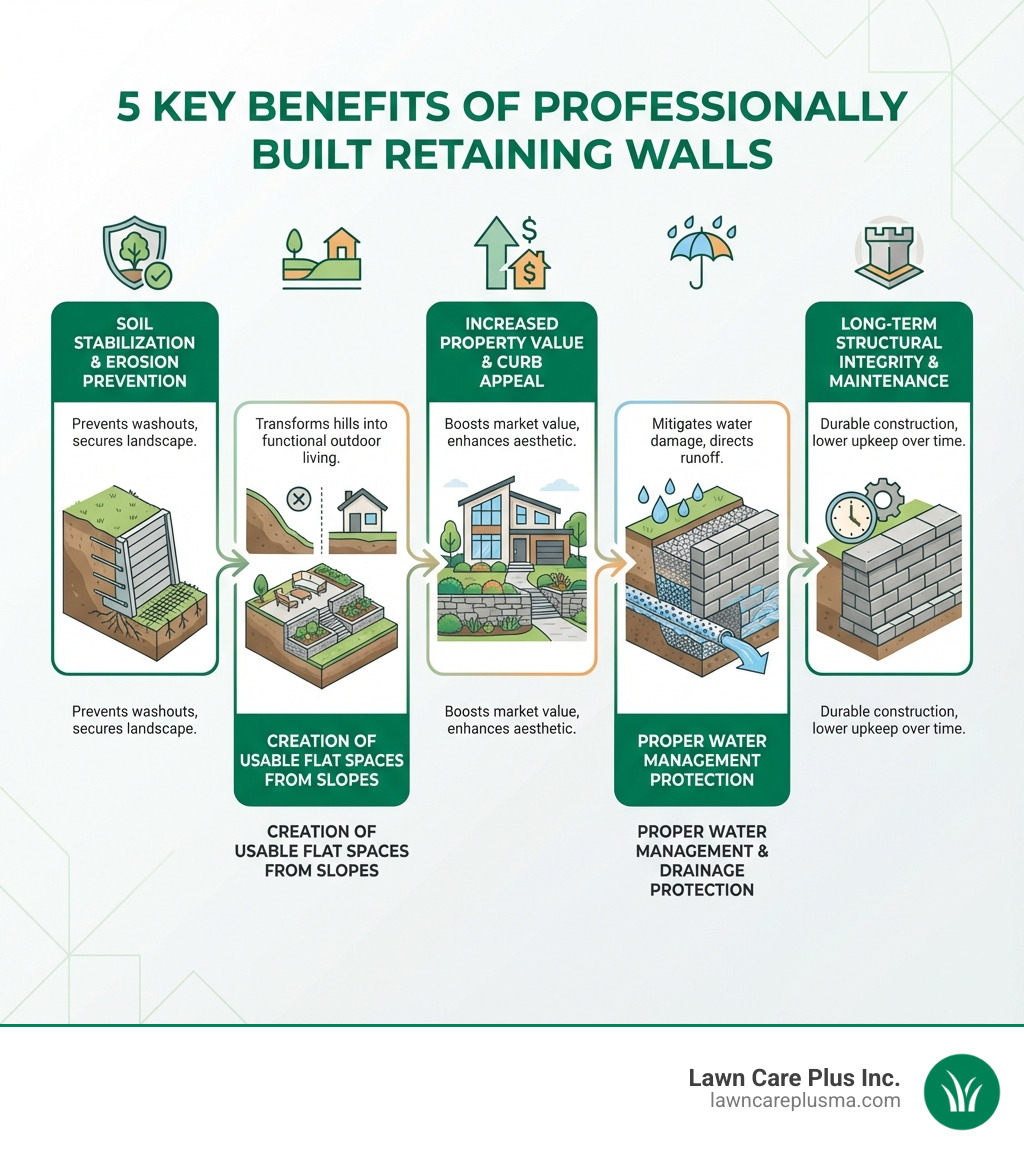
Retaining wall builders terms made easy:
The Foundation of Function: Why Your Property Needs a Retaining Wall
Do you have a sloped yard you wish was flat and usable, or are you concerned about erosion? Retaining walls are the solution. These structures serve both practical and aesthetic purposes, turning challenging terrain into beautiful, functional areas.
At its core, a retaining wall holds back soil to prevent erosion. But its functions extend beyond that to correcting grades, managing water, and increasing property value. We’ve revitalized countless properties in Belmont, Newton, and Brookline, MA, with well-built retaining walls. For more details on how these structures improve outdoor spaces, explore our guide on landscape retaining walls.
Opening up Your Landscape’s Potential
Working with retaining wall builders means changing an unusable slope into a vibrant, level area. A steep hill can become a lawn for family gatherings, or an uneven incline can be turned into a series of tiered gardens.
Retaining walls are masters at defining outdoor rooms. They can create intimate seating areas, delineate garden beds, or form the base for a patio. We’ve used them to build charming seating walls around fire pits, turning a simple backyard into an outdoor oasis. These structures craft distinct zones within your landscape, enhancing its utility and visual appeal. To see how retaining walls integrate with landscape design, visit our page on retaining walls and landscaping.
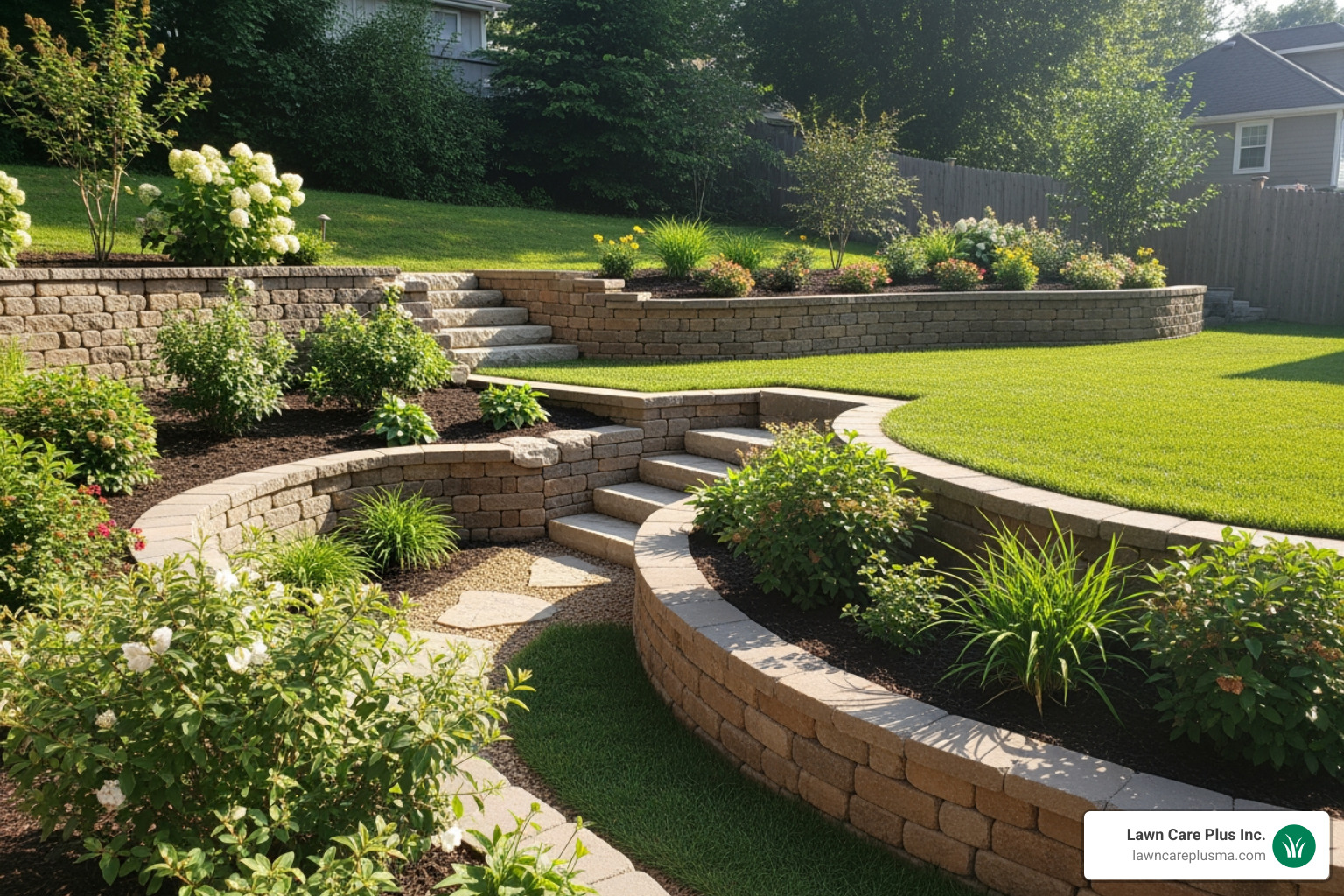
A Shield Against Erosion and Water Damage
Beyond aesthetics, retaining walls control erosion and manage water runoff. In rainy areas like Massachusetts, unchecked water can wash away topsoil, damage plants, and undermine foundations.
A properly constructed retaining wall acts as a barrier, retaining soil and redirecting water. Managing water is critical; it’s the number one cause of wall failure. That’s why effective drainage is integral to every project we undertake, preventing water buildup and pressure that could lead to collapse. Our principles for erosion control are using land to its capability, protecting the soil surface, and controlling runoff. Learn more about the critical role of drainage in our retaining wall drainage guide. By preventing these issues, retaining walls safeguard your property for years.
A Wall for Every Style: Exploring Materials and Structural Types
Retaining wall solutions are as diverse as the properties they serve. The choice of material and structural design depends on the wall’s purpose, soil load, budget, and desired aesthetic for your property in areas like Dedham or Canton, MA. For a deeper dive, check out our insights on blocks for retaining walls.
| Material | Durability | Cost | Aesthetics | Maintenance |
|---|---|---|---|---|
| Concrete Blocks | High | Medium | Versatile | Low |
| Natural Stone | Very High | High | Organic/Classic | Low |
| Poured Concrete | Very High | Medium-High | Modern/Clean | Very Low |
| Timber (Treated) | Medium | Low-Medium | Rustic/Natural | Medium (eventual rot) |
Common Retaining Wall Materials
Each material offers a unique blend of strength, visual appeal, and maintenance requirements:
- Segmental Retaining Walls (SRWs): A popular choice, SRWs use interlocking concrete blocks without mortar for easy, versatile installation. Available in many styles, they offer high durability, low maintenance, and are often cost-effective.
- Poured Concrete: For strength and a modern look, poured concrete is a great option. These durable, monolithic walls require specialized construction but offer longevity and minimal maintenance, ideal for taller or heavily loaded walls.
- Natural Stone: A classic feature in Massachusetts, stone walls offer a timeless, organic aesthetic. Whether fieldstone or cut bluestone, they are exceptionally durable and can last for centuries. The higher cost reflects the material and skilled masonry required.
- Wood Timbers: Treated timber walls provide a rustic look at a lower initial cost. However, they have limited weight support and are susceptible to rot, eventually requiring replacement. For more on specific block options, including concrete, visit our page on concrete retaining wall block.
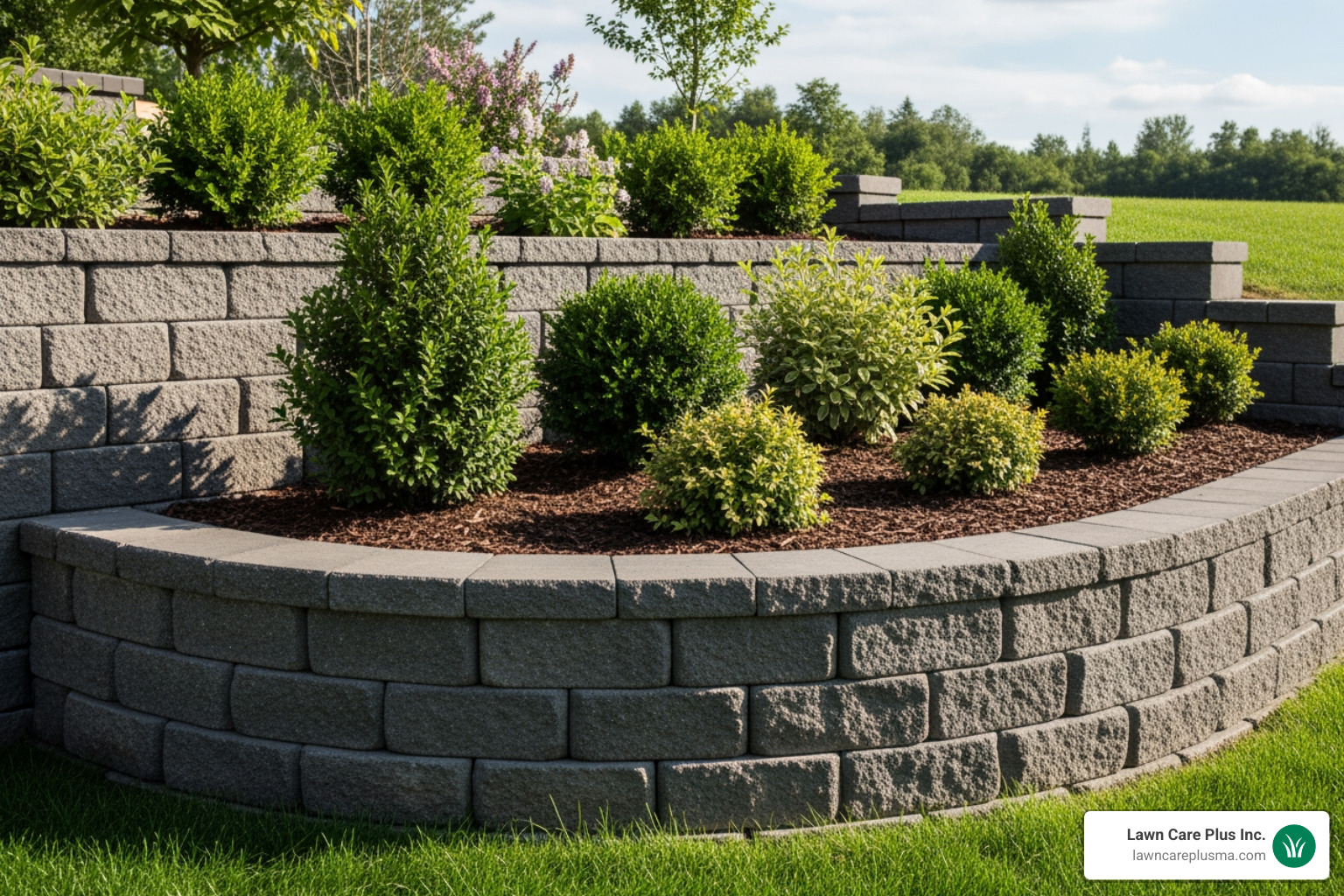
Understanding Structural Designs
Beyond materials, the structural design is crucial for stability. This involves understanding the engineering principles that resist soil pressure.
- Gravity Walls: The simplest form, these walls rely on their own mass (from large stones, concrete blocks, etc.) to resist soil pressure. They are effective for shorter walls with less significant loads.
- Segmental Walls: As mentioned, SRWs are a type of gravity wall. Their stability comes from the weight and interlock of the units, often improved with geogrid reinforcement for taller applications.
- Cantilevered Walls: These walls use a lever design with a vertical slab connected to a footing under the retained soil. The soil’s weight on the footing resists pressure. Made from reinforced concrete or masonry, they are ideal for taller walls and significant pressure, handling Massachusetts’ freeze-thaw cycles well.
- Anchored Walls: For massive loads or steep slopes, these walls use steel cables (tiebacks) anchored into stable soil or rock behind the wall. This system provides exceptional stability for challenging projects.
The choice of structural design is a complex decision requiring a professional retaining wall builder and, for taller walls, a structural engineer. To explore design possibilities, take a look at our retaining wall design ideas.
The Blueprint for Success: The Retaining Wall Installation Process
Building a retaining wall is a precise process requiring expertise. Every step, from consultation to backfill, is critical for the wall’s longevity, stability, and appearance. Entrusting your project to experienced retaining wall builders is an investment in a system designed to last. Our guide on build retaining walls offers more comprehensive insights.
Step 1: Design and Planning
A successful retaining wall begins with a thorough assessment and collaborative design process:
- Site Assessment: We evaluate your landscape’s slope, soil conditions in the Boston Metro-West area, drainage patterns, and load-bearing requirements.
- Aesthetics and Location: We discuss your vision, considering how the wall will integrate with your landscape and home’s style. Location is key for both function and visual impact.
- Size and Load Requirements: The wall’s purpose dictates its size and structural demands. A wall holding back a steep incline will be more robust than a decorative garden border.
- Engineering Needs and Permitting: Taller walls (often over 3-4 feet) or those with significant loads require professional engineering. We handle all local building codes and permits in Massachusetts to ensure compliance and safety. Our retaining wall design ideas for every style of home can provide inspiration.
Step 2: Construction and Drainage
With a plan in place, construction begins. This phase highlights the expertise of retaining wall builders, especially in groundwork and drainage:
- Trenching and Foundation: We dig and compact a level trench for a stable foundation. A significant portion of the wall’s height must be underground for stability. Our knowledge of retaining wall foundation ensures a solid start.
- Drainage System Installation: This is the most critical step for longevity. We install a sloped, perforated drain pipe at the wall’s base, surrounded by clean gravel to allow water to filter through and drain away.
- Filter Fabric and Backfill: A geotextile filter fabric is placed between the gravel and soil backfill to prevent the drain from clogging. The area is then backfilled and compacted in layers for stability.
- Base Course and Layering: The first course is laid perfectly level. Subsequent courses are added, often with a slight setback (batter) for stability and reinforced with geogrid if needed.
As a certified NCMA installer, we follow best practices to build durable, attractive retaining walls that minimize failure risk. You can find excellent general installation guidelines in resources like Build a Durable and Attractive Retaining Wall with Allan Block.
Vetting the Experts: How to Choose the Right Retaining Wall Builders
Choosing the right retaining wall builders is crucial for your project’s success. It requires specialized knowledge of soil mechanics and drainage; not just any contractor will do. For a significant property investment, you need a team you can trust. Our guide on the benefits of hiring a professional for your retaining wall installation explains why expertise matters.
What to Look for in Retaining Wall Builders
When evaluating contractors in Belmont, Newton, or the Boston Metro-West region, consider these factors:
- Experience and Portfolio: Look for builders with a proven track record in retaining wall construction. Ask to see a portfolio to assess their workmanship and aesthetic range.
- Licensing and Insurance: Verify the contractor is properly licensed and insured to protect you from liability.
- Local Reputation and References: A strong local reputation is important. Check online reviews and ask for references from previous clients.
- Material Expertise: Good retaining wall builders know various materials (concrete blocks, stone, etc.) and can advise on the best fit for your needs and climate. Our team is well-versed in different types of retaining wall installers and materials.
- Understanding of Local Soil and Building Codes: This is crucial in Massachusetts, where soil conditions vary. A skilled builder understands local soil challenges and is familiar with building codes and permitting in your town.
- Client Testimonials and Written Contracts: Reputable contractors provide testimonials. Always get a detailed written contract outlining the scope, materials, timeline, payment schedule, and warranty. Clear communication is key.
Key Questions to Ask Potential Retaining Wall Builders
To make an informed decision, ask potential contractors these questions:
- “Can you provide references from recent retaining wall projects?”
- “What is your experience with the specific type of wall I’m considering?”
- “What is your typical project timeline for a wall of this scope?”
- “What kind of warranty do you offer on your workmanship and materials?”
- “Do you use subcontractors, and if so, what are their qualifications?”
- “What is your payment schedule?”
- “Are you a certified NCMA installer or do you hold other relevant certifications?” Certifications like the NCMA installer certification show a commitment to industry standards.
- “How do you handle unexpected issues during the project?”
Asking these questions helps you choose the right retaining wall builders for a project that will impact your property for decades. For local expertise, search for retaining wall contractors near me in your community.
Understanding the Investment: Costs and Improvements
A retaining wall is an investment in your property’s stability, function, and appeal. Consider the upfront cost against the long-term value it adds. The growing market for retaining walls underscores their recognized value. For more financial details, explore our page on retaining wall cost.
Estimating Your Project Cost
Retaining wall costs vary widely. It’s important to understand the factors before starting. Based on internet data, the average cost per square foot can range from $40 to $300+, depending on complexity and materials. This range reflects variability in:
- Material Costs: Natural stone is on the higher end, while segmental blocks are more moderate. Timber is cheaper initially but has a shorter lifespan.
- Labor Costs: Skilled retaining wall builders and masons command fair wages for their expertise.
- Site Accessibility: Challenging, steep, or remote sites cost more than easily accessible ones.
- Wall Size and Height: Taller and longer walls require more materials, engineering, and labor, increasing the cost.
- Drainage Requirements: Extensive drainage systems add to the project cost.
- Permitting and Engineering: Required permits and engineering plans contribute to the total investment.
We recommend getting multiple quotes from reputable retaining wall builders. When budgeting, set aside funds for potential overages. To get an accurate estimate for your project in the Boston Metro-West area, contact us for a consultation.
Functional and Aesthetic Upgrades
Beyond their primary function, retaining walls can be improved with upgrades:
- Integrated Lighting: Integrated LED lighting creates a warm ambiance at dusk. It can highlight the wall’s texture, define pathways, and improve safety and usability at night.
- Built-in Seating: Seating walls maximize space and create comfortable gathering spots around a patio or fire pit. For more ideas, explore our patio fire pits page.
- Planters and Water Features: Integrated planters allow for greenery within the structure. Small water features can also be incorporated for a serene auditory element.
- Wall Caps and Columns: Decorative wall caps provide a polished look and protect the wall. Columns add architectural interest and can anchor lighting fixtures.
These upgrades boost visual appeal and improve functionality, making your outdoor spaces more enjoyable.
Frequently Asked Questions about Retaining Walls
Homeowners often have questions about building a retaining wall. Here, we address common inquiries from clients in Wellesley, Westwood, and other communities we serve.
Do I need a permit to build a retaining wall?
Yes, a permit is likely needed in Massachusetts, especially for walls over 3-4 feet high or those supporting a structure. Regulations vary by town in the Boston Metro-West area, so checking with your local building department is crucial. We handle all necessary permitting to ensure your wall is built safely, legally, and to code.
How long does a retaining wall last?
A wall’s lifespan depends on the material, installation quality, and drainage.
- Poured Concrete and Natural Stone: 50-100+ years with proper construction.
- Segmental Retaining Walls (SRWs): 30-50+ years when installed correctly.
- Treated Timber: 15-30 years, as wood is susceptible to rot.
The most critical factor for longevity is proper installation and drainage. A well-built wall with excellent drainage will outlast a poorly installed one. We build our retaining walls to provide decades of reliable service.
Can I build a retaining wall myself?
While a small, decorative wall might seem like a good DIY project, we advise caution. Building a structural wall over a few feet high involves complex engineering, soil mechanics, and critical drainage. A poorly constructed wall can lead to serious problems, including:
- Wall failure: Collapse, bulging, or leaning, which is dangerous and costly to repair.
- Erosion and drainage issues: Worsening the problems the wall was meant to solve.
- Property damage: To adjacent structures or landscaping.
For anything beyond a small garden border, hiring professional retaining wall builders is highly recommended. Our team has the expertise and equipment to ensure your wall is safe and built to last. While guides like the Build Retaining Wall Guide 2025 offer information, they can’t replace professional experience.
Conclusion
Retaining walls are more than soil barriers; they are fundamental landscape elements that control erosion, create usable space, and improve property value. From materials like concrete and stone to engineered designs, the possibilities are rich.
The project’s success hinges on the expertise of your chosen retaining wall builders. Proper design, groundwork, and effective drainage are non-negotiable for longevity, especially in Massachusetts. A professional team ensures structural safety and delivers the aesthetic value to make your outdoor dreams a reality.
At Lawn Care Plus Inc., we are leading retaining wall builders in the Boston Metro-West area. With over a decade of experience in communities like Brighton, Milton, and Norwood, MA, our team understands local challenges. We combine expert craftsmanship with a commitment to customer satisfaction, ensuring every project is structurally sound and a beautiful addition to your home.
Ready to transform your property with a professionally installed retaining wall? Let us help you open up your landscape’s full potential. Contact us today to explore our expert retaining wall services.